Physician advocates tell Congress: no more cuts to Medicare
Physicians continue their advocacy efforts to spotlight the unsustainable Medicare physician payment system that threatens physician practices and patient access to care across America.
By The American Medical Association
March 6, 2025
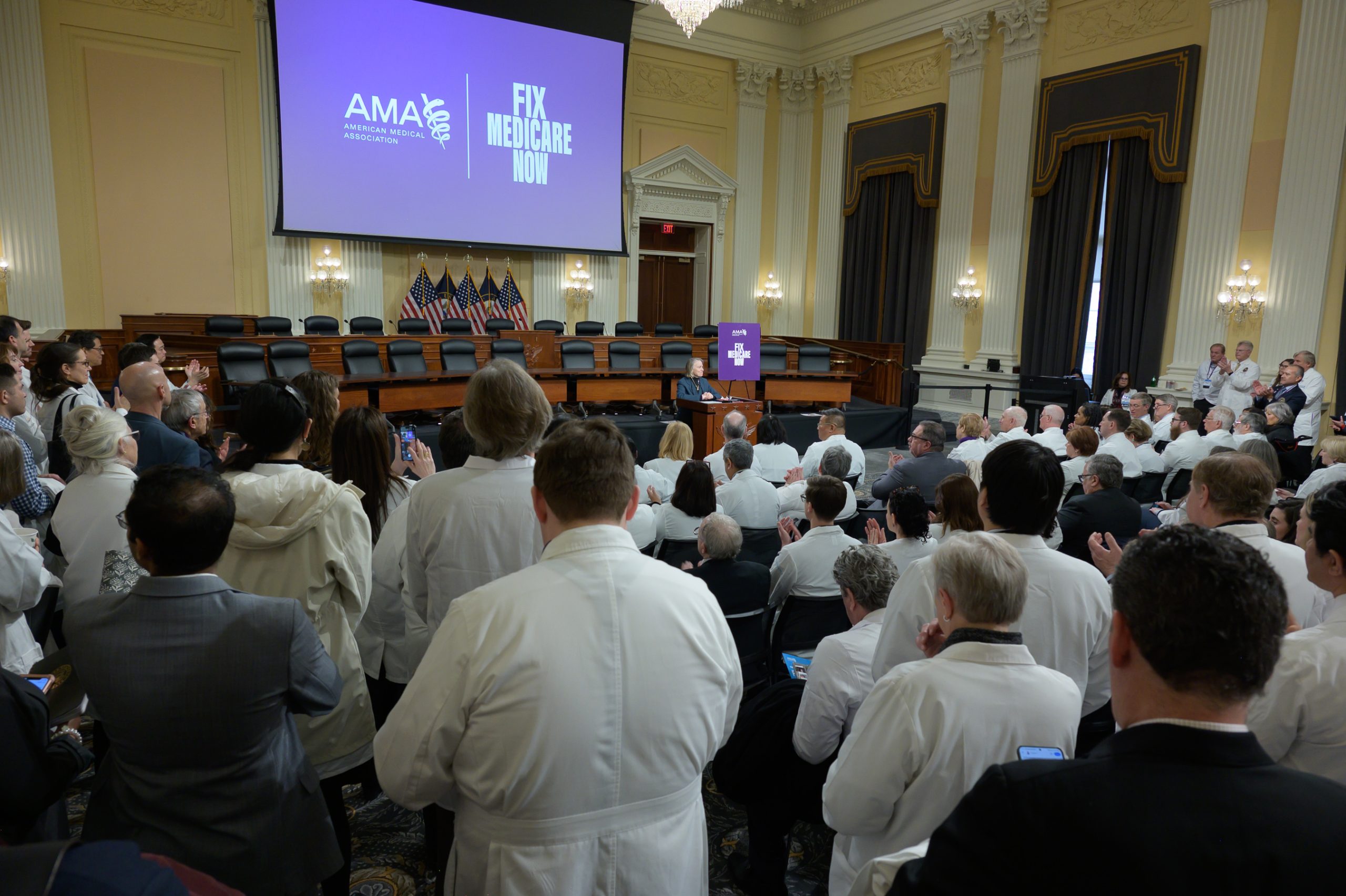
It’s not every day you see hundreds of white coats flock to Capitol Hill. This February however, physician advocates from across the country did just that, gathering in Washington, D.C. for the American Medical Association’s (AMA) annual National Advocacy Conference (NAC).
This conference is an opportunity for advocates to converse directly with members of Congress to discuss federal efforts to improve key health care issues.
The broken Medicare physician payment system dominated this year’s discussions, with NAC attendees voicing deep frustration over the five consecutive years of Medicare payment cuts and Congress’ repeated failure to act. The omission of physician relief from the 2024 end-of-year government spending package was unacceptable, and attendees made it clear: Congress can no longer ignore this crisis.
A threat to every patient’s care
For years, physicians have faced cut after cut when it comes to Medicare reimbursement rates. This means that when physicians see Medicare patients, they are not reimbursed an adequate amount for their services.
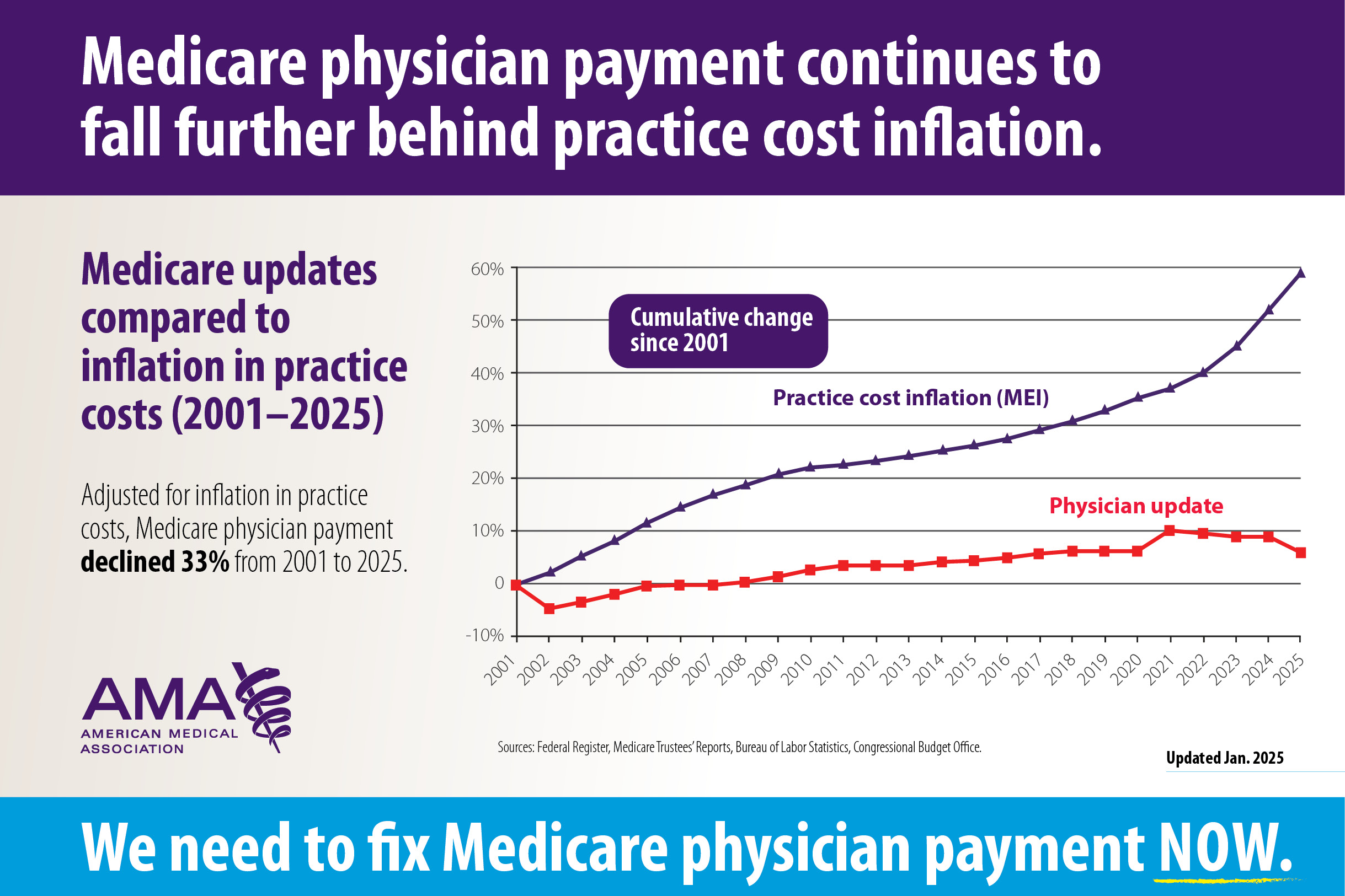
In fact, Medicare physician pay has fallen dramatically over the past two decades, lagging 33 percent behind the rate of inflation since 2001. Yet at the same time, the cost of running a physician practice including paying employee salaries, investing in new equipment, covering insurance and office rental costs has increased by nearly 60 percent. This is an issue with real-life consequences.
When physicians are not adequately reimbursed, many opt to retire early, treat fewer patients or close their practice altogether. This leaves all patients — not just Medicare patients — at risk of losing access to care.
The U.S. is already on track to face a shortage of up to 86,000 physicians by 2036 — a looming threat to every single patient’s care. Many rural communities are already experiencing health care provider shortages with some residents having to drive an hour or more to see the closest physician or specialist. Failure to address this issue will only exacerbate it across the nation.
Instead of working to fix the physician shortage or protect patient access to care, Congress failed to prioritize Medicare payment relief in the final spending bill of 2024. As a result, on the first day of 2025, Medicare payments to physicians decreased by 2.83 percent, marking the fifth straight year physicians must face these relentless pay cuts.
Key advocacy takeaways
Both Republicans and Democrats in Congress agree that the Medicare physician reimbursement system is an issue that must be fixed, but for years, they have failed to act.
Advocates who attended NAC called on Congress to stop playing political games and address declining Medicare reimbursement rates now. If Congress doesn’t act, “Patients’ access will drop. It will suffer. Their constituents will be harmed. People who want to cut Medicare need to understand the effects of what they’re doing,” said Bruce A. Scott, MD, AMA President.
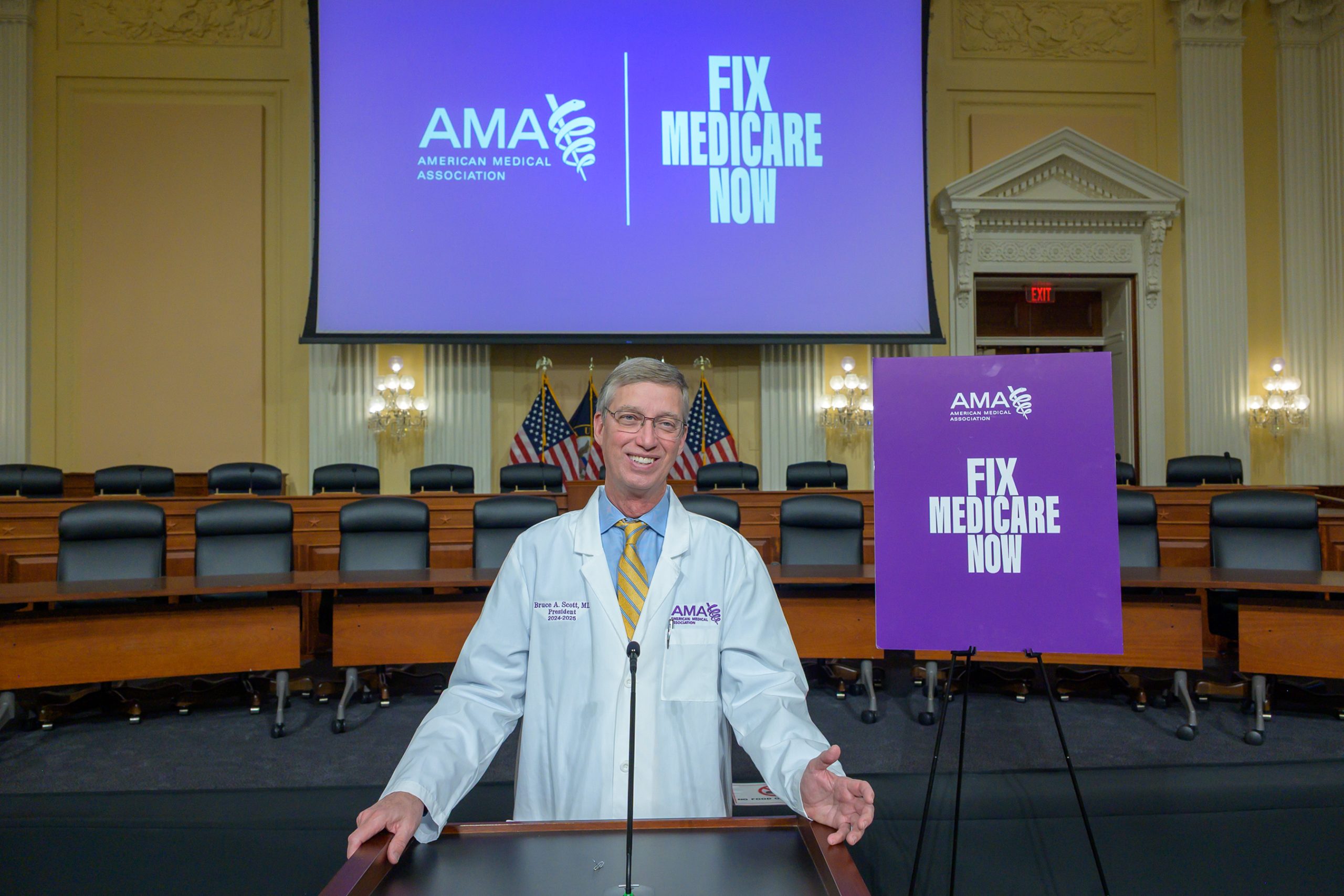
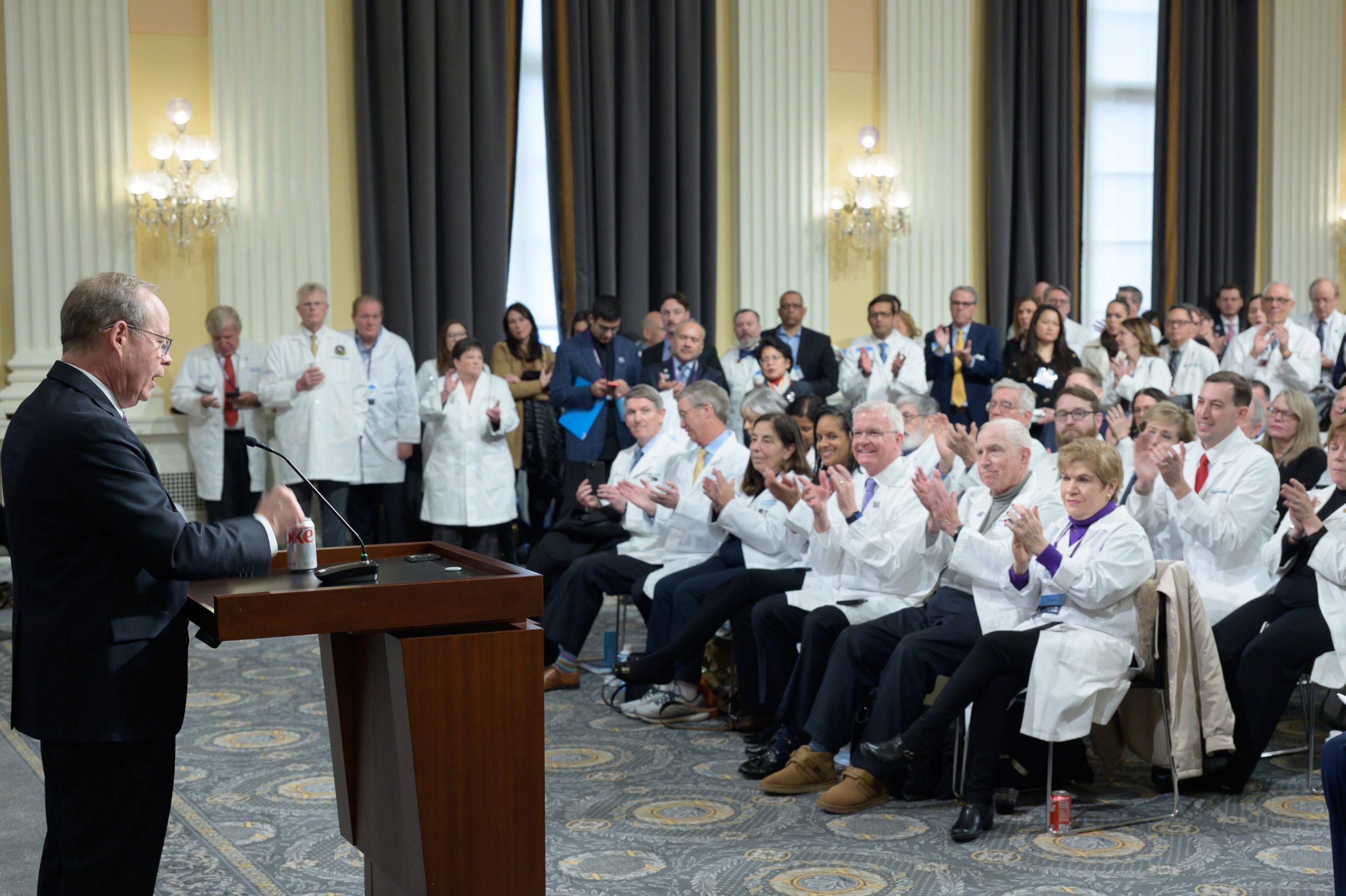
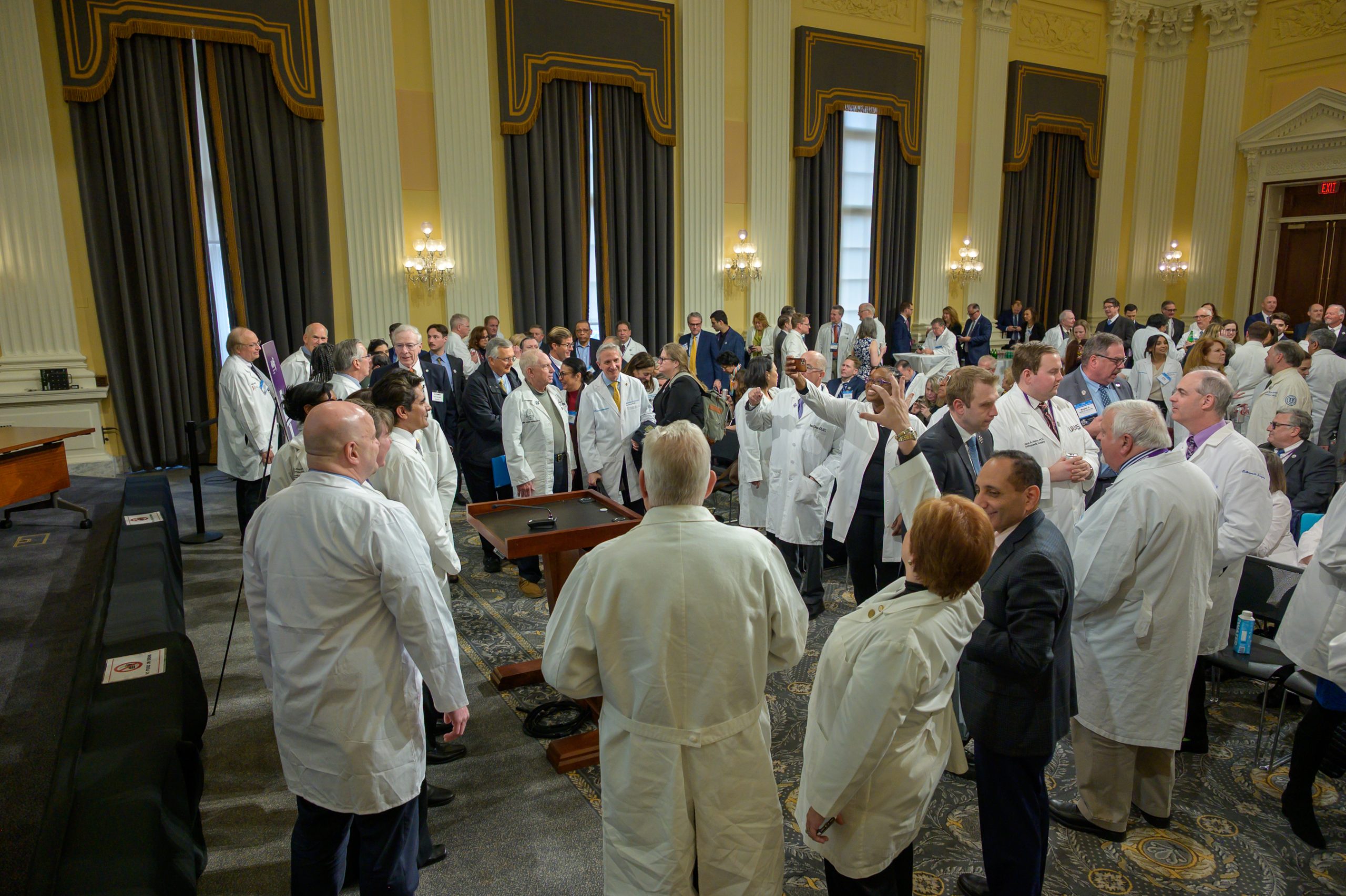
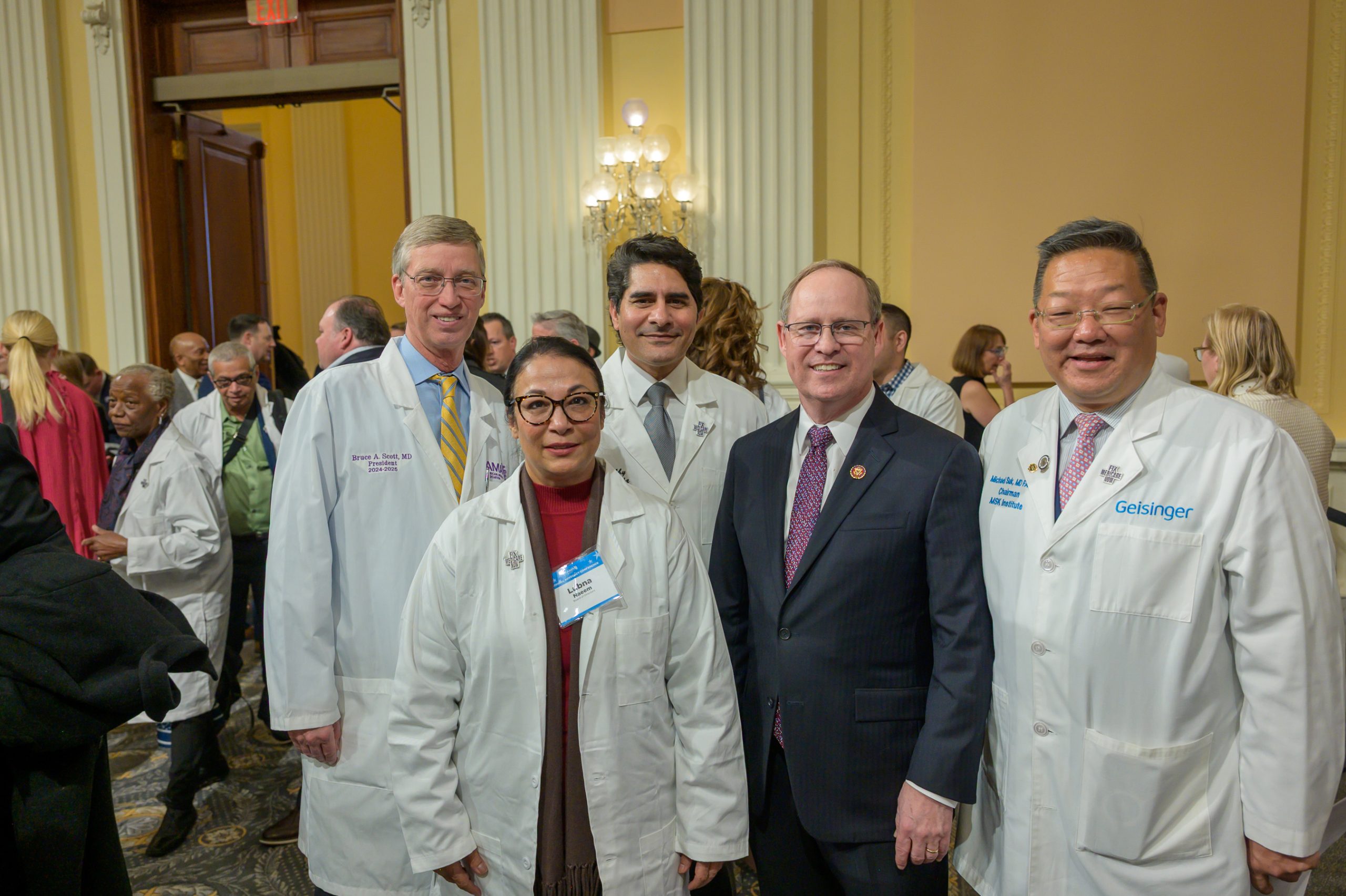
Physician advocates dedicated their time and met face to face with more than 350 members of Congress in the historic Cannon House Office Building on February 11. Many champions in Congress who support the mission to Fix Medicare Now attended and addressed the crowd of physicians, including:
- Rep. Greg Murphy, MD (R-N.C.)
- Rep. Jimmy Panetta (D-Calif.)
- Rep. Kimberly Schrier, MD (D-Wash.)
- Rep. Mariannette Miller-Meeks, MD (R-Iowa)
- Rep. John Joyce, MD (R-Pa.)
- Rep. Raul Ruiz, MD (D-Calif.)
- Rep. Ami Bera, MD (D-Calif.)
- Rep. Mike Kennedy, MD (R-Utah)
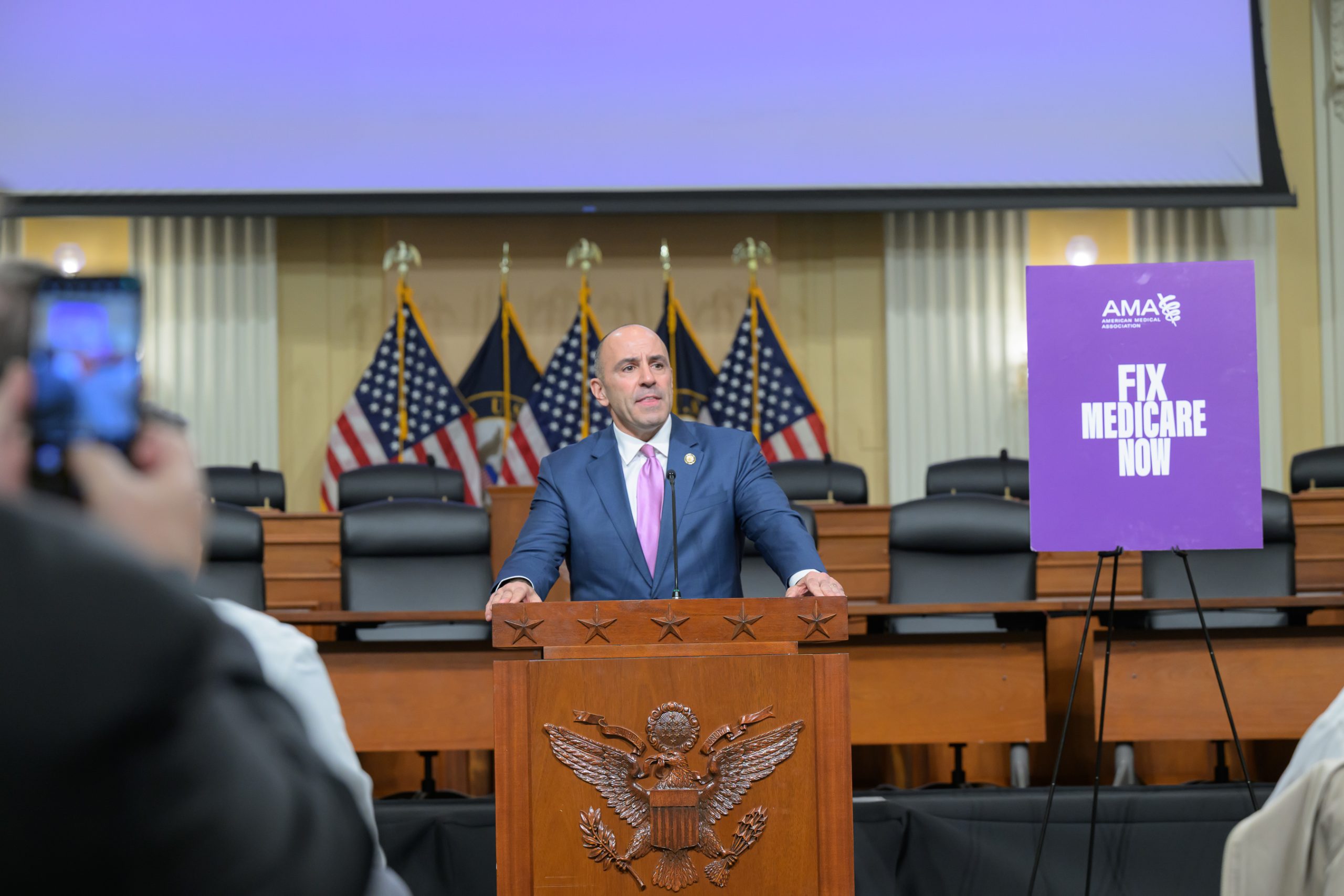
Reps. Greg Murphy, MD (R-N.C.) and Jimmy Panetta (D-Calif.), two long-time supporters in the fight to fix Medicare, addressed the physician advocates and thanked them for coming to Capitol Hill to show Congress how repeated Medicare payment cuts affect their patients and practices. Several other House members stressed just how important it is to cancel the latest round of cuts, noting they’d be unable to vote “yes” on the government-funding deal if it does not include this needed relief.
Everyone agrees that the Medicare physician payment model is hopelessly broken. It is time for Congress to finally do something about it. They must join their colleagues and co-sponsor legislation that supports fair reimbursement rates for physicians’ care to Medicare patients.
An urgent call-to-action
Reps. Murphy and Panetta, along with eight other House members, reintroduced the Medicare Patient Access and Practice Stabilization Act (H.R. 879). This bipartisan legislation aims to help stabilize physician practices and protect every patient’s access to care. A fix to Medicare physician pay is the top priority.
Advocates who attended NAC did their part by meeting with members of Congress directly, but we can’t lose momentum now. We need every physician and patient to join the fight to Fix Medicare Now.
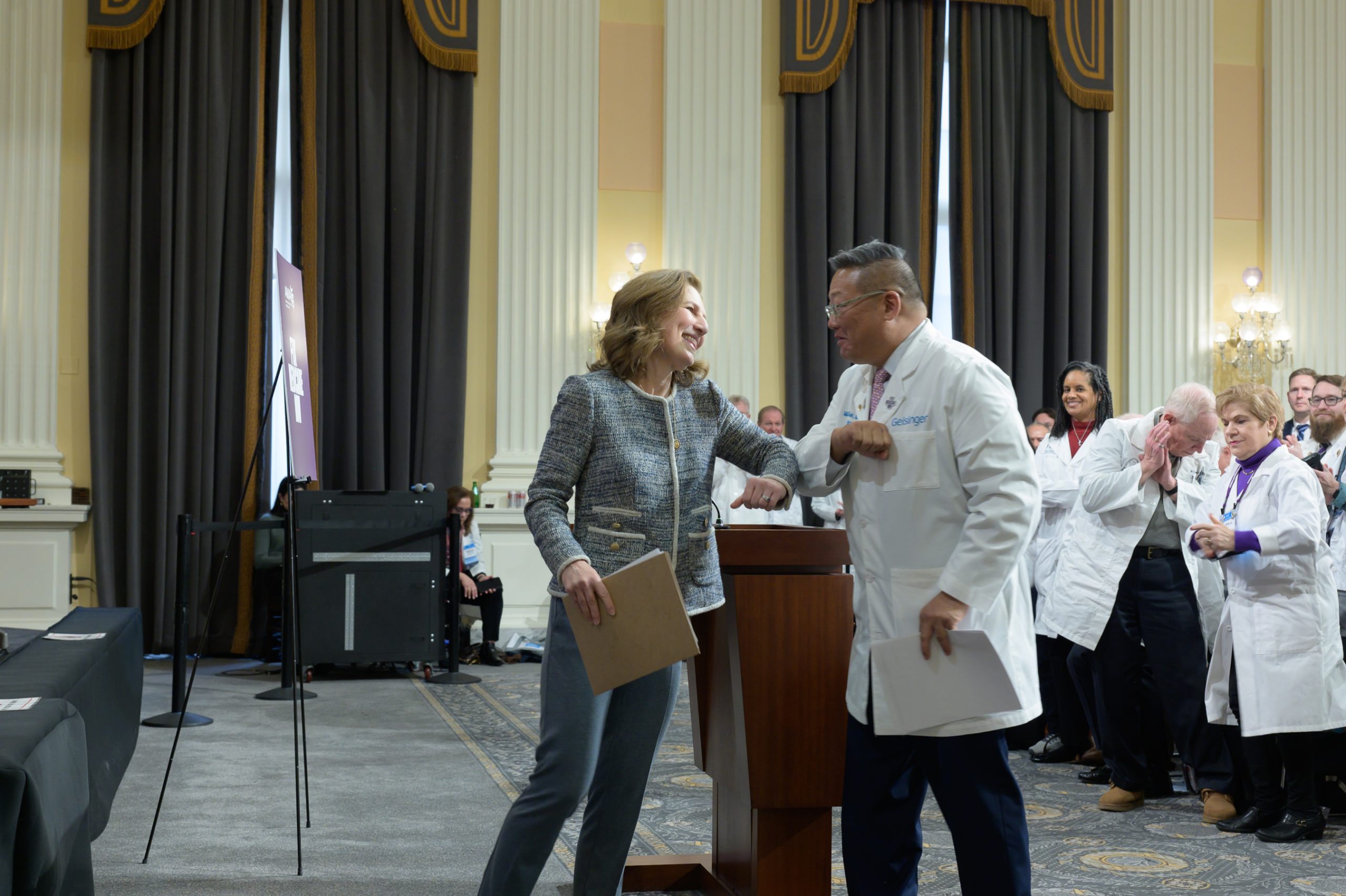
Now more than ever is the time for Congress to provide physicians with much needed relief. The health of Americans everywhere relies on their action.
Learn more about the AMA’s efforts and fight to Fix Medicare Now.
The content is paid for and supplied by advertiser. The Washington Post was not involved in the creation of this content.
CONTENT FROM