

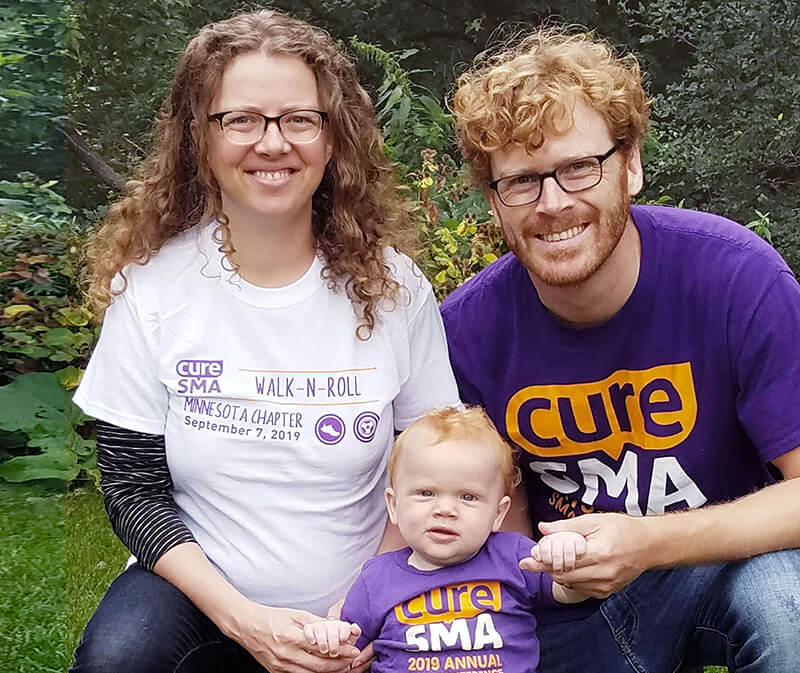
Rory and Carolyn Philstrom’s son, Edan, was born in October 2018 in Minnesota. Little did they know at the time, the mere location of his birthplace would end up saving his life.
Five days later, the new parents received a call with devastating news: the standard screening tests given to every newborn in Minnesota determined that Edan had spinal muscular atrophy (SMA), a disease caused by a genetic mutation. It is currently the number-one genetic cause of death in infants.2
“Most families whose child is diagnosed with SMA have never heard of it before,” said Dr. Mary Schroth, chief medical officer of Cure SMA, a nonprofit focused on research and care for SMA.
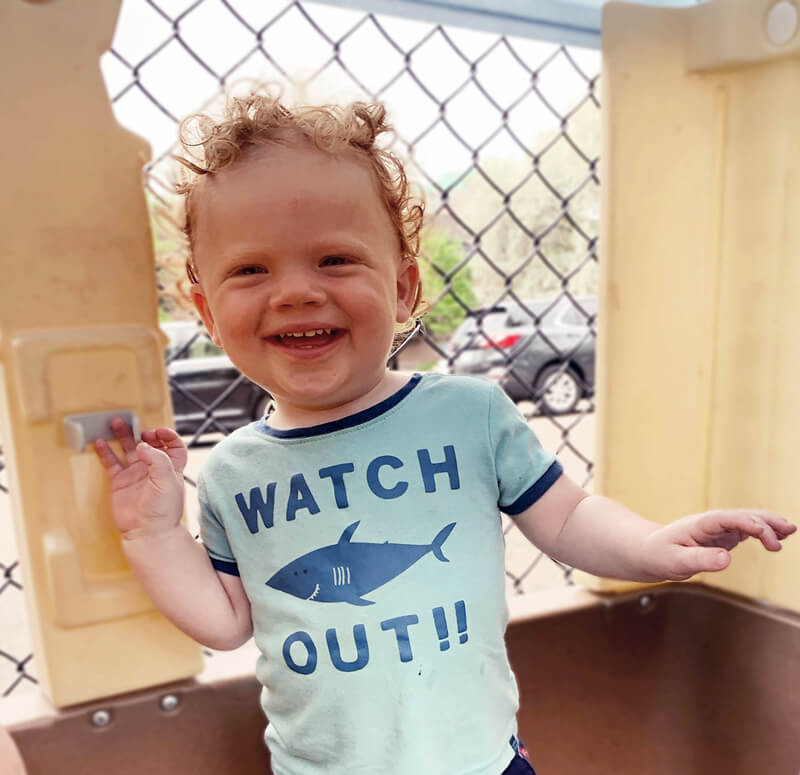
Edan Philstrom
SMA is a progressive, rare genetic disease caused by the lack of a functional survival motor neuron 1 (SMN1) gene.2 Each year, one in 11,000 babies is born with SMA globally.2,3 In healthy people, SMN1 makes a protein which is essential for nerve cells.3 Newborns with SMA are missing that gene.3
“Motor neurons are the cells that start in our spinal cord and form the nerves that go to our muscles,” said Dr. Meredith Schultz, a pediatric neurologist who treated Edan following his diagnosis and currently serves as executive medical director and interim head of translational medicine for Novartis Gene Therapies, a biotechnology company that develops gene therapies for rare neurological disorders. “Without sufficient SMN protein, the motor neurons die and this results in progressive weakness and paralysis of the muscles that control our body. It even affects the muscles that control our breathing and swallowing. Once the nerves in the spinal cord that go to our muscles are lost, we can’t get them back.”
babies are
born with
SMA each year globally 2,3
SMA is a progressive, rare genetic disease caused by the lack of a functional survival motor neuron 1 (SMN1) gene.2 Each year, one in 11,000 babies is born with SMA globally.2,3 In healthy people, SMN1 makes a protein which is essential for nerve cells.3 Newborns with SMA are missing that gene.3
“Motor neurons are the cells that start in our spinal cord and form the nerves that go to our muscles,” said Dr. Meredith Schultz, a pediatric neurologist who treated Edan following his diagnosis and currently serves as executive medical director and interim head of translational medicine for Novartis Gene Therapies, a biotechnology company that develops gene therapies for rare neurological disorders. “Without sufficient SMN protein, the motor neurons die and this results in progressive weakness and paralysis of the muscles that control our body. It even affects the muscles that control our breathing and swallowing. Once the nerves in the spinal cord that go to our muscles are lost, we can’t get them back.”
Without treatment, the most severe types of SMA progress quickly and children typically require permanent breathing support.3 Life expectancy is typically less than two years for SMA Type 1, one of the most common and severe types.4,5 The early signs of SMA can be very subtle—a baby who is even a little delayed in holding their head up, rolling over, sitting up on their own, or other indicators of muscle weakness.3 As a result, it’s often not caught until late in its progression.
Newborn screening can detect SMA when the physical symptoms aren’t yet clear. However, despite this, not all states include SMA in the screening panel of tests every newborn receives at birth.6
Early detection is everything
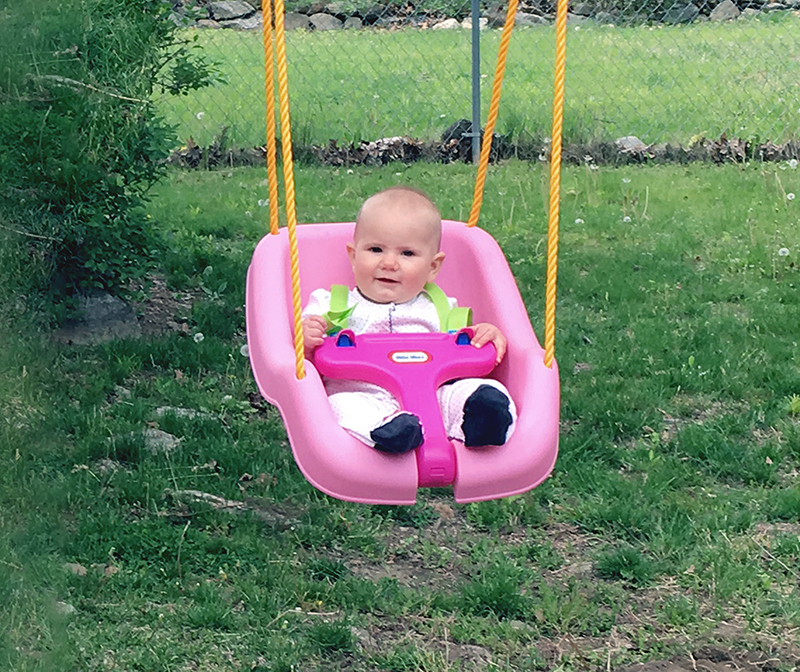
Lucy Gilio
When they got pregnant, Carolyn and Rory had only recently moved to Minnesota, where Rory was starting a new job.
“We almost had kids while we were living in North Dakota, and we almost moved to Nebraska, where they still don’t have newborn screening,” explained Carolyn. “It was just total luck that we moved to Minnesota. At the time Edan was born, only three states were screening [for SMA].” The state had added SMA to its newborn screening panel seven months before Edan’s birth; screening detects approximately 95% of SMA cases.
Lucy Gilio
of all SMA cases
are detected
by screening
*figure is approximate
The U.S. Health Resources and Services Administration has identified 35 treatable conditions as part of the Recommended Uniform Screening Panel (RUSP) that it recommends for newborn screening.7However, the list is merely a recommendation, not a requirement.8
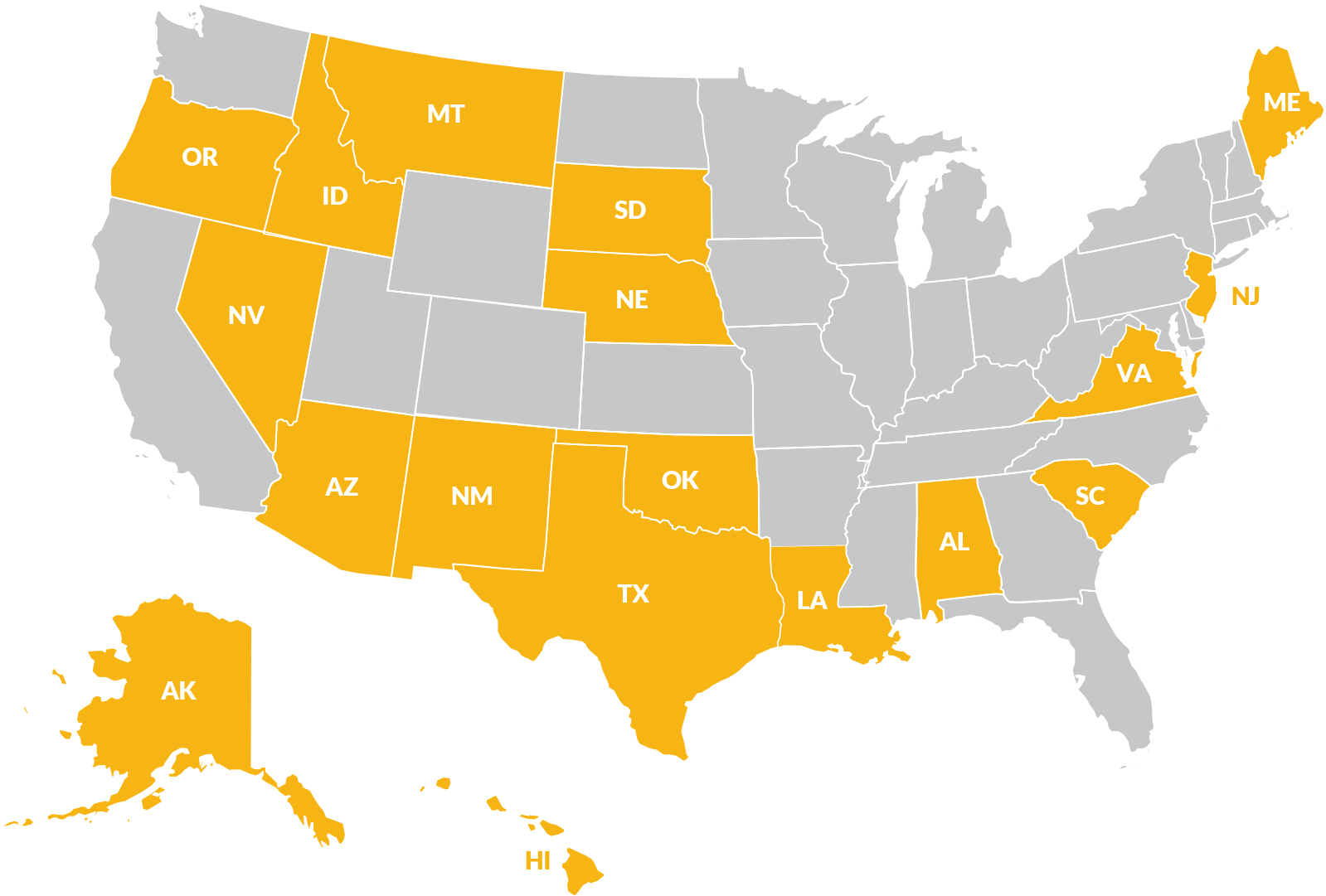
Ultimately, each state can independently decide what to include in newborn screening. SMA was added to this list in 2018 and currently 18 states and the District of Columbia don’t screen for SMA as part of routine newborn testing, translating to about one-third of babies born in the U.S. left unscreened for this devastating disease.6,8
Because early detection and treatment can actually make a difference in this case, SMA should be added to the newborn screening panel in every state.
New York was another state that had only recently added SMA to its newborn screening when Lucy Gilio was born in August 2019. Like the Philstroms, Lucy’s parents, Ashley and Steven, were blindsided when they got the call that their second daughter tested positive for SMA following newborn screening, just days after she was born. “If it wasn't for [newborn screening], we would have been having a different conversation 3-4 months after her birth because she would have already shown symptoms of SMA Type 1 progression. By then it would have likely been a different outcome,” said Ashley.
A wide-open future
When Dr. Schultz began caring for SMA patients and their families 15 years ago, the situation was dire. “In the past, we had no options,” said Schultz.
Screening for a disease—even if you catch it early—is of limited use if there’s nothing to be done once it’s found. And while that was largely true of SMA for decades, it’s no longer the case, with the U.S. Food and Drug Administration (FDA) approving three treatment options in recent years—including Zolgensma® (onasemnogene abeparvovec-xioi), a one-time gene therapy. With now three treatment options available for babies with SMA, families need to consider the possible risks and the possible benefits of each treatment when making treatment decisions. Please see Important Safety Information below and accompanying Full Prescribing Information for Zolgensma.
In May 2019, the FDA approved Zolgensma for children less than 2 years old with SMA. Zolgensma is a one-time gene therapy delivered via an intravenous infusion that targets the genetic root cause of the disease by replacing the function of the missing or nonworking SMN1 gene.9 A new, working copy of that gene is delivered to the patient’s cells, stopping SMA in its tracks by telling motor neuron cells to make more of the important SMN protein.9
In May 2019, the FDA approved Zolgensma for children less than 2 years old with SMA. Zolgensma is a one-time gene therapy delivered via an intravenous infusion that targets the genetic root cause of the disease by replacing the function of the missing or nonworking SMN1 gene.9 A new, working copy of that gene is delivered to the patient’s cells, stopping SMA in its tracks by telling motor neuron cells to make more of the important SMN protein.9
The Gilios opted to treat Lucy with a one-time dose of Zolgensma, received in September 2019, when she was 40 days old. Today, Lucy is a year old and thriving. “She sees a physical therapist once a week and has started army-crawling on her tummy,” Ashley said. “Right now, she’s actually working to pull herself up to stand and is grabbing onto things. These are the things that when she was first diagnosed, we didn’t know if we would see today. To see her sitting up, trying to stand—it’s great.”
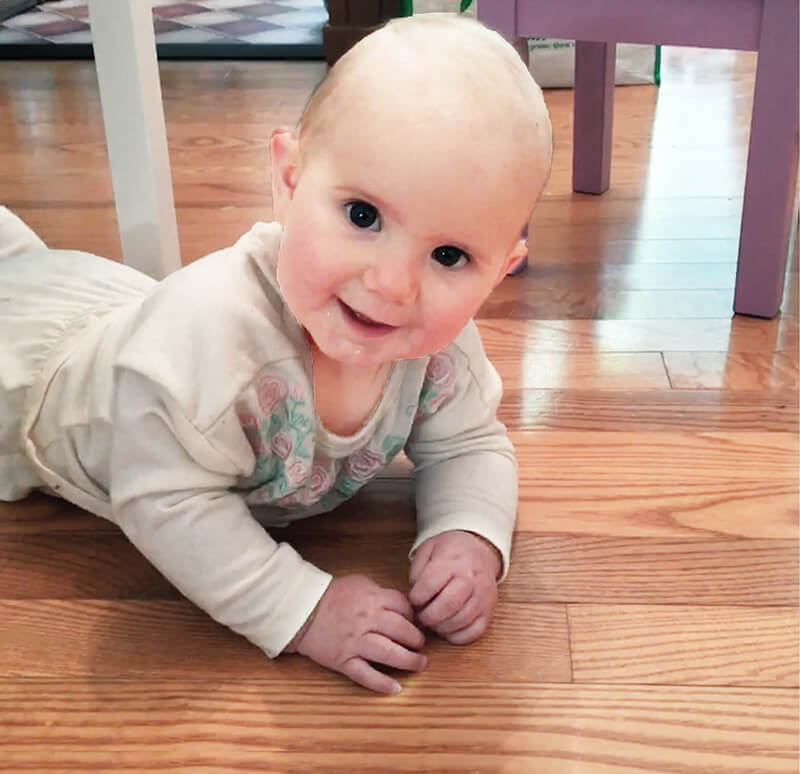
Edan Philstrom also received his one-time dose of Zolgensma in 2019, following initial doses of another chronic SMA treatment. Now about to turn two, the fiery-haired toddler is developing typically in nearly every way. “He’s running and climbing up and down stairs on his own and is always trying to escape to the park,” Rory said. “He has a wide-open future.”
“There’s tremendous hope with these treatments,” said Schroth, who has been caring for SMA families for 26 years. “We’re already seeing the dramatic change because of these early treatments for these babies and their families. It’s just a very different experience of SMA. They’re able to sit independently, and many are able to progress to walking...and they’re surviving. The number one thing is that they’re also surviving.”
Catching it early makes all the difference
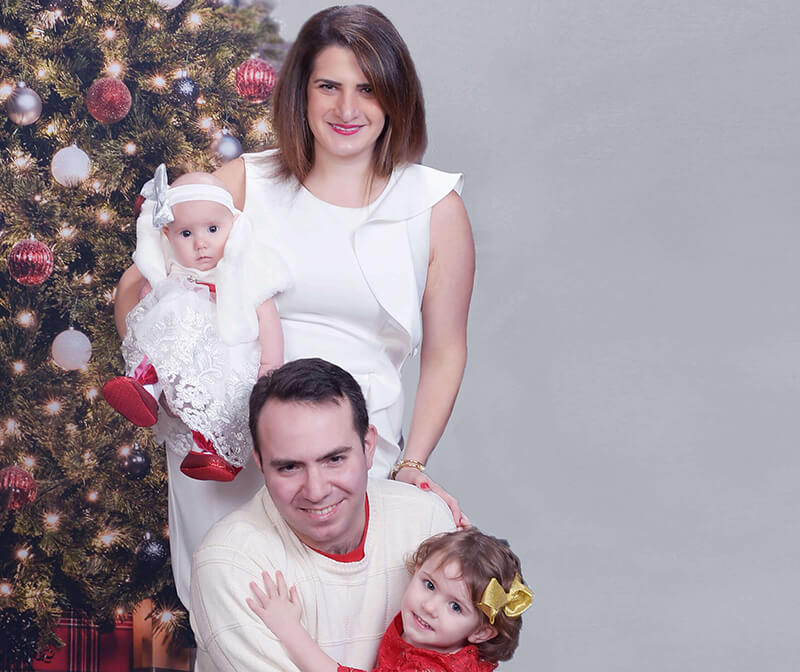
“There is no reason that newborns in every state shouldn’t be screened for SMA,” said Ashley. “If you get treatment early enough, you’re basically freezing the disease progression.”
Even if it’s not a mandatory part of a newborn’s panel across the country, parents and parents-to-be can still ask their physician about diagnostic testing for themselves (as potential carriers), prenatal testing and screening when their baby is born. If parents know to ask for it, their children will stand a better chance at fighting the disorder.
“Newborn screening has totally changed the way we treat spinal muscular atrophy,” Schultz said. “Being able to treat these infants before symptoms appear is really key for giving them the best life possible.”
STATES NOT
SCREENING FOR SMA
“For a disease this rare and this devastating, to be at this point in history of turning the outcomes around, it's incredible to be part of it,” added Schroth.
In addition to providing support and information for individuals and families impacted by SMA, Cure SMA has led the charge in advocating for universal adoption of early detection and newborn screening. Their mission is to maintain direct communication with state and federal lawmakers and regulators. Through its action center, Cure SMA has included several ways for people to inquire about their state’s screening status as well as send personalized letters to Congress, state leaders and lawmakers asking them to support funding for newborn screening programs.
“We are reaching out to those states that are not currently screening and asking questions like ‘How can we support you? What are your barriers to implementing newborn screening?’ We try to be as supportive and educational in our approach as we can,” Schroth said. “Newborn screening is among the most important public health initiatives available in this country.”
To learn more about
Zolgensma
To learn more about
SMA and newborn
screening for SMA
*With now three treatment options available to babies with SMA, families need to consider the possible risks and the possible benefits of each treatment when making treatment decisions. Please keep reading to learn more about the potential risks of Zolgensma, including serious acute liver injury.
*Results and outcomes vary among children based on several factors, even if treated pre-symptomatically, including how far their SMA symptoms had progressed prior to receiving treatment.