
A LIFE WELL-FED
For many dog owners, choosing the right dog food is the hardest part of pet ownership. A quick glance at the pet food aisle reveals why: Not only are there numerous different brands of pet food available, but there are also trendy ingredients to parse through and specialty options with a host of different benefit claims to consider.
Despite that, consumer spending on pet food continues to grow—total sales are projected to increase by four percent this year—and pet adoptions have spiked due to the pandemic.
In the years to come, as their dogs age and pet food options multiply, pet owners will need a keener grasp of what “good nutrition” means for canines and why it matters.
In Purina dog food, for example, “every ingredient and nutrient work together so that your dog's diet is complete, balanced and designed to help him have a long, happy and healthy life,” said Purina’s chief veterinary officer Dr. Kurt Venator, DVM, PhD, who represents one of the more than 500 scientists, veterinarians and pet care experts on staff at the company.
The complexity
of
pet nutrition
When it comes to pet food ingredients, today’s pet owners are increasingly curious to know the ins and outs. Case in point: Four out of five pet owners typically read the list of ingredients on a pet food label before buying it.
“As people are becoming more aware of what they feed themselves, they’re becoming more aware of what they feed their animals and wanting to do what they feel is best,” said Dr. Lisa Weeth, a veterinarian and board-certified Veterinary Nutritionist in Los Angeles.
How much food does your dog need?
Pet experts recommend feeding your dog twice a day instead of free feeding or leaving out a bowl of food all day, says Dr. Venator. See below for feeding guidelines based on your dog’s weight and some additional factors to consider (always in consultation with your veterinarian).


 size:
size:  weight:
Moreover, pets are increasingly considered part of the family, so people want their dogs and cats to live longer and more fulfilling lives. But for many pet owners, the link between their pet’s nutrition and their overall well-being is unclear, according to Weeth, and the rules and guidelines around pet nutrition can seem inscrutable: 52 percent of dog owners find their dog’s nutritional needs more confusing than their own. Most owners of large-breed dogs aren’t aware that their dog may need puppy food until age two, for instance, and the false assumption that dogs are carnivores leads some owners to feed them only raw meat, according to Weeth. Others are putting their dogs on the same diet they follow, such as high protein, without consulting their veterinarian.
Conflating human and pet nutrition, or lacking understanding of pet nutrition overall, can both lead to health problems for animals. Many popular homemade dog food recipes lack enough essential nutrients, for example, making a high-quality commercially produced option the best choice for most dogs. In addition, older dogs often need their diet adjusted due to illnesses, such as kidney disease, but a dog accustomed to human food may refuse to eat anything else, according to Weeth.

“My two-year-old dog will eventually be a 10-year-old dog or a 12-year-old dog, and I want to make sure that I have the ability to adjust their diet if needed,” Weeth said.
Fortunately, striking the right nutritional balance for their dogs may be easier than many pet owners believe. According to Venator, “dogs have an advantage of being able to get all their nutritional needs met in one complete and balanced meal, which is something that is much more difficult to achieve for people.”
What’s in that
dog food, anyway?
Veterinarians point to certain essential nutrients that should form the foundation of dogs’ regular diet: proteins, carbohydrates, fats, vitamins and minerals. And according to Venator, high-quality pet food can provide all of that and more.
“Feeding pets a complete and balanced diet formulated by pet nutritionists is key to ensuring they get all of the nutrients they need to thrive,” he said.
Many of the ingredients found in dog food will be familiar to people. These items, such as barley and sunflower seed oil, are purposely integrated into recipes by dog nutrition experts. Veterinarians and nutritionists at Purina, for instance, draw on the latest research to develop products that are just right for dogs of a given size. They also understand the benefits of adding an ingredient like a high-quality protein source, which encourages muscle growth and provides glucosamine to promote healthy joints. They might add fish oil, or the aforementioned sunflower seed oil, an excellent source of omega-6 fatty acids to promote a shiny coat. Nutritionists also make sure that dogs receive the proper proportions of essential vitamins and nutrients, like bone- and teeth-strengthening calcium carbonate and immune-supporting copper proteinate.
Dog Food Label Decoder
Long ingredient lists on your dog’s food can seem confusing, but every item is included to benefit your pet, says Dr. Kurt Venator, chief veterinary officer at Purina.
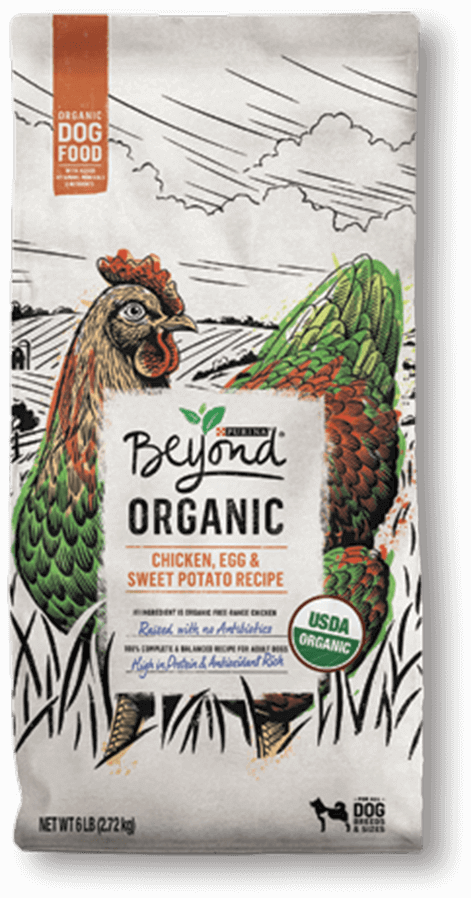


Of course, while very rare, some dogs have food allergies, and others should adopt a certain diet based on a veterinarian's assessment. For those pets, companies often formulate specialty options that offer more specific outcome-based diets, sometimes requiring a prescription from a veterinarian. And because dogs’ metabolism and nutritional needs change as they age, “it’s also critical to feed pets based on their life stage and lifestyle,” said Venator. Dogs ages seven and older tend to gain weight and struggle to lose it, for example, so they may need a lower-calorie food, depending on a veterinarian’s advice. And a higher-fat diet can help optimize the metabolism of more active, rambunctious dogs.
The power of
good nutrition

As for how to know whether a dog’s nutrition needs are being met, Venator advises pet owners to pay attention to signs of weight loss or gain. Additionally, “clean ears, bright, clear eyes, white teeth, a shiny coat and consistent elimination of stool are also good indications of health,” he said.
And while Americans may be willing to go above and beyond for their dogs’ well-being—more than 40 percent would buy healthy food for their pets before buying it for themselves—they can take comfort in one simple truth, according to Venator: “Playful, energetic and happy dogs are usually healthy dogs.”
Take our short survey to tell us about your reading experience.