


Healthy
Holiday Desserts



 any people equate the holiday season with classic desserts. Maybe a relative is known for their chocolate mousse, always brings the pumpkin pie or is masterful with sugar cookie decorations. Those seasonally specific flavors, textures and smells are laden with memories: More than half of Americans look forward to eating the same sweet item every year.
But where there is dessert, there is sugar, butter, white flour and other not-so-nutritious ingredients. And at a time when Americans want to eat more healthily—especially in light of covid-19, which has prompted new concerns around obesity and immune function—many people may be looking to make cleaner versions of their favorite holiday dishes. Even the desserts.

Being healthy doesn’t mean giving up pies or pastries altogether, though. “A big chunk of the population is interested in doing some sensible [ingredient] substitutions in their desserts,” said Elaine Magee, corporate dietician for Safeway. The challenge, she added, is how to “keep what’s special” about favorite seasonal treats while also making them healthier.
How people are rethinking their diets
The widespread desire to eat healthily has been growing for years. Almost 60% of Americans say their food and drink choices have more to do with health now than they did a decade ago, thanks to increased public awareness of the link between diet and wellness. This is “trickling down into what people are doing about dessert,” said Ali Webster, director of research and nutrition communications for the International Food Information Council.
All of the classic baking ingredients are being reconsidered, even outside the holiday season. Nearly three-quarters of Americans are trying to limit their sugar consumption and many are replacing butter, which is high in saturated fat, with vegan spreads made from plant oils, like macadamia nut and avocado. One-quarter of people are eating more plant-based dairy and egg substitutes, according to Webster. And alternative flours are enticing those who are gluten intolerant or who are cutting carbohydrates to prevent diabetes, according to Magee.
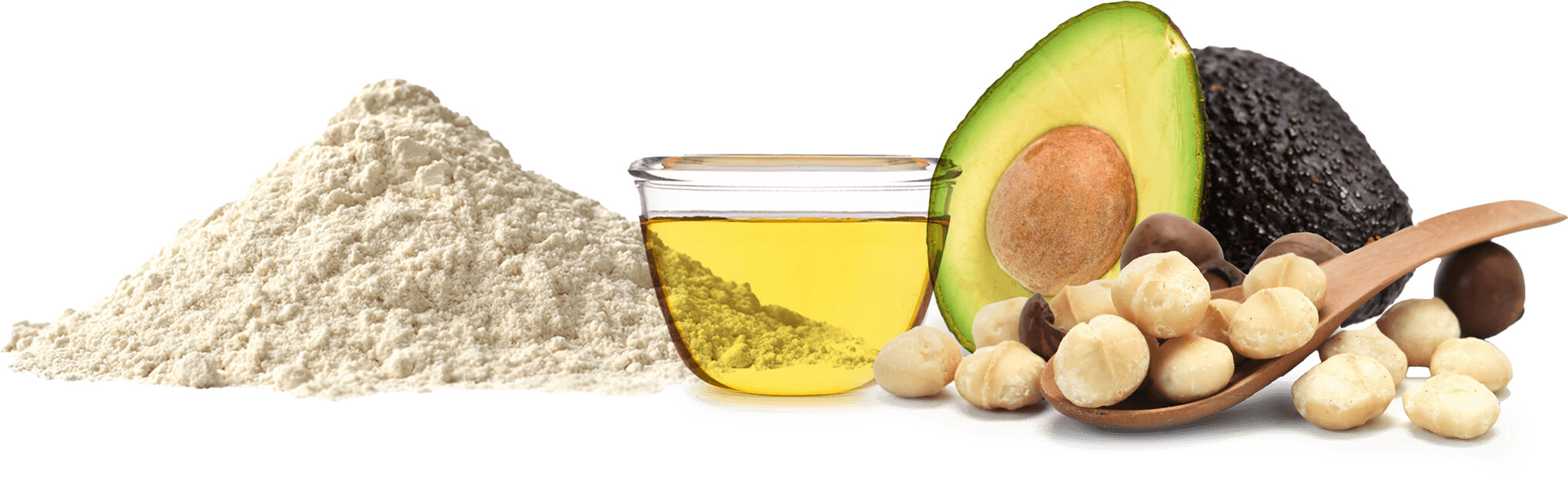
While health is a major motivating factor for home bakers looking to cut or swap out certain ingredients, so is sustainability. Nearly six in 10 people want the food products they buy and eat to be produced in an environmentally sustainable way. Plant-based butters, for example, are shown to produce almost four times less carbon dioxide than dairy-based options. Whether people are shopping for gluten-free flour or sunflower butter, said Magee, “they are ready to pivot if they see something in the store that interests them.”
Due to the pandemic, 71% of Americans expect their holiday traditions to change this year, and 47% have already cancelled their usual gatherings. Webster predicts this, too, will have an impact on what foods people prepare; families will host smaller get-togethers, and therefore make less food. Takeout may also be more common than usual at this year’s holiday parties, as people try to support their local restaurants. And with many people feeling more anxious because of the pandemic, cravings for nostalgic treats are likely, according to Webster. Already, people have been baking so much more than usual over the past several months that flour sales have skyrocketed. At the same time, the pandemic “has lent a sense of urgency [for people] to take active steps to improve their health,” said Webster. And that opens the door for wholesome holiday desserts.


A Lighter Take on
Holiday Sweets

A “healthy” dessert used to mean fruit or nothing at all. But "the clean baking scene has evolved quite a bit in the last few years," said Laurel Gallucci of Los Angeles bakery Sweet Laurel. Here, both Gallucci and Magee share some of their favorite recipes for nutritious holiday treats.
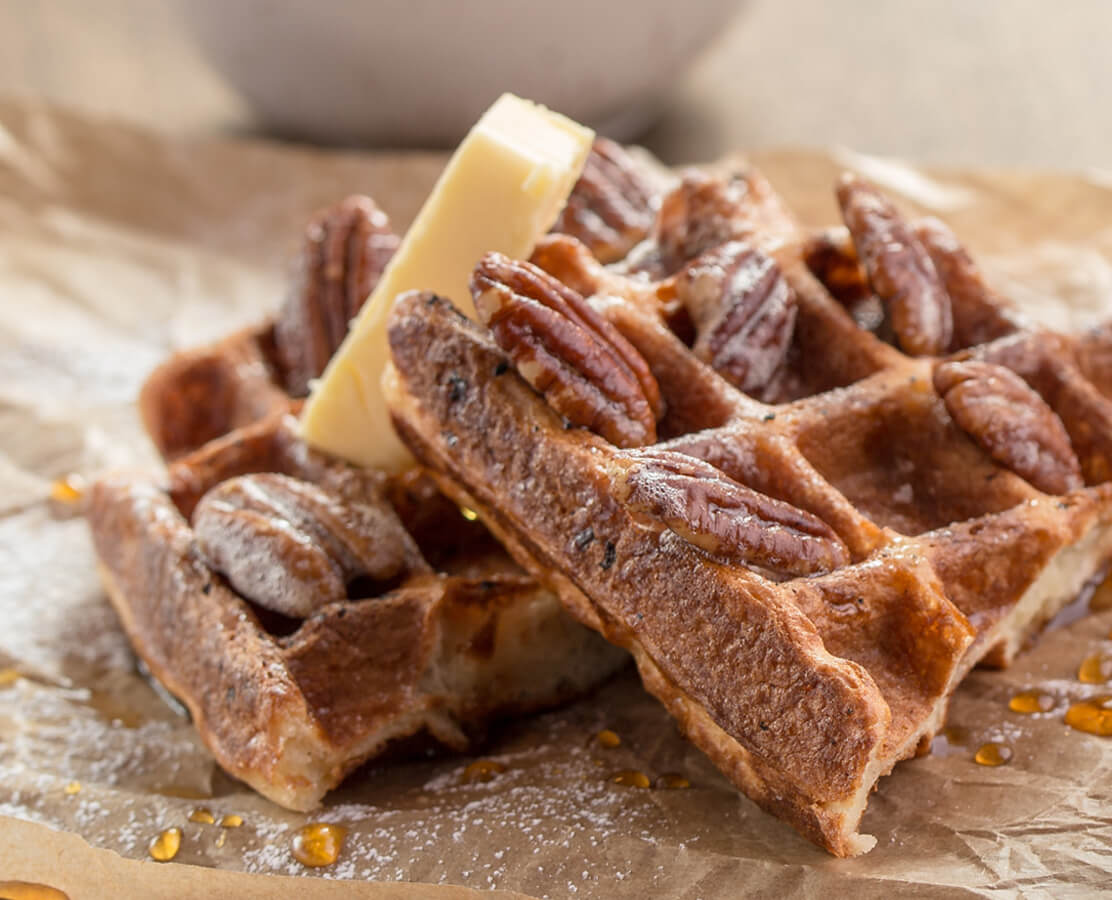

Wholesome fall waffles
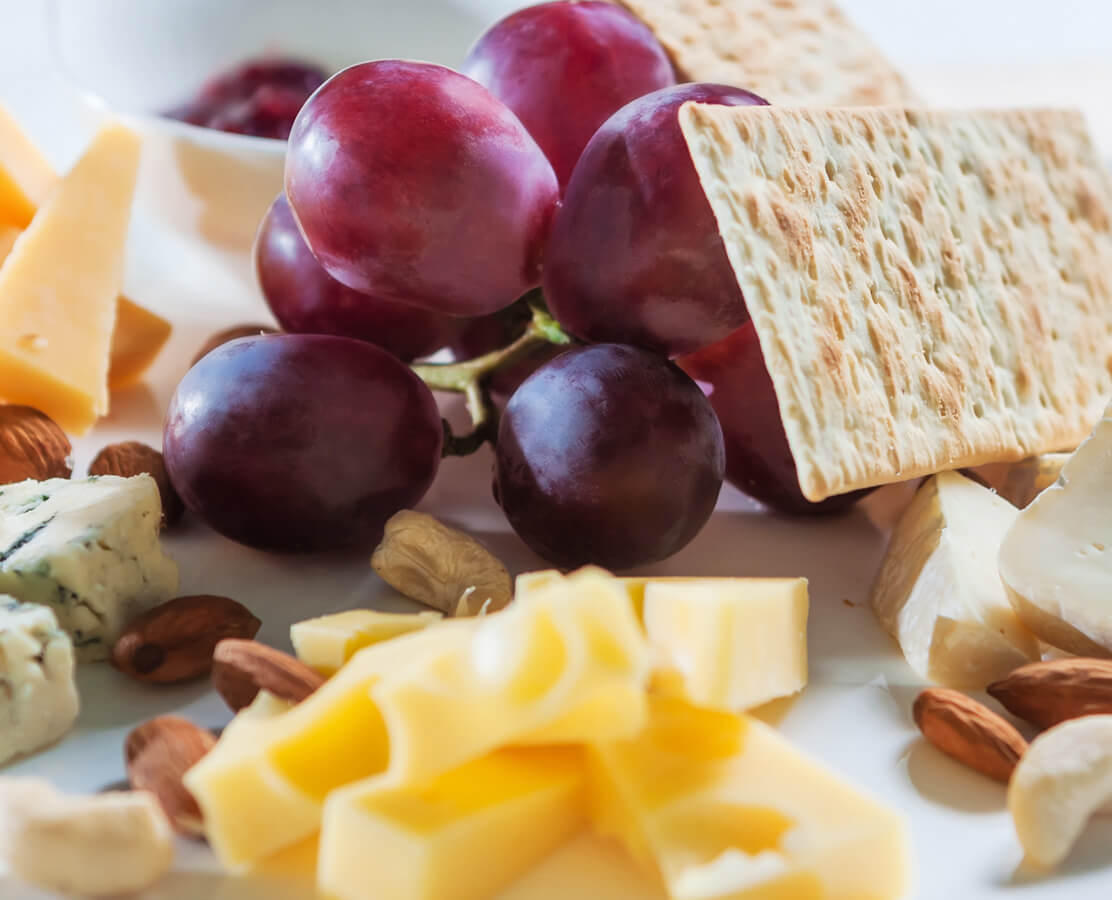
Fancy fruits
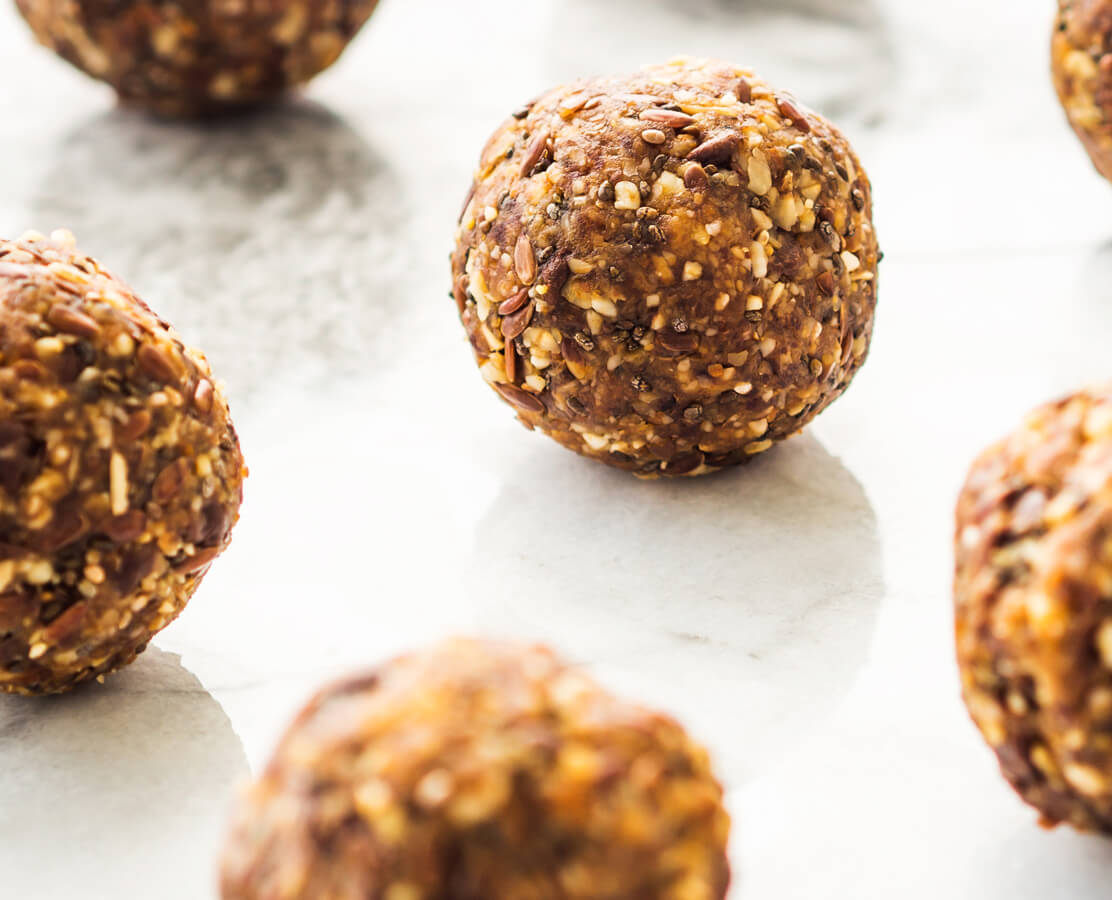
DIY truffles
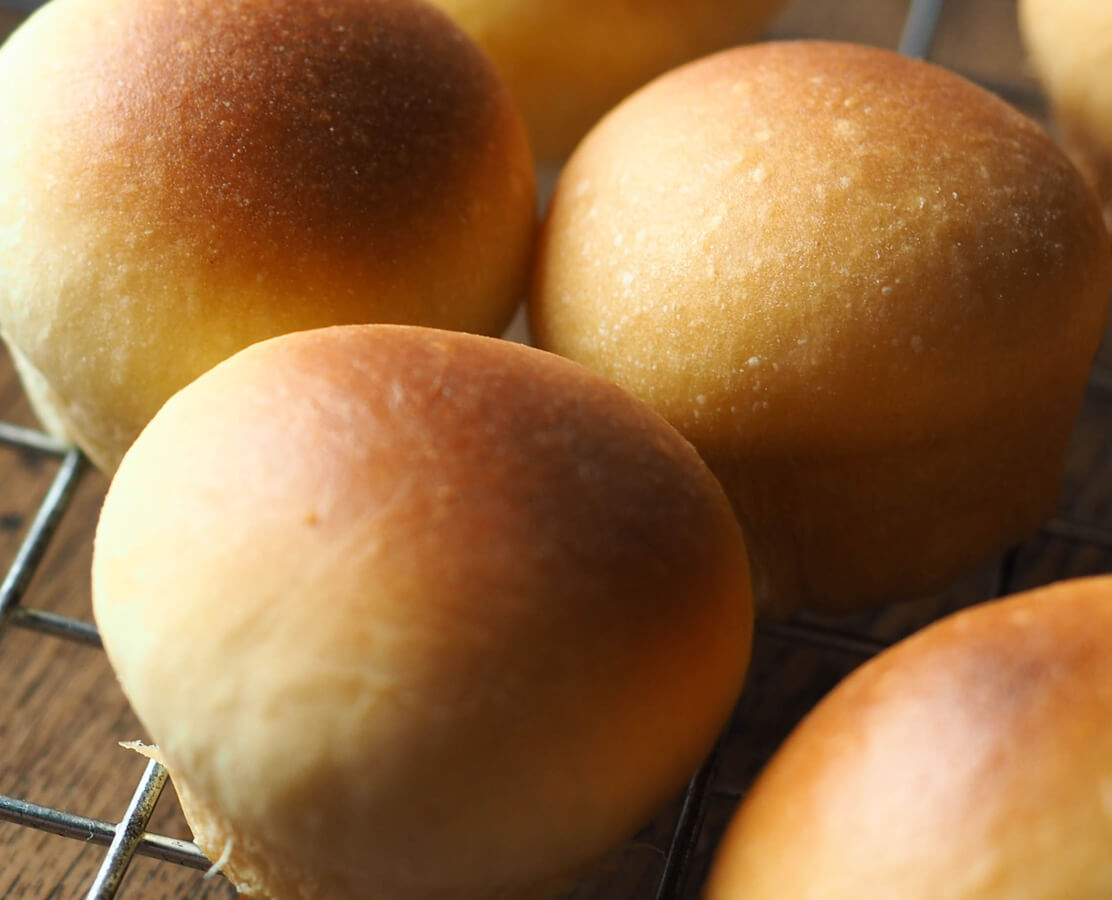
Easy sweet potato harvest rolls

Nourishing gingerbread cookies
Giving holiday desserts a nutritious makeover
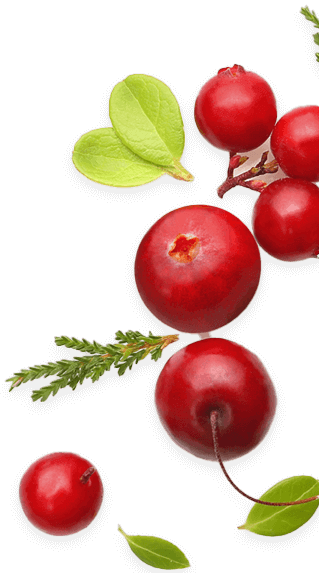
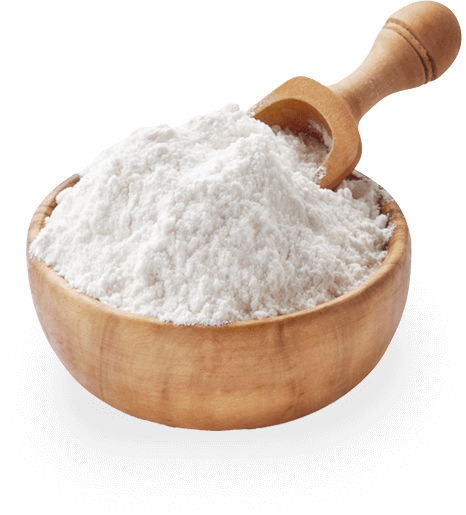
There are plenty of ways to make seasonal treats more nourishing. When baking quick breads, such as cranberry-orange bread, Magee replaces white flour with nutrient-rich whole-wheat flour, for example, and uses only half the amount of sugar in the recipe. Pie crust for classic pumpkin, apple and pecan pies can be updated with almond flour and coconut oil instead of white flour and butter, resulting in a vegan, lower-carbohydrate, higher-protein crust. Safeway's selection of alternate flours includes Flax Meal Flour from their own store brand, O Organics.
Sales of citrus fruits have also spiked in recent months, as customers seek out immune-boosting vitamin C, according to Ricardo Dimarzio, Safeway’s produce sales manager. Heart-healthy pomegranates are also increasingly popular. Safeway stocks seasonal fruits and vegetables, like butternut squash, whole as well as sliced for convenience. Cups of pomegranate seeds and sliced apples are big holiday-season sellers, according to Dimarzio.
Simple
ingredient swaps

Holiday chefs don’t have to abandon tried-and-true recipes in the pursuit of eating well—they just need to make a few adjustments. Here are some healthy alternatives to classic ingredients that can make seasonal desserts a touch more nutritious.
-
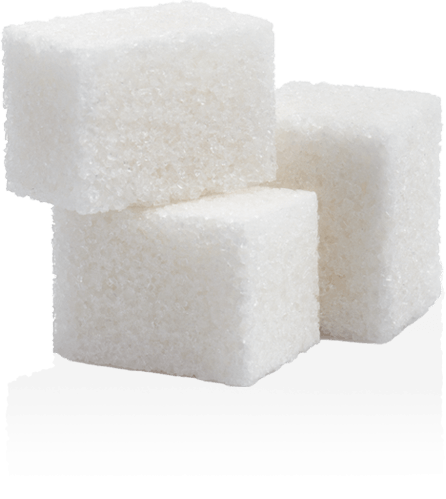
In place of sugar, try...

Monk Fruit
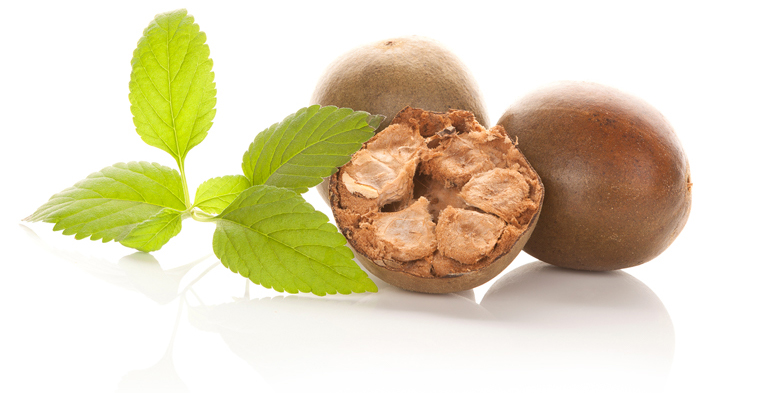
Monk fruit, also known as Swingle fruit, is native to southern China and one of Galucci's favorite alternatives to white sugar. Monk fruit sweeteners are high in antioxidants called mogrosides, and can replace traditional sugar in pumpkin pie, gingerbread cookies and cranberry sauce.
-
Instead of white flour, try...
Almond Flour
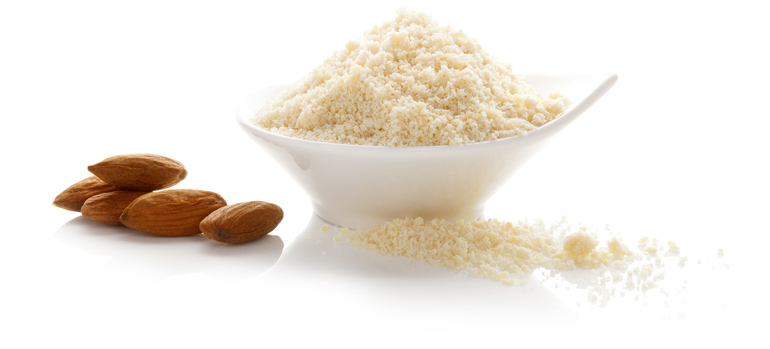
Another mainstay ingredient at Sweet Laurel bakery, Almond flour is made from almonds that have been blanched, ground and sifted into fine grains. It’s high in vitamin E and can be used instead of refined white flour in pie crusts, sugar cookies and almond cake.
-
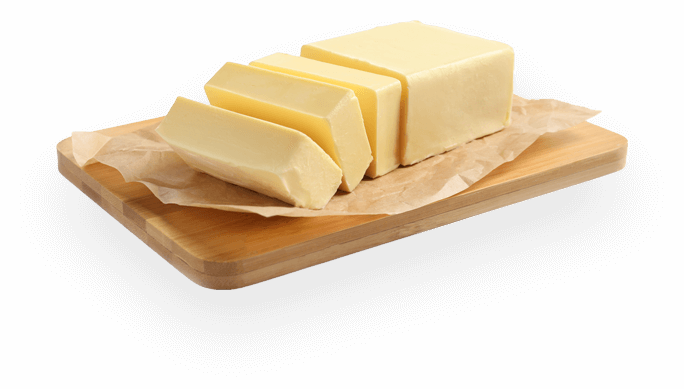
Rather than butter, use...
Fruit & veggie purées
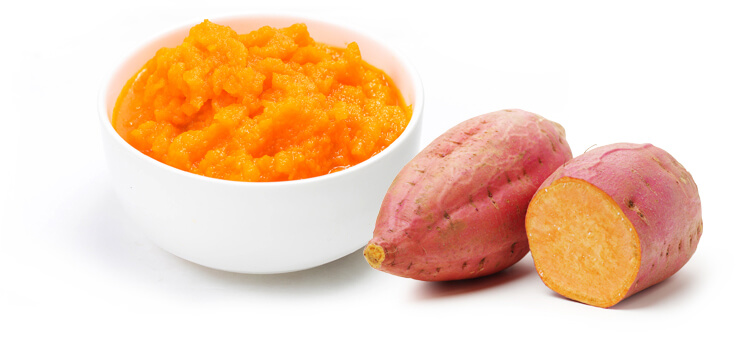
These purées provide a low-fat, nutrient-rich replacement for some of the butter or oil in various desserts, according to Magee. Sweet potato purée can be used in a chocolate tart, avocado works in chocolate truffles and pumpkin is a good fit for waffles.
-

Pass on the traditional eggs and go for...
Flax eggs
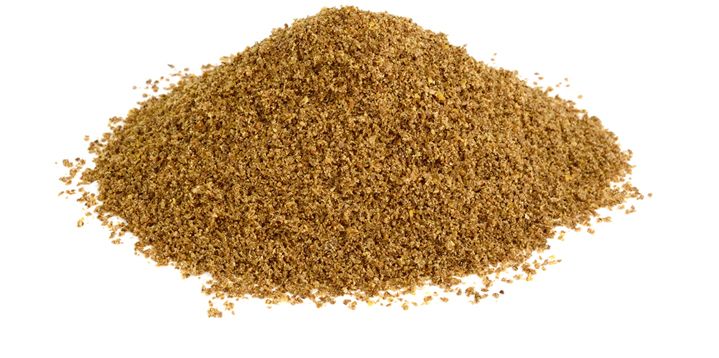
Flax eggs, made by combining flaxseed meal with water, are low in calories and rich in omega-3 fatty acids, in addition to being plant-based and gluten-free. Use them in cranberry quick bread, pancakes and chocolate chip cookies.
“Thanksgiving has always been the biggest holiday week for vegetables,” said DiMarzio. But, he added, vegetables are becoming even more in-demand around the holidays as “consumers are looking for more plant-based foods.”
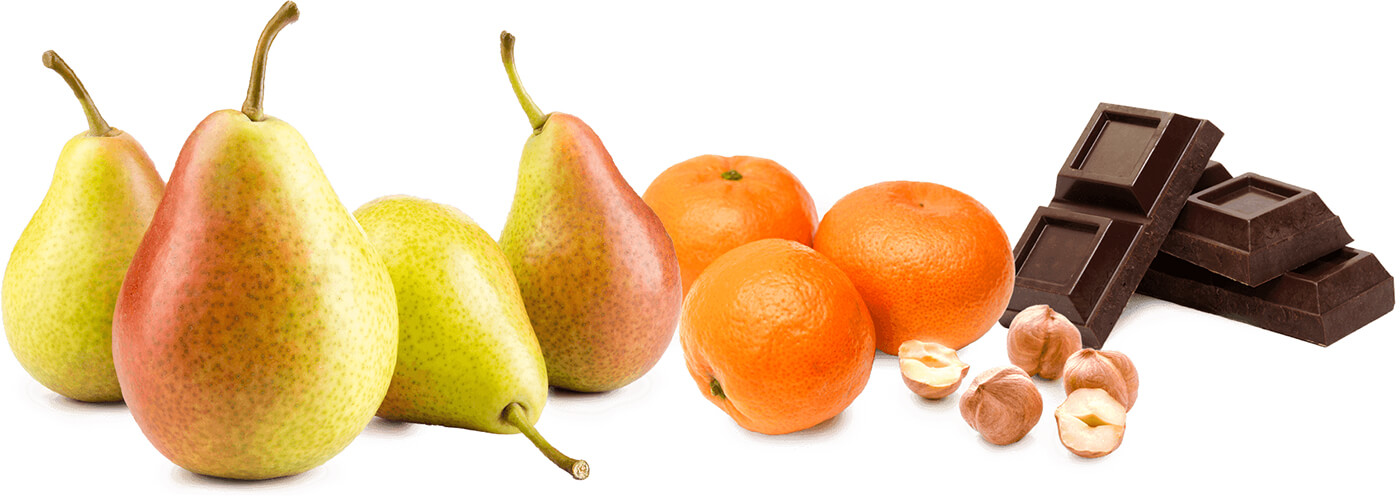
For a healthy but still decadent dessert option, Magee likes dipping fall and winter fruits, like pears and mandarin oranges, into antioxidant-rich dark chocolate and chopped nuts. And home cooks are adding puréed vegetables like beets, which are high in fiber and vitamin C, to dessert recipes to boost nutrition and add moisture and flavor. Puréed seasonal fruits, such as persimmons, can replace half the butter or oil in most baked goods, according to Magee.
choices have more to do with health now than they did
a decade ago.
Not everyone is willing to tinker with their favorite holiday treat, though. After all, for 80% of consumers, that one special dessert is what helps them get into the spirit of the season. For ingredient purists, Magee suggests serving smaller portions, like mini pies.
Ultimately, regardless of what approach people take to baking this holiday season, underneath their cravings for traditional desserts will be a longing for something familiar and comforting. And since so many people will be away from friends and family, people will need to adapt, according to Webster. “That could mean making something special that reminds them of home, even if they can’t be with loved ones.”