 n the 1960s, the average American family spent an hour a day eating dinner together. They would sit at the dining room table after the breadwinner returned from work, enjoying a meal that the homemaker prepared from scratch. It was a scene so well-known by the everyday person that it was immortalized in paintings and movies, television shows and songs.
Today, that scenario is less common, due in part to the changing definition of what makes a family. Beyond just the nuclear unit, families now include partners living together without kids, single parents, adult roommates, and unmarried couples with children, to name a few. That’s a much wider variety than existed in the era of the 60-minute dinner, when about three-quarters of U.S. children lived in households with two parents in their first marriage.
Today, that scenario is less common, due in part to the changing definition of what makes a family. Beyond just the nuclear unit, families now include partners living together without kids, single parents, adult roommates, and unmarried couples with children, to name a few. That’s a much wider variety than existed in the era of the 60-minute dinner, when about three-quarters of U.S. children lived in households with two parents in their first marriage.
People are also working longer hours than they used to. America is considered one of the most overworked countries in the world, and the average workday in the U.S. has increased by three hours since mid-March, when more people began working remotely due to the pandemic. This means sitting down to a home-cooked dinner every night isn’t realistic for most households, according to behavioral medicine clinician Jerica Berge. So today’s family meals need to be adaptable and personalized in order to accommodate the new, inclusive era of family structures and work schedules.
We’re really trying to bring flexibility [to family meals], because we know [they are] so protective.

Over 60% of U.S. grocery stores offer family meal solution programs, like recipe videos and grab-and-go dinners.
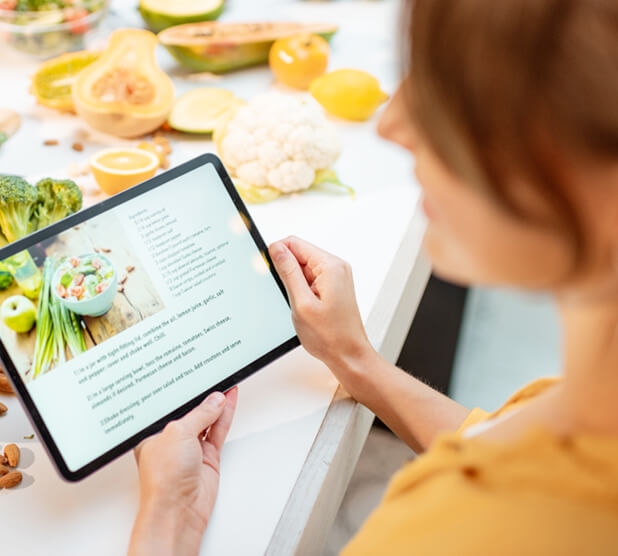
Over 60% of U.S. grocery stores offer family meal solution programs, like recipe videos and grab-and-go dinners.
“We’re really trying to bring flexibility [to family meals], because we know [they are] so protective,” Berge said—regular shared meals can, for instance, improve mental health, reduce obesity risk and boost physical health by encouraging fruit and vegetable consumption.
Grocery stores are playing an important role in modernizing family meals and making them achievable for all. Over 60% of U.S. grocery stores offer family meal solution programs, like recipe videos and grab-and-go dinners. And stores like Safeway are constantly talking to their customers about what they need—and thinking creatively about how to respond.
“We want to make sure that our customers are taken care of and [that] we’re giving them the very best options available,” said Angie Marshall, a deli sales manager for Safeway.
Rethinking the family meal
Even as Americans are increasingly open-minded about family structure—over the past decade, the share of people who said a family’s lifestyle “makes no difference” to them increased from 32 percent to 45 percent—attitudes toward family meals have not necessarily kept pace. For example, people tend to assume that meals must fit a certain mold (nightly dinner made from scratch) in order to really count, according to Berge. But that’s not the case.
Families can reap the benefits of shared meals, such as improved nutritional intake and obesity prevention, by eating together as little as two times a week, Berge said. And food doesn’t have to be fully homemade; serving a mix of fresh and premade items is just as effective, according to her research. Households—including adult roommates or partners without kids at home—can combine a frozen lasagna with a bagged salad for dinner, or store-bought granola with fresh fruit for breakfast, and still contribute to good health.
The combination of eating healthier items while sitting down together, with parents modeling healthy eating patterns for their kids, adds up to “one event that is pretty powerful,” Berge said. And that goes for everyone in the family. Berge's research has shown that “parents even eat better when they have family meals regularly, across race, ethnicity and socioeconomic status.”
The interactions that happen at the meal also matter. It's not just [about] the food.
Families can reap the benefits of shared meals, such as improved nutritional intake and obesity prevention, by eating together as little as two times a week.
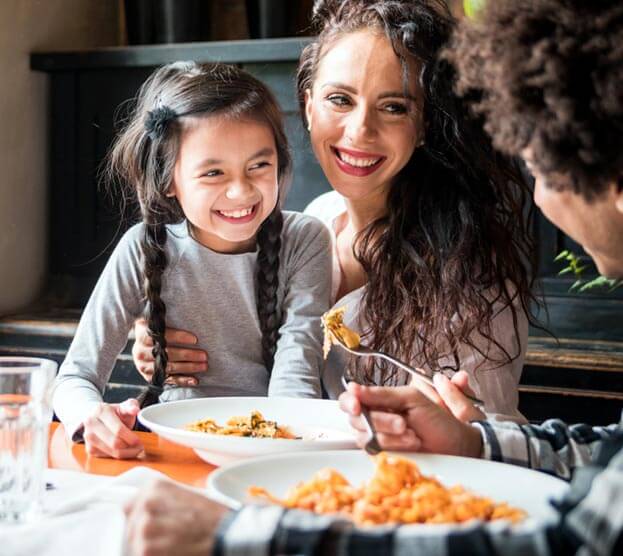
Families can reap the benefits of shared meals, such as improved nutritional intake and obesity prevention, by eating together as little as two times a week.
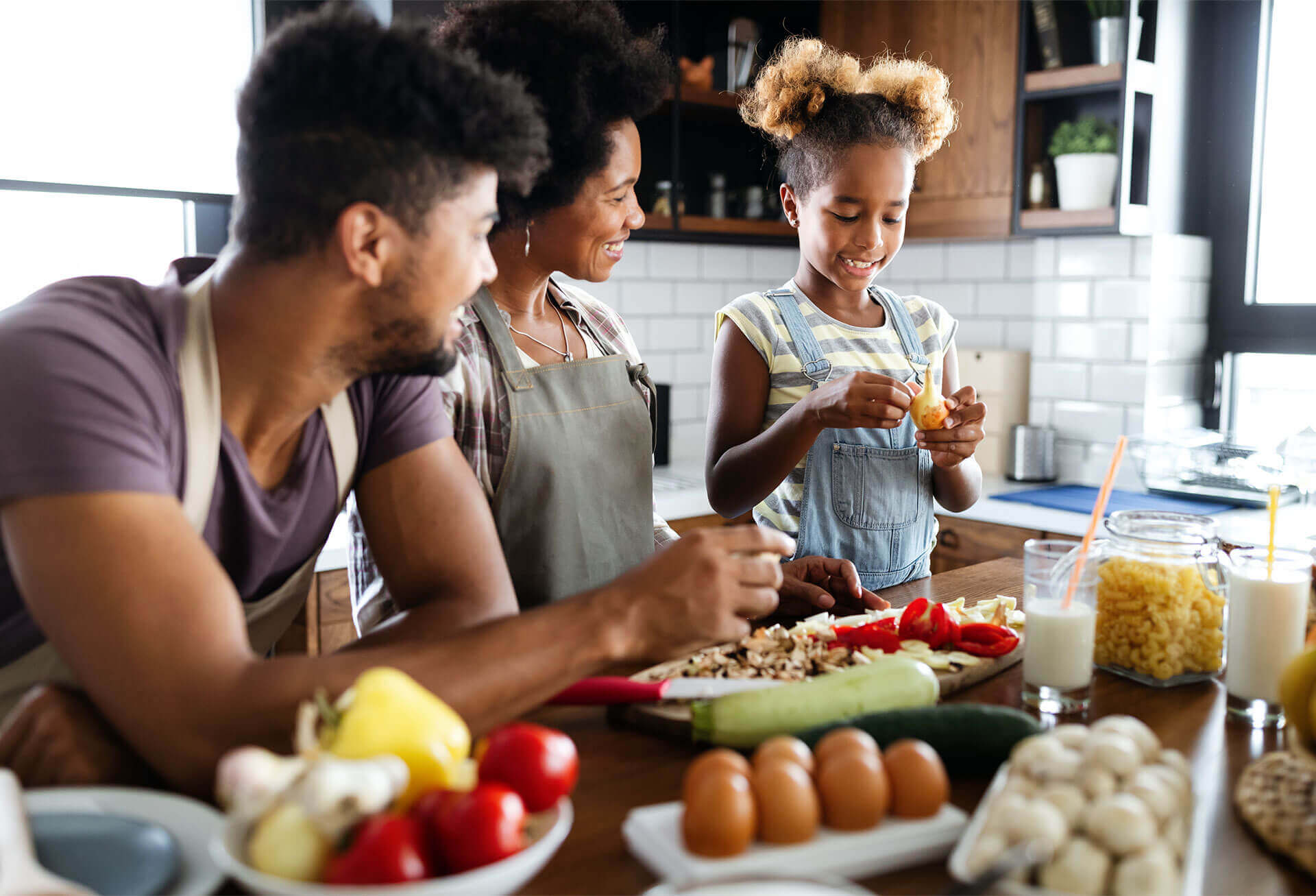
Moreover, research suggests that eating meals together allows for family bonding, in part by giving people the opportunity to share their troubles or simply talk about their day with parents, siblings or partners. Berge's research suggests that thinking through what to make for a meal, preparing it (no matter how simple the preparation) and eating together seems to encourage conversation at the table, as well.
“The interactions that happen at the meal also matter. It's not just [about] the food,” said Berge.
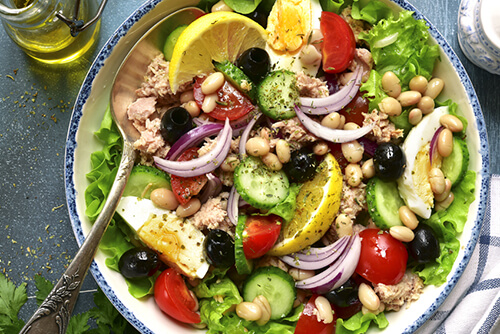
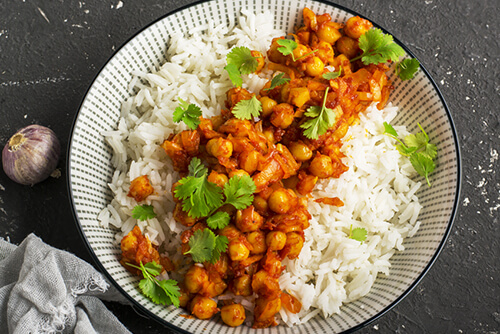
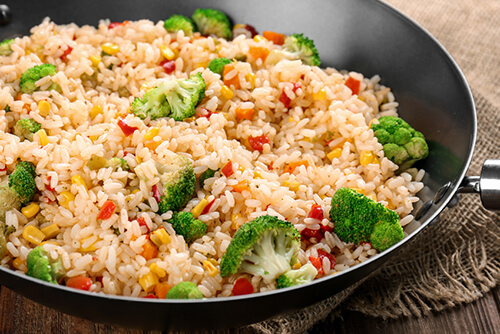
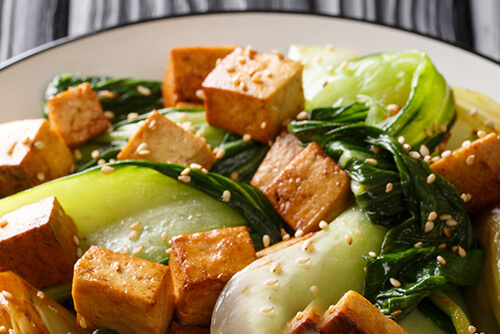
Recipe inspiration: Easy family meals
People don’t have as much time to prepare and eat food as they used to, but even the quickest meals can be tasty and nutritious. Registered dietitian nutritionist Maya Feller, of Brooklyn-based Maya Feller Nutrition, has ideas for uncomplicated, healthy dishes that help families make the most of however much time and help they have at home.


How grocery stores are simplifying meals for busy households
Convenience is key when it comes to family meals, because beyond work and other day-to-day obligations, the prospect of planning and cooking meals is stressful for many, according to Berge. She’s found that adults across various cultural backgrounds want to sit down and connect with their families, but stress is a “huge” barrier that gets in the way. To combat this, her lab has been developing ways to make easy, tasty meals more accessible for people whose schedules and financial circumstances make it difficult to prepare food, such as text updates with grocery store sales and easy recipes on days when people are especially busy and stressed.
Marshall can also vouch for the importance of convenience, which has long been a driver of purchases in the deli department. But what has changed over the past six months, with families adjusting to working and attending school remotely, are the types of products that qualify as “convenient.” Instead of buying premade sandwiches, customers have been stocking up on lunch meats, so they can easily make their own sandwiches at home. And a new crop of “home chefs” are driving sales of specialty cheeses for use in recipes. Marshall expects these trends to continue throughout the fall, as families prepare for the possibility of eating lunch in front of their computers at home, instead of in school cafeterias and offices.
“There’s going to be more prepared items coming out of kitchens at home versus [people] coming to the store, buying a sandwich and putting that in a lunch bag,” Marshall said.
There’s going to be more prepared items coming out of kitchens at home versus [people] coming to the store, buying a sandwich and putting that in a lunch bag.
Carving out a little time to share a meal can provide some much- needed constancy and stability.
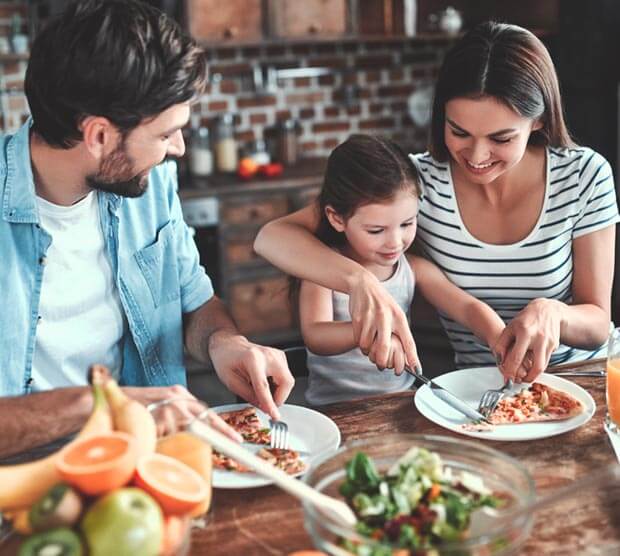
Carving out a little time to share a meal can provide some much- needed constancy and stability.
Safeway’s deli section has expanded its selection of fresh sliced meat and cheese packs that make it easier for busy families to whip up lunch. And people who need a hand with dinner can take advantage of the store’s new array of grab-and-go meals, ranging from traditional spaghetti and meatballs to shrimp and lemon-butter sauce.
“When our customers don’t have the time to [cook] and they’re trying to do a lot of things, we still want quality meals available,” said Marshall.
The kernel of family meals—what makes them perennially relevant, despite all of the changes to family structure over the past several decades—is the way they allow people to check in with each other. This fall, regardless of what life looks like for families across the U.S., carving out a little time to share a meal can provide some much-needed constancy and stability. And even the simplest preparation (a hastily chopped salad, turkey sandwiches or a bowl of cereal) can become something to look forward to.