Why the AI boom is boosting lithium demand
By Ivan Castano, for CME Group
May 14, 2026
Text size
Display theme
Our pages are responsive to your system settings and browser extensions for optimal experience
0:00/0:00
Why the AI boom is boosting lithium demand
Voice is AI-generated. Inconsistencies may occur.
At a Glance:
- AI data centers are driving demand for energy storage systems running on lithium batteries.
- As prices recover, new supply projects are emerging from Africa to Argentina.
The burgeoning AI market is boosting lithium demand. Last year, data centers powering chatbots and other applications drove a staggering rise for lithium-iron phosphate batteries, which help provide the stable energy supply these facilities require.
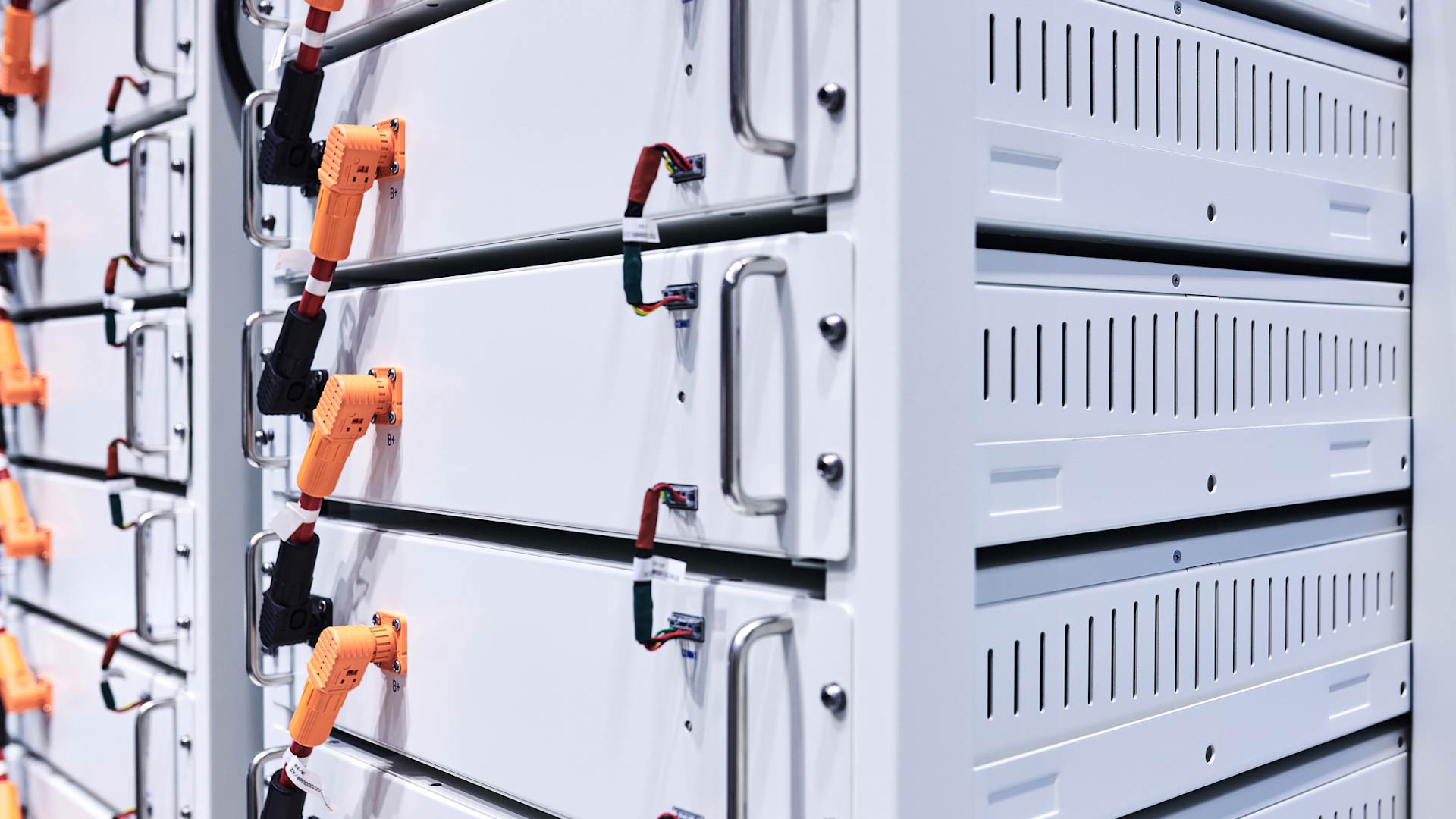
These batteries, which are much larger than their lithium-ion counterparts used in electric vehicles (EVs), power so-called Battery Energy Storage Systems (BESS). These power stations are quickly dotting the U.S. and other parts of the world.
BESSs capture energy from renewable sources such as wind and solar panels, or from the electricity grid, storing it using rechargeable batteries. They then release this load during peak demand periods, power outages or grid balancing. This provides a reliable and uninterrupted source for data centers, whose massive energy consumption means they are exposed to costly power spikes, especially during large language model (LLM) training.
BESSs also allow solar energy providers to offset losses stemming from variable (or intermittent) generation. Solar output is highest during the day when the sun is strongest but lacking at night. By storing excess production during peak sunshine hours, those providers can sell during the evening, enjoying a steady revenue stream.
Amid this backdrop, lithium demand for energy storage facilities is growing at a faster rate than EV-driven demand. Last year, BESS demand surged 51 percent compared to 26 percent for EVs, though EVs continue to account for about 75 percent of global battery demand, according to researcher Benchmark Minerals Intelligence.
Supply deficit
These factors are contributing to a market shift from an oversupply/lower price cycle to a low supply/higher price one, lifting prices out of a three-year slump.
Lithium prices surged 120 percent in the past six months, changing hands at roughly $20,000 a ton in late February from $9,000 a ton in August of last year when the world’s leading battery market, China’s CATL, suspended operations in its key Jianxiawo mine due to licensing issues.
Underscoring lithium’s volatile nature, prices had a flash surge in January, surging 46 percent due to insufficient inventories heading into the Chinese New Year.
“The market is looking pretty strong,” said Andy Leyland, founder of industry researcher SC Insights, adding that in 2026, demand could grow 24 percent while supply could expand by just 19 percent. “We expect the market to get tighter in the next two to three years,” he added.
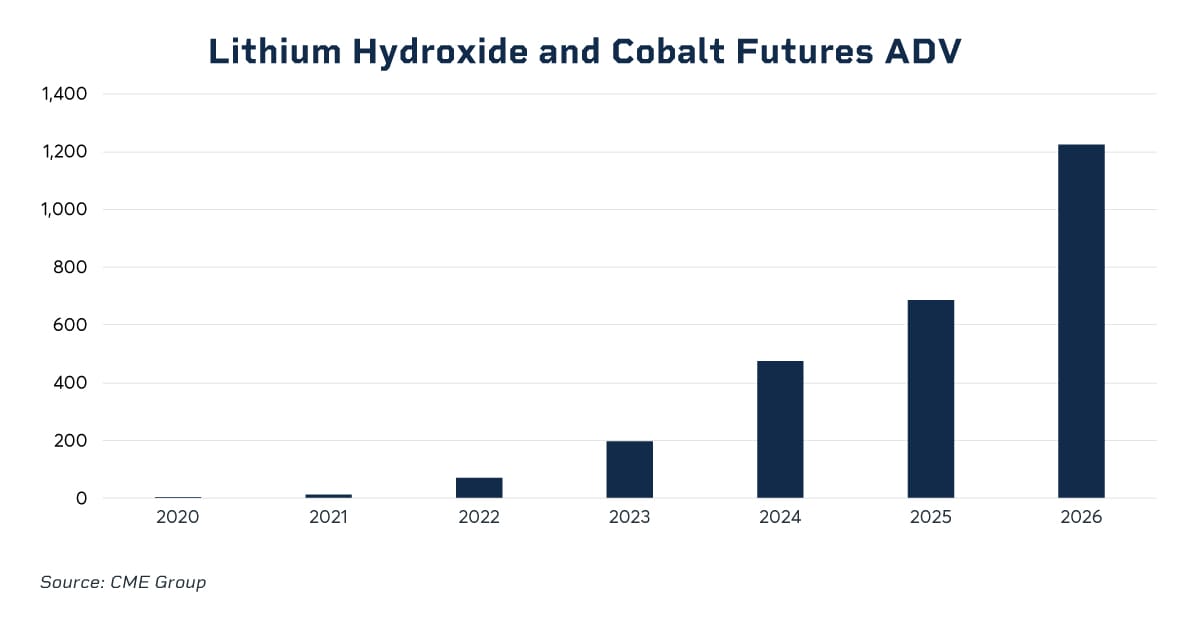
This momentum is being reflected in futures market activity, with more market participants turning to CME Group Lithium futures as their preferred risk management tool. From supply disruptions to the EV industry’s shift toward hedging long-term purchasing schedules, there’s an increased need to manage fluctuating price risk.
Energy storage to double
As AI hyperscalers such as Amazon and Google rush to build data centers, energy storage capacity is expected to exceed 100GW this year and double to 200GW over the coming decade, according to BloombergNEF analysts. This will be helped by falling equipment prices, which are less than a third of what they were three years ago, they added.
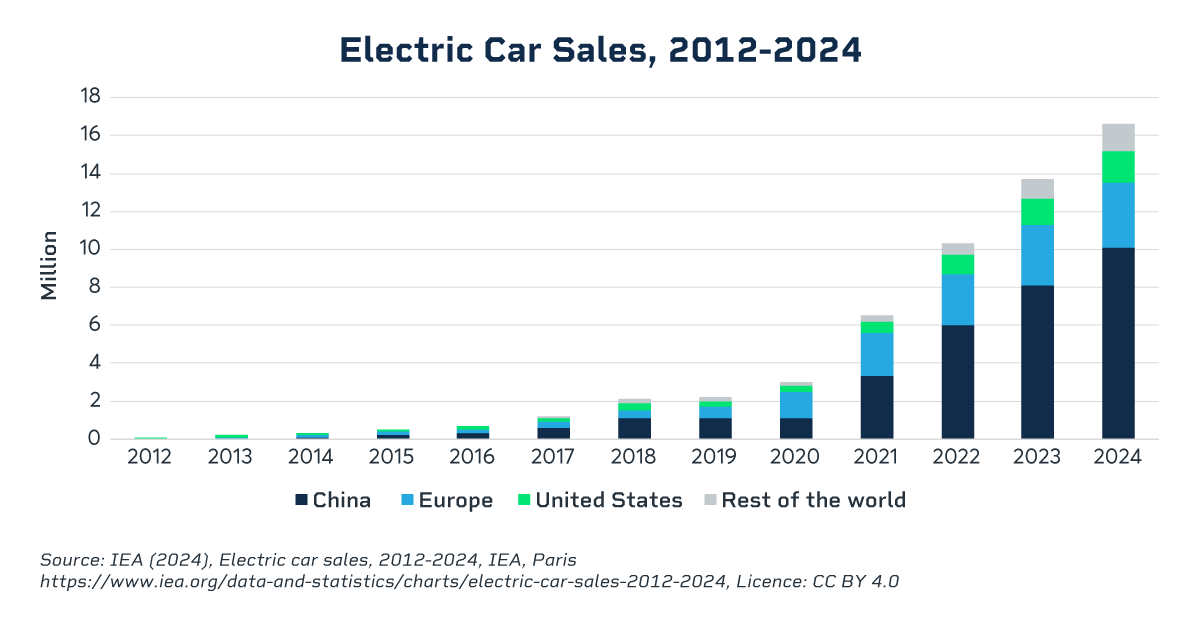
While EV demand has been slowing around the world, Leyland expects it to bounce back this year, rising 16 percent compared to a 14 percent gain in 2025. This is despite the U.S. government’s decision to cease purchasing incentives under the Inflation Reduction Act (IRA).
“Outside the U.S., everyone is still buying EVs. They are coming to more markets in Southeast Asia and South America and we expect more rapid growth as new models arrive there.”
– Andy Leyland, Founder of SC Insights
African expansion
In terms of supply, lithium producers are rushing to open new mining sites in Africa, which is quickly becoming a new supply hub for the white metal.
New output from the continent exceeded that of the rest of the world in 2025, Benchmark analysts noted, with the bulk of the supply stemming from Zimbabwe and Mali, though it also rose sharply in South Africa and Nigeria.
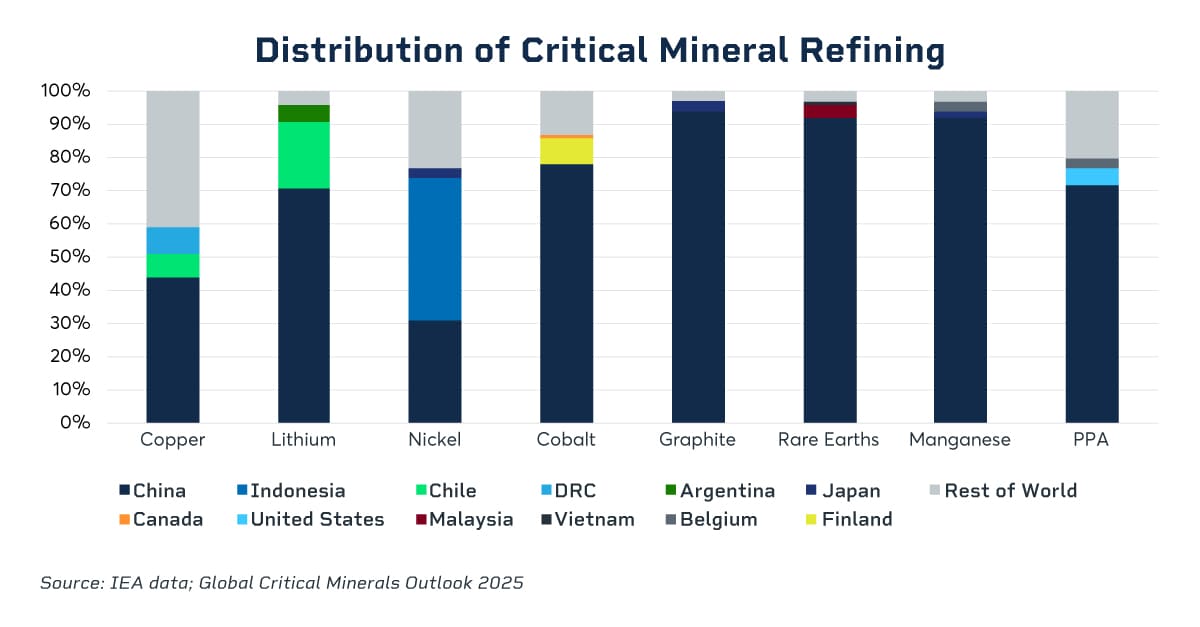
China is funding the expansion to secure feedstock for its battery production chain, the world’s largest and biggest lithium consumer.
Zimbabwe’s largely Chinese-backed Arcadia, Bikita and Kamatvi mines led a 30 percent jump in spodumene concentrate (raw lithium from rock deposits) exports in the first half of last year. Meanwhile, Mali has launched the Goulamina and Bougoni mines and is now reportedly Africa’s number two producer.
This is boosting Africa’s role in the lithium supply chain, challenging Argentina and the South American Lithium Triangle that also encompasses Chile and Bolivia.
For now, Argentina is expected to see the world’s biggest expansion with plans to double output to 250,000 tons by 2029. Buenos Aires also intends to triple lithium exports to exceed $7 billion by that time, potentially becoming the world’s second or third largest producer, analysts said. Currently, Australia is the world’s largest producer, followed by China and Chile.
Smackover in the spotlight
Not to be outdone, the U.S. is also accelerating its lithium push as it seeks to end its reliance on Chinese batteries.
The Smackover formation is taking center stage in this regard, adding to efforts to ramp up production in Nevada, where the Thacker Pass mine is working to start output from lithium clay in late 2027.
The region straddling Arkansas to Florida has attracted big investments from oil companies that were drilling in the area and discovered it also contains ample lithium brine (salt water) deposits.
ExxonMobil is leading the charge, investing up to $20 billion to advance its lower-emission investments — like its lithium infrastructure — with the aim to supply 1 million EVs annually starting in 2030. Moreover, Canada’s Standard Lithium and Equinor have teamed to invest $1.5 billion to produce 22,500 tons per year in 2028.
China, battery tech to hit prices
Some aren’t convinced the market will remain bullish as they see demand headwinds from Chinese competition and improved battery technology.
“There is huge competition to improve batteries [such as extending their operational life] and China has the best proposals to do this,” said Gonzalo Mondaca, a Bolivian lithium expert.
China is also working to elevate production from its lepidolite [pegmatite rock minerals that come in rose and lilac colors in Jiangxi Province to take on Australia.
“China is working to raise its industrial capacity and has a big lithium stock they can draw on if needed.”
– Gonzalo Mondaca, Bolivian lithium expert
“China is working to raise its industrial capacity and has a big lithium stock they can draw on if needed,” noted Mondaca, adding that this could lower its purchases from the likes of Zimbabwe or the Lithium Triangle.
Kyle Gordon, a battery consultant with Roland Berger, expects the removal of U.S. EV incentives and Europe’s recent decision to end its ICE (internal combustion engine) vehicle ban by 2030 (favoring hybrid or plug-in vehicles) could hurt lithium uptake, depressing prices.
He forecast prices will come down sharply, edging closer to the $17,000 level that could make global lithium supply expansions unfeasible.
CME Group futures are not suitable for all investors and involve the risk of loss. Full disclaimer. Copyright © 2026 CME Group Inc.
CONTENT FROM

The content is paid for and supplied by advertiser. The Washington Post was not involved in the creation of this content.