Challenging GVHD head on
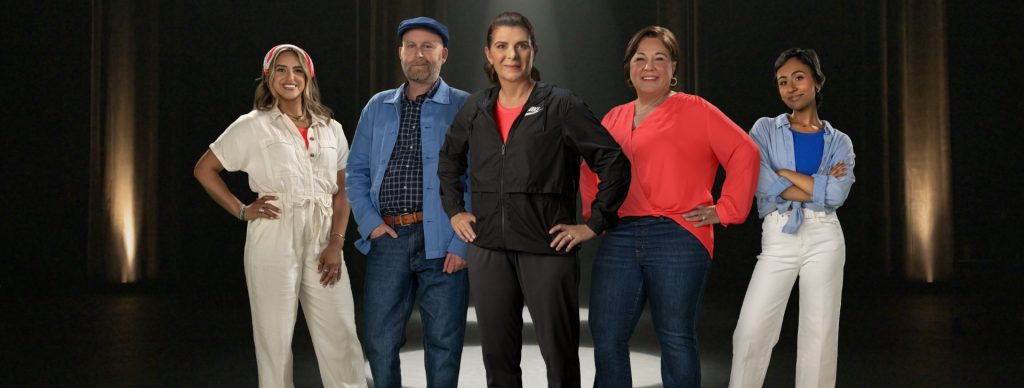
People with graft-versus-host disease tackle the realities of living with a chronic disease every day.
By Mia Hamm
November 18, 2024
We all face tough opponents in life. I’ve contended with quite a few myself – and not just on the soccer field. Confronting these challenges requires resilience, determination and a team you can trust. This is especially true for people living with graft-versus-host disease (GVHD), a life-threatening and potentially chronic condition that occurs when donor cells attack the recipient’s organs and tissues after a bone marrow transplant.
I know firsthand the challenges that may come following a bone marrow transplant, as I lost my brother over 25 years ago to complications related to his transplant. Now my focus is on encouraging others to register as bone marrow donors and urging those post-transplant to watch out for signs and symptoms of GVHD.
People living with GVHD face a particularly difficult situation. They’ve already had to manage a devastating disease, such as cancer, only to receive this additional, potentially life-altering diagnosis. GVHD symptoms may be difficult to spot but can quickly worsen and cause irreversible organ damage. However, early action could help prevent long-term consequences. That’s why I’ve teamed up with the GVHD Challengers – a group of people with firsthand experience navigating life with this difficult condition. Their goal is to raise awareness of the signs and symptoms of GVHD and encourage those living with it to take action at the first sign of new or changing symptoms.
Hearing the stories of the GVHD Challengers inspires me. Their ability to keep fighting against this serious disease makes me realize that they deserve as much recognition for their achievements as sports heroes do.
Meet the GVHD Challengers
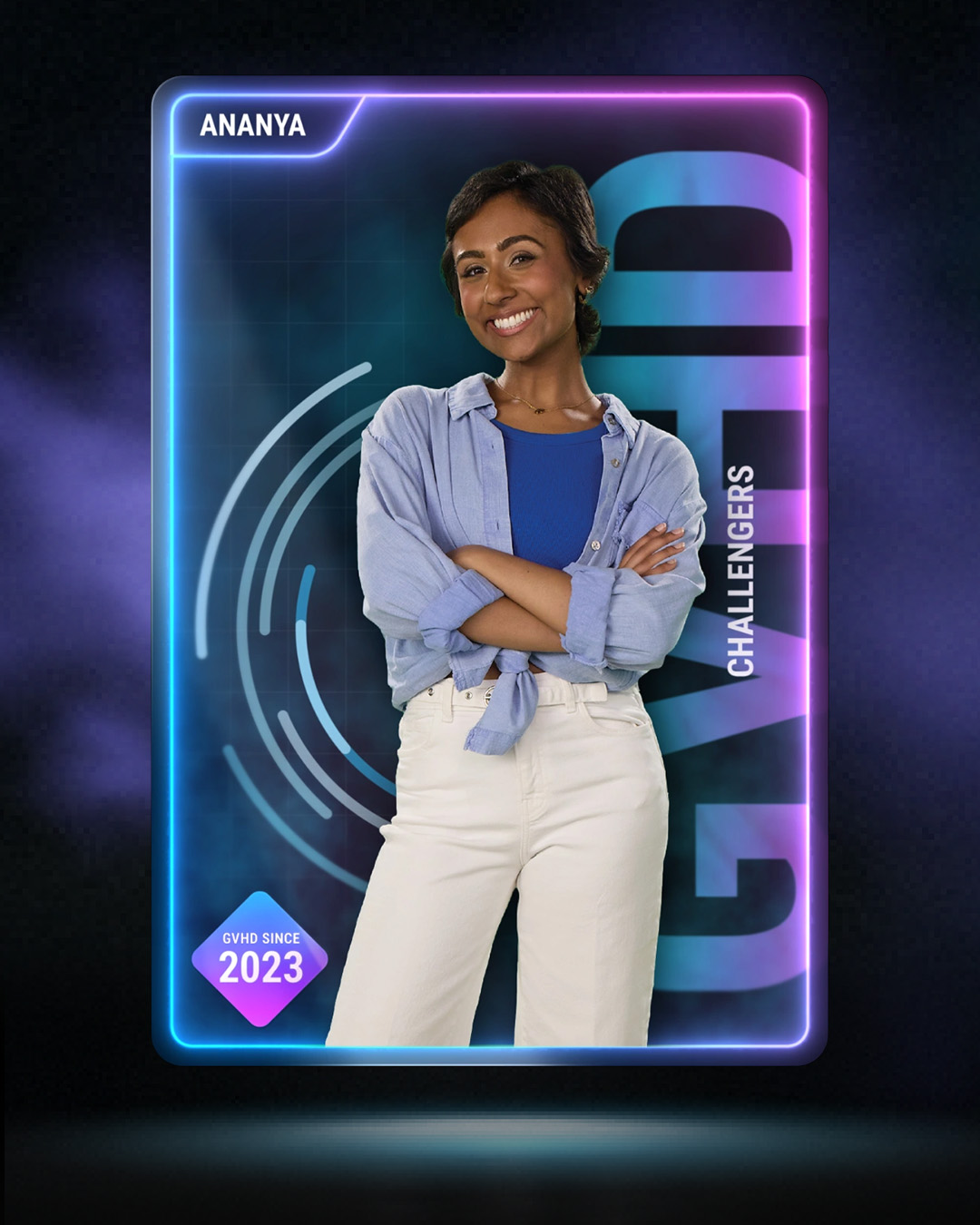
Ananya was enjoying her first year out of college teaching high school students until her life took a turn due to a cancer diagnosis and subsequent GVHD. Luckily, Ananya was quick to let her healthcare team know about her nausea, abdominal pain and digestive issues following her transplant, which led to a GVHD diagnosis before symptoms could worsen. Support from her brother, who served as her donor, and her students has been vital throughout her journey.
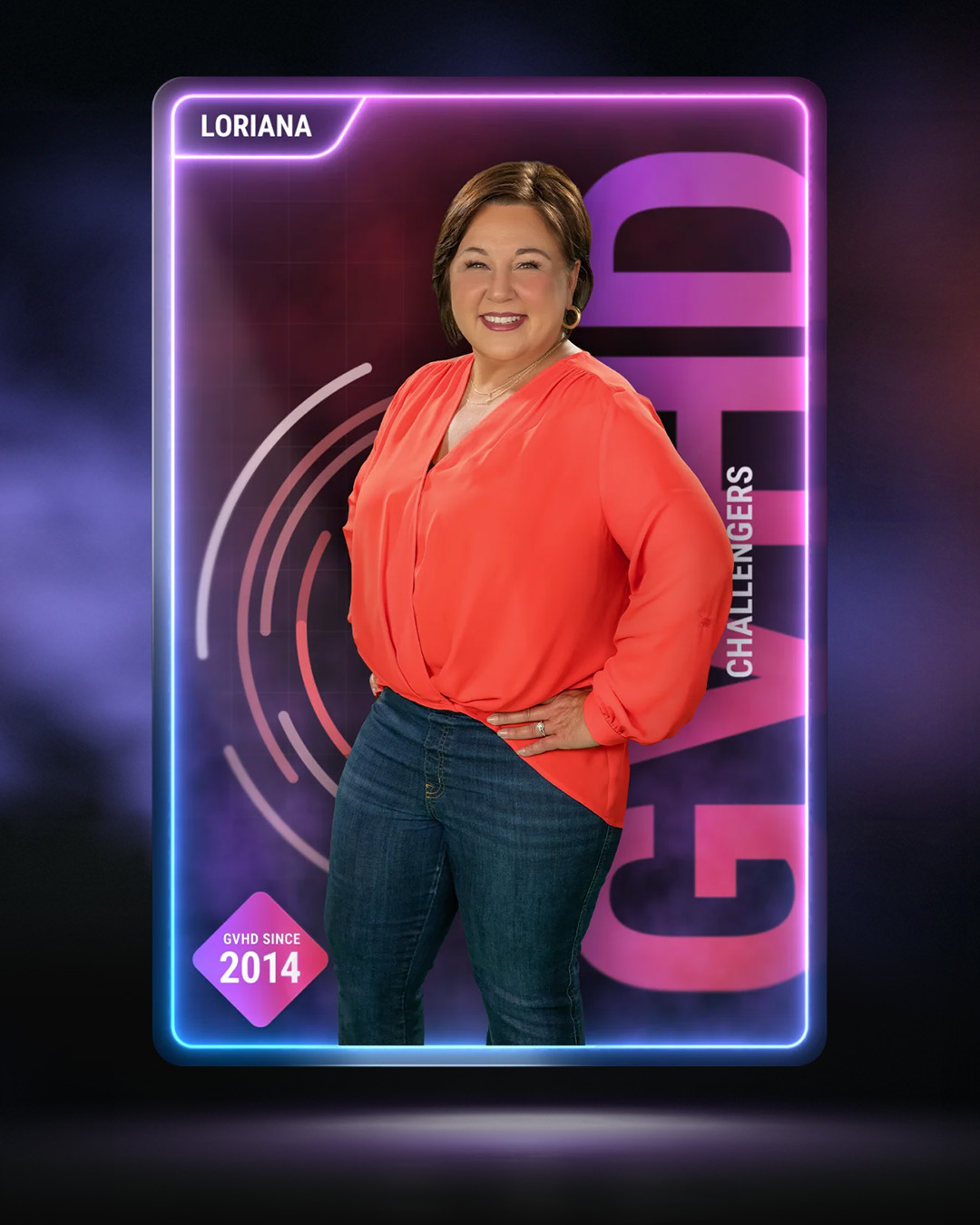
Then there’s Loriana, who has faced two bouts of cancer, a GVHD diagnosis and has been through more than most people can imagine. Her son was only two years old when she was diagnosed with leukemia. Soon after receiving her bone marrow transplant, she experienced rashes and extreme stomach issues, which were eventually diagnosed as GVHD. Now, she uses her knowledge to help others be their best health advocate. She got through some tough times thanks to a dedicated healthcare team and her biggest fans, her son and husband.
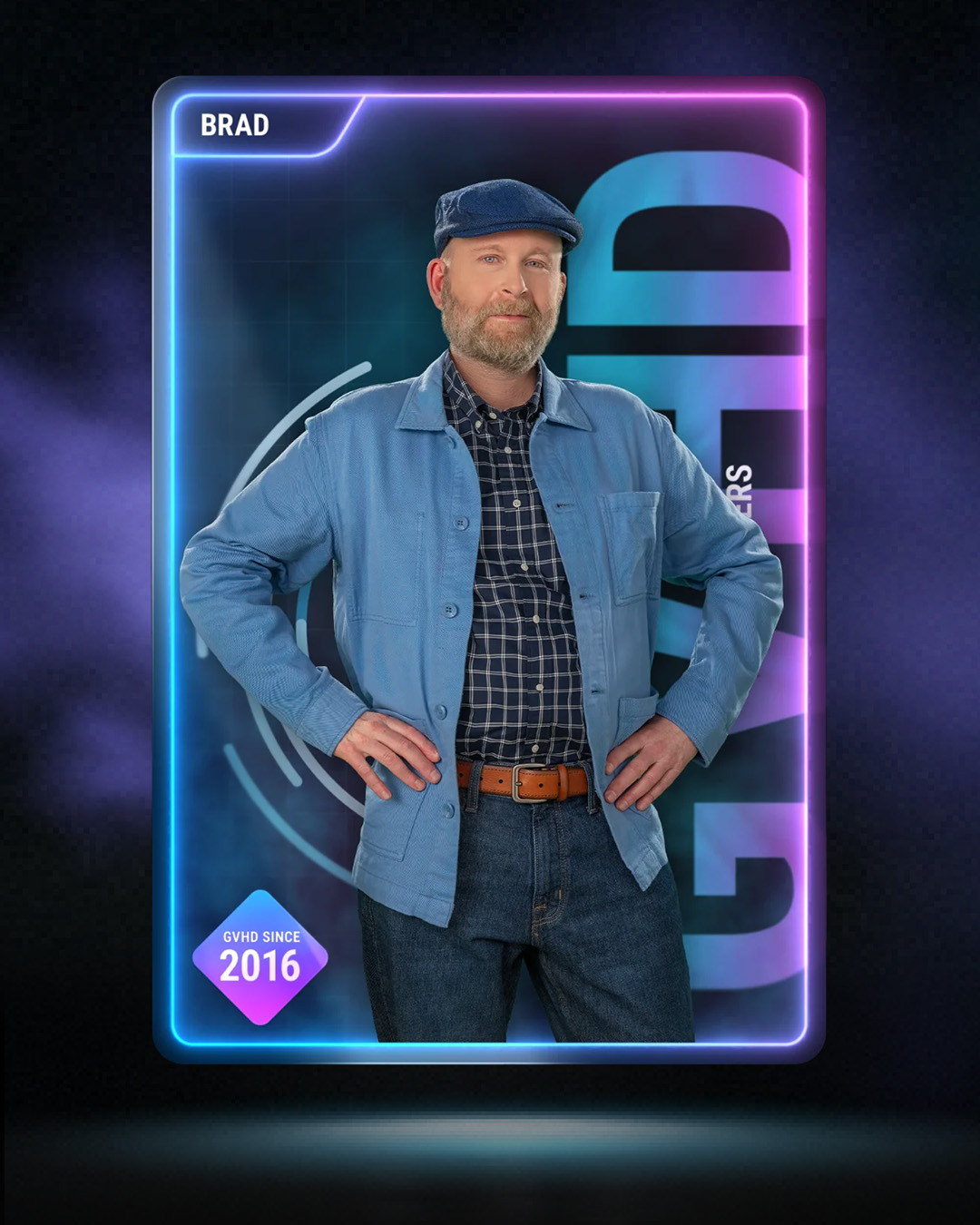
Our next GVHD Challenger, Brad, is a dedicated father and writer. He describes himself as a passionate survivor because he faced a very rare form of T-cell non-Hodgkin’s lymphoma, as well as eight years of GVHD. The first noticeable GVHD symptoms he experienced were severe gut and skin irritation, alongside pain in his eyes that developed into temporary blindness. The situation was tough for Brad until doctors were able to diagnose and treat his GVHD. He was able to persevere with the support of his daughters, who served as his inspiration to never give up. He wants to remind others going through GVHD that knowledge is key to overcoming the symptoms of this disease.
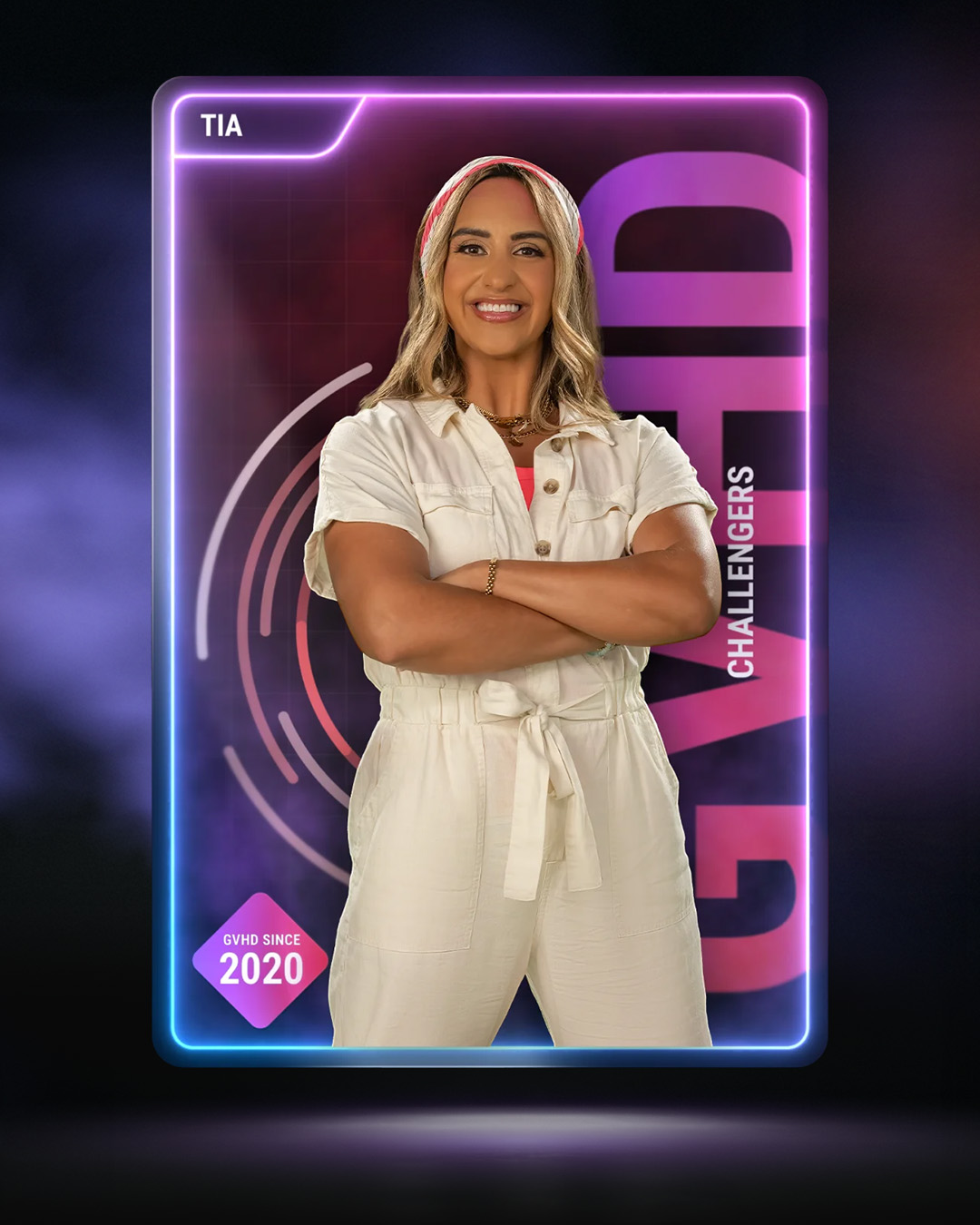
Finally, there’s Tia. It’s hard to describe her amazing energy as a mother, a dancer and a GVHD Challenger. She has also faced cancer and was diagnosed with GVHD when there was noticeable skin thickening on her face and body after her bone marrow transplant. This hasn’t dimmed her determination to show her children that despite the setbacks, life is still something to enjoy every chance you have. Tia spreads this positivity to her social media followers and reminds anyone going through GVHD how important it is to lean on your team for support.
Tackling GVHD takes everything you’ve got
It’s important to remain diligent like the GVHD Challengers when it comes to monitoring GVHD symptoms. Be sure to talk to your healthcare team as soon as you notice any new or changing symptoms, as this could be a sign your GVHD is progressing. Early action may prevent long-term consequences.
Through my roles as an athlete and health advocate, I’ve seen firsthand how powerful and enduring the human spirit can be. I hope you’ll join me in recognizing the resilience and determination of the GVHD Challengers.
Learn more about GVHD and the GVHD Challengers’ stories at gvhdnow.com/fans.
© 2024, Incyte. MAT-HEM-04105 10/24
See how Mia Hamm rallies behind the GVHD Challengers as they monitor their symptoms.
The content is paid for and supplied by advertiser. The Washington Post was not involved in the creation of this content.
Content From