The untold story of cattle and carbon sequestration
Cattle ranchers across the United States strive toward sustainability, improving their ecosystems and sequestering carbon along the way.
By National Cattlemen’s Beef Association, a contractor to the Beef Checkoff
October 14, 2024
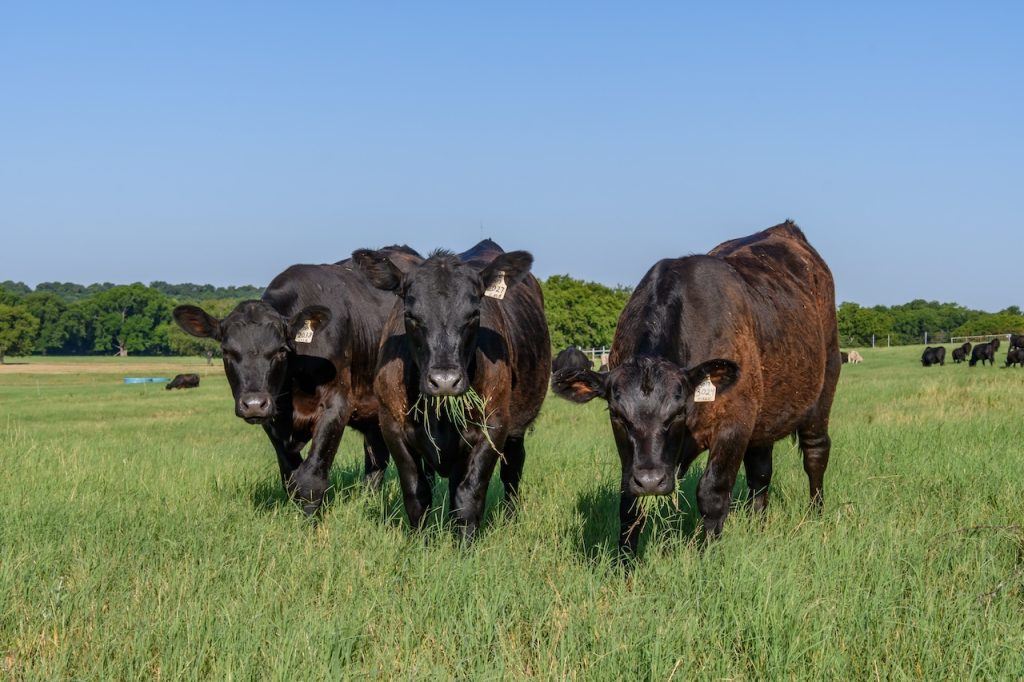
For American cattle farmers and ranchers, sustainability is not a new concept — it is an essential part of their livelihood. While it is inarguable that cattle emit methane throughout their life cycle, responsible for two percent of greenhouse gas emissions in the U.S.1, cattle also sequester carbon and protect carbon storage through their natural grazing on pastureland.
Cattle, and similar animals like bison, have been grazing land and providing food for humans for centuries. The methane they release is part of what’s called “the carbon cycle.” As cattle eat plants and release methane, they also regenerate the soil with their hooves, encouraging new plants to grow, which, in turn, absorbs carbon.2
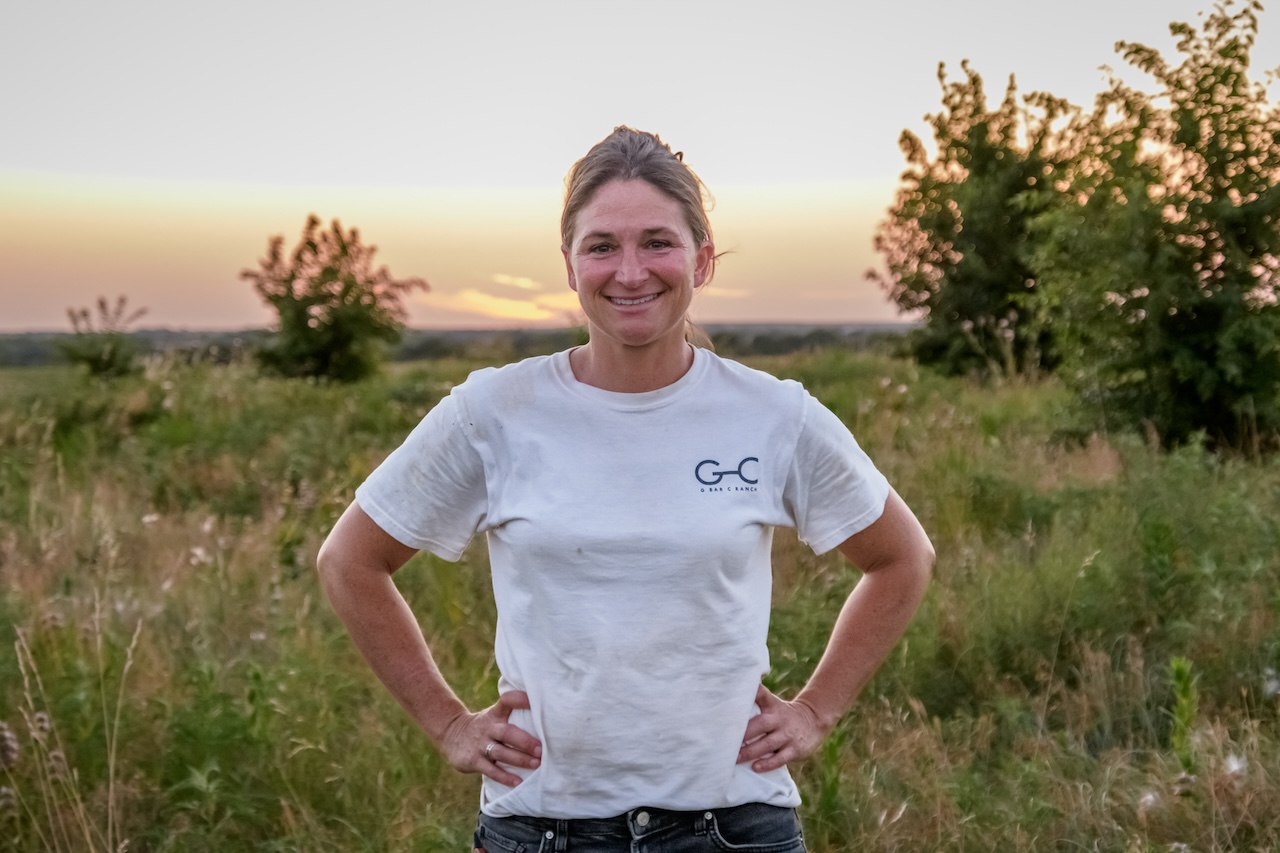
For many cattle ranchers, this is a benefit of their craft and livelihood. “I wouldn’t be a rancher if I wasn’t a carbon sink,” says cattle rancher Meredith Ellis of G Bar C Ranch in Rosston, Texas, just outside of the Dallas-Fort Worth metropolitan area. “I do it for my 9-year-old’s future. This is something that is very serious to me, and I wouldn’t be doing this if I wasn’t doing a good job.” In fact, U.S. grazing lands that cattle maintain as open space are crucial for carbon sequestration, as they are estimated to contain 10 to 30 percent of the carbon stored in soil.3
G Bar C Ranch had their carbon sequestration measured by a third-party pilot project, and what they found was encouraging. Initial data modeling suggests that on their land alone, Ellis’s family and their cattle sequester a net 2,500 tons of carbon dioxide a year — the equivalent of taking 551 cars off the road annually — making the ranch, according to Ellis, carbon positive. U.S. grazing and grasslands utilized by the beef industry are responsible for storing the equivalent of taking approximately 6 billion cars off the road each year.4
Ellis and her family are not alone in their efforts. The May Ranch in Lamar, Colorado, participates in their own carbon monitoring programs, partnering with three different conservation organizations and research universities from across the U.S. to measure their warming impact and carbon storage.
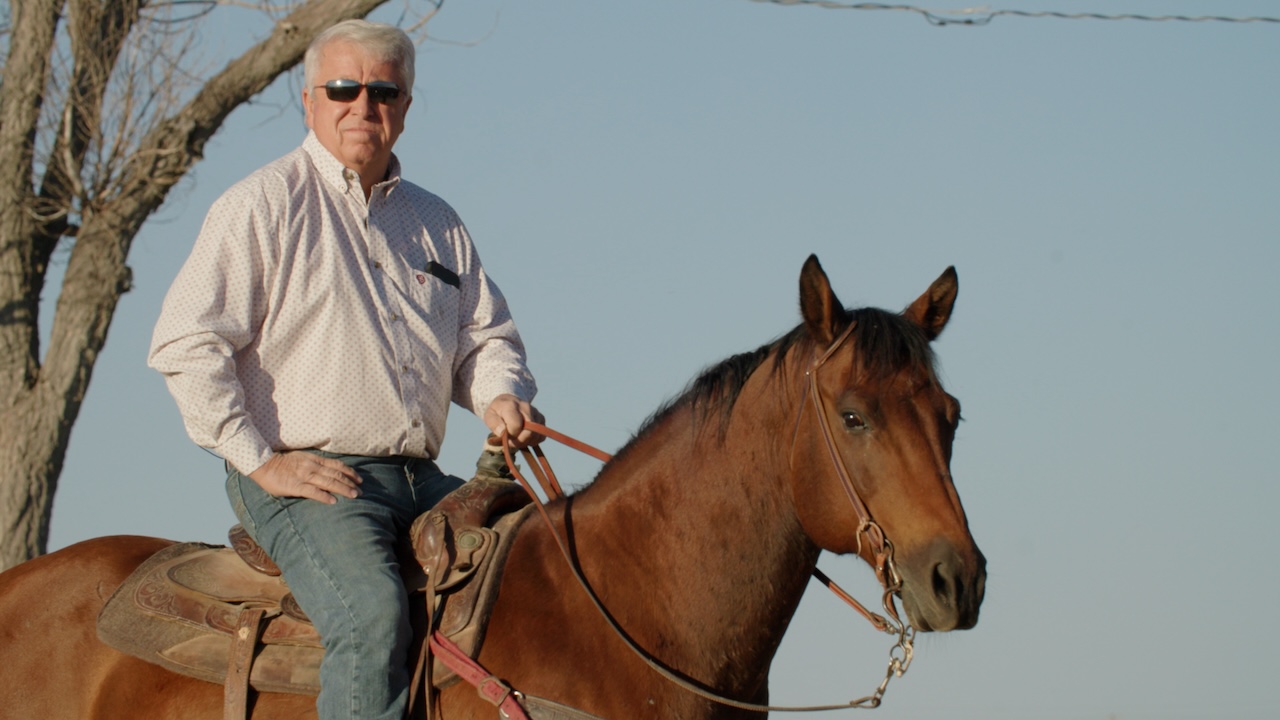
“Every day of my life, I am outside in the climate. I take great note of the climate, and my family’s business is controlled by the climatic conditions that we experience,” says Dallas May. He believes that were it not for raising cattle, the family’s ranch would have been developed long ago, which would have released the stored carbon back into the atmosphere.
According to both Ellis and May, carbon is just a piece of the sustainability puzzle, and their ranches are a testament to the interconnectedness of every element of an ecosystem. They believe that a holistic view of their ecosystems shows the importance of their work, citing abundant wildlife, thriving native plants and healthy water systems as signs of their success storing carbon.
Visiting G Bar C Ranch is like stepping into a botanical garden, teeming with plant and animal life. Ellis says achieving this level of biodiversity is more about following key land management principles rather than specific practices. The ranch is a robust biological system at work that requires daily agility around its changing needs.
More than 660 native species call G Bar C home, including threatened and endangered species, and the ranch contains what Ellis calls one of the last remaining pristine watersheds in Texas. Ellis says that without her cattle’s presence, her land would be overgrown with invasive plants, preventing the hundreds of native plants and animals from thriving. “When we achieve symbiosis, it is a net benefit, and it cannot be achieved without cattle. I have biodiversity assessments to prove it,” she says.
Similarly, the May Ranch overflows with life. A recent survey by a botanic garden in Colorado recorded over 340 species of plants on the ranch, with 85 percent of them being native. The ranch is also home to an abundance of wildlife, drawing in groups from around the country to observe its many birds and animals.
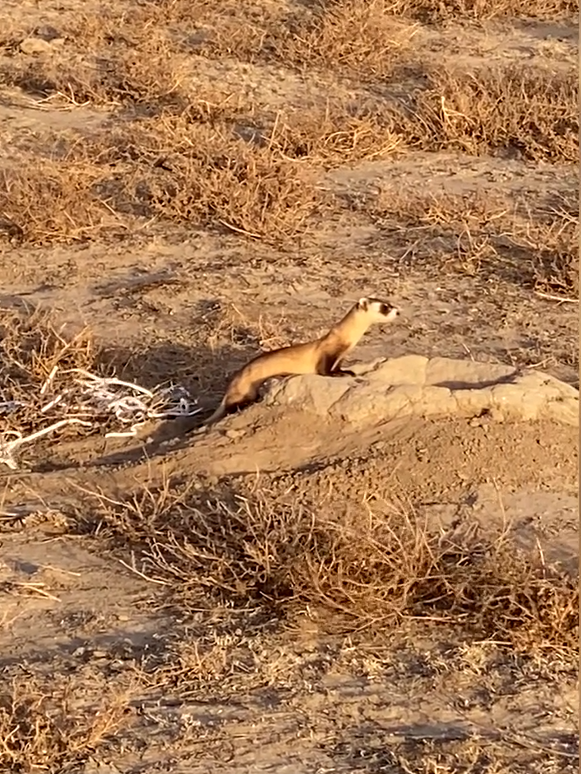
In the fall of 2021, the May family released the endangered black-footed ferret onto their ranch as part of a reintroduction effort in concert with Colorado Parks and Wildlife. Middle-school students from around the county visit the ranch during ferret releases to learn about endangered species and received hands-on training about the importance of ecosystem services. The many sustainability projects on their ranch are facilitated and enhanced by their cattle grazing. “Cattle being on this ranch has kept the ranch as it is so that we can have wildlife refuge and native plants. Cattle are not a detriment; they are a benefit,” says May.
For May and Ellis, their mission to maintain the ecosystems on their land is personal. Both cattle ranchers come from families with rich histories on their land. They strive to further their families’ long-time records of land management as well as preserve their ranches for future generations. When asked about the greatest impact she can have on the future of sustainability, Ellis says that is to use her cattle as a positive tool. “I realized that if I really wanted to have an impact on this world, I needed to come back and continue my dad’s legacy of cattle ranching.”
1
Environmental Protection Agency
2
University of California Davis
3
Silveira, et al
4
Greenhouse Gas Equivalencies Calculator
5
A Sustained Assessment Report
The content is paid for and supplied by advertiser. The Washington Post was not involved in the creation of this content.
Content From