Make the most of your meal with beef
By National Cattlemen’s Beef Association, a contractor to the Beef Checkoff
The Internet is flooded with trendy diets and conflicting advice defining a healthy diet. The conversation has expanded beyond nutrition to consider whether the foods in a diet are not only healthy but also sustainable, often leaving people confused about what is “good” and “bad” to eat. To help cut through the confusion about what contributes to a healthy sustainable diet, use science and research to build a strong foundation to impact choices at the meat case and on the menu.
A culinary classic for a variety of needs
Beef has long held a central place in global cuisine, enjoyed for its flavor and adaptability. Beef lends itself to a large variety of dishes, from comforting classics like meatloaf and pot roast to globally inspired meals such as Korean bulgogi or Mexican tamales. Its culinary agility is matched by its nutritional value.
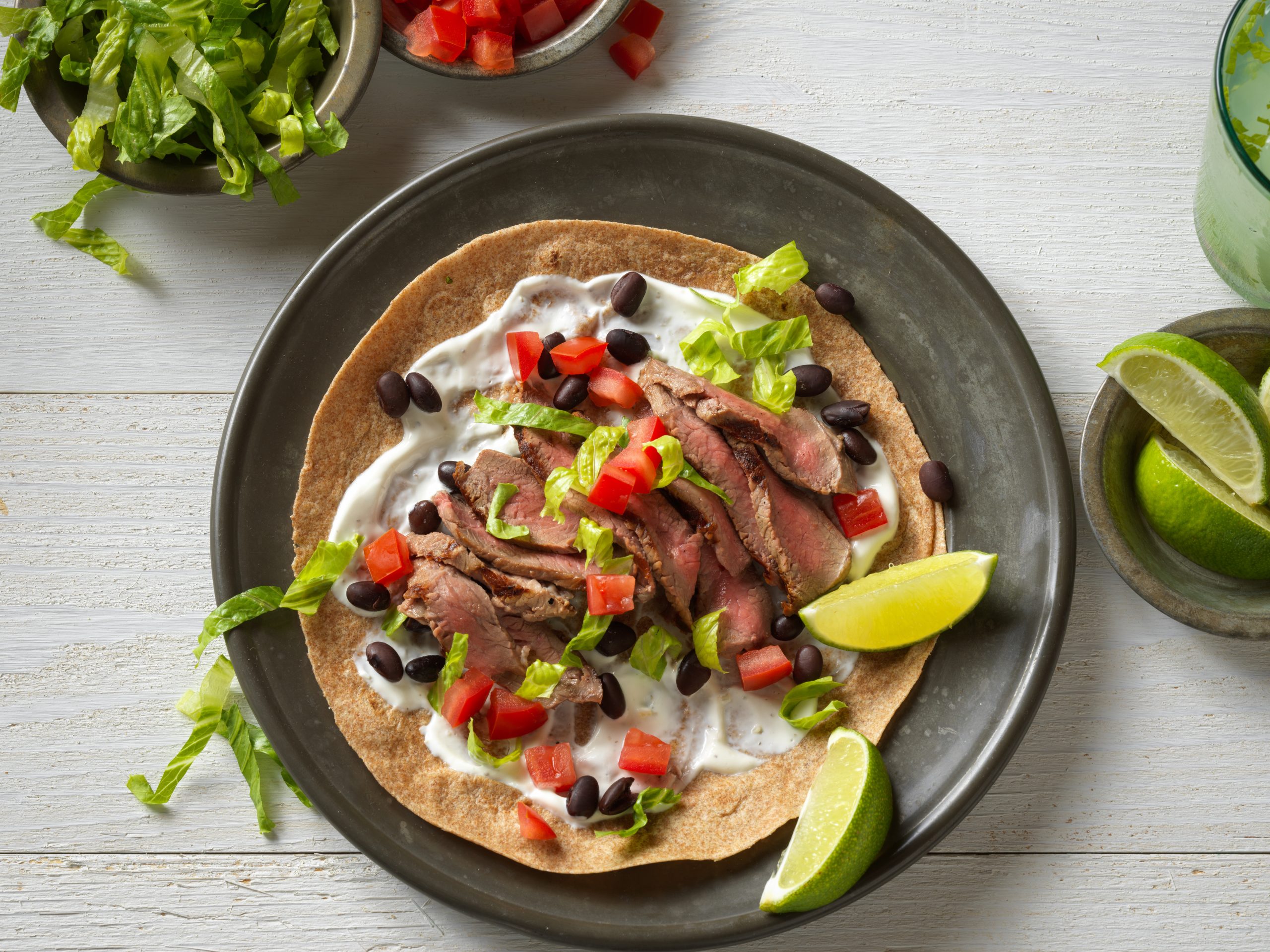
Beef’s versatility makes it a great choice for a wide range of meals and budgets. There are countless ways to enjoy beef without spending hours in the kitchen, whether it is for easy weeknights or special occasions. Beef can be adapted to fit different tastes, cooking styles and household needs. Common favorites include a quick stir-fry, a slow-cooked stew or a batch of tacos made from leftovers. These dishes make excellent additions to any home’s cookbook.
- Stay budget friendly with ground beef: Classic beef-stuffed peppers
- Include vegetables with a protein-packed pasta: Sirloin with sugar snap pea and pasta salad
- Prioritize seasonal flavors: Roasted sun-dried tomato beef tri-tip with peppers and sweet potatoes
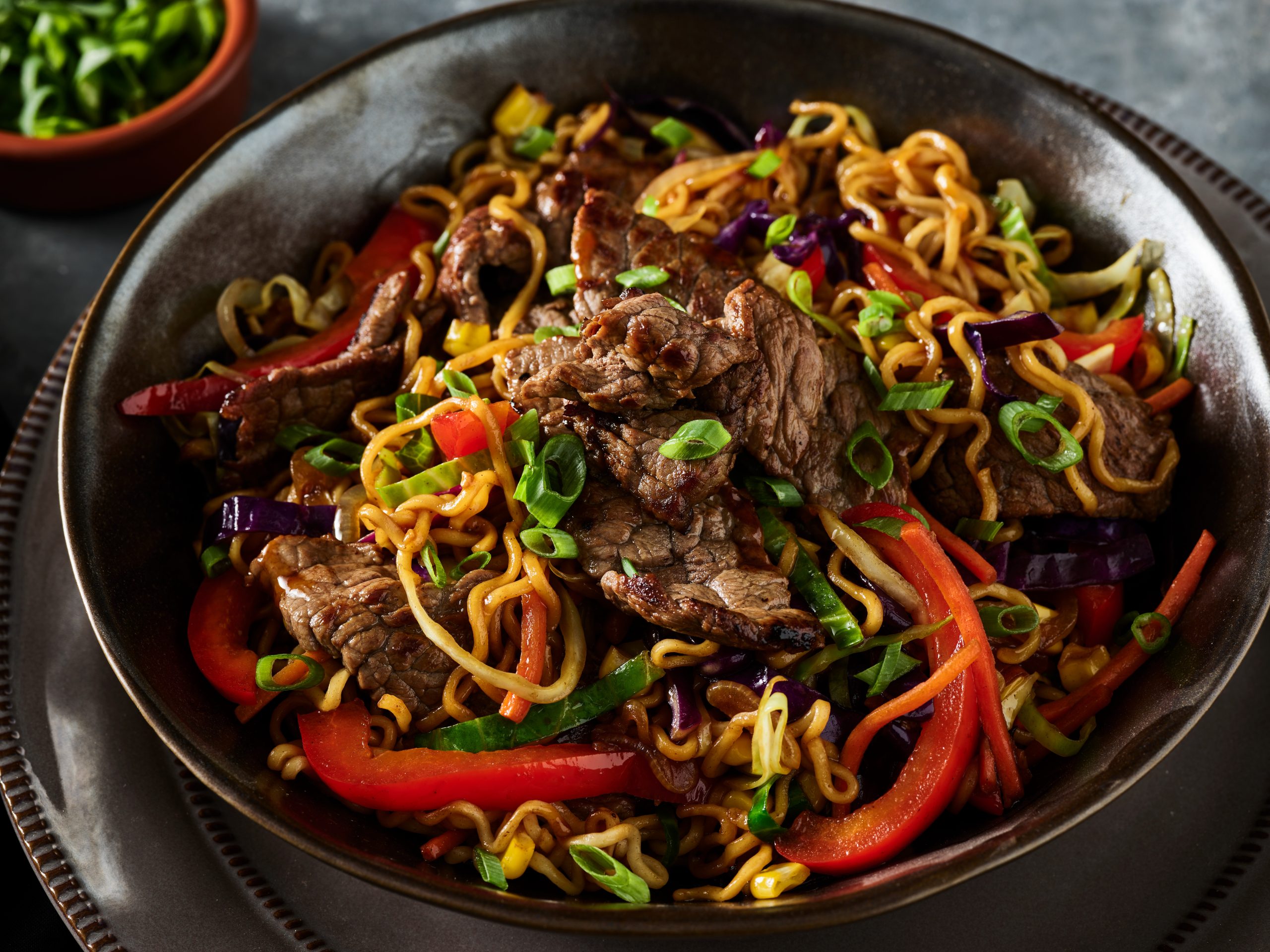
- Explore global cuisine: Yakisoba noodles with beef

Beef’s role in a healthy diet
In America and other developed countries, it is common to be both overweight and, at the same time, undernourished. Populations often surpass recommended levels of calories, but do not balance that with enough physical activity and are not getting the recommended amounts of many important nutrients. The good news? Beef, including steak, roasts, ground beef and more, offers a solution to this dilemma.
It is delicious and it provides more nutrients in fewer calories than many other food choices. For example, a three ounce serving of beef delivers 25 grams of high-quality protein and also provides iron, zinc, chlorine and B vitamins1,4,6-8. No other protein source offers the same nutrient mix.8
Sustainable food system: Would less beef be better?
Cattle are beneficial in a sustainable food system because of their unique stomach structure, which allows them to eat and digest what humans cannot. In addition to the grasses and plants they graze for most of their lives, they can eat numerous other byproducts from plant-based food production, such as brewers grains from beer, pea pulp, beet tops, potato peelings and sunflower hulls, which are all byproducts of human activities. Instead of being wasted, cattle eat these products and upcycle them into a high-quality protein edible for human consumption.2
29 percent of land in the U.S. cannot be used to grow crops, but cattle can graze in these areas.3,9 They take those grasses and turn them into high-quality protein, in places that could otherwise never be used to feed a growing population.
Many plant-based food advocates promote removing meat from a diet to reduce greenhouse gas emissions and lower their carbon footprint. However, research has demonstrated that removing all livestock and poultry from the U.S. food system would only reduce global greenhouse gas emissions by only .36 percent.10 Removing beef would remove a high-quality protein from diets, both in the U.S. and around the world.
Contributing to a healthy, sustainable food system
The bottom line is that beef is full of nutrients, and it can be part of a sustainable food system. Plus, there are alternative ways to make diets heathier and more sustainable. A big opportunity to make an impact is to waste less food.
In fact, thrown away food makes up approximately 22 percent of landfills in the U.S.5 If less food was wasted in general, it would improve the environmental impact of diets because that waste would not emit methane in a landfill. One great way to avoid food waste is repurposing existing ingredients or eating “plannedovers” to re-create leftovers.
Eating a balanced diet also contributes to a healthy and sustainable food supply. Beef packs a nutrient punch that cannot afford to be lost. Eating a variety of whole grains, fruits, vegetables and lean proteins, and not wasting it, supports a sustainable food system that will support a growing global population, so all people can thrive.
Sources
1 Agarwal, S., Fulgoni, V.L., 3rd. Contribution of beef to key nutrient intakes in American adults: an updated analysis with NHANES 2011-2018. Nutr Res 2022; 105: 105-112. https://doi.org/10.1016/j.nutres.2022.06.009.
2 Baber, J.R., Sawyer, J.E., Wickersham, T.A. Estimation of human-edible protein conversion efficiency, net protein contribution, and enteric methane production from beef production in the United States. Transl Anim Sci 2018; 2(4): 439-450. https://doi.org/10.1093/tas/txy086.
3 Broocks, Ashley et al. 2017. Carbon Footprint Comparison between Grass- and Grain-finished beef. OSU Extension, AFS-3292.
4 Cashman, K.D., Hayes, A. Red meat’s role in addressing ‘nutrients of public health concern’. Meat Sci 2017; 132: 196-203. https://doi.org/10.1016/j.meatsci.2017.04.011.
5 EPA. 2020. Food-Material Specific Data. https://www.epa.gov/facts-and-figures-about-materials-waste-and-recycling/food-material-specific-data
6 Phillips, S.M., Fulgoni, VL 3rd, Heaney, R.P., Nicklas, T.A., Slavin, J.L., Weaver, C.M. Commonly consumed protein foods contribute to nutrient intake, diet quality, and nutrient adequacy. Am J Clin Nutr 2015; 101(6): 1346S-1352S. https://doi.org/10.3945/ajcn.114.084079.
7 Snetselaar, L., Stumbo, P., Chenard, C., Ahrens, L., Smith, K., Zimmerman, B. Adolescents eating diets rich in either lean beef or lean poultry and fish reduced fat and saturated fat intake and those eating beef maintained serum ferritin status. J Am Diet Assoc 2004; 104(3): 424-428. https://doi.org/10.1016/j.jada.2003.12.016.
8 U.S. Department of Agriculture FoodData Central, 2019b. Available at fdc.nal.usda.gov (Beef composite, cooked – NDB Number 13364).
9 USDA-ERS. 2021. Economic Research Service using data from the Major Land Use data series. Available at: https://www.ers.usda.gov/data-products/major-land-uses.aspx
10 White, R.R. and M.B. Hall. 2017. Nutritional and greenhouse gas impacts of removing animals from US agriculture. Proceedings of the National Academies of Sciences. 114(48) E10301-E10308. DOI: 10.1073/pnas.1707322114 (Note: 0.36% of global emissions calculated from estimate of 49 gigatons (Gt) of anthropogenic carbon dioxide equivalents emitted in the year 2010 from the Intergovernmental Panel on Climate Change Fifth Assessment Report. Summary of the report can be found at this link: https://www.ipcc.ch/pdf/assessment-report/ar5/wg3/ipcc_wg3_ar5_summary-for-policymakers.pdf
CONTENT FROM

The content is paid for and supplied by advertiser. The Washington Post was not involved in the creation of this content.