Rethinking sustainability: The untold benefits of cattle ranching in the American West
By National Cattlemen’s Beef Association, a contractor to the Beef Checkoff
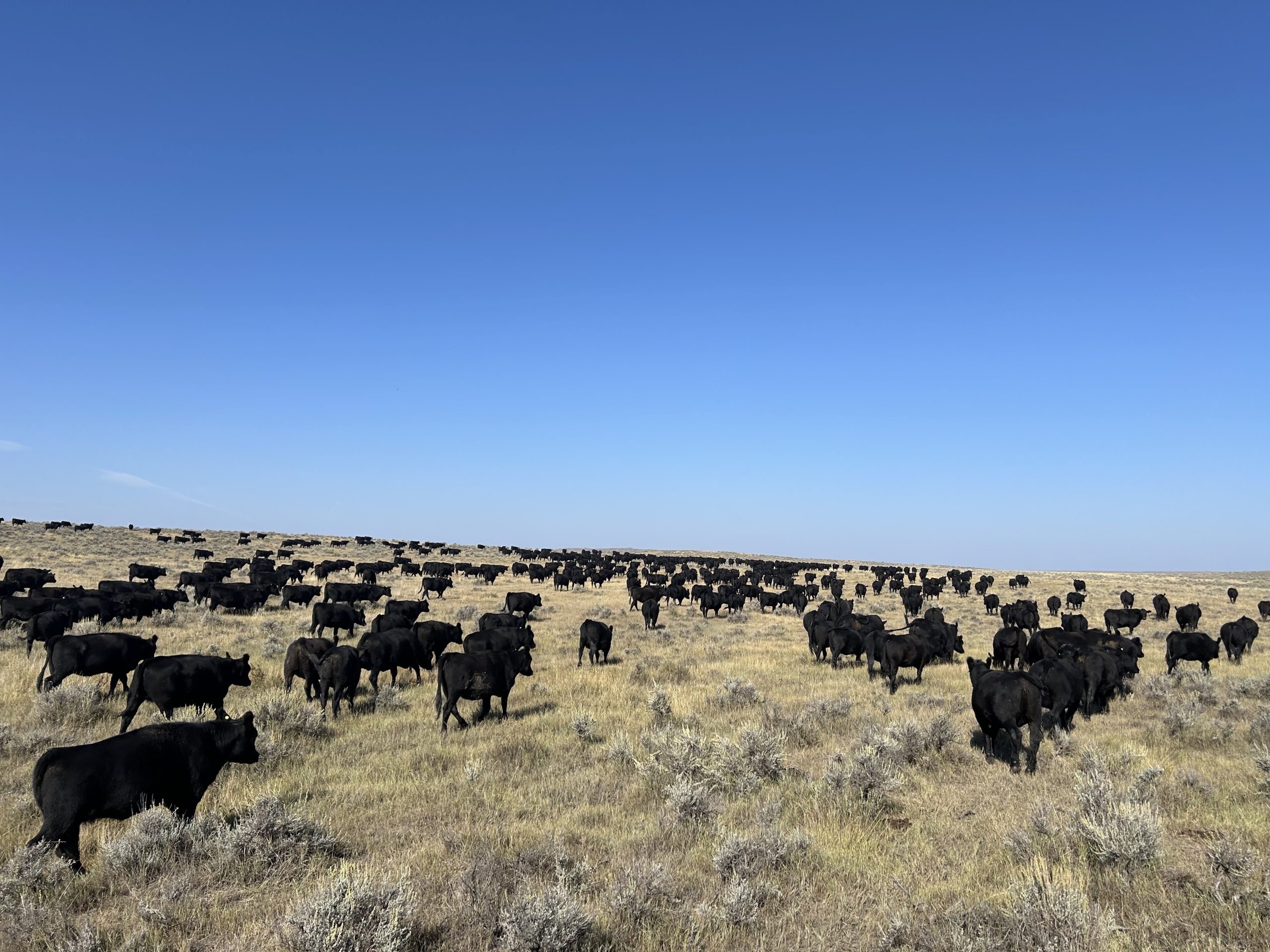
When people think of cattle ranching, they often picture rolling grasslands and lush fields, yet there are many impactful and sustainable cattle operations that thrive in the arid, rugged terrain of the western U.S. This region proves that cattle ranching can be a powerful tool for environmental stewardship, biodiversity and climate resilience for a variety of landscapes.
As the global conversation around climate change intensifies, it is easy to think of sustainability through the single metric of carbon. While carbon emissions are undeniably important, this narrow focus risks missing the broader ecological benefits that well-managed cattle ranching can provide, especially in regions where traditional agriculture is not viable.
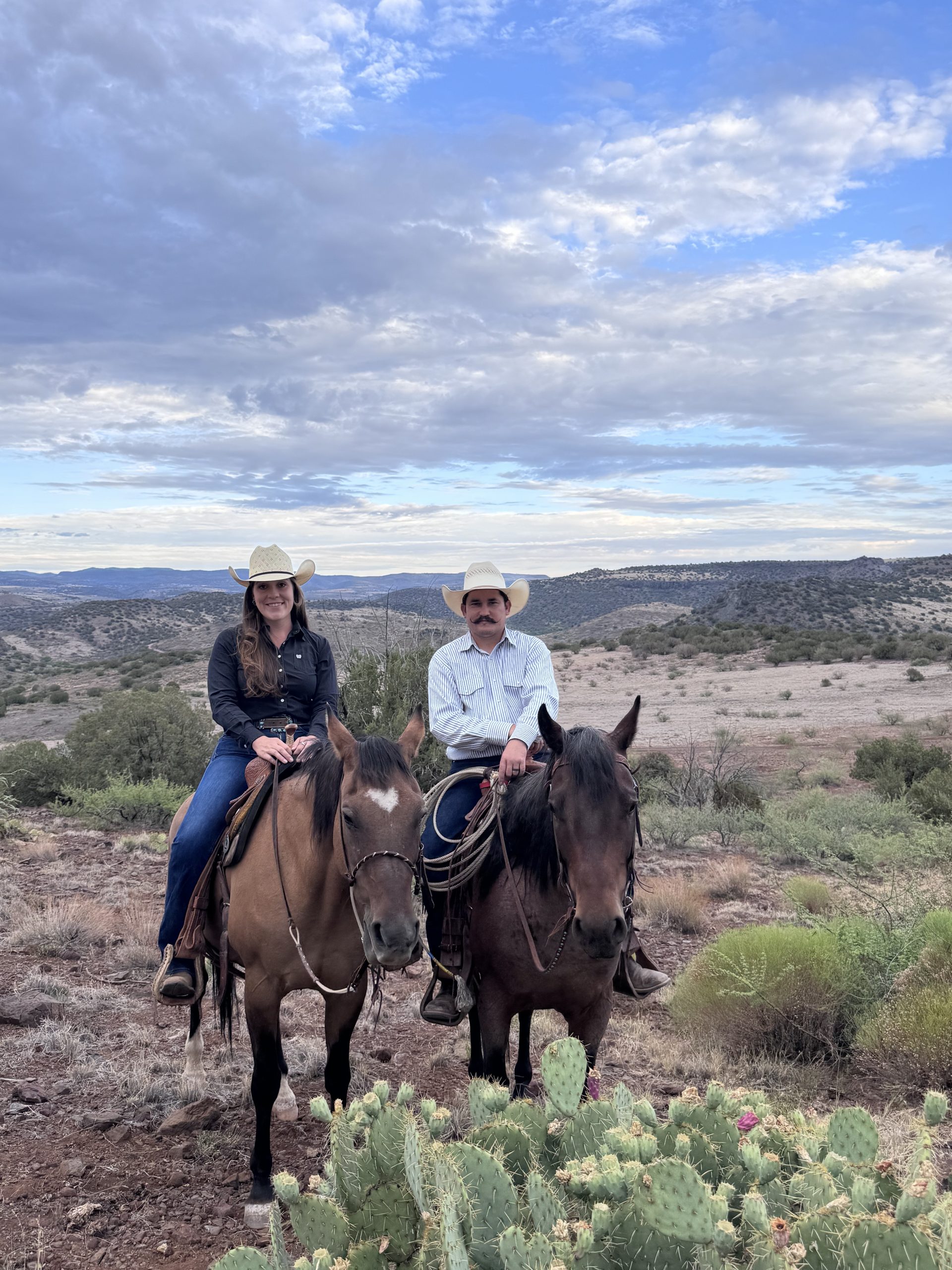
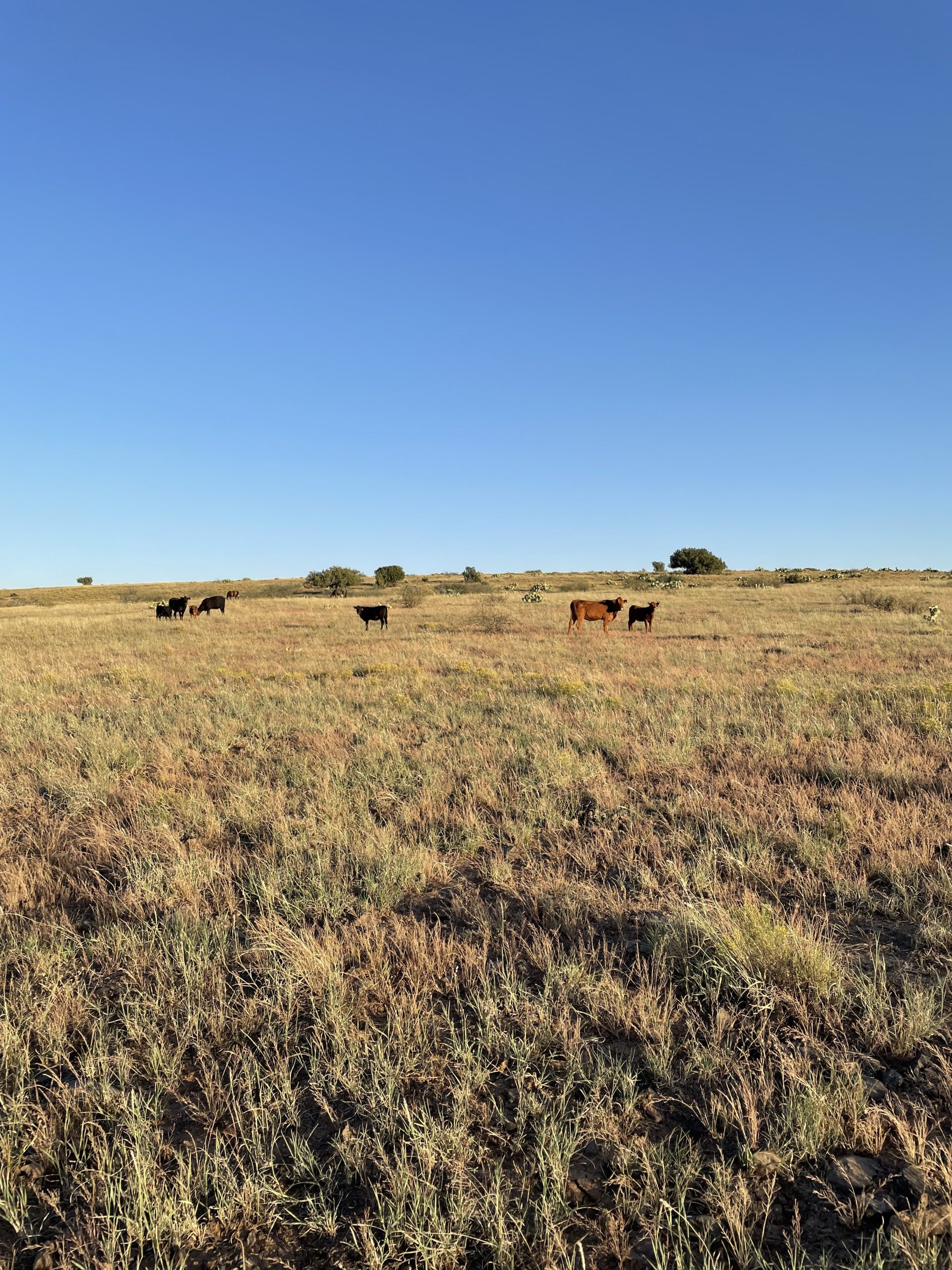
Stephanie Teskey, a sixth-generation cattle rancher in central Arizona, knows this firsthand. Her family’s cattle operation, Dugas Ranch, has been grazing cattle in the high desert for almost 150 years. On ranches like Teskey’s and others across the country, cattle are a land management tool.
Grazing helps reduce fuel loads that contribute to wildfires, which is a growing threat in the western U.S., especially in drought-stricken areas like Arizona. “We’ve seen catastrophic wildfires go through land that hasn’t been managed,” Teskey says. “We have been able to leverage cattle grazing to help mitigate that risk.”
These open spaces are more than scenic backdrops. They are critical habitats for wildlife, too. Teskey’s operation has invested heavily in water infrastructure that supports both cattle and wildlife, ensuring that these ecosystems remain vibrant and resilient. Dugas Ranch alone is home to populations of pronghorn antelope, deer, javelinas, mountain lions, coyotes and more.
For eastern Montana cattle rancher Colt Coffee and his family, sustainability is about balance between necessity and nature. “Often, that means you leave the land better than you found it through management practices,” he says. “Prioritizing sustainability has had a big impact on our ability to continue doing what we love.”

Coffee’s ranching practices reflect that philosophy. He follows the “take half, leave half” rule when grazing cattle, which helps prevent erosion, improves the soil’s ability to hold water and ensures that native grasses can regenerate come spring. These practices do not just benefit the environment but also make ranches more resilient. Coffee emphasizes that sustainability is not optional, rather, it is essential. “When the climate is threatened, so is our way of life,” Coffee says. “The symbiotic relationship between a rancher and the land is something as old as time. If we take care of the land, the land will take care of us.”
Approximately 29 percent of land in the U.S. is pasture and rangeland that is too rocky, steep or arid for growing food crops, but it is ideal for grazing cattle, sheep and goats.1,2 In other words, grazing cattle on these lands does more with less. “Cattle can thrive in areas where we cannot grow traditional crops or that would not be suitable for any other uses,” Teskey says. “That means we can keep more rangelands as rangelands.”
By maintaining these landscapes, ranchers also help conserve land that allows people living in urban areas to enjoy the outdoors through hiking, biking, camping and more. “We have a lot of people who visit our ranch that are public land users who maybe don’t even know that there has been a cattle ranch here for so long,” she says. “That’s because we have done the work to take care of those open spaces.”
Cattle are remarkably efficient at turning otherwise unusable resources into high-quality protein. About 90 percent of what cattle eat is forage and plant leftovers that people cannot consume.3 This includes grasses, crop residues and byproducts from food and fiber production that would otherwise go to waste.
Despite their deep roots, today’s ranchers are anything but stuck in the past. Teskey’s operation, for example, has converted its water pumps to 100 percent solar power, taking advantage of a nearly unlimited resource: Arizona’s abundant sunshine. They have also invested in genetic improvements to match cattle to the environment, reducing stress on both animals and the land.
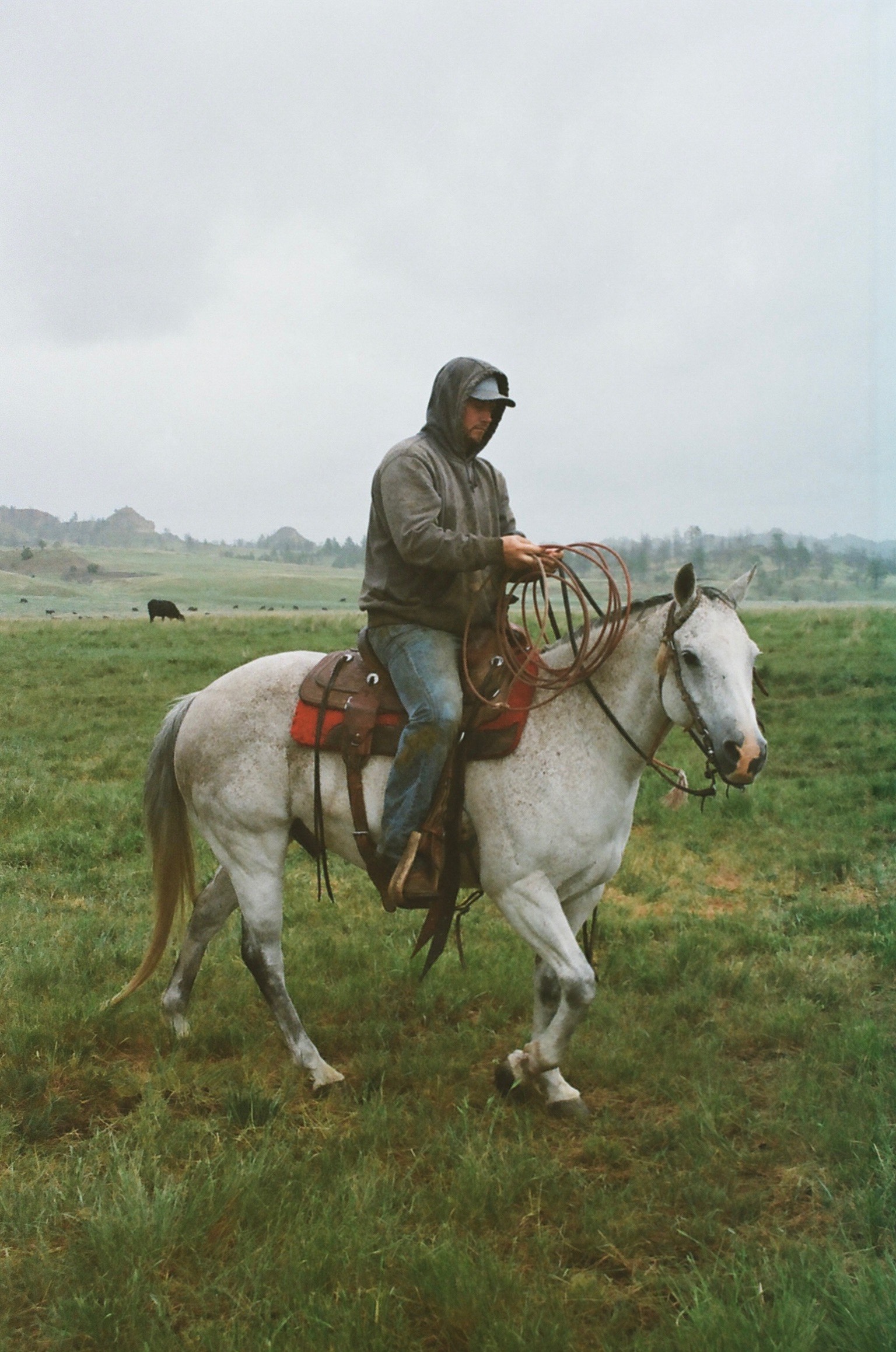
Coffee echoes that sentiment. “Farmers and ranchers were the original environmentalists, and we have been doing it long before we discovered things like global warming or carbon footprints,” he emphasizes. “We care about our land and we are proud of the work we do.”
This blend of tradition and innovation is what makes cattle ranching such a compelling model for sustainability. It is about enhancing ecosystems, supporting rural economies and preserving a way of life that is deeply connected to the land. Ranchers in the U.S. are not just raising cattle. They’re building climate resilience from the ground up. “We hear consumers’ concerns about the climate, and we are on their team,” Coffee says. “We are actively addressing those concerns while also improving our long-standing practices that help combat climate and sustainability issues.”
Sources
1 Broocks, Ashley et al. 2017a. Carbon Footprint Comparison between Grass- and Grain-finished beef. OSU Extension, AFS-3292.
2USDA-ERS. 2021a. Economic Research Service using data from the Major Land Use data series. Available at: https://www.ers.usda.gov/data-products/major-land-uses.aspx
3Broocks et. al. 2017b. Corn as Cattle Feed vs. Human Food. Oklahoma State University. https://extension.okstate.edu/fact-sheets/corn-as-cattle-feed-vs-human-food.html
CONTENT FROM
The content is paid for and supplied by advertiser. The Washington Post was not involved in the creation of this content.