American recycling needs a level playing field
Lower-cost imported plastic is threatening U.S. jobs and eroding public trust
By Michael E. Hoffman, President & CEO of National Waste & Recycling Association (NWRA)
December 8, 2025
Text size
Display theme
Our pages are responsive to your system settings and browser extensions for optimal experience

Michael E. Hoffman, President & CEO of National Waste & Recycling Association (NWRA)
America’s ability to build a circular economy depends on a whole systems effort: consumers recycling responsibly, recycling companies investing in infrastructure to process quality materials and brands committing to use recycled materials in their packaging. It’s a delicate balance that requires dedication and investment from all stakeholders.
Several troubling trends have emerged this year that are threatening to upend the economics of a fragile ecosystem that underpins much of the country’s recycling effort and particularly plastics recycling. If left unchecked, these events could set the United States back in its ongoing efforts to build a truly circular economy and further undermine public trust.
The problem: unverified imports and weakening brand commitments
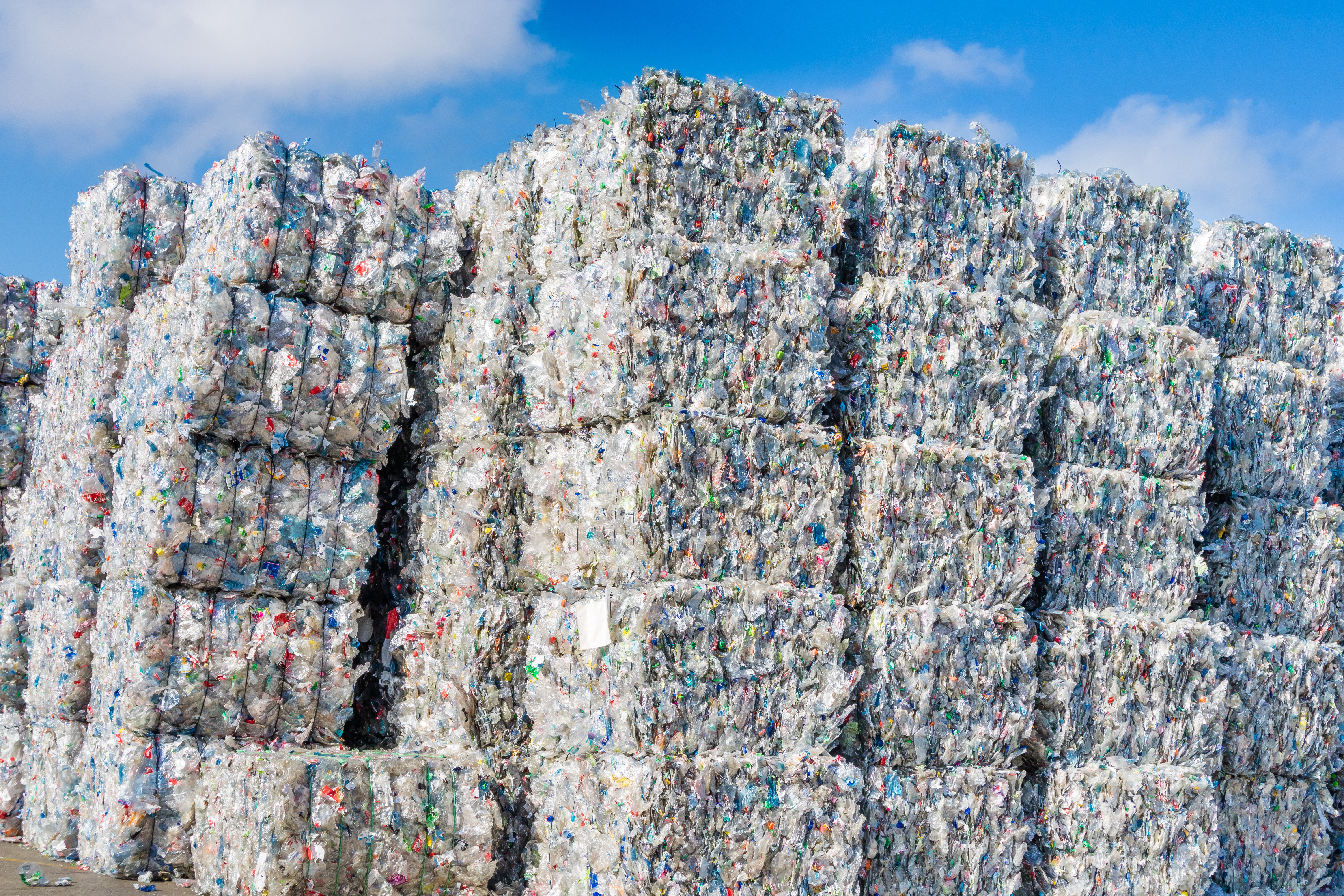
Recycled polyethylene terephthalate (rPET), a high-value plastic made from repurposed PET bottles, aka #1 plastic bottles, is the backbone of the American plastic recycling system. Yet, domestic recyclers are facing mounting pressure from lower-cost imported PET and rPET, which rose 8 percent this year, according to the Independent Commodity Intelligence Services (ICIS). In Q2 alone, 910 million pounds of PET and rPET were imported, or about an 11 percent increase year over year for that quarter alone.[1]
This influx of imports has real-world consequences for U.S. manufacturing. Domestic recyclers, who must meet strict quality and traceability standards, are being undercut by imported materials that do not face the same scrutiny. Recycled PET from Southeast Asia is neither transparent nor traceable, with questions about whether it’s truly recycled material. [2]
The result: American plant closures and layoffs. In May, Alpek Polyester announced it was shutting down operations in Fayetteville, N.C., displacing 180 workers. In September, rPlanet Earth in Vernon, Calif., responsible for 4 percent of U.S. rPET capacity, closed permanently, costing hundreds more jobs.[3]
The Association of Plastic Recyclers attributes rPlanet Earth’s closure to two factors: Brands are pulling away from recycled content commitments, and they’re opting for cheaper, imported rPET to meet regulatory requirements.
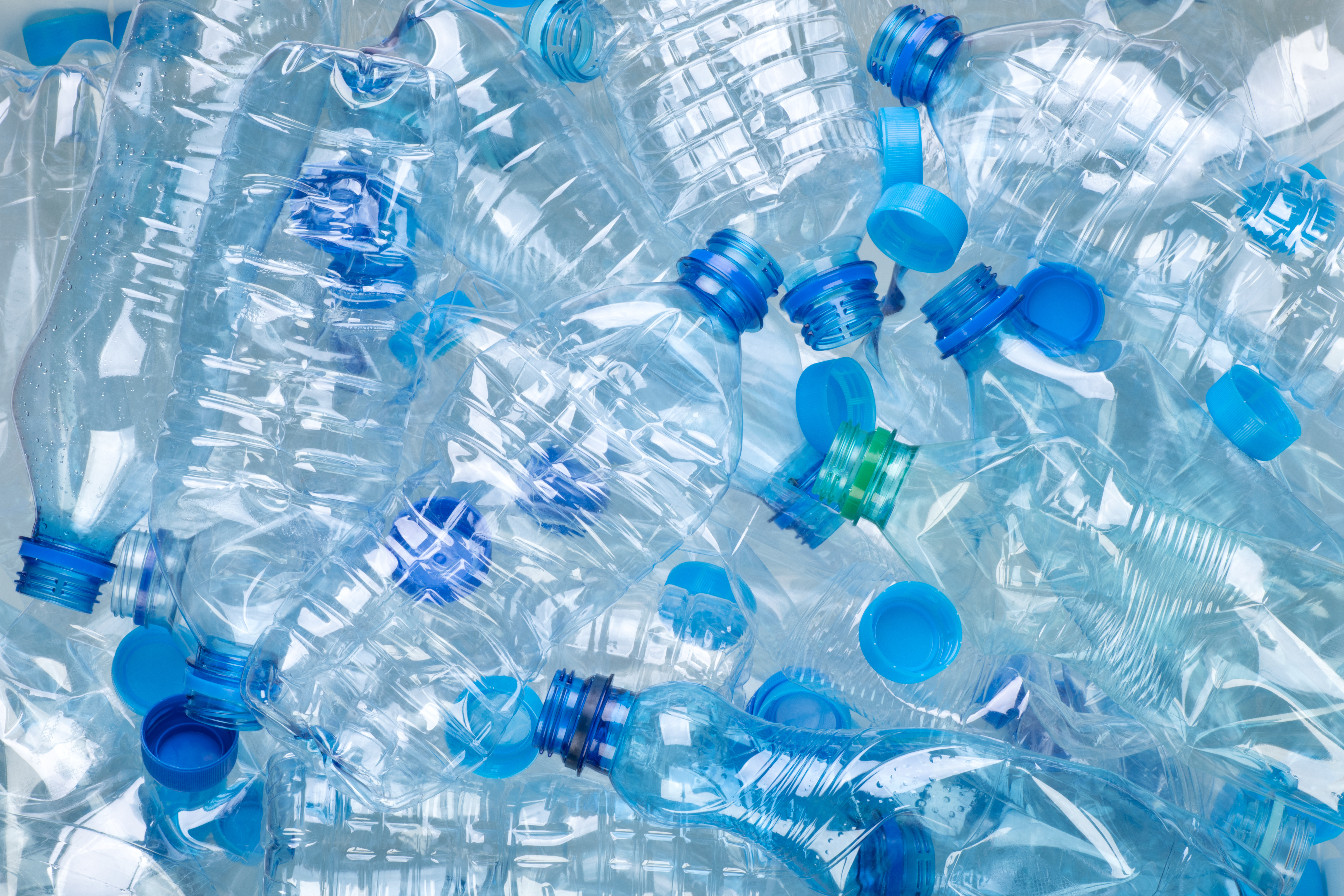
When brands scale back on recycled content goals, the entire recycling system is jeopardized. PepsiCo and Coca-Cola have reduced their targets from 50 percent by 2030 to 35-40 percent by 2035.[4] Walmart acknowledged it will not meet its 2025 plastic packaging reduction and recyclability goals.[5]
These decisions weaken demand for rPET and discourage investment in domestic recycling infrastructure, from material recovery facilities (MRFs) to community collection programs. Claims of “scarcity of supply” are unfounded; our industry is investing billions to collect and process more PET than ever before.
The solution: policy reform and industry collaboration
To protect American recycling and restore public trust, we urge the following actions:
- Establish and enforce traceability standards for all rPET, including third-party certification and country-of-origin reporting.
- Prioritize domestic content in recycled material mandates to support U.S. jobs and infrastructure.
- Support domestic recyclers through procurement policies that favor verified U.S. recycled content.
- Encourage brand accountability by requiring transparent reporting on recycled content sourcing.
California’s SB633, California Beverage Container Recycling and Litter Reduction Act, if passed, is a step in the right direction, requiring beverage manufacturers to report the percentage of imported postconsumer recycled plastic and the country of origin. Yet, opposition by the American Beverage Association claiming that suppliers don’t provide this information raises serious concerns. If beverage companies can’t trace the origins of their recycled plastic, how can they ensure that they meet federally mandated safety standards?
A call to action
We invite consumer brands to co-create solutions with recyclers and collectors, and to recommit to building a resilient domestic recycling system. We also urge the Trump Administration to address trade imbalances, particularly those in Southeast Asia, where unverified plastics are entering the U.S. market.
These are not market fluctuations. They are warning signs. If we fail to act, the promise of the circular economy may never be realized. That is a risk for U.S. manufacturing jobs, public health, environmental progress and the future of our domestic recycling system.
Sources:
- 1 Independent Commodity Intelligence Services
- 2 California lawmakers look to quantify PCR imports
- 3 Association of Plastic Recyclers
- 4 The Coca-Cola Company
- 5 Walmart ESG Report 2025
CONTENT FROM
The content is paid for and supplied by advertiser. The Washington Post was not involved in the creation of this content.
0:00/0:00
American recycling needs a level playing field
Voice is AI-generated. Inconsistencies may occur.