[[svg::sprite]]

How protecting one vital forest could help save ecosystems around the world

In West Africa, a coalition of local communities has taken a collaborative approach to preserving some of the world’s most endangered species.

All Images and Footage © Rolex/Nyani Quarmyne

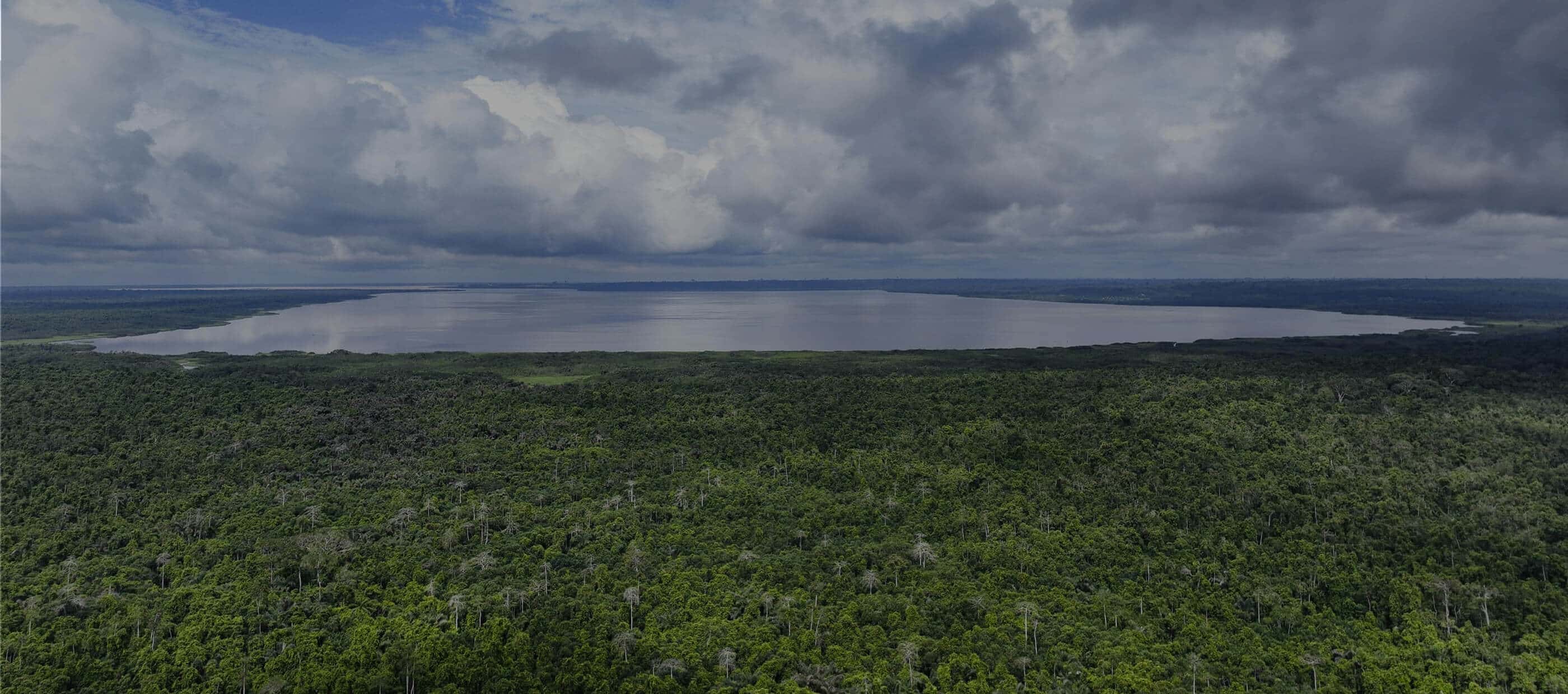
The Tanoé-Ehy Forest in Côte d'Ivoire

In the last 60 years, the West African nation of Côte d’Ivoire has lost 90 percent of its tree cover to deforestation, threatening the biodiversity that is vital to the environmental health of the region and, by extension, the world. But one priceless piece remains: the Tanoé-Ehy Forest, which is home to some of the most endangered animals on the planet.

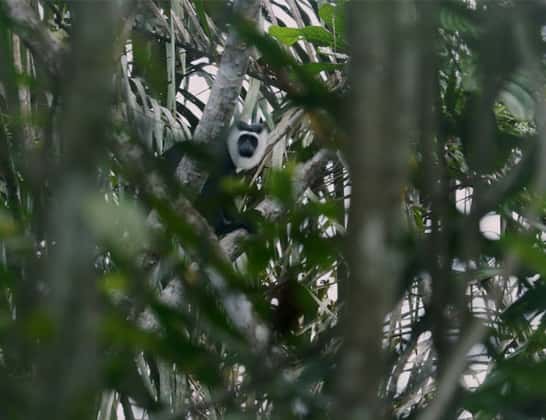
For two decades, Inza Koné, an Ivorian primatologist and Rolex Awards for Enterprise Laureate, has fought to protect the forest and its animals, including four species of critically endangered monkeys whose extinction could disrupt the balance of the entire ecosystem.

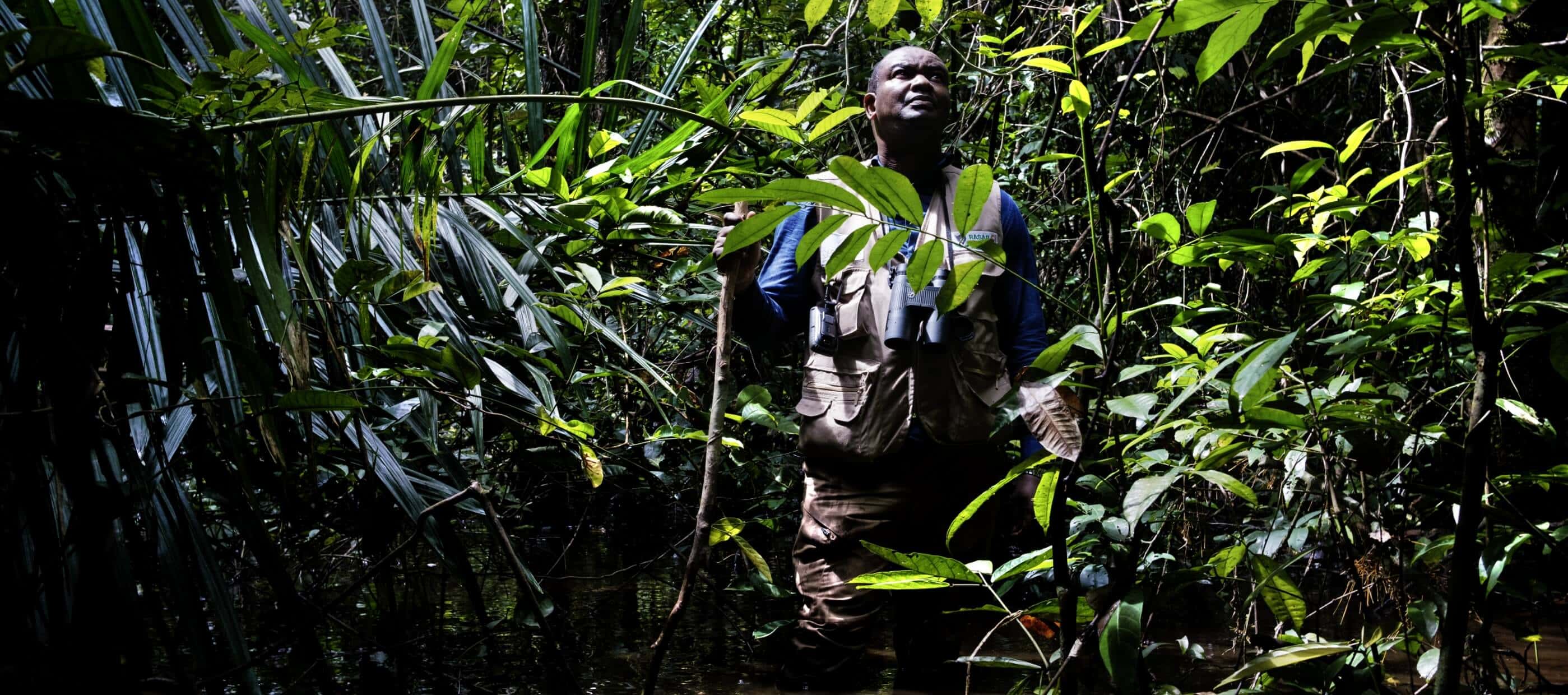
Primatologist Inza Koné walks through the forest.
We are protecting the most endangered primates of West Africa. We are preserving biodiversity for the global community.
— Inza Koné,
Rolex Awards for Enterprise Laureate
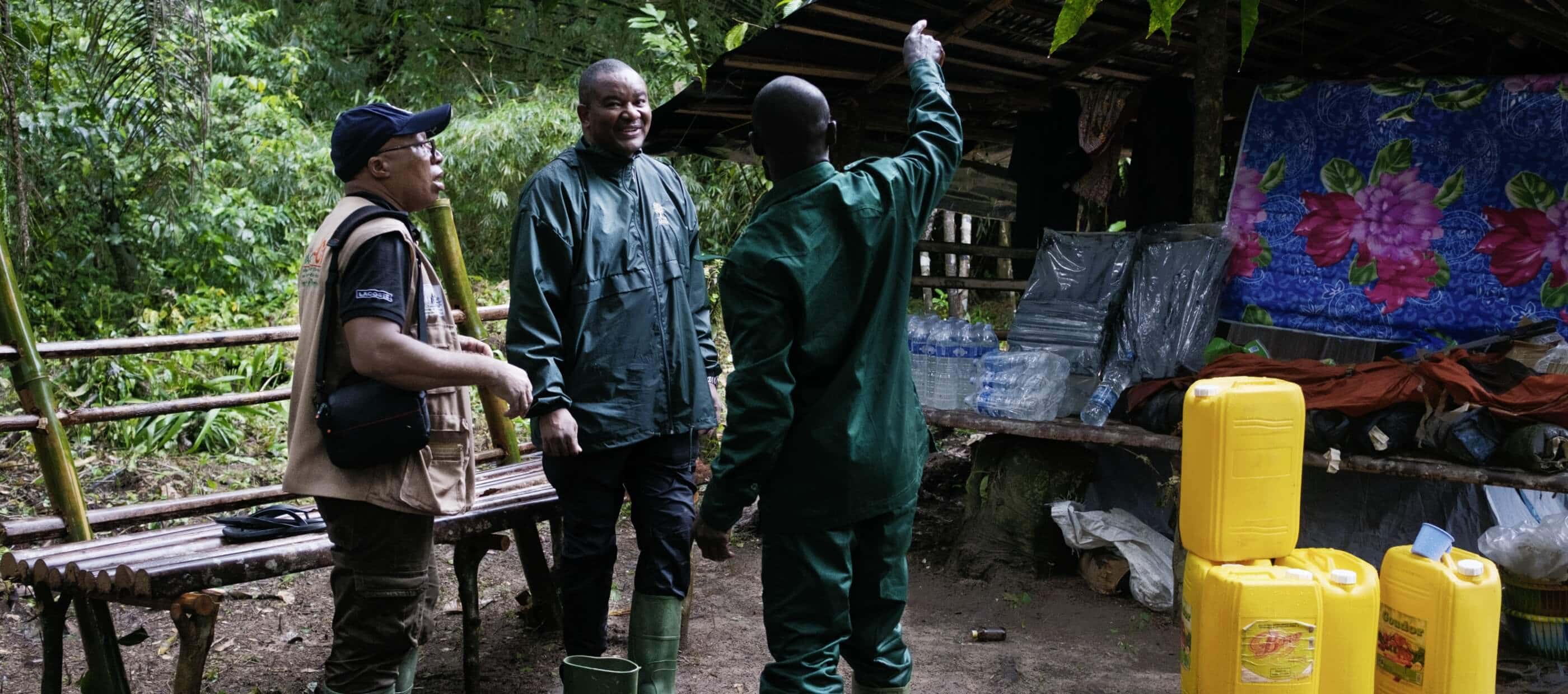
Primatologist Inza Koné confers with colleagues at camp.

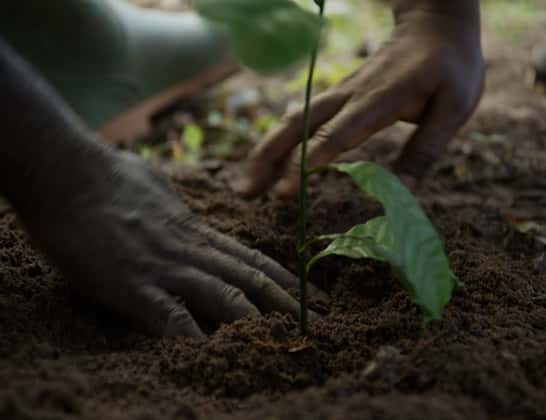
The forest is surrounded by 11 villages whose people have traditionally relied on it for fishing, hunting and firewood. In 2006, Koné gathered them into a coalition to protect the forest. His organization has helped the villages plant trees, establish botanical gardens and develop alternative livelihoods that nourish the land.

In 2008, Koné and the villagers stopped a plan to turn 8,000 hectares of the forest — that’s equivalent to nearly 20,000 football fields — into a palm oil plantation, which would have shattered the region’s environmental balance. Their passion won widespread national and international support, including from the Ivorian government and parliament. By preserving the forest, the villages secured a sustainable environmental and economic future.
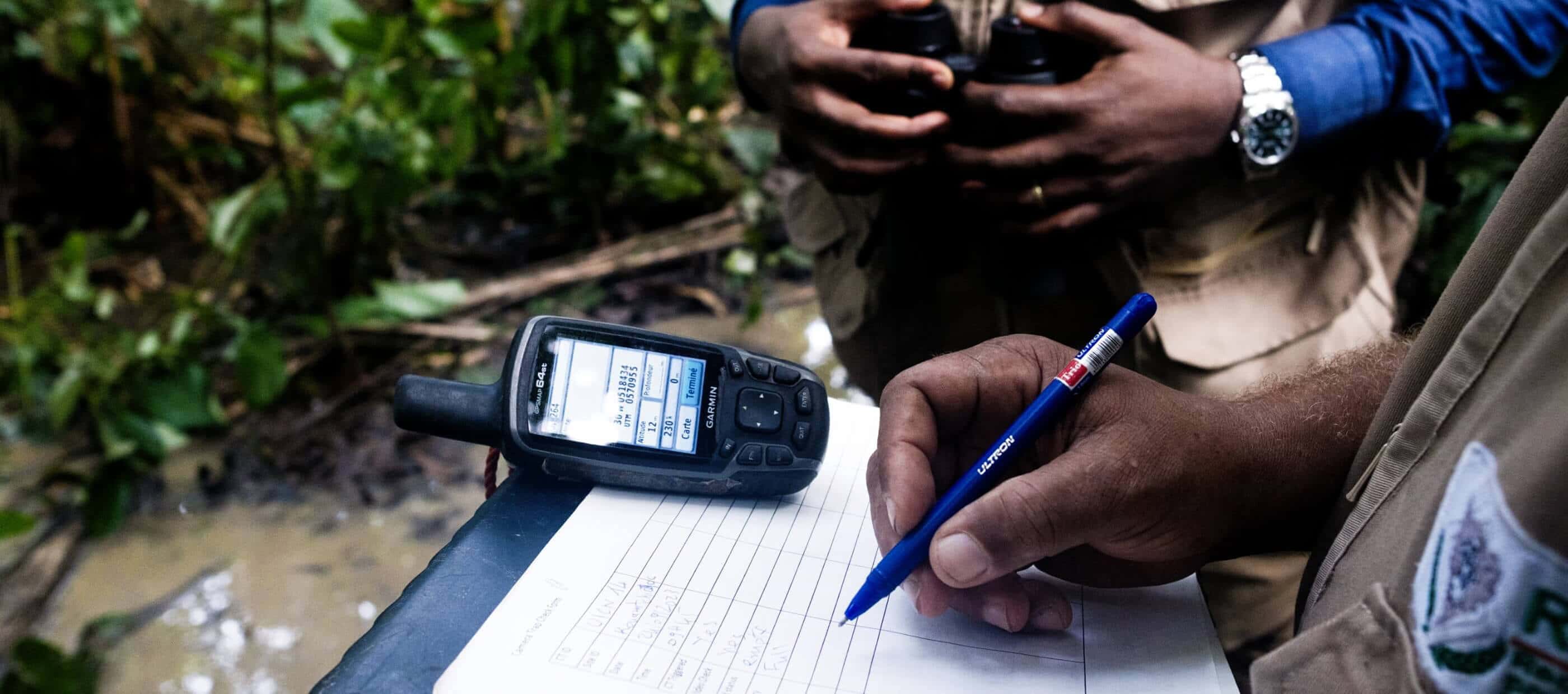
A close up of a hand writing on a clipboard.
Without the forest the economy of the region would just collapse. We maintain the economy of the region by protecting this forest.
— Inza Koné
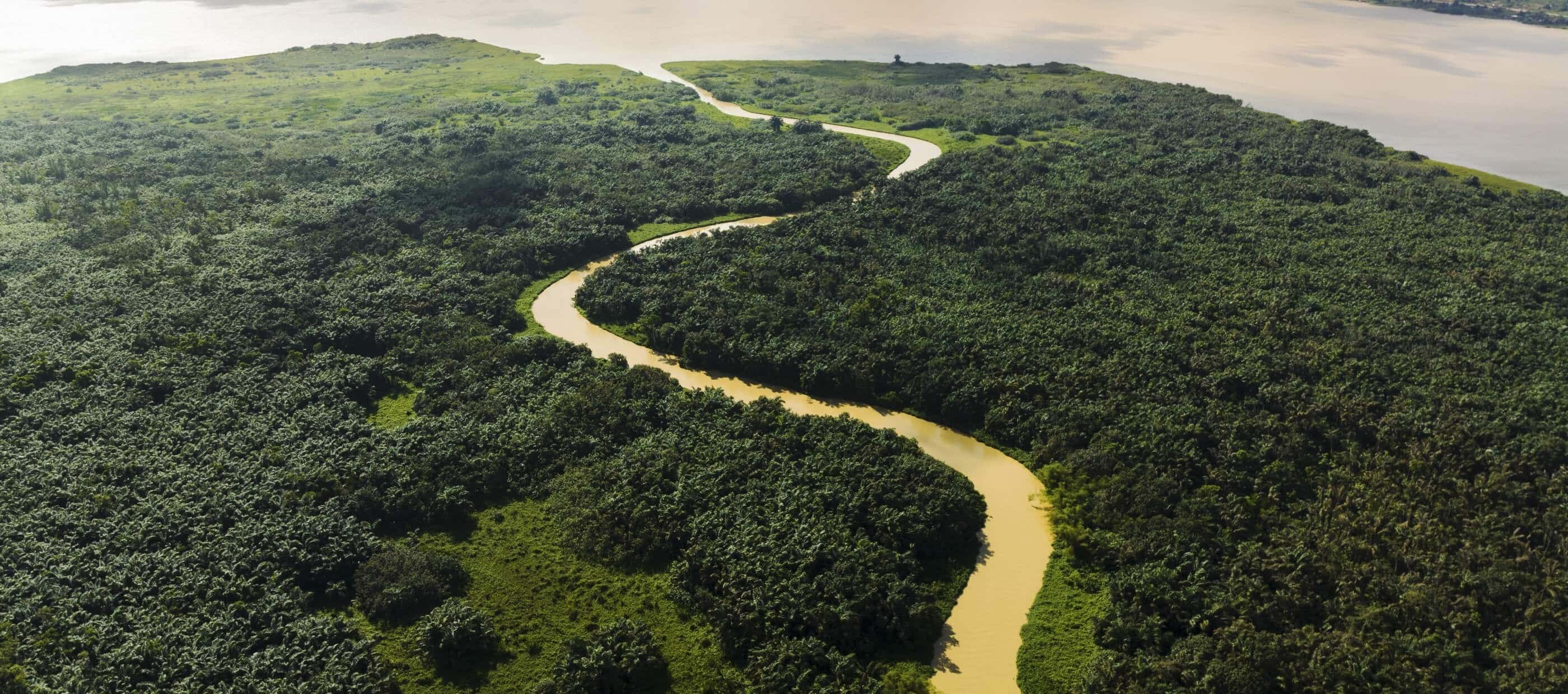
An overhead shot of the river winding through the Tanoé-Ehy Forest.

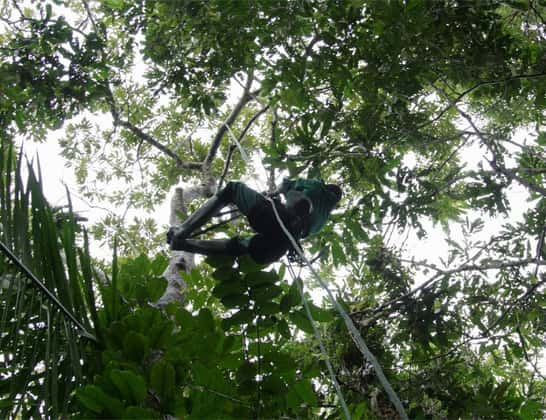
The continued success of this project requires the support of the younger generation, who will serve as the forest’s stewards for decades to come. Koné has taught the young people of the villages to help him monitor the forests’ endangered monkeys using treetop cameras and flying drones. He says, “They feel proud to become the guardians of such a unique primate family.”
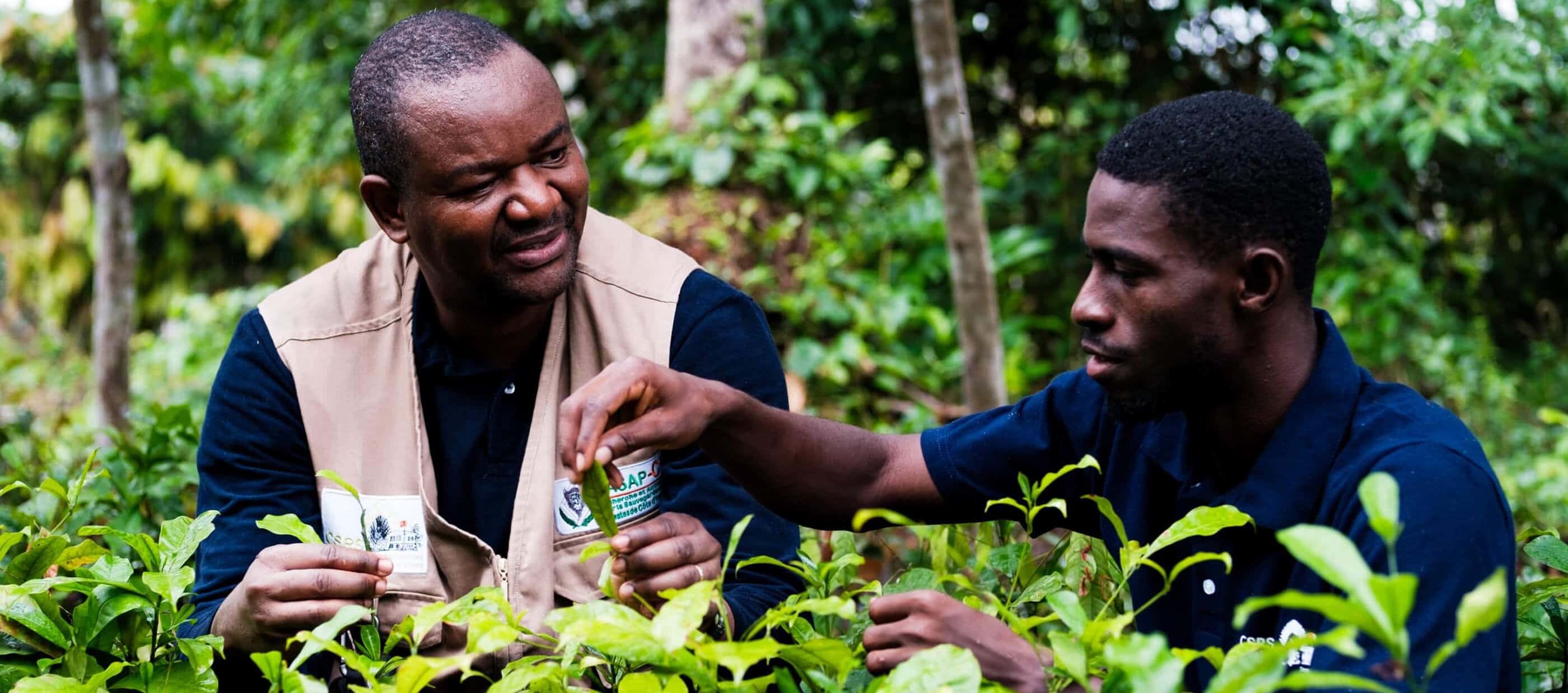
Primatologist Inza Koné speaks to a colleague in the forest.

In 2021, the Ivorian government declared the forest a community-managed reserve, legally owned and protected by the 11 villages. And now with the support of the Rolex Awards for Enterprise, Koné is working to establish a similar reserve across the border in Ghana, creating a large, internationally protected forest, setting an example for trans-border conservation that could be a blueprint for preserving unique ecosystems around the world.