Preserving
wild camels using an eye in the sky
To study animals in one of the world’s most forbidding climates, a satellite navigation expert develops technology that could aid endangered species around the globe.
All Images and Footage ©️ Rolex/Liu Xiaoxue
Rolex’s Perpetual Planet Initiative supports individuals and organizations developing solutions to today’s environmental challenges.
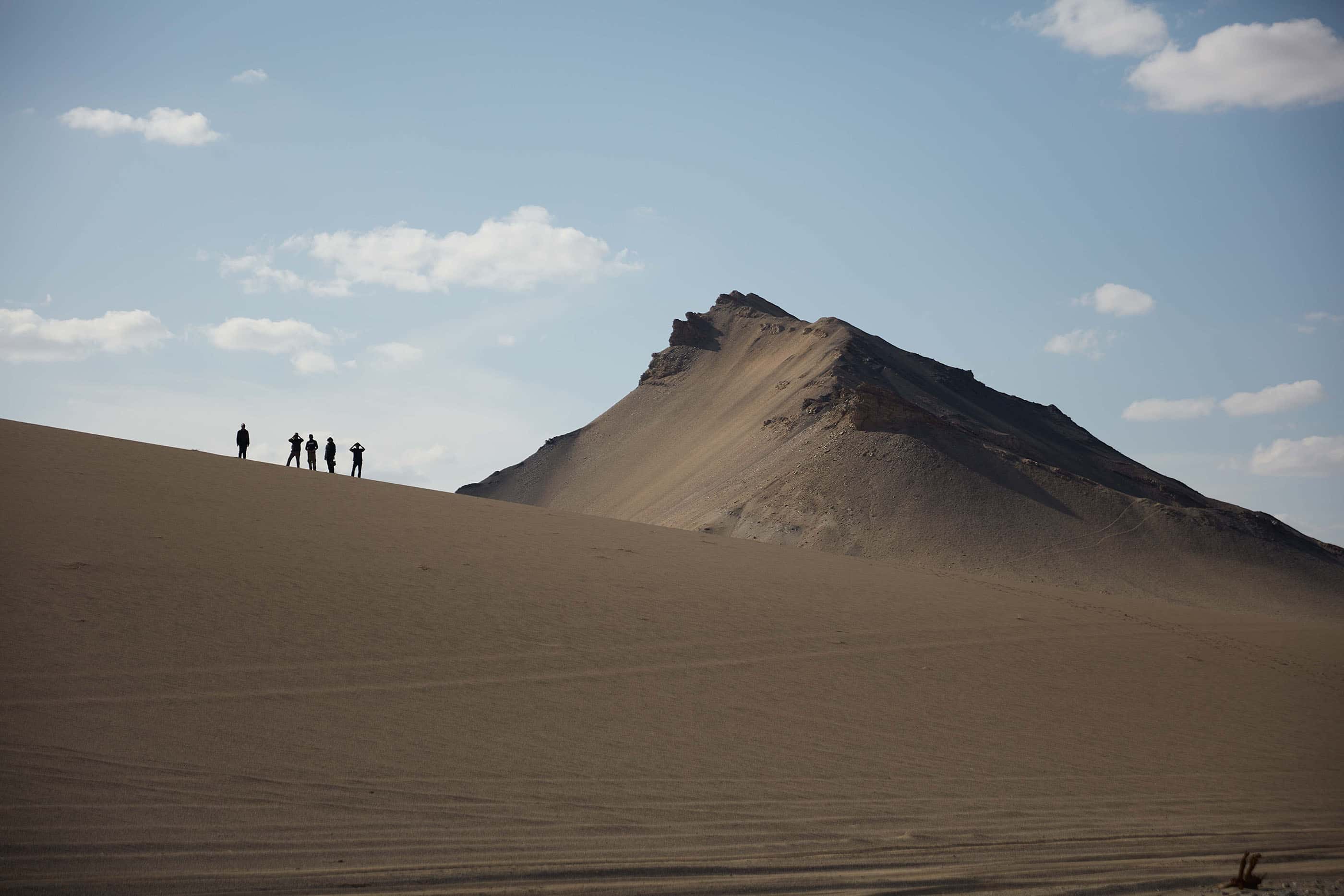
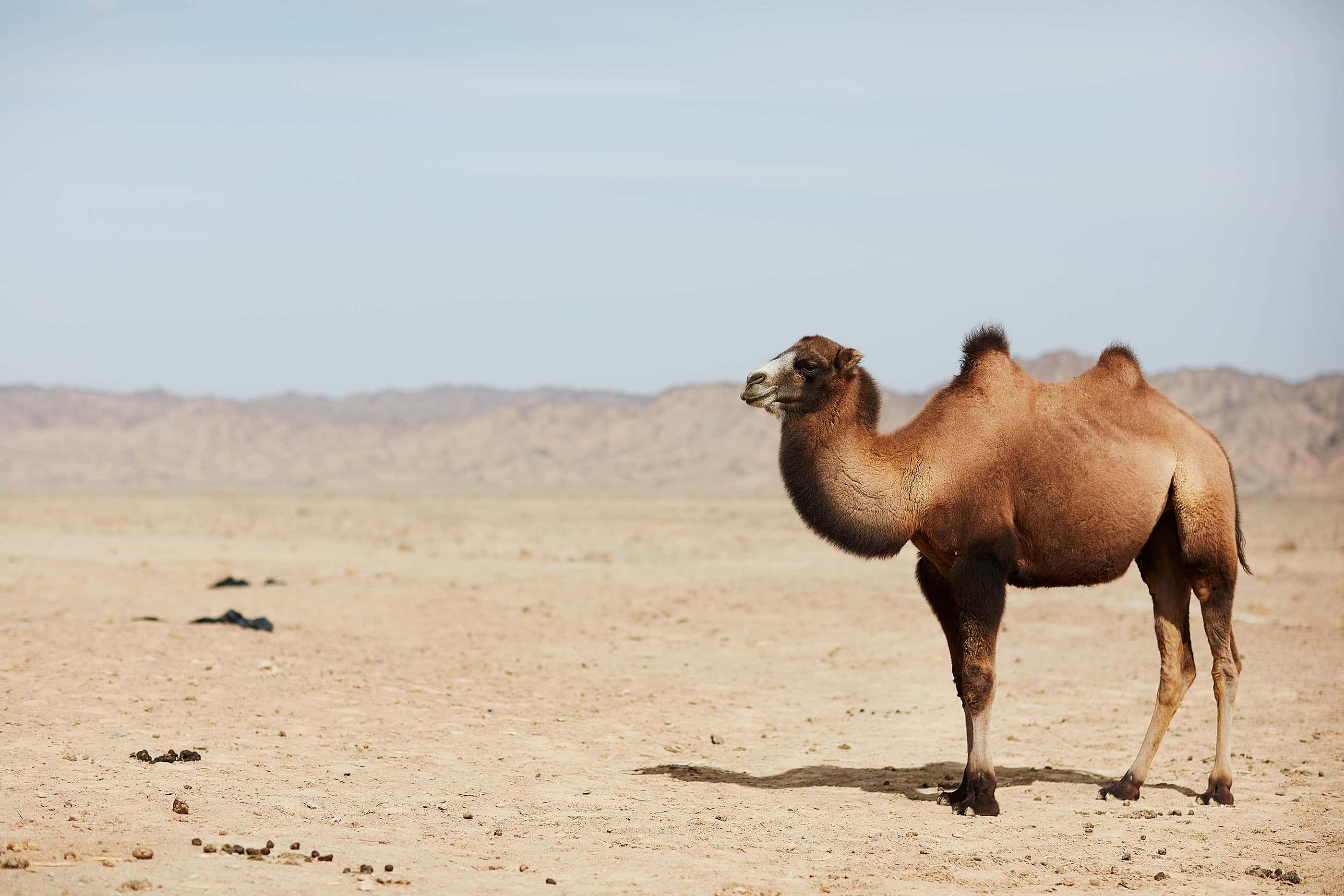
The wild camels of the Gobi Desert are some of the toughest animals on the planet. Scientists believe understanding their resistance to radiation exposure, extreme temperatures and drought could help treat human disease, but climate change has shrunk their habitat and reduced their numbers to less than 1,000 in the wild.
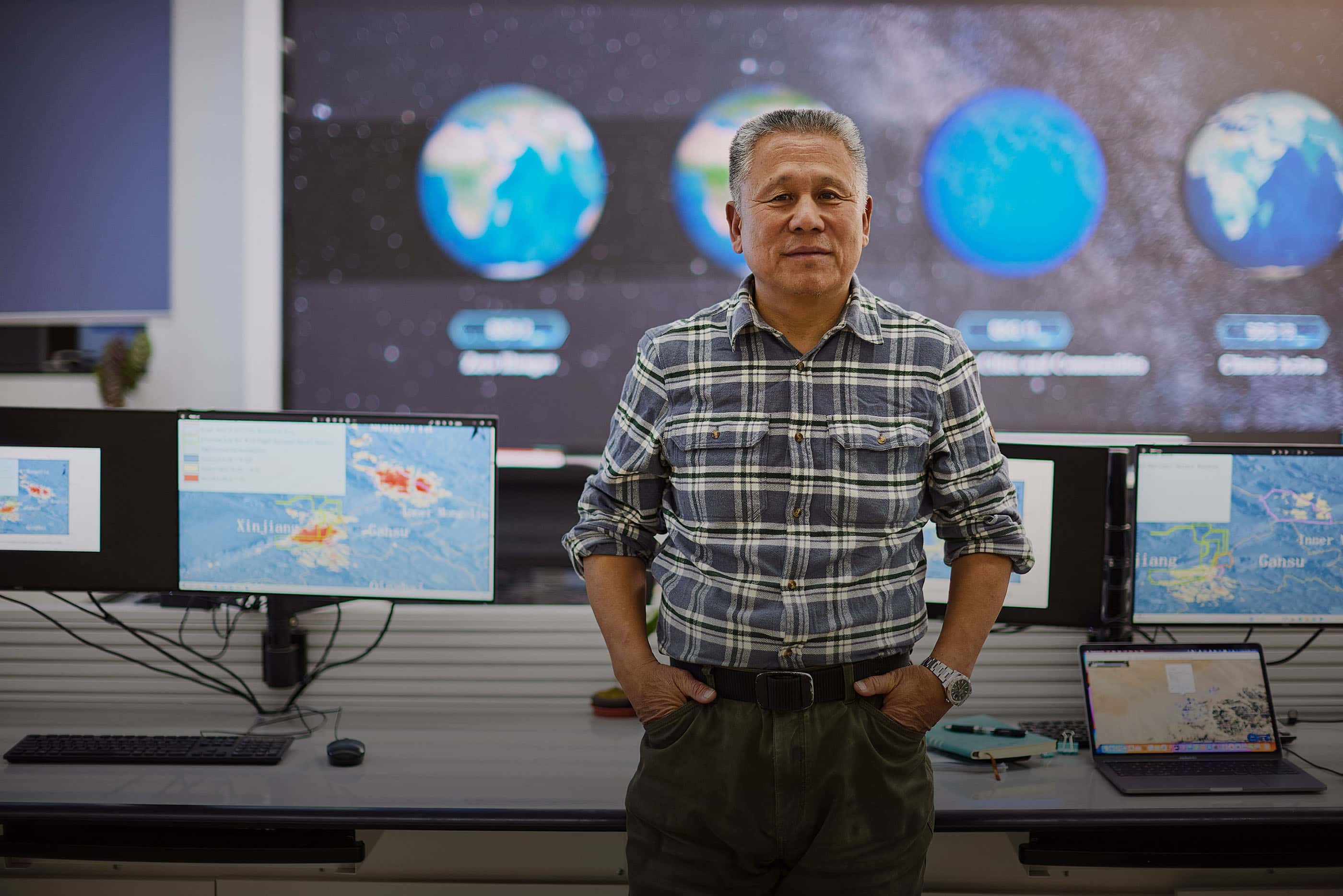
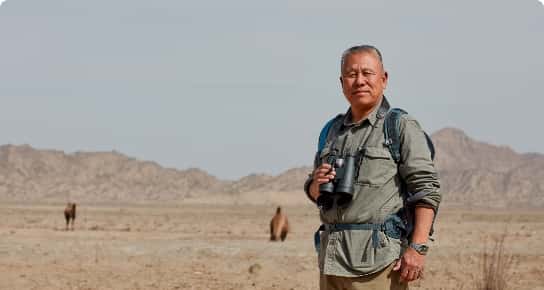
For the last decade, these remarkable animals have had a unique protector: Chinese aerospace scientist and Rolex Awards for Enterprise Laureate Liu Shaochuang. An explorer and scientist, Liu was the first Chinese person to make a solo trek to the North Pole. He’s spent two decades working with the Chinese space program, where he helped develop the navigation systems for Chinese lunar and Mars rovers.
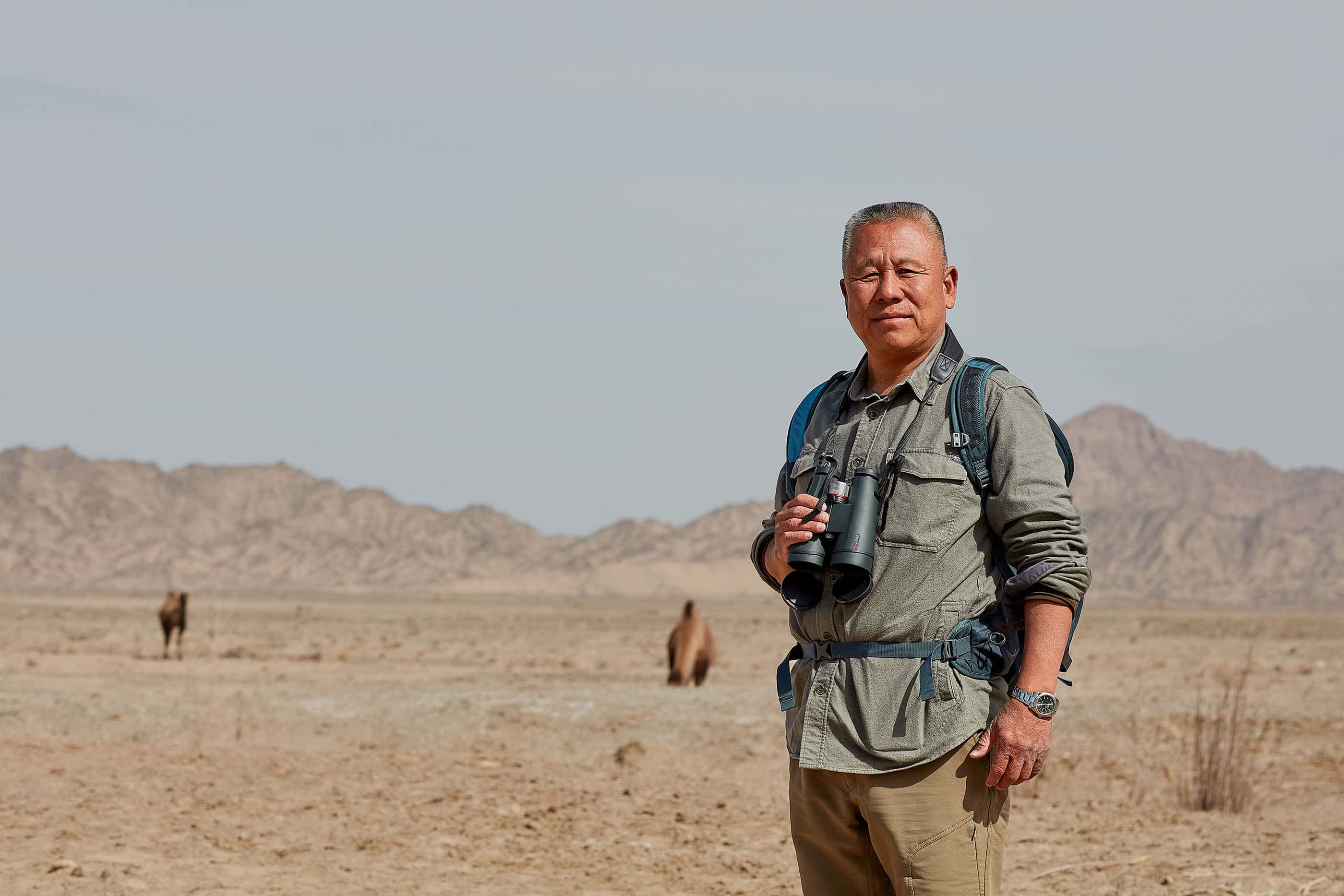
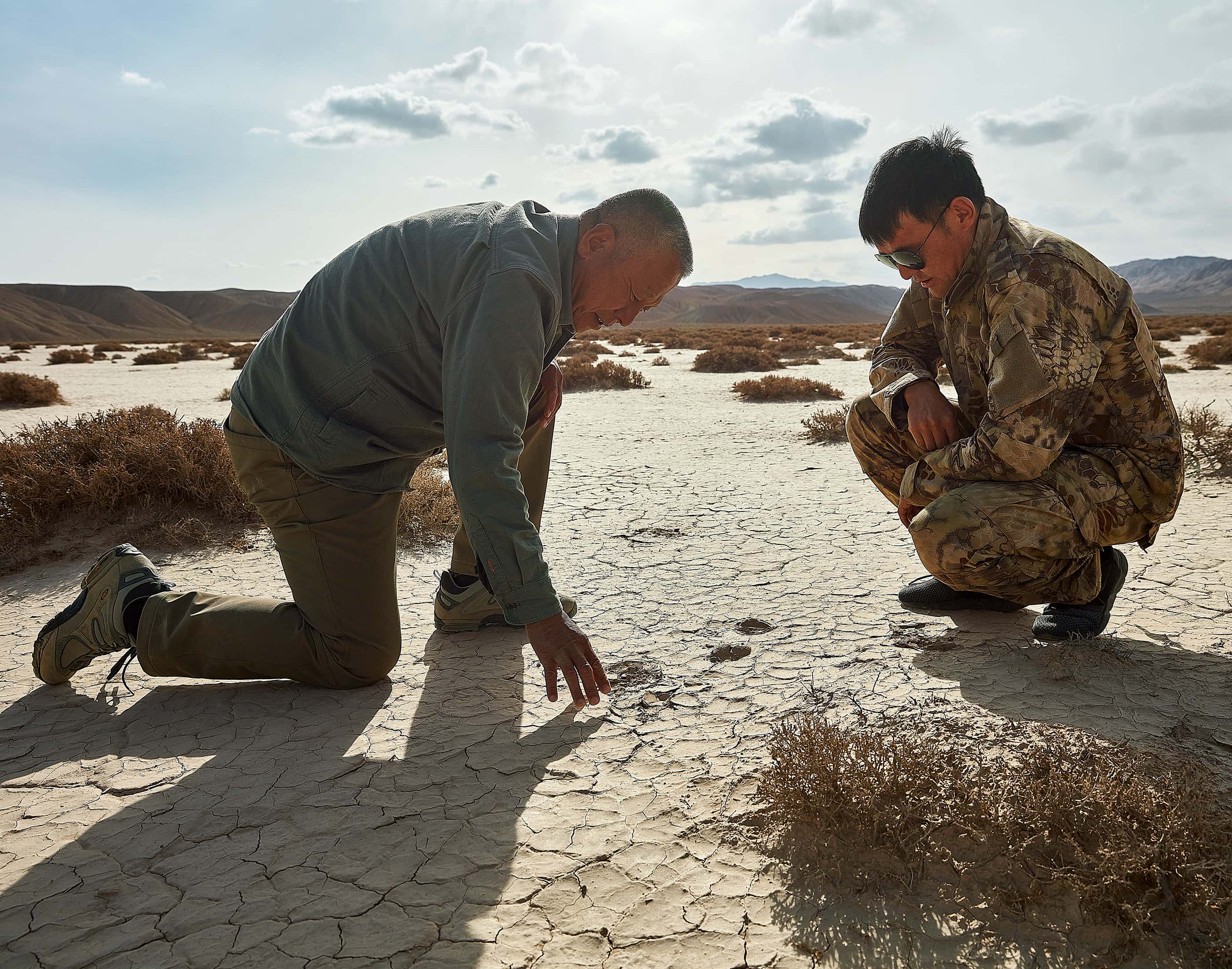
In 2011, while testing the Chinese lunar rover in the Gobi Desert, Liu saw a wild camel for the first time. He began looking for ways to use his expertise to study them — and to help other large endangered mammals around the world.
Wild camels are important, not just because they are a unique species but because they may contain secrets that are beneficial to mankind. But they are already on the verge of extinction.
The surviving wild camels are spread across an area the size of Kansas that straddles the Chinese and Mongolian border. Although they occasionally congregate around both natural and man-made watering holes, the landscape’s forbidding terrain makes it nearly impossible to follow their migration patterns. And so Liu created a plan to track them using satellites.
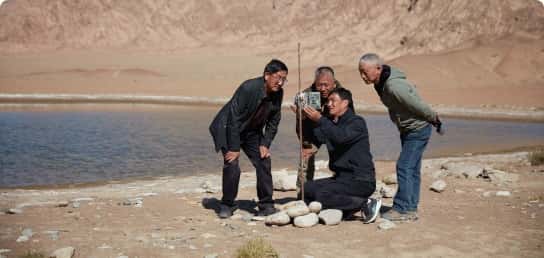
Wild camels are hard to find and spook easily, making it nearly impossible for scientists to fit them with tracking collars. In 2012, however, they were able to attach a collar to their first camel, a female in the Lop Nur Nature Reserve.
Since then, Liu’s team has attached collars to six other camels and used satellites to build a map of their migration patterns, proving that climate change has forced the camels into the mountains, where they are easy prey for wolves. Liu is using these findings to push for the creation of large conservation zones on both sides of the border, while continuing to study the camel population using the 40 new trackers that the Rolex Awards for Enterprise will allow him to acquire.
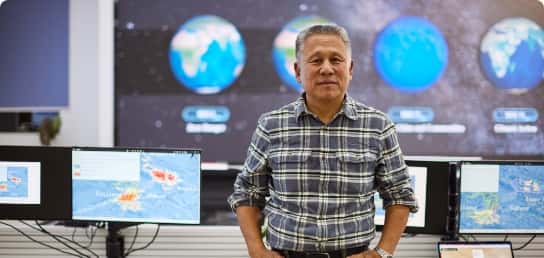
In the future, the survival of wild camels will face severe challenges. We need to take action to protect them and their last remaining habitat.
Liu believes this technology can be adapted to track other endangered mammals living in harsh climates, such as the Tibetan antelope and Siberian tiger. And following in the footsteps of past Laureates Shafqat Hussain and Rinzin Phunjok Lama, Liu has turned his attention to the Asian snow leopard and its mountain habitat, whose water sustains more than two billion people. With the support of the Rolex Awards for Enterprise, Liu plans to expand his network to protect these vulnerable animals as well.