[[svg::sprite]]

The marine biologist protecting one of the ocean’s most robust nurseries

Australia’s Exmouth Gulf is a vital breeding area for hundreds of species of marine life. This scientist has dedicated his career to unlocking its secrets and preserving it for generations to come.

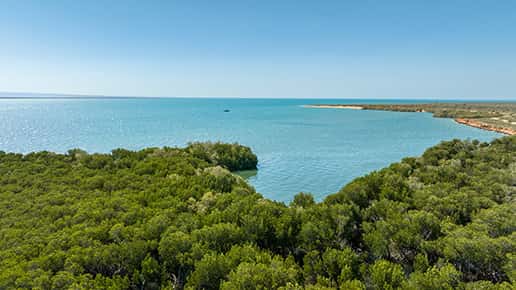
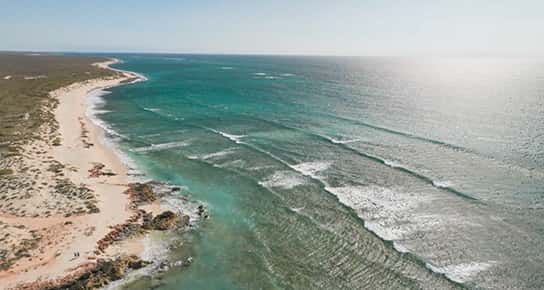
On the Western Coast of Australia, the peaceful waters of Exmouth Gulf shelter one of the world’s most remarkable populations of marine life. Just around the corner from the world-famous Ningaloo Reef, this pocket of water is a breeding ground for hundreds of species and a living laboratory for Ben Fitzpatrick and his team at Oceanwise Australia, who have spent more than two decades studying it and advocating for its preservation.
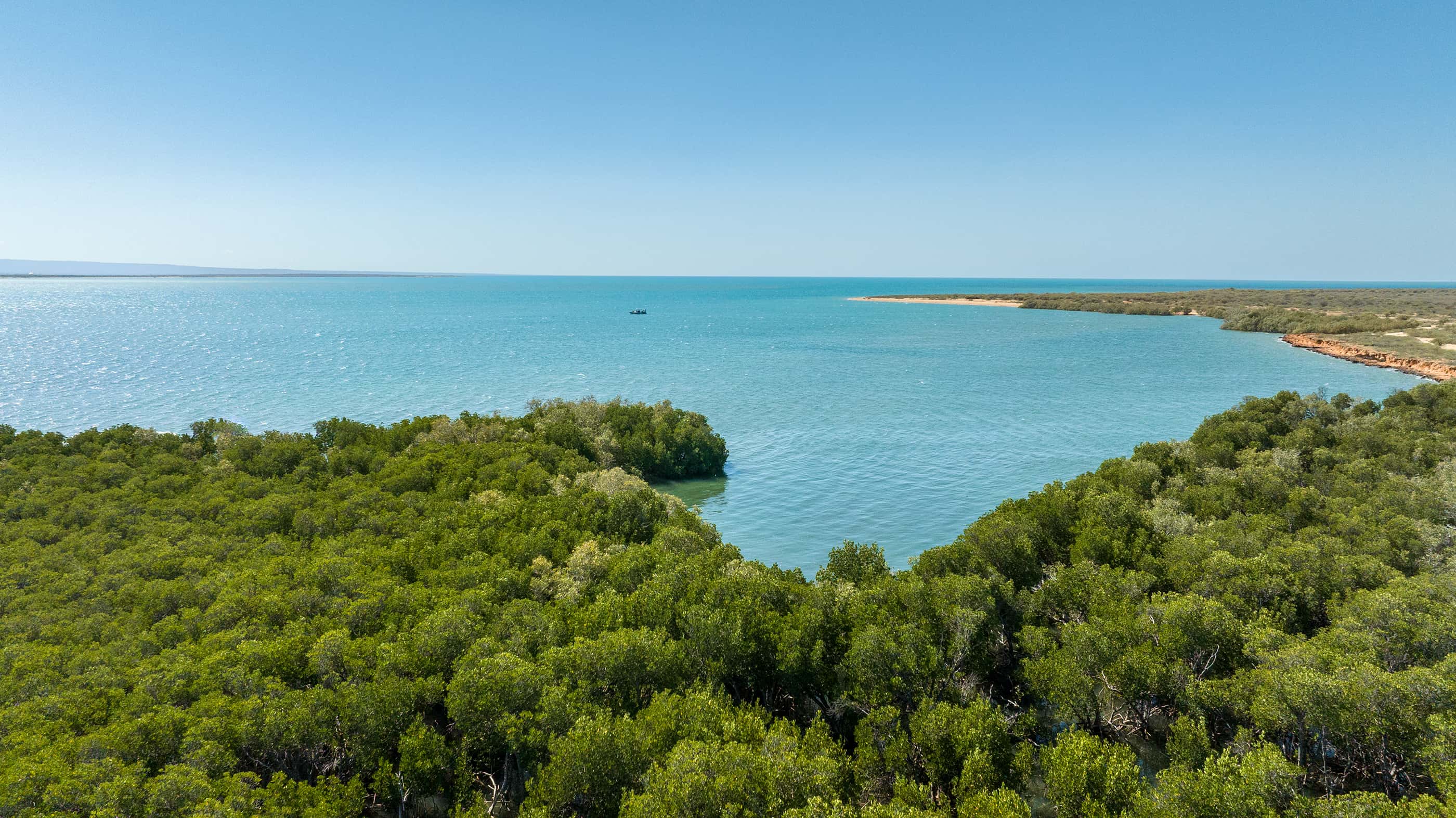
Although Ningaloo Reef’s 2011 designation as a UNESCO World Heritage Site safeguards it from development, Exmouth Gulf enjoys no such protection. Recent proposals for industrial development, including a port whose traffic might disturb sea life and a salt production facility that critics fear could contaminate the Gulf’s coastal wetlands with saline runoff, threaten to change the landscape of the coast.
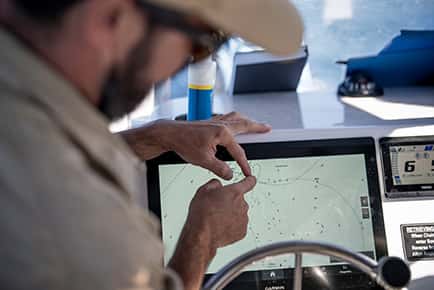
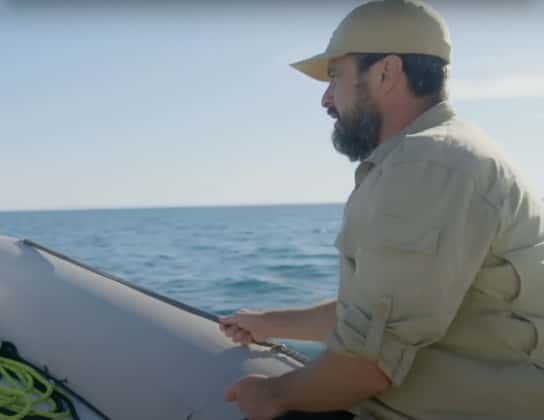
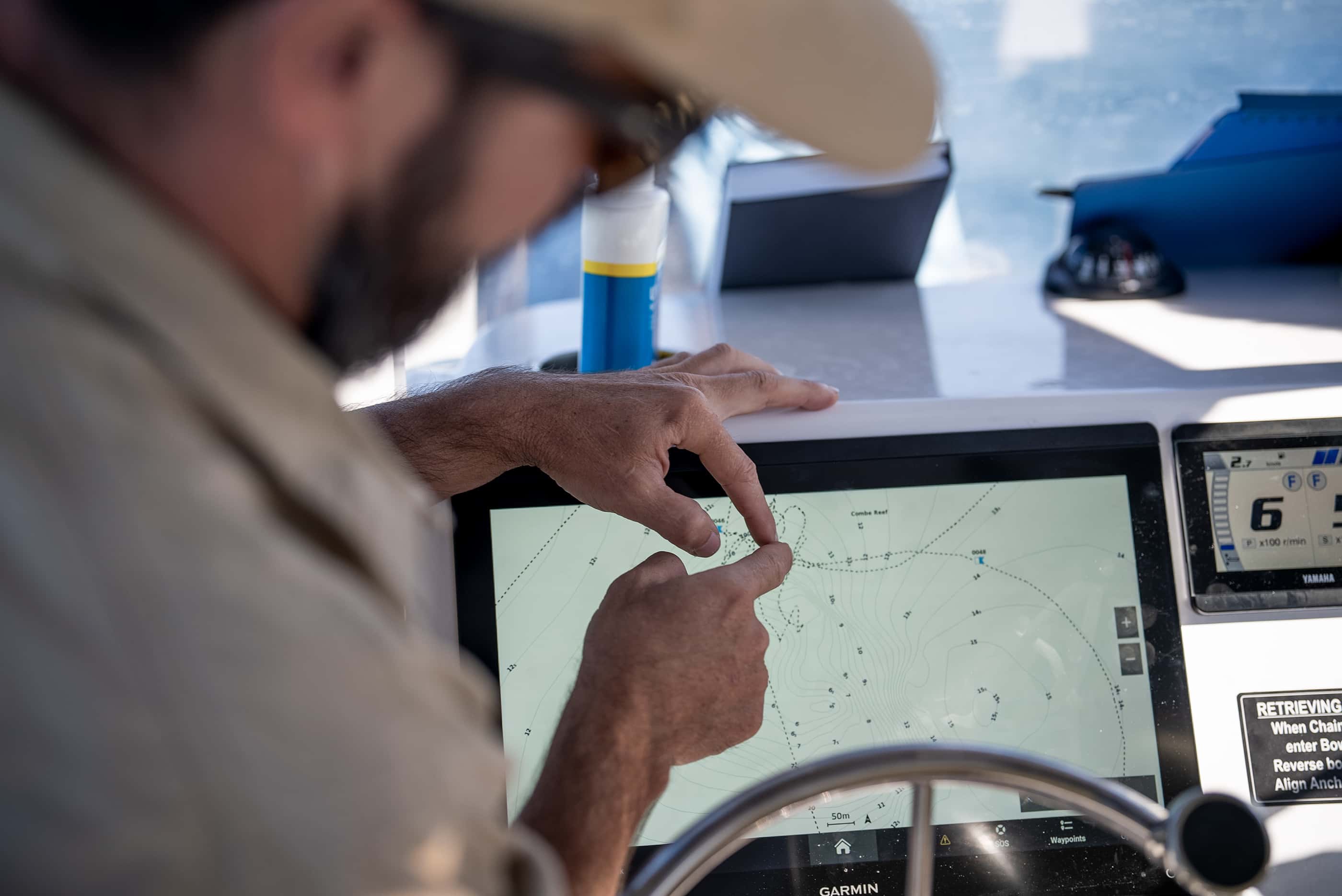
Fitzpatrick has advocated against this development, calling for the Gulf to be given international protections of its own. To support his work, the Gulf has been designated a Hope Spot by Mission Blue, a partner of the Rolex Perpetual Planet Initiative, and Fitzpatrick has been named its Champion. Mission Blue Hope Spots are areas considered critical to the health of the ocean, which deserve preservation for the sake of the planet as a whole.
[Exmouth Gulf is] one of the last examples of this type of ecosystem and we’ve got a wonderful opportunity to keep it in perpetuity. So that’s what we’re aiming for.
— Ben Fitzpatrick,
Mission Blue Hope Spot Champion

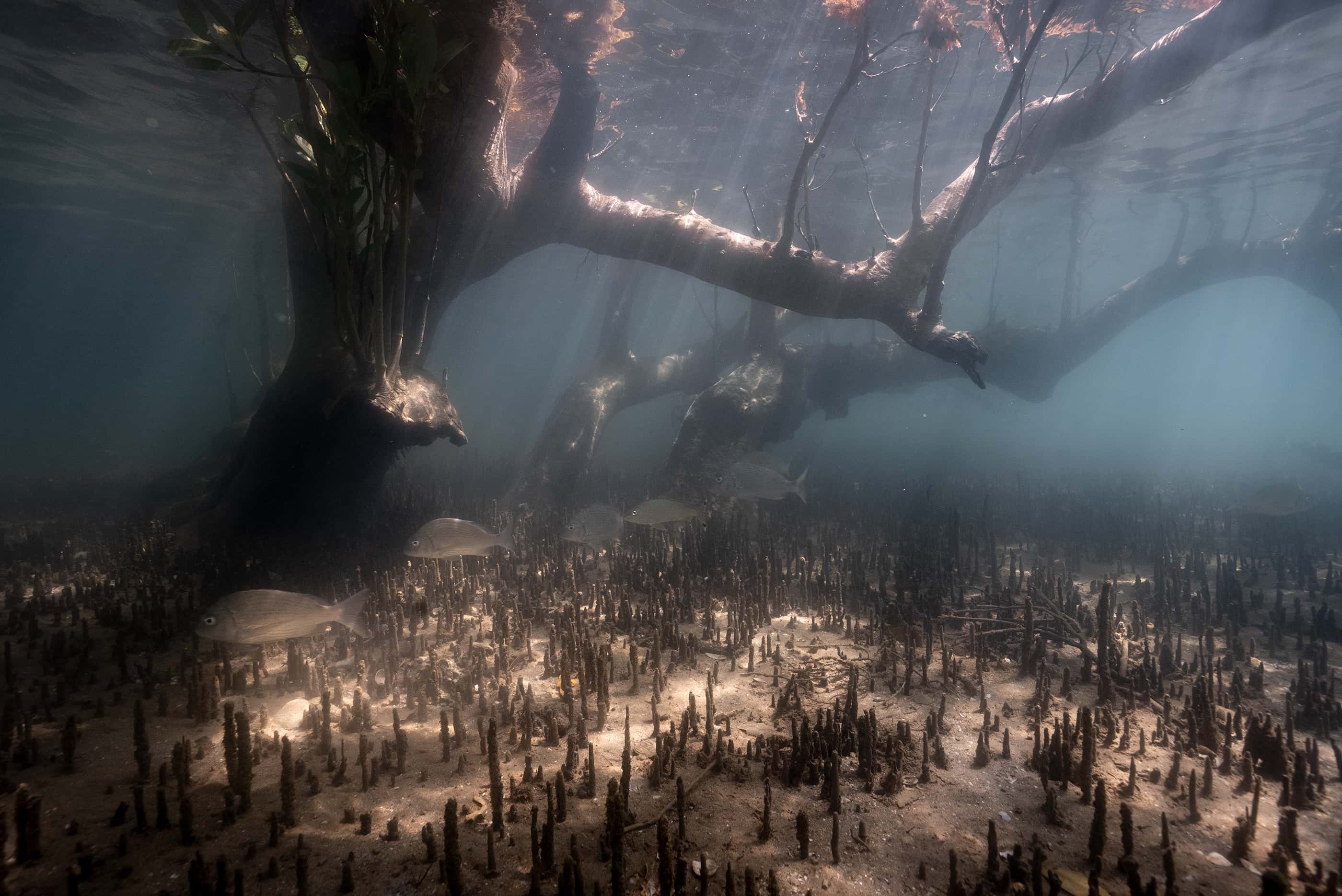
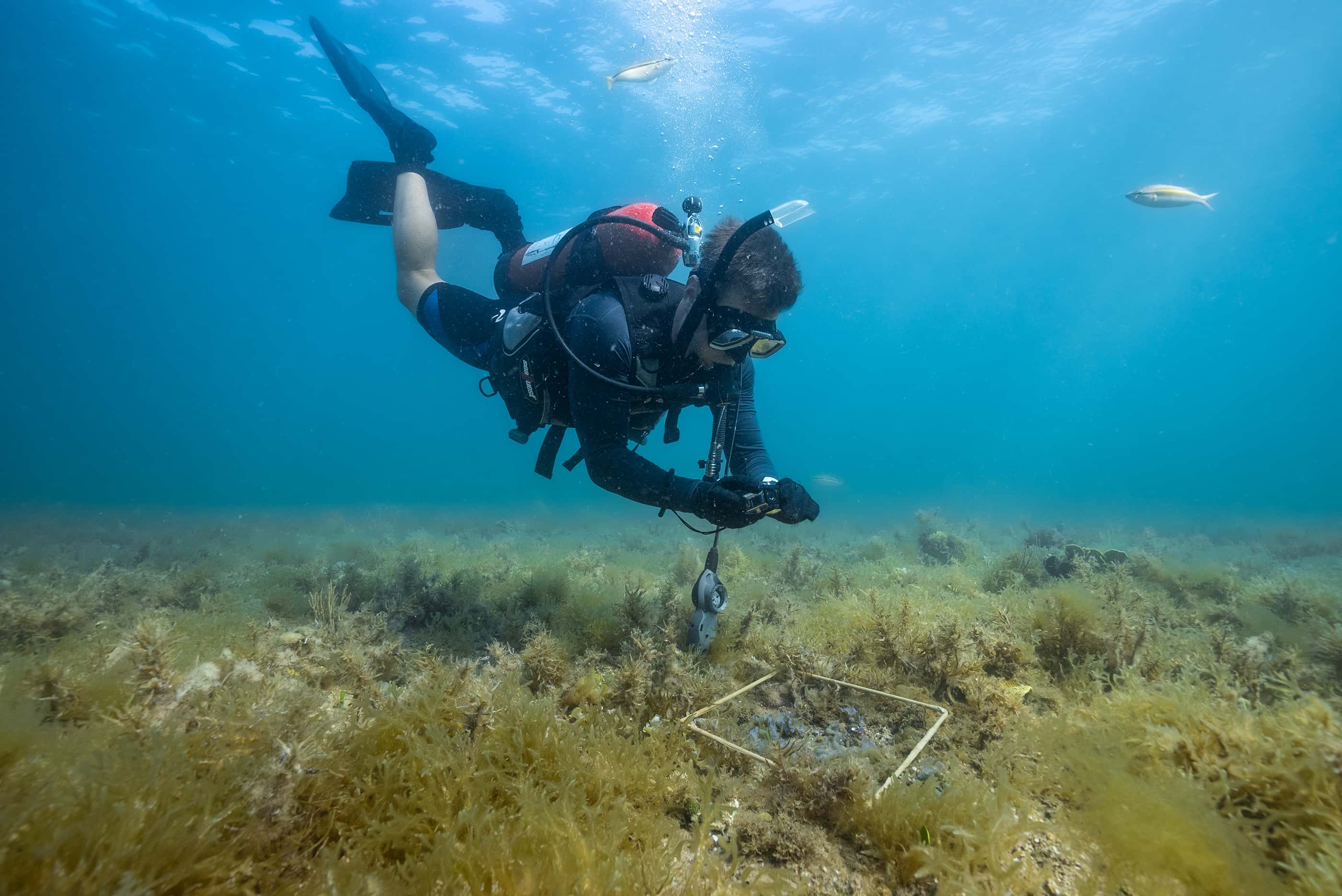
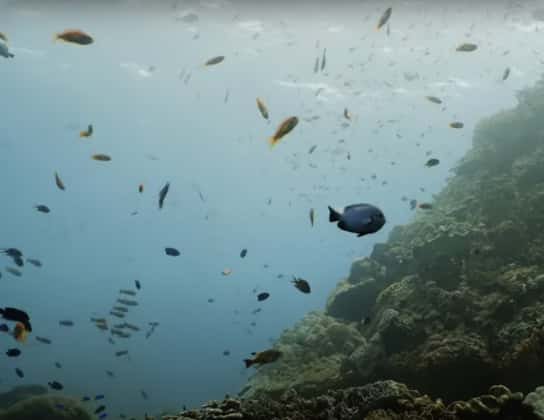
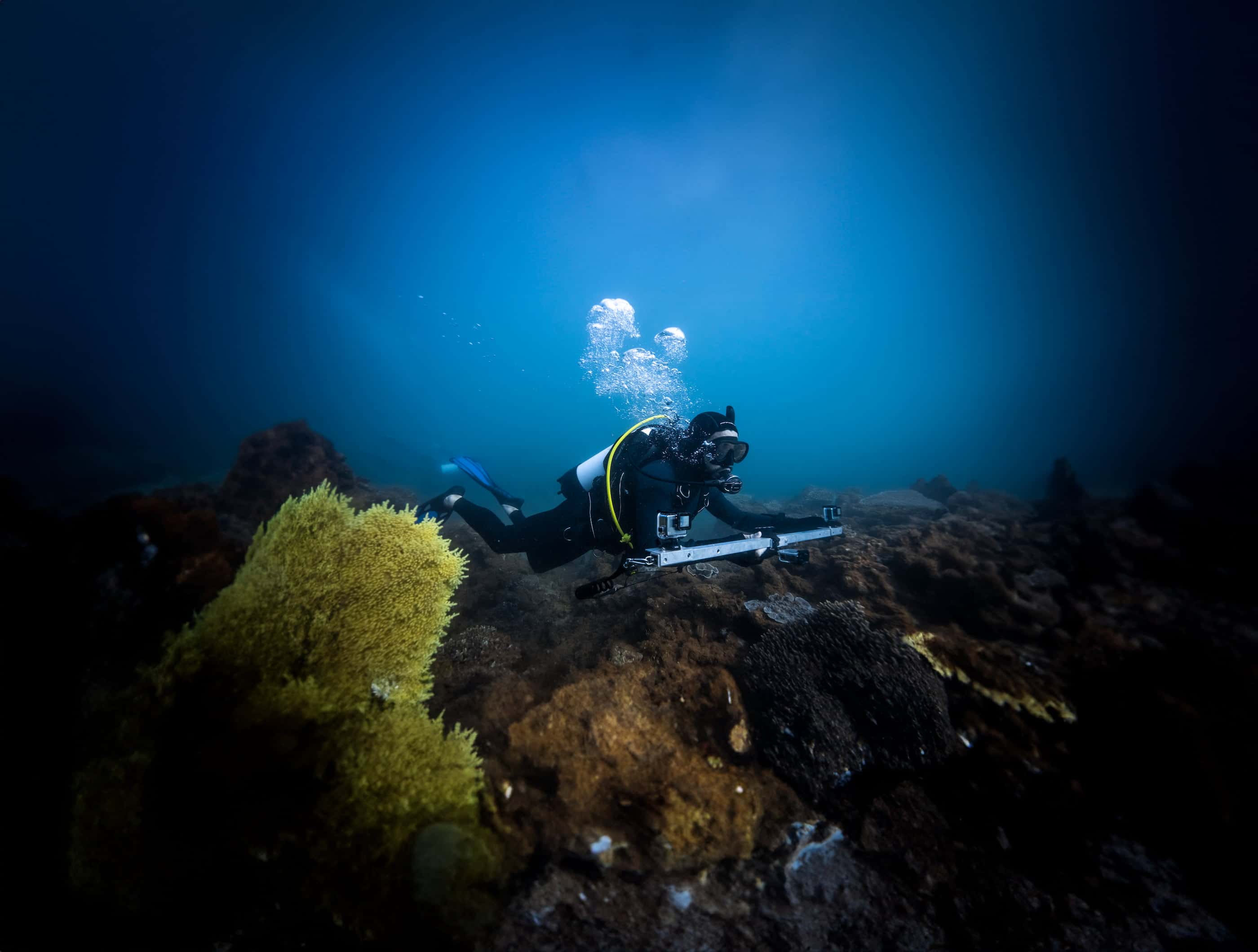
Fitzpatrick’s career as a marine scientist began by listening to his grandfather’s stories of diving in the Gulf. For more than two decades, he has studied its waters, charted its coral forests and tracked the many species that call it home, from massive dugongs and Queensland groupers to aquatic snakes and sea slugs and the minute crustaceans that support the region’s food chain.

The Gulf is also home to one of the world’s largest populations of humpback whales, who nurse their young here before leading them into the open ocean. Because the Gulf’s waters can be cloudy, Fitzpatrick has often been surprised by the sudden appearance of these giants of the sea. “I’ve probably got a few more gray hairs because of those experiences,” he says.

The support of Mission Blue and the Rolex Perpetual Planet Initiative has allowed Fitzpatrick and his team to venture into the Gulf’s uncharted depths, surveying the marine population and discovering previously unknown forests of healthy coral. They plan to use these discoveries to secure international protection for the Gulf.

Preservationists around the world have connected with Fitzpatrick, seeking his guidance as they work to preserve their own waters. He’s currently helping groups in Fiji, Indonesia and Borneo, but Exmouth and Ningaloo remain home.

It’s what you live for, isn’t it? It is amazing to know you’re one of the first people to lay eyes on these places. And isn’t that what life is about? Exploring and discovering new things?
— Ben Fitzpatrick