

The
Microscopic
Life Forms that Make Ice Melt
This article reports on the impact of Rolex’s Perpetual Planet initiative, which supports outstanding individuals and organizations that are implementing novel solutions to the world’s most pressing environmental challenges. The initiative includes the Rolex Awards for Enterprise, a program that for over four decades has recognized changemakers from around the world, including glaciologist Joseph Cook, who is featured in this story.
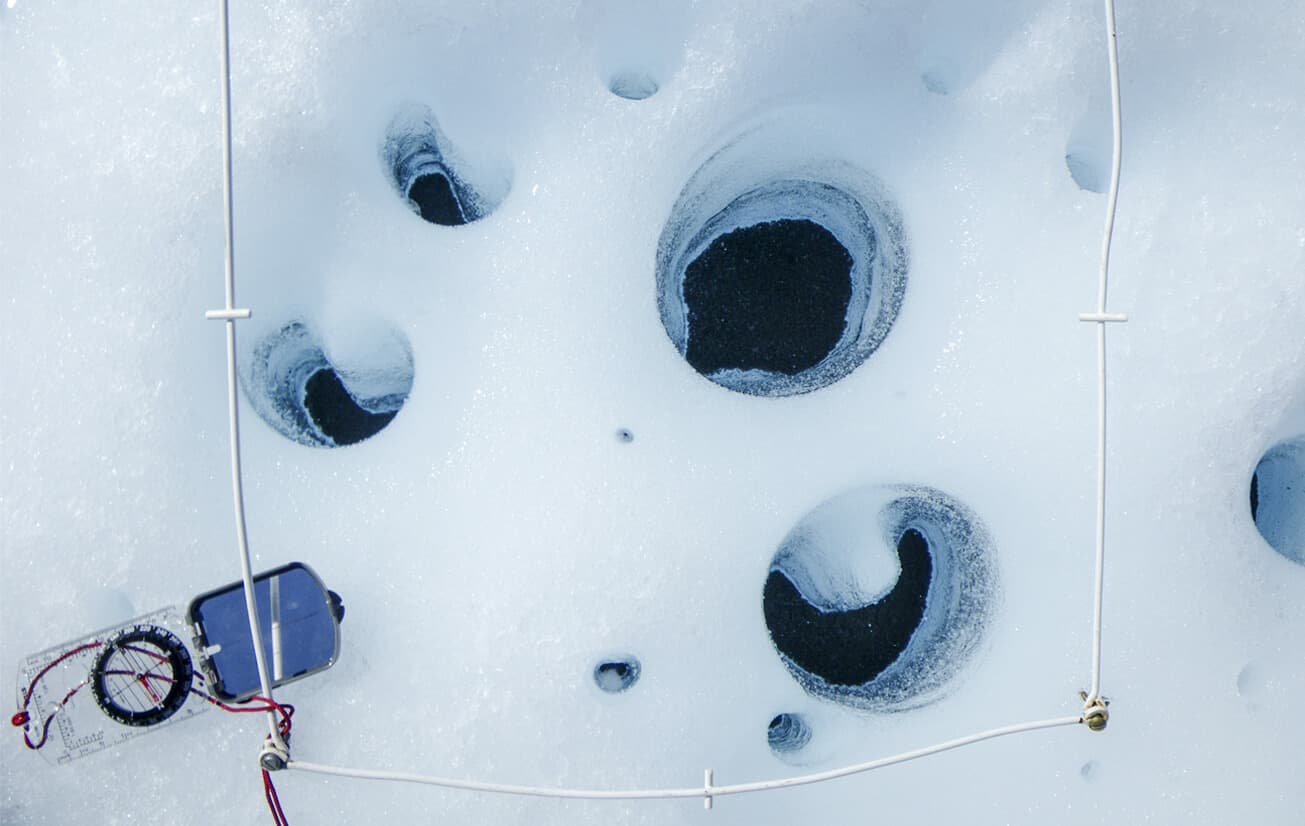
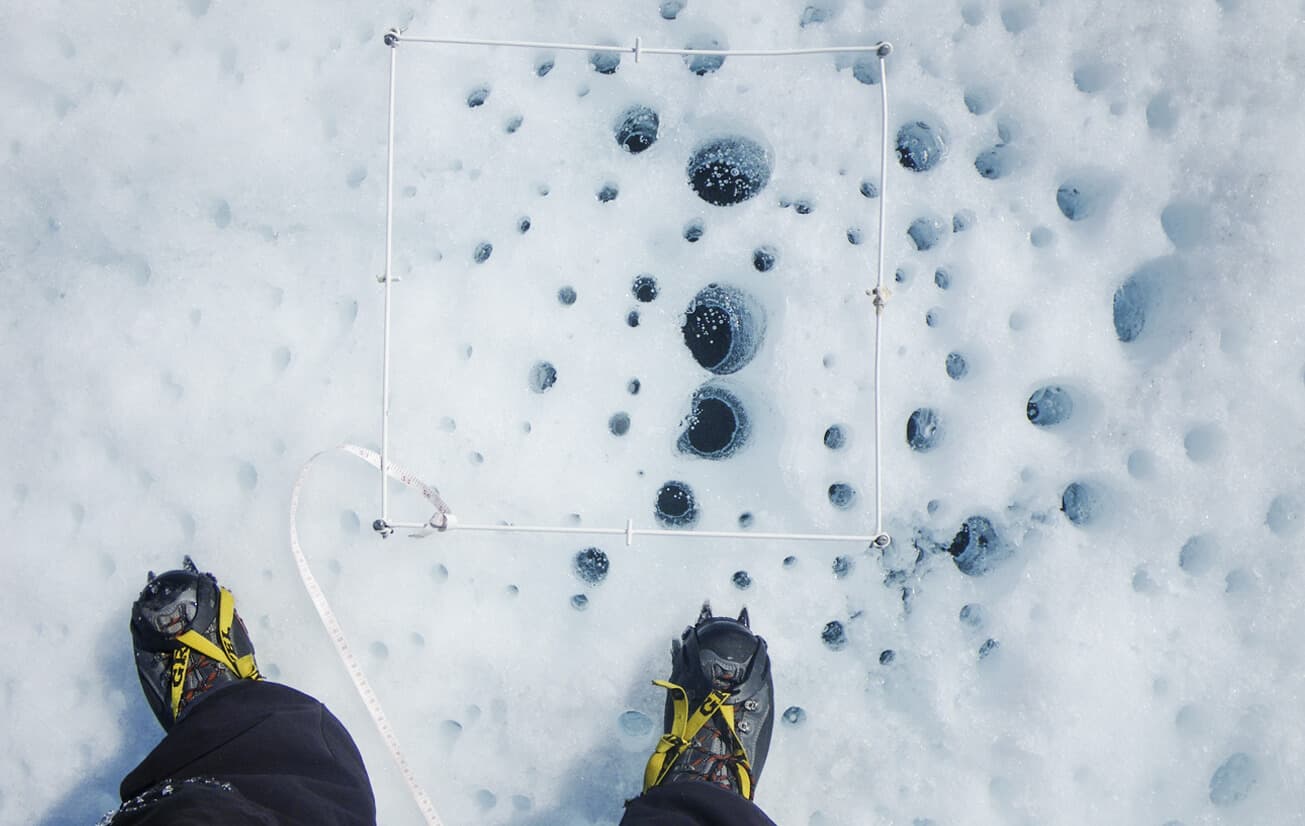
British glaciologist Joseph Cook had spent months painstakingly calibrating special sensors to study the small holes that often appear in the surface of glacial ice, as well as the microorganisms that live within them. Specifically, his instruments were designed to measure the levels of water that accumulated in the holes, and he had traveled to the frigid expanses of Greenland with a team of fellow researchers to deploy them. “I got them to Greenland, wired them up incorrectly—and blew them all up!” he said.
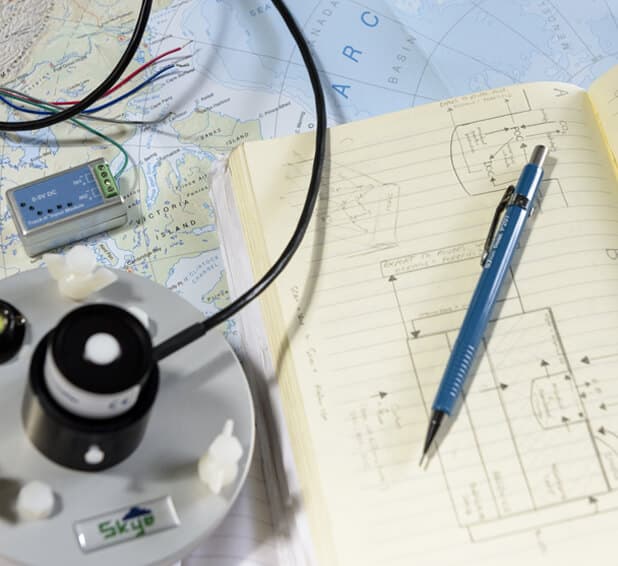
Then a Ph.D. candidate at the University of Sheffield, Cook scrambled to find something to study. “I had a look through a bag of random science stuff that I had with me, and there happened to be two pyranometers, which are sensors for measuring light.” He remembered there was a method for using pyranometers to evaluate how well a surface absorbs or deflects solar energy. Cook decided to take some readings.

Photo ©Courtesy of Joseph Cook
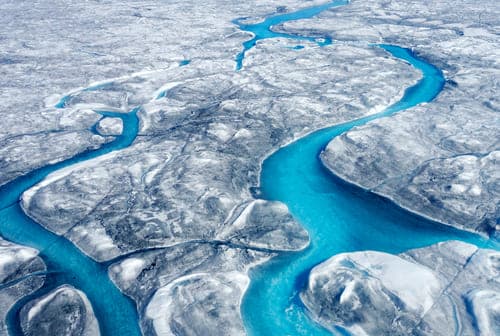
It turned out to be a serendipitous moment. His calculations found that certain parts of the glacier—the holes he intended to originally study, as well as other areas with a high density of algae and other microorganisms—were measurably darker, causing more of the sun’s energy to be absorbed. This was leading to an increased rate of ice melt. Put another way, tiny creatures, found in the bleakest polar habitats, were likely accelerating the rate of global sea level rise. Based on this discovery, Cook pivoted the primary focus of his research and began investigating the impact of microscopic life forms on glaciers worldwide.
These days, the primary drivers of global warming are evident. Yet Cook’s work spotlights an oft-unacknowledged aspect of climate science: beyond fossil fuel use, there are myriad factors contributing to the challenge—and thus myriad avenues to positively effect change. Through his unique research, Cook has been able to raise awareness about one of the unexpected causes of the rising seas.
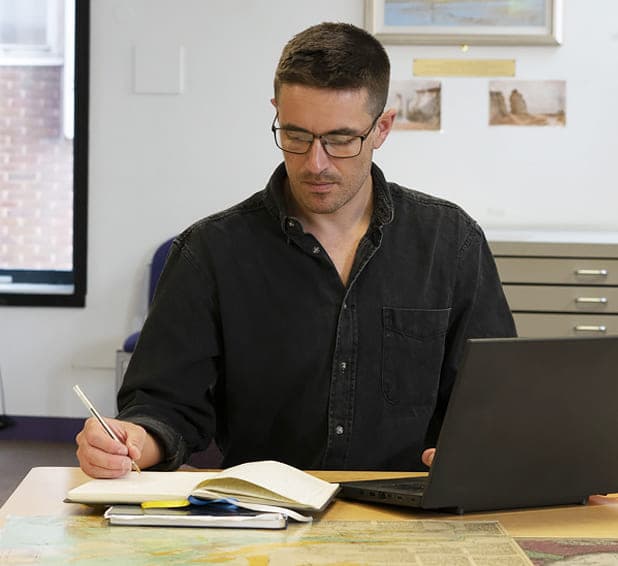
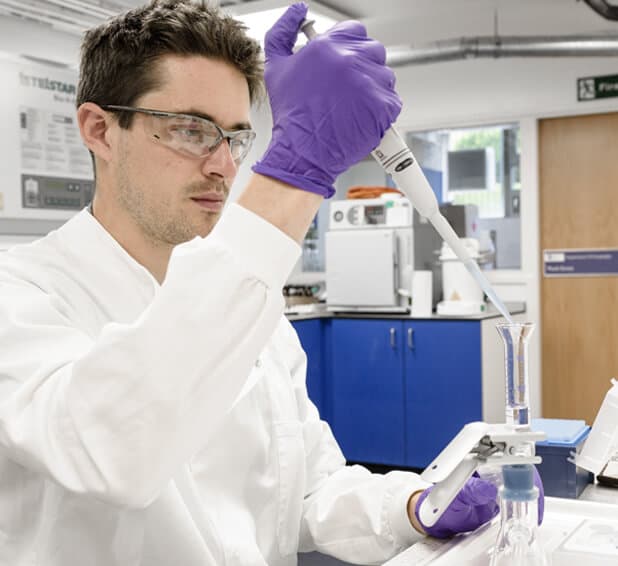

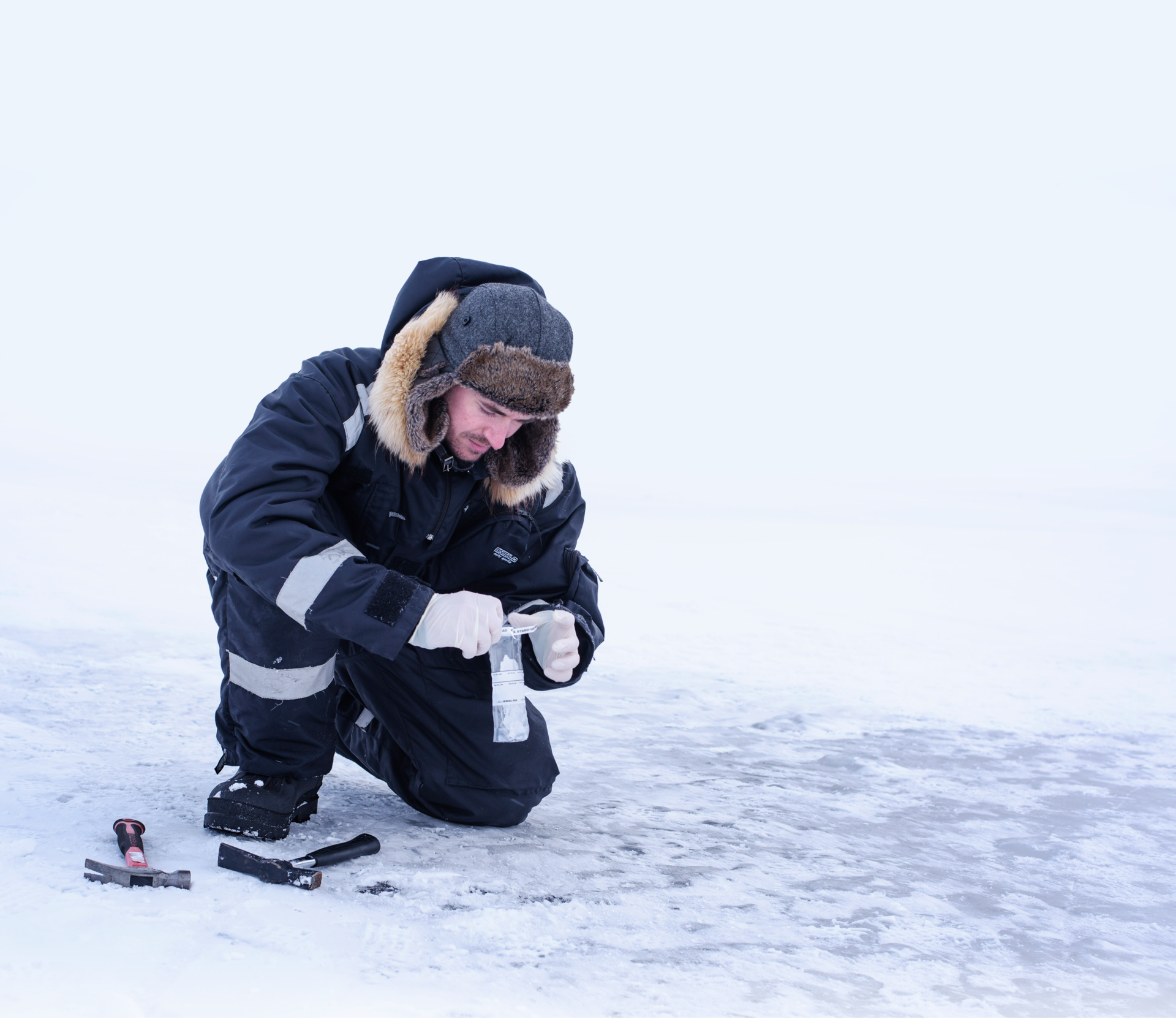
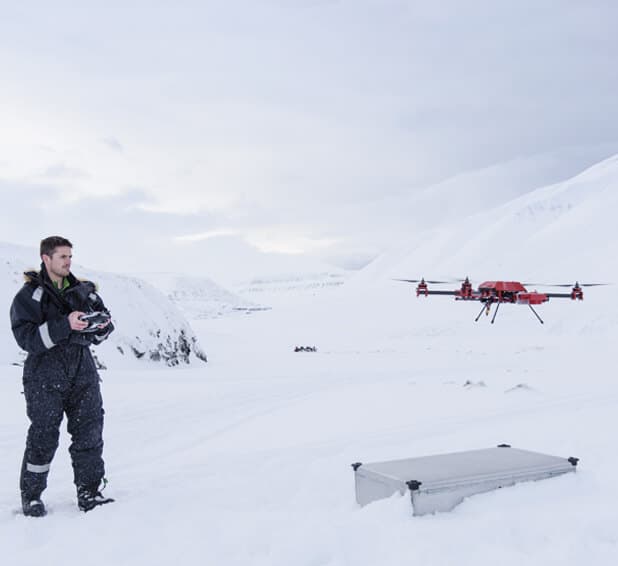
Joseph Cook collects samples of Arctic ice in Svalbard, Norway.
Life on ice
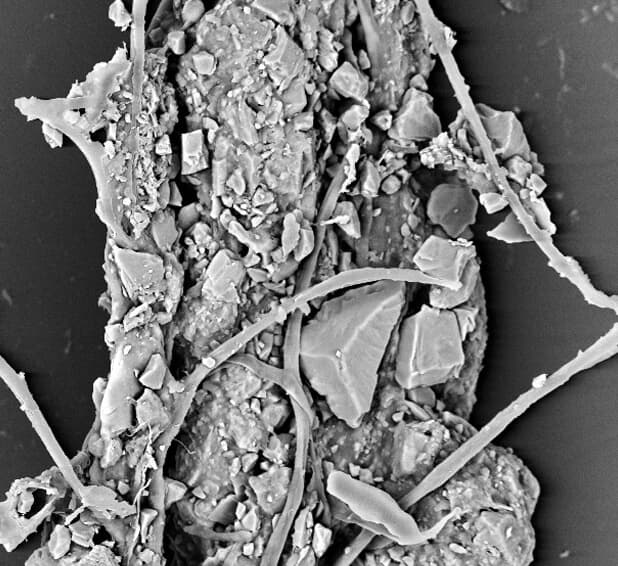
Cook—currently a senior researcher with Denmark’s Aarhus University—is quick to point out that he’s hardly the first person to notice dark areas on the Greenland ice sheet, nor the holes that form on the surface. He cites Swedish polar explorer Adolf Erik Nordenskiöld, who, after travelling to Greenland in 1883, detailed what he called “cosmic dust” on the surface and complained about tripping in the holes in the ice. Nordenskiöld had realized back in the 19th century that the dust, which he dubbed “cryoconite,” was contributing to the decay of glaciers. Other researchers soon realized there was microscopic life involved in the cryoconite material. By the 1930s, scientists knew the holes were formed by cyanobacteria that captured debris in its long strands until the granules grew heavy enough to sink into the ice. Up through the 1970s, researchers continued to study the interplay between microbiology and the condition of glaciers.
But for whatever reason, over the next few decades this knowledge was disregarded and replaced by a “general scientific consensus that there was no life on ice, that snow and ice was just inert and lifeless and sterile,” lamented Cook. It wasn’t until recently that researchers began to take a fresh look at glacial biodiversity—in part because of a broader focus on the role these enormous masses of ice were playing in a quickening climate crisis.
listen
CLIP 1
Joseph Cook discusses how he first became interested in glaciology.
CLIP 2
Joseph Cook explains why studying the Greenland ice sheet is critical to managing sea level rise.
These clips were taken from Episode 5 of
Planet Visionaries, a podcast that delves into the extraordinary work of a range of Change Makers supported by Rolex. Episode 5, which features a conversation with Cook, is available for download now.
The ice clustered around the poles is vital to keeping Earth habitable. It helps regulate ocean currents and temperatures, and reflects a high percentage of solar radiation back to space. Yet in recent years, the polar ice sheets have entered an unprecedented period of decline. A recent report found that the planet has been losing 1.2 trillion tons of ice per year since the 2010s. In Greenland alone, the ice pack is losing approximately 234 billion tons annually. Should the entire Greenland ice sheet collapse and melt, ocean levels would increase by 21 feet.
Most glacial melting is caused by climbing air and water temperatures. Cook’s discovery, however, indicated that biological processes on the ice surface are also contributing to the rapid decline. His next step was to determine by how much.
How the camera became
a tool for conservation
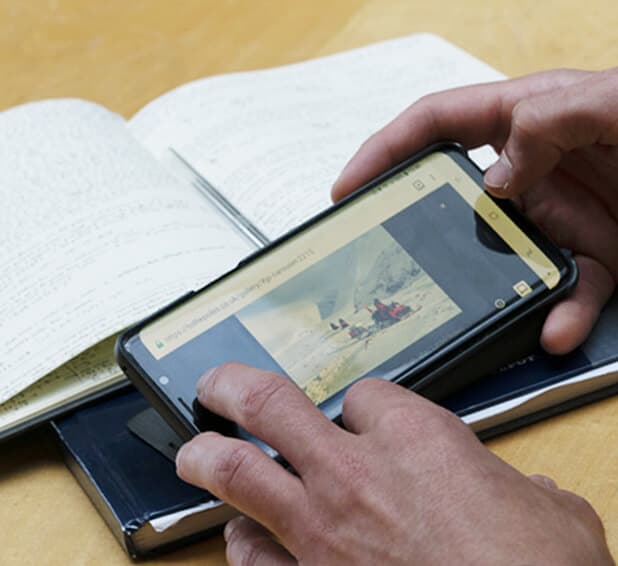
Rolex’s support enabled Joseph Cook to pursue an additional project: the production of a short documentary about his efforts called Ice Alive. The goal of the film was to raise awareness about his pioneering research among a more general audience. It’s a tactic that is increasingly used by scientists to share vital information about the changing world. We spoke with wildlife filmmaker Bertie Gregory about why documentary video is such a powerful and effective medium for educating the public about environmental challenges.

What’s the role of wildlife filmmaking in raising the public’s awareness about conservation issues?
My profession is in wildlife filmmaking rather than conservation filmmaking. That said, I think they are inherently linked. I’ve always felt that the conservation element was integral to the story—it not only makes the narrative better, we also have a responsibility to try to safeguard the animals and habitats that we’re filming. I’m passionate about wildlife films being conservation films as a standard.
How has the reception to films about environmental challenges evolved over time?
Even in the last five years, it’s really changed. If you watch the original Planet Earth series from 2006, it’s very much just about the beauty and curiosity of the wildlife. And then you watch one of the latest programs and there’s some serious analysis about climate change. It used to be that conservation was the secret “c word” that no one could mention in wildlife films—whereas now there’s real demand for those stories.
How can filmmakers effectively document climate change?
Certain aspects of global warming are easy to capture on camera, like the fires in California. But climate change is a long-term process and that can be challenging to film. How do you visually show a slowly melting glacier, for example? It’s pretty hard. You’ve got to find things that people connect with, such as an animal character, and look at how they interact with the changing environment and how they can be a lens through which to understand a bigger concept.
Addressing ice melt
with math
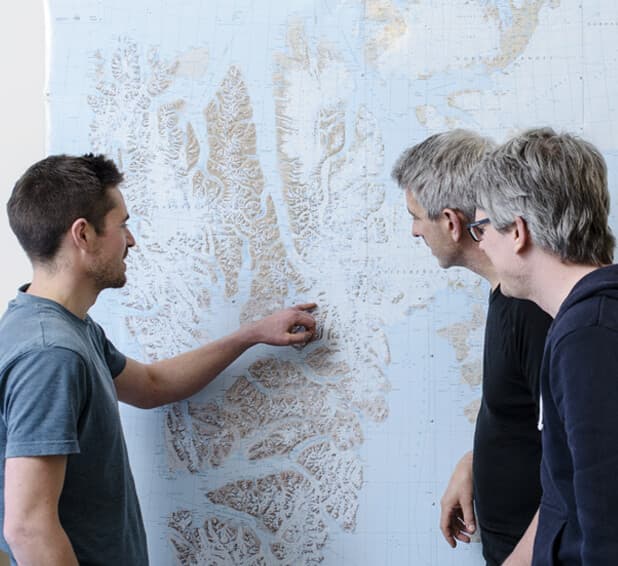
Over the subsequent years, Cook and his team began to build mathematical models to calculate how much algae and other microorganisms were impacting the ice sheet. The model relied on field samples and drone imagery gathered during a series of expeditions to Greenland.
These innovative efforts were enhanced in 2016 when Cook was named a Rolex Laureate, part of the Rolex Awards for Enterprise program. “That was a turning point in my career and my life in general,” he said. Not only did the award encourage him to pursue more “adventurous research and exploration,” as he put it, but it exposed him to new professional contacts and opportunities that have expanded his scientific work. To take just one example, Cook partnered with fellow Rolex Laureate Francesco Sauro, a geologist, to explore caves hundreds of meters below the Greenland ice sheet. “The data we collected down there will help us to understand the plumbing system of the ice sheet better and the potential for microbial life to exist in extremely cold and dark environments,” he said.
Do you know...
Choose one to reveal answer.
(5.8 million square miles).
Learn more at nsidc.org.
*last updated March 2020
The goal of this work isn’t purely academic. Cook hopes his research can offer direction to leaders involved in shaping climate policy. “The way I see my role,” he said, “is providing the informational tools that will allow decision-makers to make better decisions, and manage our resources in a more informed and intelligent way.”

Photo ©Chiara Luxardo
And while he believes structural changes are necessary to avert the most severe future projections, Cook notes that individuals have a part to play: “I think that behavioral choices can move the needle when they scale up over large populations and over sufficient time—things like walking instead of driving for short journeys and being sensible with household energy expenditure.”
With a clear nod to all he’s discovered through his work, he adds pointedly, “Little things can make a difference.”

Photo: Courtesy of Joseph Cook