Uniting the Andes Mountains to save a remarkable tree

Rolex’s Perpetual Planet Initiative supports individuals and organizations
developing solutions to today’s environmental challenges.
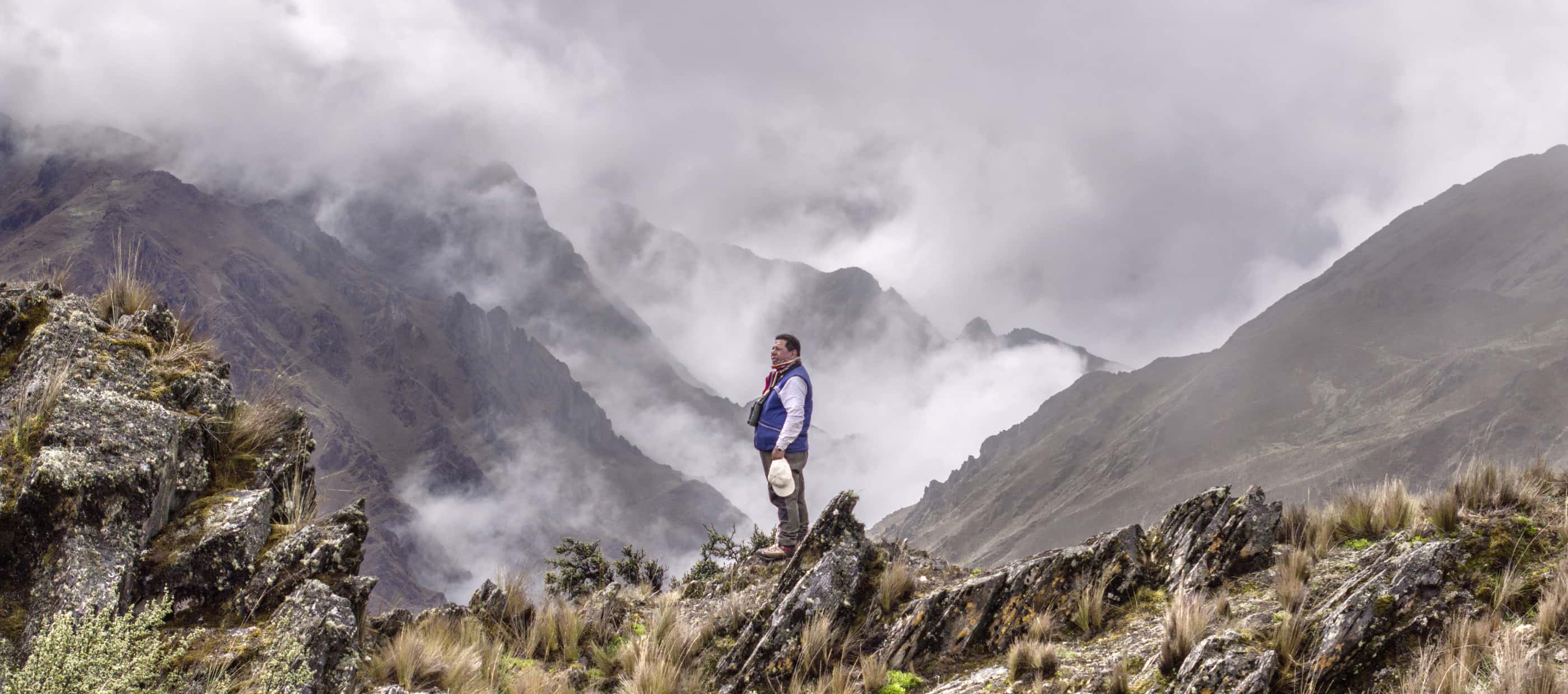
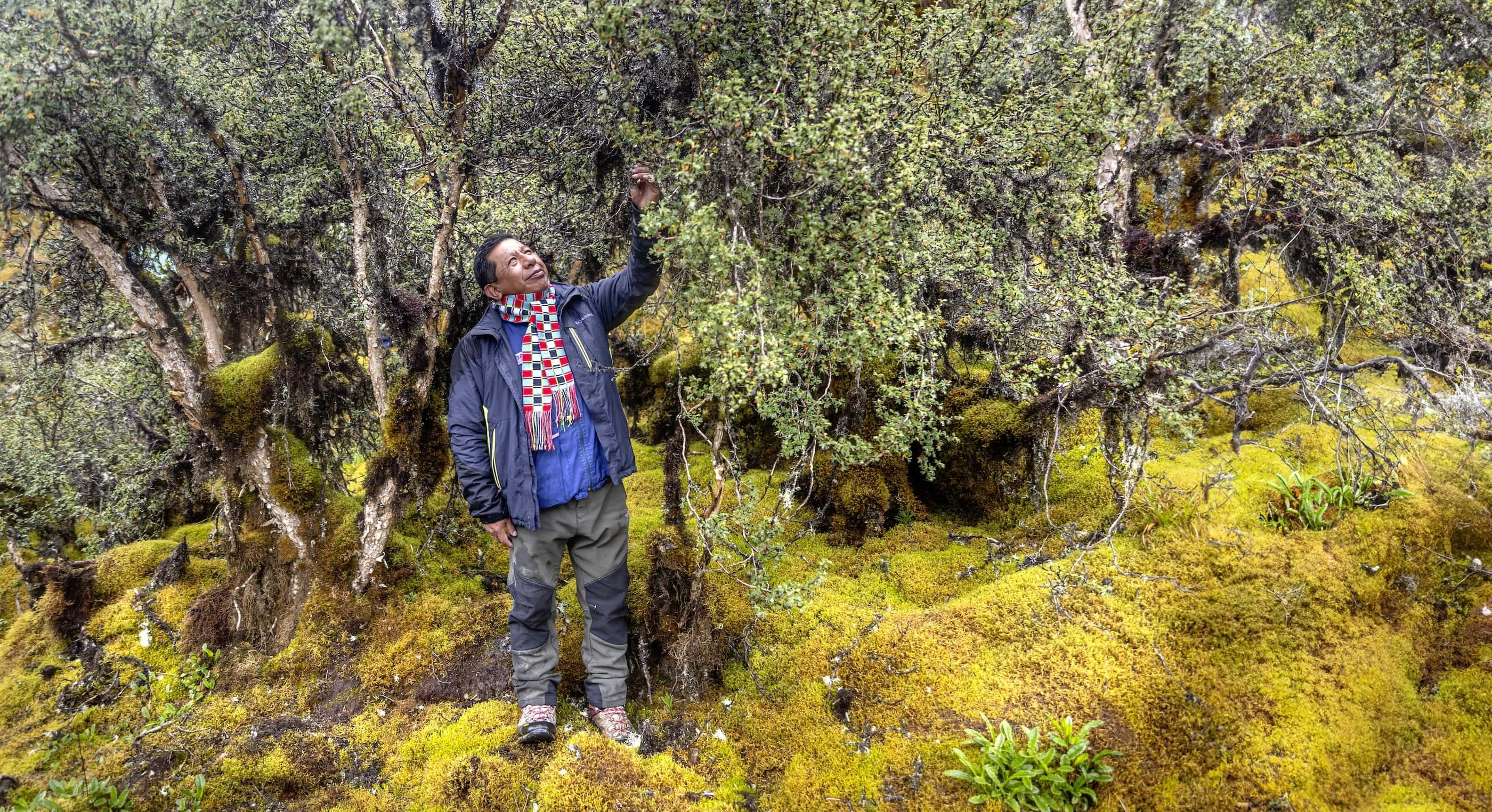
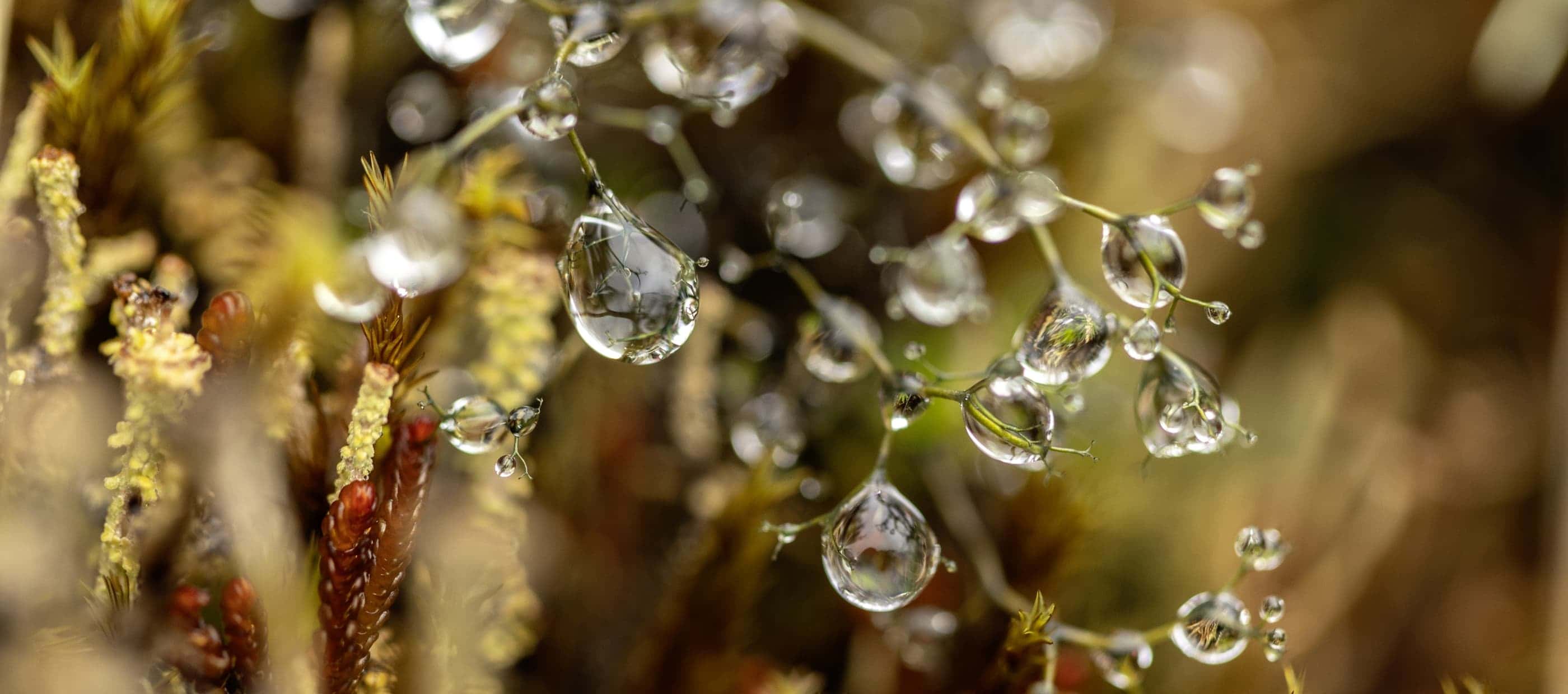
On the windswept slopes of the Andes mountains, rugged forests grow. These exceptionally hardy trees and shrubs, known as Polylepis, have twisted branches that look like something out of a fairy tale. They are some of the most unusual trees in the world, growing at altitudes that would destroy flimsier species, and they support life across a mountain landscape that stretches the length of South America. Their roots prevent soil erosion. Their crannies provide shelter to endangered species like the Andean condor and Andean mountain cat. But most of all, these trees provide water. Their gnarled limbs capture moisture from rainfall and rising clouds, diverting it toward the Amazon, whose waters flow east from the Andes and which is a crucial stabilizer for the entire planet.
Without the Polylepis, that water washes away. Without water, animals that live nowhere else and people whose culture reaches back to the Incan Empire cannot survive.
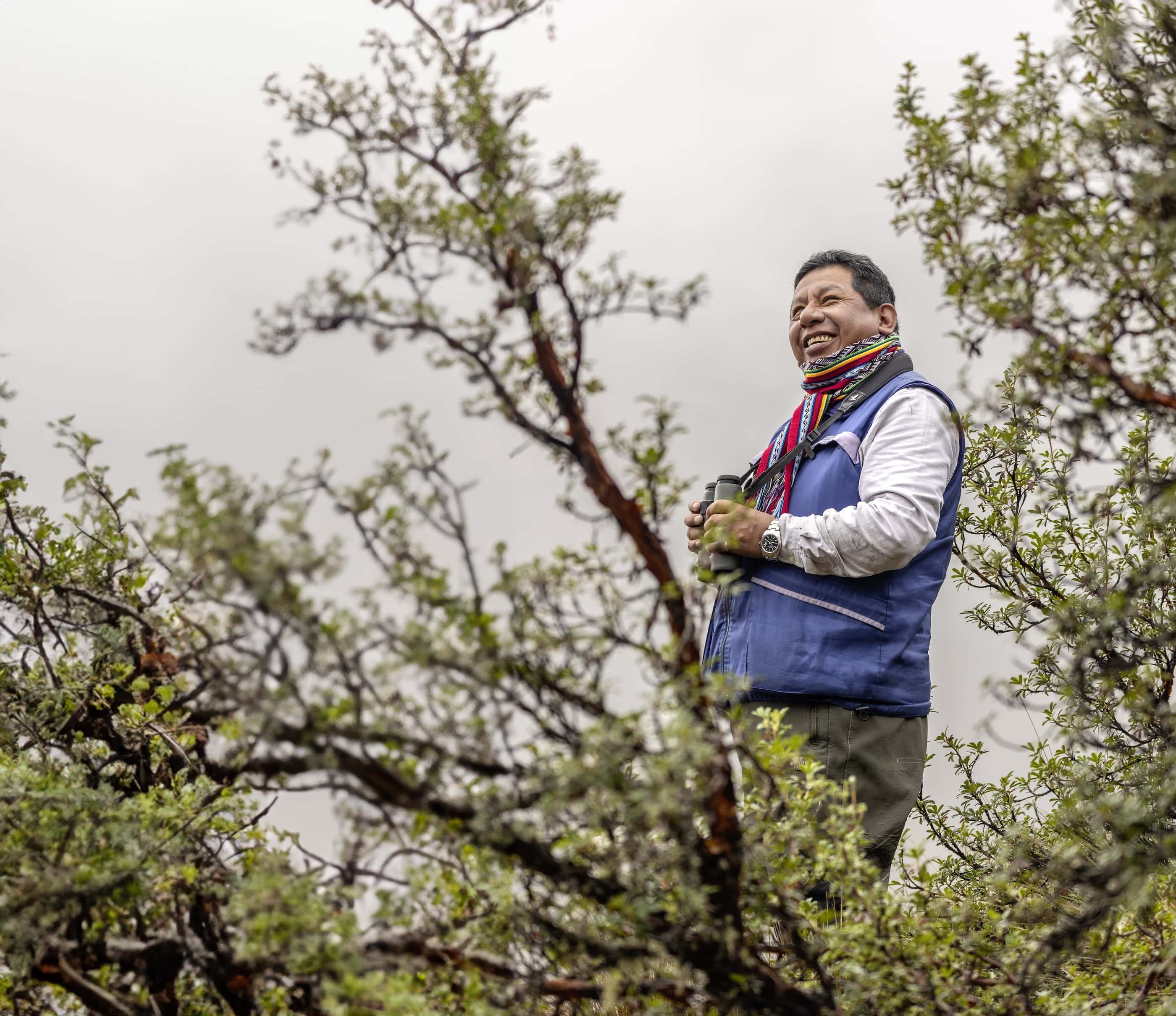
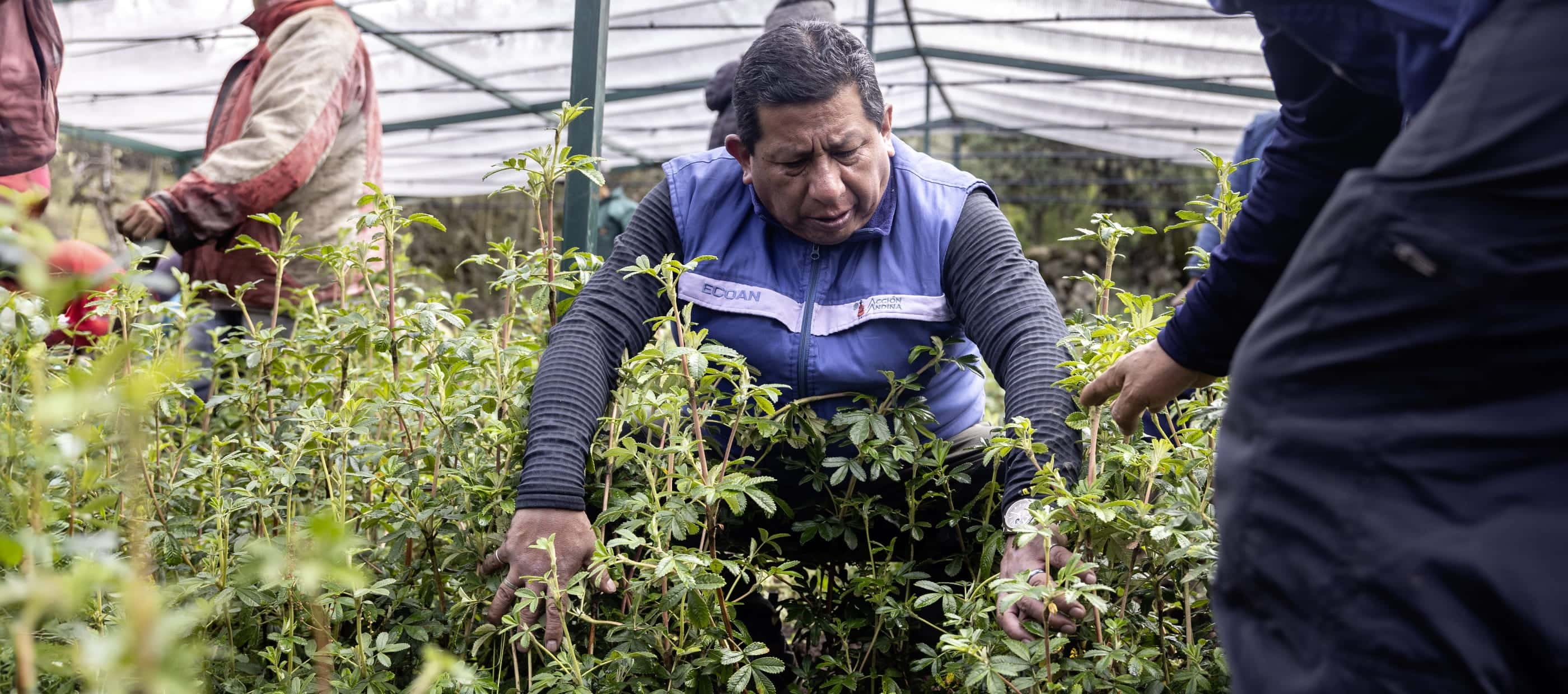
For over three decades, Peruvian biologist Constantino Aucca Chutas has worked to preserve these unique forests, which have been eroded by farming, overgrazing, illegal logging and annual fires — undermining the environmental health of the mountains, the Amazon and the world. As the founder of the Asociación Ecosistemas Andinos (ECOAN), a nonprofit NGO dedicated to conserving threatened Andean ecosystems, Aucca Chutas has organized the planting of more than 4.5 million native trees in Peru over the last two decades. Now he has been named a Rolex Awards for Enterprise Laureate, recognizing him as someone whose innovative work is improving life on earth and preserving cultural and national heritage for future generations. With their support, he plans to scale up his work like never before.
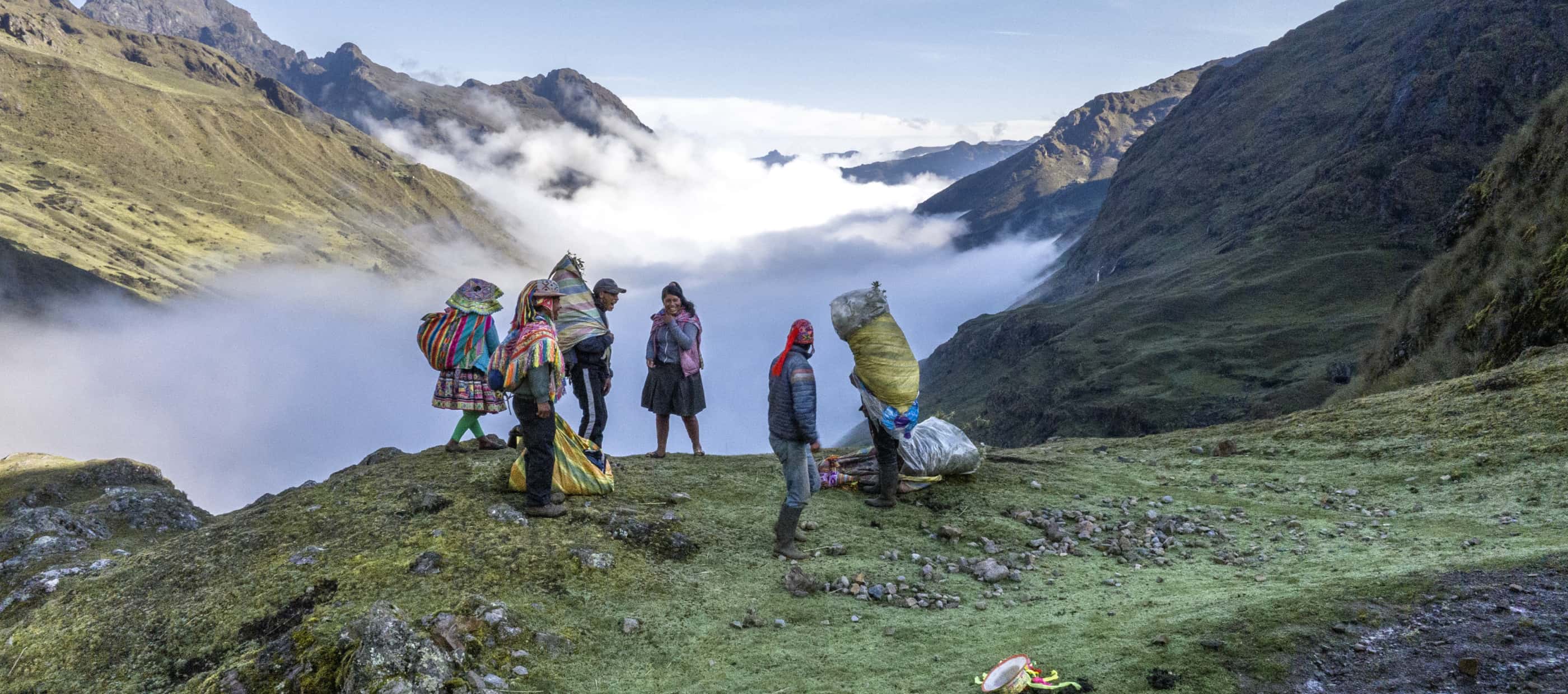
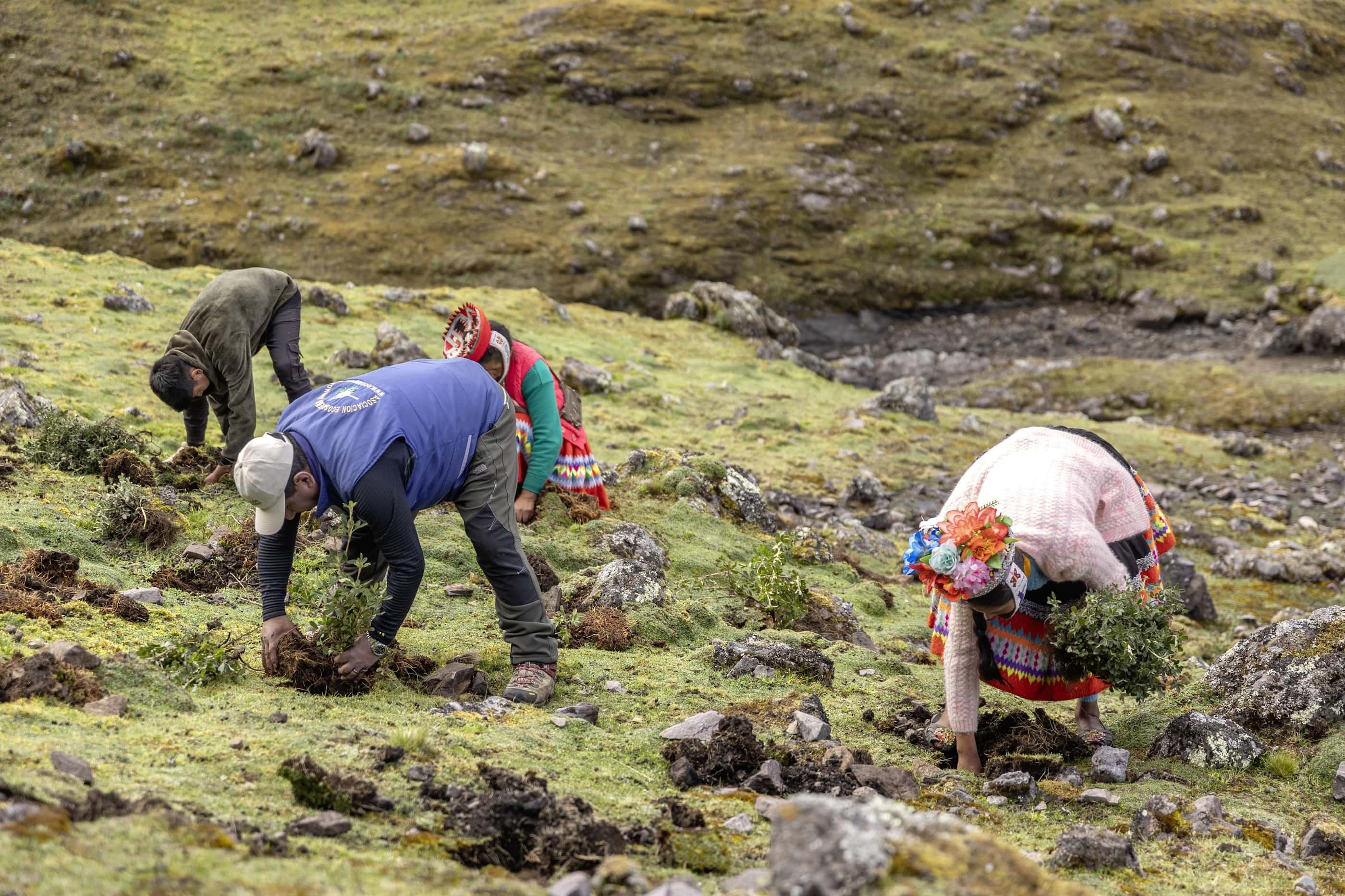
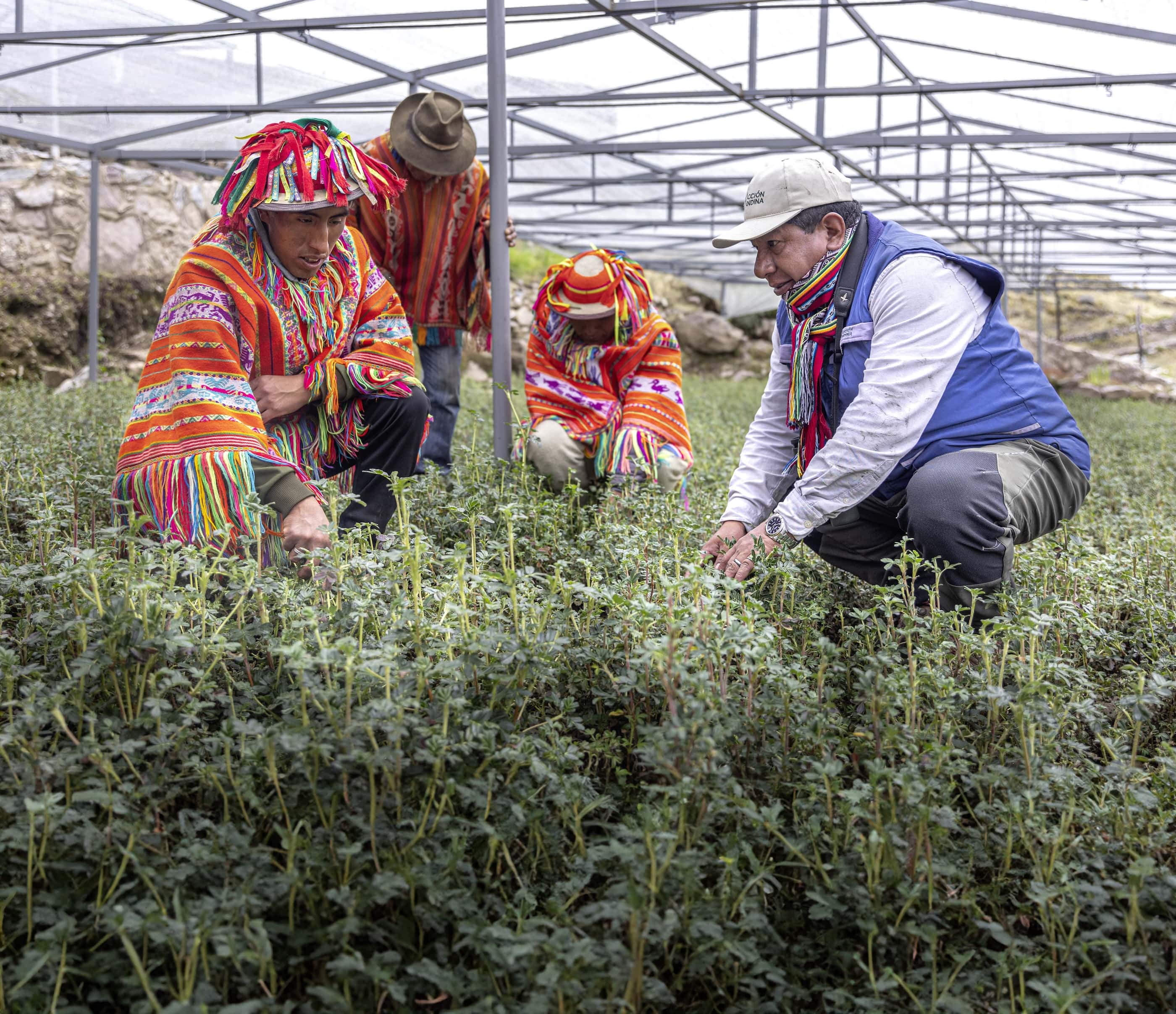
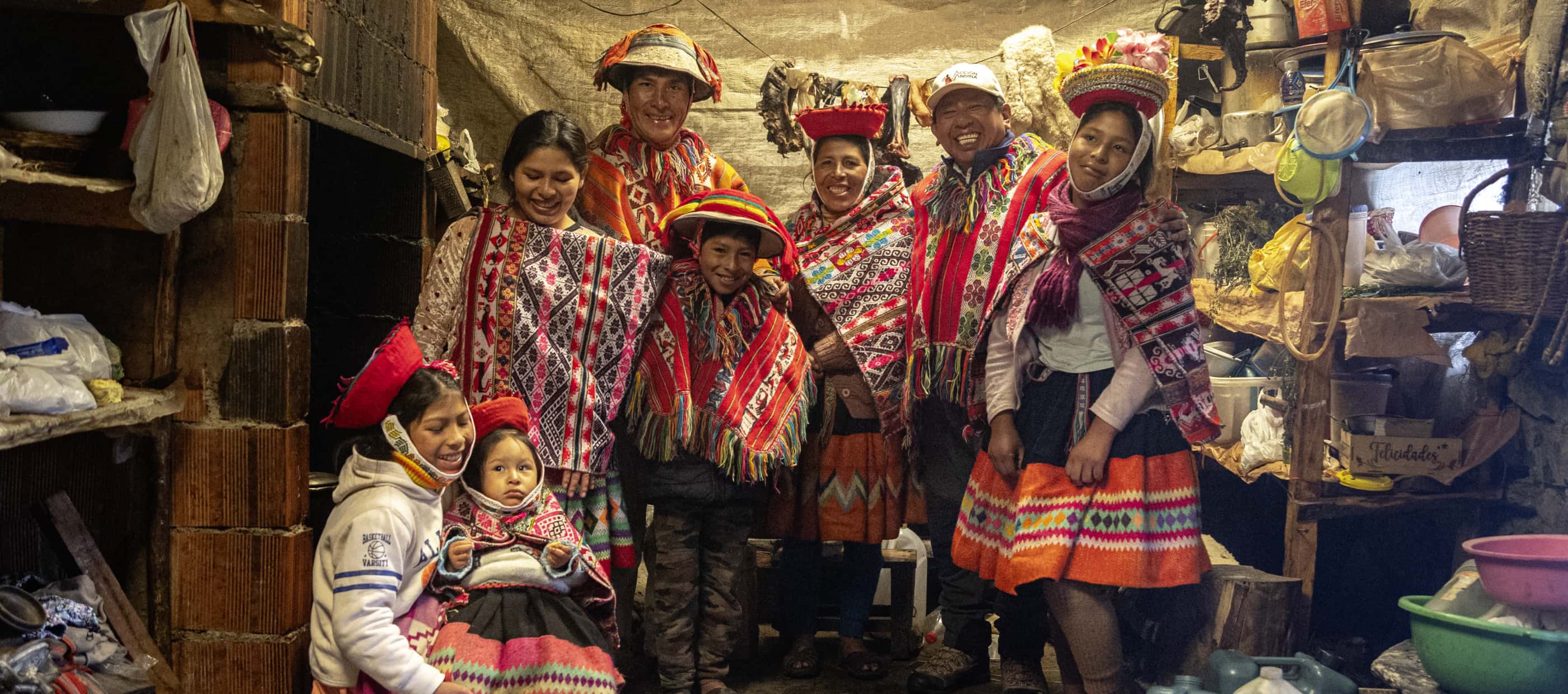
Aucca Chutas credits his achievements to “ayni y minka,” traditional Andean concepts of reciprocity and shared work, which he considers essential to lasting change. Tree planting is labor intensive, particularly on a mountain slope, which means the people best qualified to dig holes and plant seeds, to water saplings and maintain trees, are not outside experts, but the Indigenous people who know this land better than anyone else.
“Everything we are using is what worked centuries ago for the Incas, the communal work,” he says. “Everybody working all together for a common goal.”
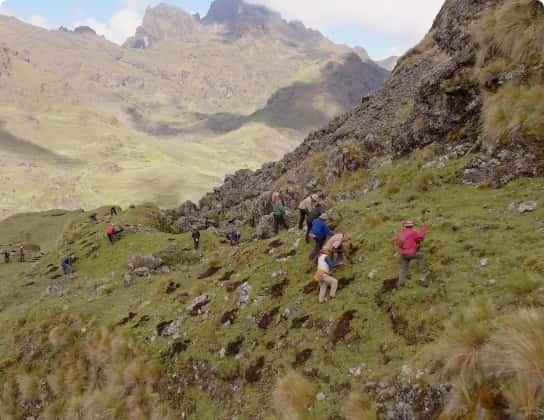
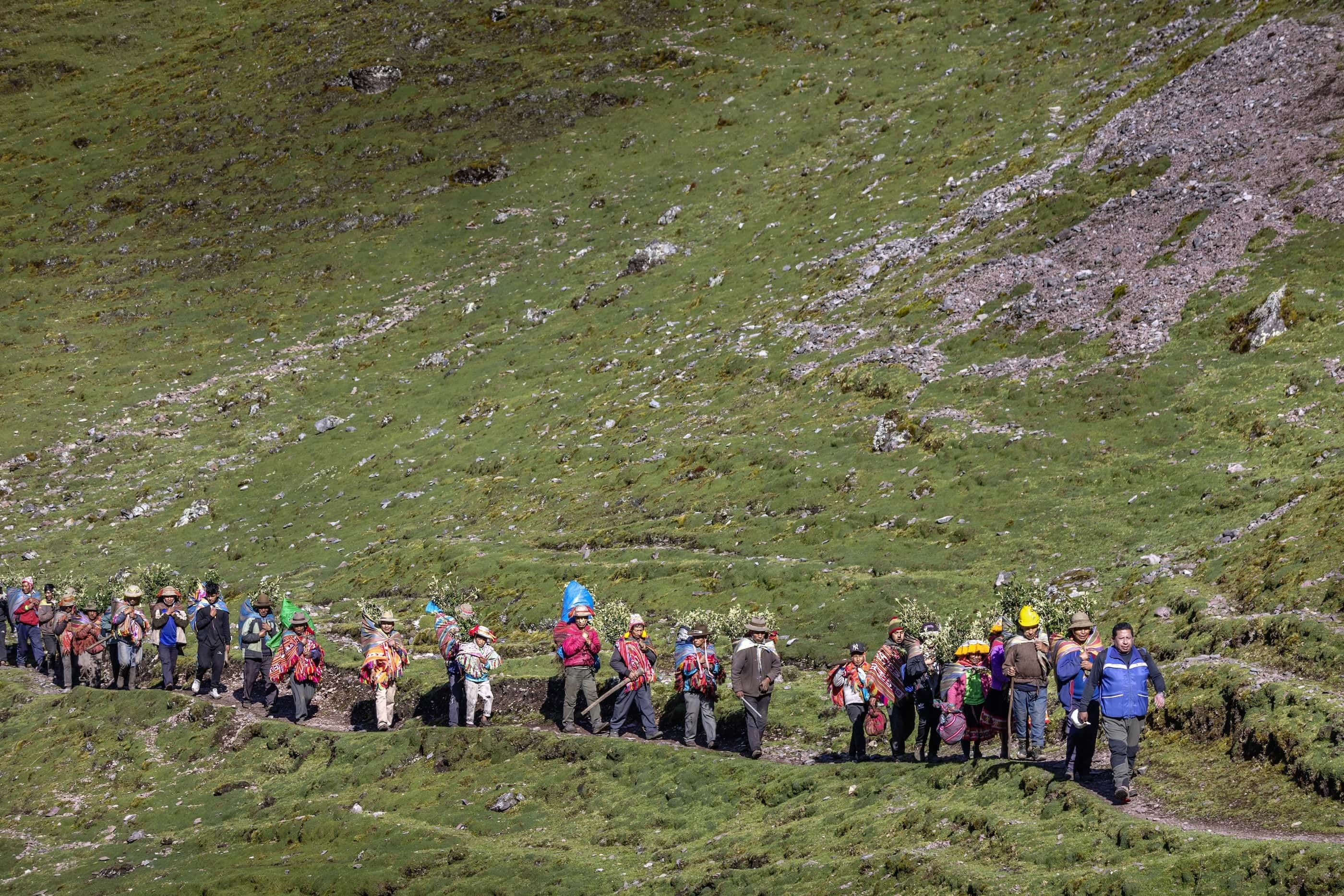
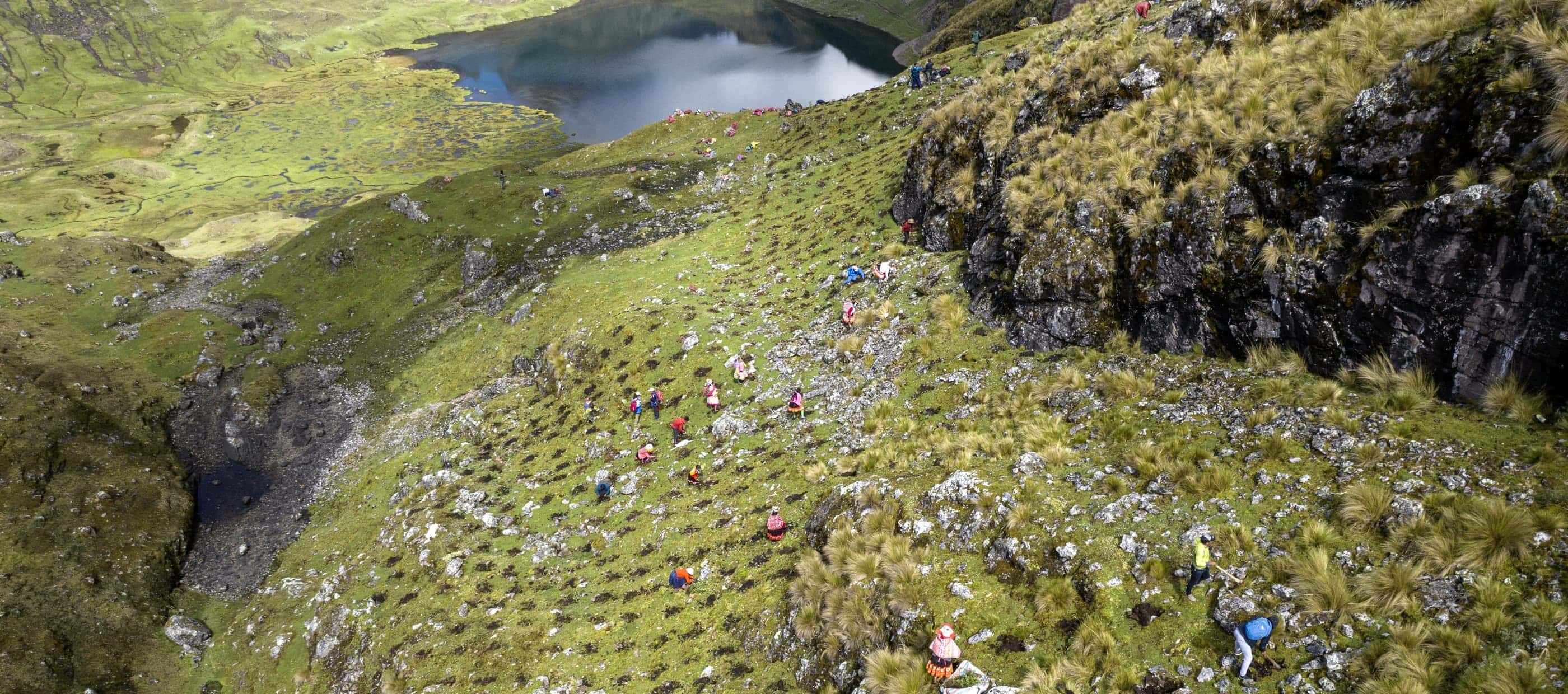
Watch Aucca Chutas lead an entire village up a mountainside, planting as they go, and you’ll see ayni and minka in action: a community-driven approach to environmental challenges that, he hopes, could inspire the revitalization of forests around the world.
Where
life starts
Trained as a biologist, Aucca Chutas began his professional exploration of the Peruvian Andes in collaboration with his mentor, the Danish bird expert Jon Fjeldså. At that time, he says, he dreamed of life in academia, but Fjeldså urged him to stay in the mountains.
“He told me, ‘Continue studying this forest,’” Aucca Chutas says. “‘Believe me, in 20 years, people are going to need your information, because these trees are where life starts.’”
Yet the trees were disappearing. 2001 was the start of a period that saw the Andes lose 5 million hectares of woody vegetation — roughly the area of Massachusetts and Vermont combined — to deforestation, wildfires and climate change. The loss of those forests, coupled with the retreat of the region’s glaciers due to global warming, led to cycles of drought that dried riverbeds, destroyed crops and threatened wildlife and people alike. Aucca Chutas believed large scale planting of Polylepis trees could be the answer, not just to heal the land but to provide a symbol that could unite the continent.
“The first time we were united, all the Andes of South America, was when we were part of the Inca Empire,” he says. “The second time was when we fought for our independence. This is the third time. We are united for one tree, the Polylepis tree, and securing water.”
Engaging the community
Starting in 2000, Aucca Chutas partnered with more than 60 communities in the Peruvian Andes to transform remote stretches of mountain landscape into protected areas where residents are trained to plant and care for new trees, overseeing everything from fencing to fire control. Because their work encourages the creation of new leadership structures to manage the protected land — stimulating cooperation within local communities and with their neighbors — Aucca Chutas says, “We are not only a tree-planting program.”
Everything we are using is what worked centuries ago: everybody working all together for a common goal.
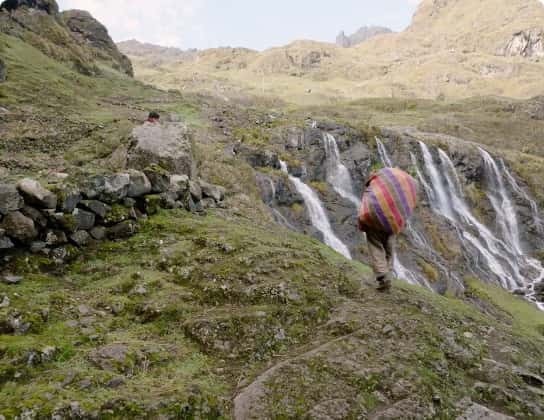
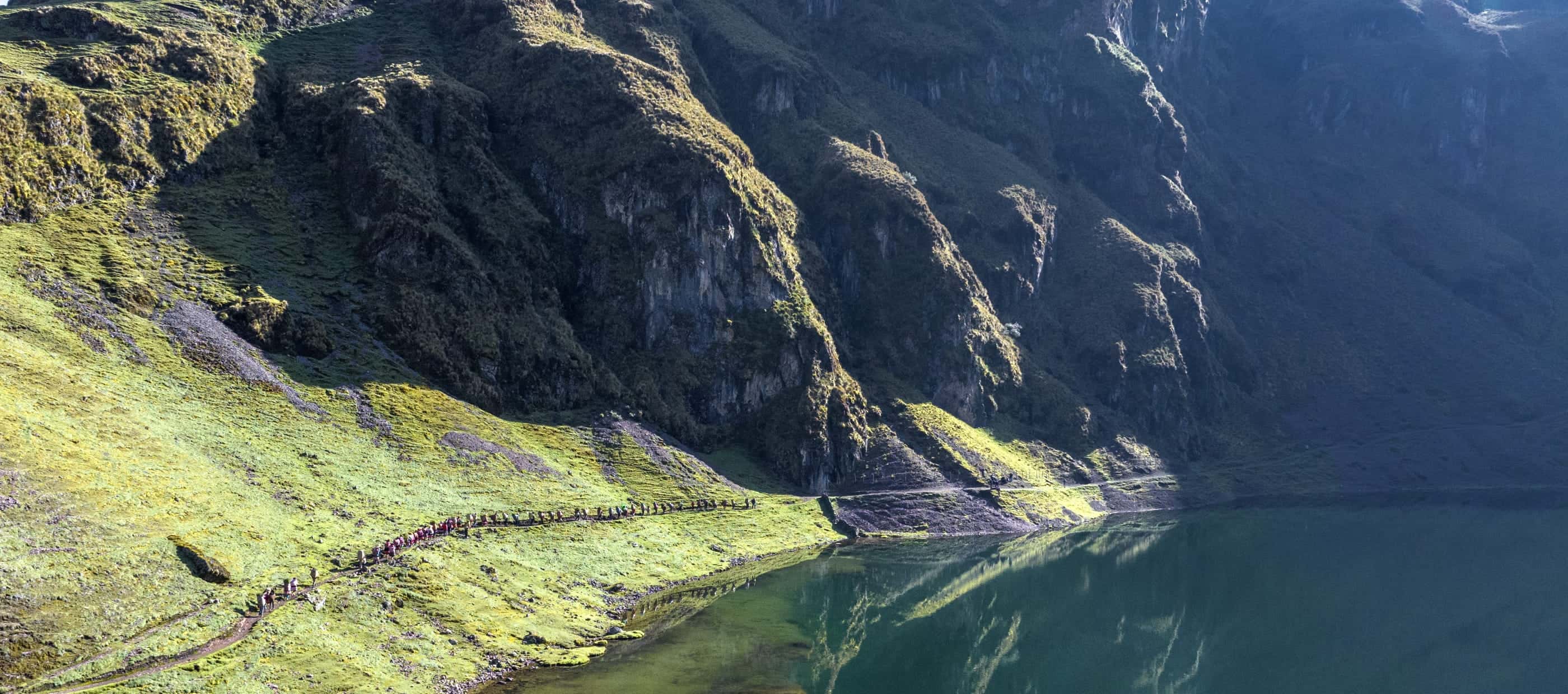
In 2014, the United Nations Climate Change conference was held in Lima, the capital of Peru. ECOAN marked the occasion by organizing its largest tree planting effort yet, coordinating villagers in Peru’s Vilcanota Mountains, home to some of the most remote pastoral societies on earth, to plant 57,000 native trees in a single day. This became Queuña Raymi, an annual tree-planting festival held in Cusco, where locals and tourists dance to traditional music played on hand-carved flutes, conch shells and drums. As part of the celebration, multiple generations, from young babies on their mothers’ backs to elderly women winding llama wool as they go, make their way up the steep mountain trails to plant trees together.
“If you ask women in the Andes, ‘Why are you planting so many native trees?’, they’re going to answer, ‘For water,’” says Aucca Chutas. “‘Because water is life, water is our economy and water is the future of my kids.’”
Seeding the future
To expand ECOAN’s success across the continent, in 2018 Aucca Chutas co-founded the ecological initiative Acción Andina with the American nonprofit Global Forest Generation. Its goal is to restore and preserve 1 million hectares of forest across Venezuela, Colombia, Ecuador, Peru, Bolivia, Chile and Argentina using the methods he has spent 35 years perfecting. The support of the Rolex Awards for Enterprise will allow Acción Andina to plant another 3.5 million trees across five countries, involving 30,000 families and safeguarding the traditional livelihoods of more than 100 communities by limiting their exposure to drought. Although he has been invited to start similar projects around the world, Aucca Chutas believes he can best serve the planet by following his old mentor’s advice and staying close to home. To those who want to replicate the success of ECOAN and Acción Andina elsewhere, he urges them to keep ayni and minka in mind.
“When I talk with native communities, they say, ‘We want to be part of the solution. We want to make sure conservation is really creating benefits for us. And if that's going to happen, we need to work with you,’” Aucca Chutas says. “We need more leaders with passion, with love for what they are doing. I always say the best leaders are the ones with wet shoes or dust on all their clothes, because that means they are in the arena.”
Aucca Chutas believes those are the leaders who understand that, like the Polylepis tree, lasting change takes root slowly and is best accomplished when the entire community works hand in hand. This, he says, is the future of conservation.
“Everybody has to take responsibility,” he says. “We need to be a bloc. We need to be a group. We need action. Let’s get to work.”