Using Indigenous techniques to reimagine fashion worldwide
Denica Riadini-Flesch is taking a time-honored approach to making clothes, regenerating local land, communities and traditions.

Rolex’s Perpetual Planet Initiative supports individuals and organizations developing solutions to today’s environmental challenges.
Raised in urban Jakarta, Denica Riadini-Flesch didn’t really know where her clothes came from until she went to the countryside. There she met farmers, master weavers and seamstresses with generations of experience producing cotton, fabric and clothing and saw how modern textile production was destroying their land. Commercial dyes poisoned their rivers. Monocropping — the growing of a single crop, such as cotton, year after year — drained their soil. And less than two percent of them earned a living wage.
This realization led to a radical idea that has earned Riadini-Flesch a place in the newly named class of Rolex Awards for Enterprise Laureates, which supports individuals creating innovative projects to improve life on Earth and preserve cultural and national heritage for future generations. She believes that clothing is something that touches everyone. By making it in harmony with nature, she said, it would be possible to “sustain cultures, provide a fair wage and regenerate our soils.”
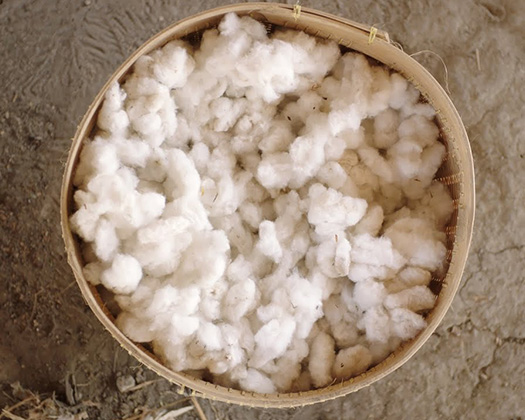
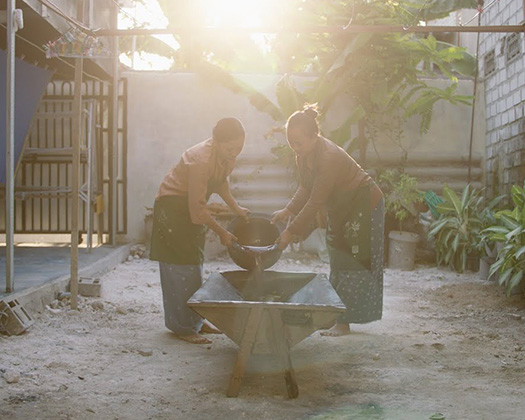
In 2016, she put this idea into practice by founding SukkhaCitta: a clothing brand, educational project and social enterprise whose “farm-to-closet” philosophy offers sustainable fashion to consumers worldwide, and which has the potential to reshape how clothes are made not just in Indonesia but around the world. Working directly with the craftspeople who weave and dye the fabric, Riadini-Flesch has learned Indigenous methods of production that nourish the land instead of harming it. This includes natural dye manufacture, which produces none of the toxic byproducts of commercial dyes, and a traditional Indigenous approach to growing cotton called “tumpang sari,” which prevents soil exhaustion by growing the plant within a naturally sustaining ecosystem of more than 20 crops. This approach to making clothes is designed to remain sustainable, for the craftspeople and their land, for generations.
SukkhaCitta has opened schools where young craftspeople learn from experienced artisans who teach skills like weaving, embroidery and batik dyeing, a traditional, painstaking method of hand-dyeing that is deeply rooted in the culture of the archipelago. In addition to preserving methods that might otherwise be lost, the schools provide an opportunity for craftspeople of all ages to learn about business skills and environmental stewardship. SukkhaCitta reinvests 100% of its profits in the rural communities that produce its fabric, rehabilitating farmland and paying living wages that have increased worker income by more than 60 percent. As a Rolex Awards for Enterprise Laureate, Riadini-Flesch hopes to spread a simple message: “It is possible to make things in a way that actively restores life to the soil.”
The support of the Rolex Awards for Enterprise will help Riadini-Flesch tackle her most ambitious goals, including rehabilitating nearly 2,500 acres of farmland, scaling their craft schools and building an app that will extend the project to the most remote parts of Indonesia. By 2030, she aims to have improved the lives of 10,000 artisans and farmers, all using techniques that are deeply rooted in the country’s heritage.
“The best thing is that this is not some fancy new technology,” she said. “It is proven local wisdom that has been practiced here in Indonesia for generations.”
This is an approach, she believes, that could work anywhere on the planet. She hopes the success of SukkhaCitta will empower consumers to make sustainable choices when buying clothes and will inspire clothing manufacturers around the world to follow her lead.
Watch Episode 1 of Rolex’s short films about the project (above) to find out more.
Learn more about this innovative social enterprise.
The Earth’s Rhythm
The Ripple Effect
Rolex is supporting exceptional individuals and organizations on their mission to make the planet perpetual.