Abductions of Japanese citizens by North Korea
Opening a window of opportunity through Japan-U.S. cooperation.
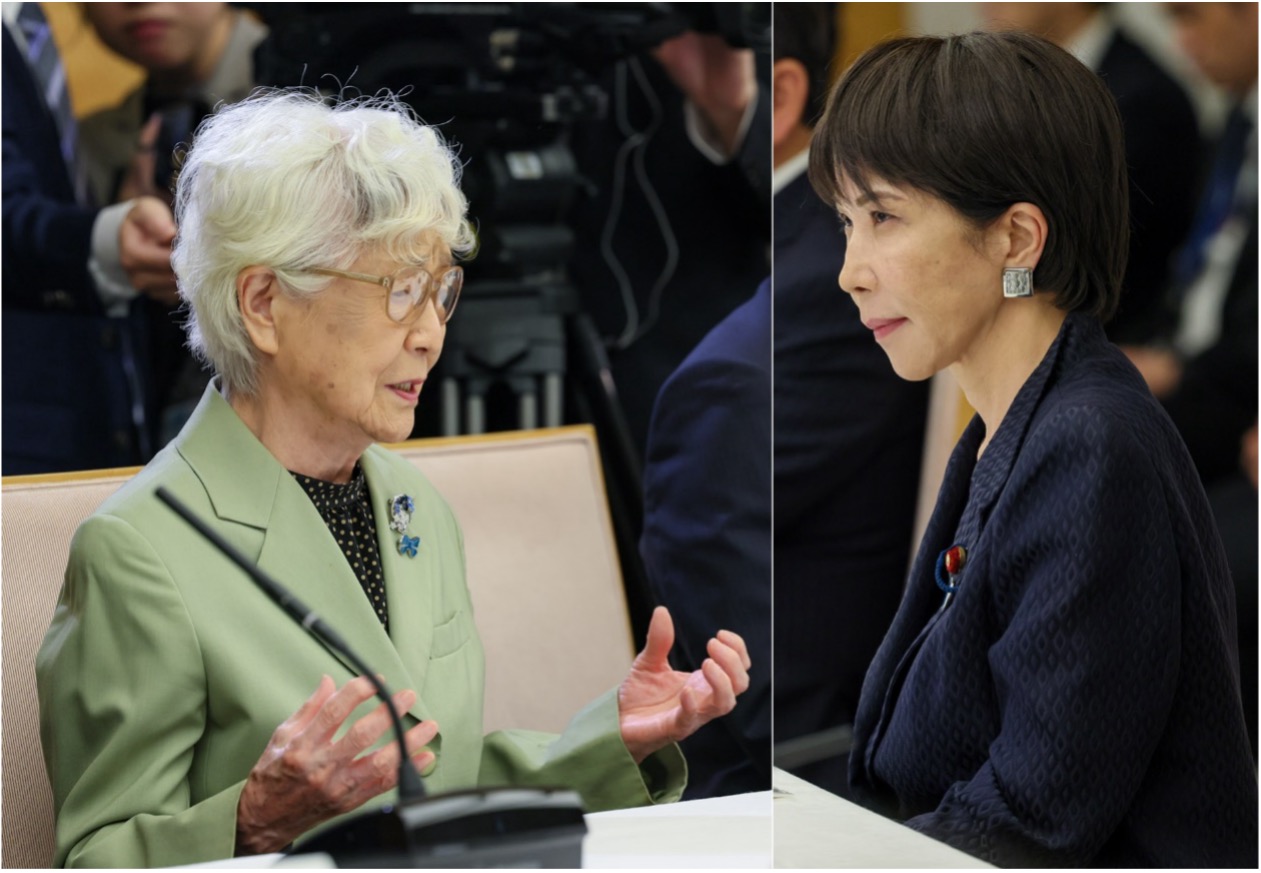
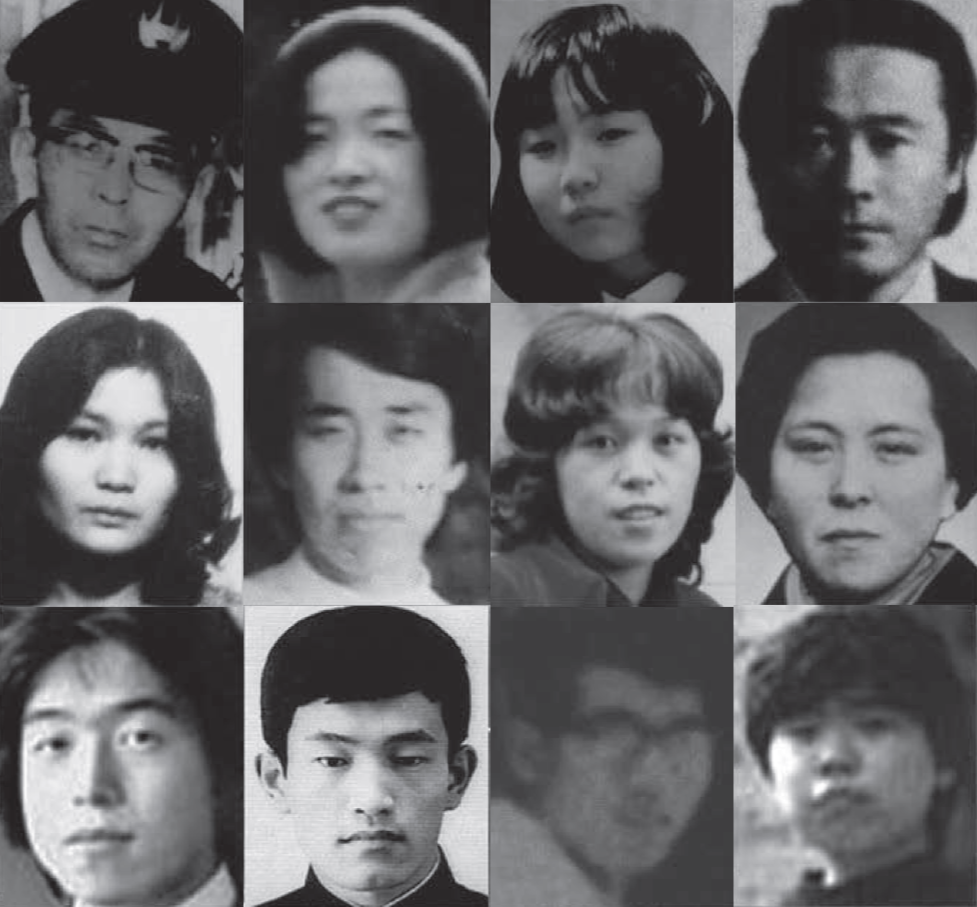
(Photo: Created by the Headquarters for the Abduction Issue, GoJ based on photos taken by Cabinet Public Affairs Office, GoJ)
By The Government of Japan
March 3, 2026
“Living in fear every day for forty-seven years.”
It’s a catchphrase coined in August 2025 by Japanese junior high school students to raise awareness of the abductions issue. The students developed the catchphrase after listening to YOKOTA Takuya recount the story of his older sister YOKOTA Megumi, who was abducted by North Korean agents in 1977 at the age of 13. As they listened, they tried to imagine what it must have felt like to be in her shoes. He spoke of his family’s anger and suffering and said, “When my sister returns to Japan, the first words I will say to her will not be ‘Welcome back,’ but ‘I’m sorry.’”
In North Korea, many abductees, including Megumi, are waiting in uncertainty for help, never knowing what tomorrow holds. In Japan, their families wake up every morning without their loved ones at their side. Literally every day for nearly fifty years, the abductions of Japanese citizens by North Korea have constituted a serious and ongoing human rights violation.1
Japan-U.S. cooperation
The abductions issue is a top priority for the Government of Japan (GoJ). Although an opinion advertisement from the GoJ was also published in the Washington Post in March last year2, the grave situation remains unchanged.
Prime Minister TAKAICHI Sanae assumed office in October last year. Soon after, she met with the families of abductees.3 Later that same month, she held a summit meeting with U.S. President Donald Trump during his visit to Japan. President Trump expressed his full support for the resolution of the abductions issue.4
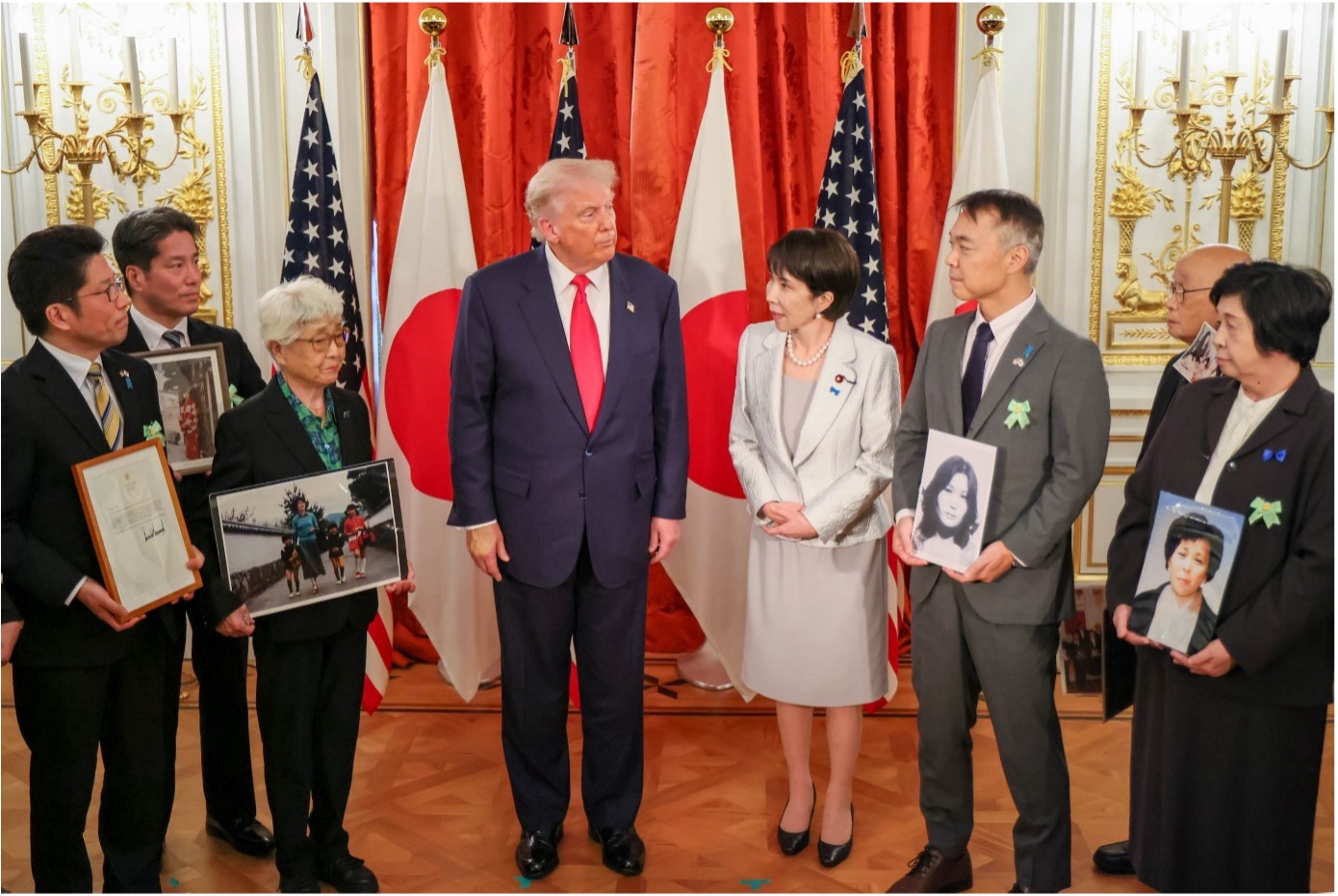
The President also met with the families of the abductees for the third time5, telling them, “We will do everything within our power.” The families were further encouraged by these strong words, especially given that the President had previously raised the abductions issue at the past U.S.-North Korea summit meetings. In the U.S. Congress, the draft resolutions seeking justice for the Japanese citizens abducted by North Korea were introduced last year in both the House of Representatives and the Senate.
The Government and people of Japan are grateful for the longstanding, bipartisan support of the Government and people of the United States. Japan remains committed to working closely with the U.S. to realize the immediate resolution of the issue.
Resolution of the abductions issue benefits the international community
Above all, securing the return of Japanese abductees is the responsibility of the GoJ. Japan’s basic policy on North Korea is to achieve the normalization of its relations with North Korea, in accordance with the Japan-DPRK Pyongyang Declaration in 2002, through comprehensively resolving outstanding issues of concern, such as the abductions, nuclear, and missile issues, as well as settlement of the unfortunate past.
In particular, as the abductees and their families become older, the immediate resolution of the abductions issue, which is a humanitarian matter with lives at stake, is indispensable in order to envision a future in which both Japan and North Korea can enjoy peace and prosperity together, and it would also benefit the international community.
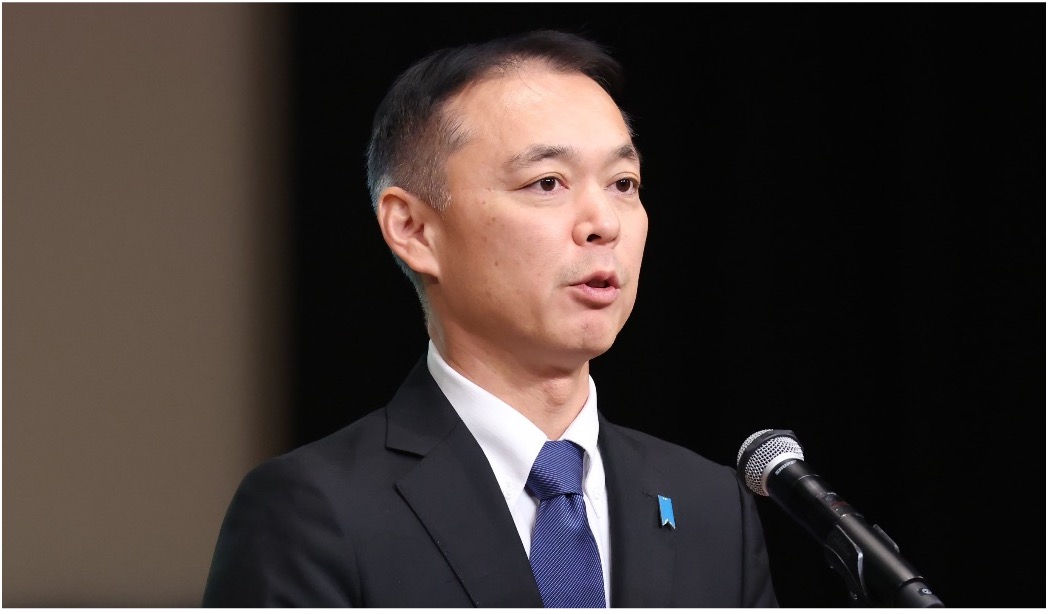
The GoJ acts decisively and boldly in response to various circumstances. Prime Minister TAKAICHI has expressed her determination to face President Kim Jong-un directly.6 Chief Cabinet Secretary KIHARA Minoru, who also serves as Minister in charge of the Abduction Issue, has repeatedly stated: “I will work with the determination to be the last Minister in charge of the Abduction Issue, and will make every possible effort to resolve it.”
In close cooperation with the international community, including the U.S., the GoJ will do its utmost, without ruling out any options, to achieve the immediate return of all abductees.
All abductees and their families have endured painful times
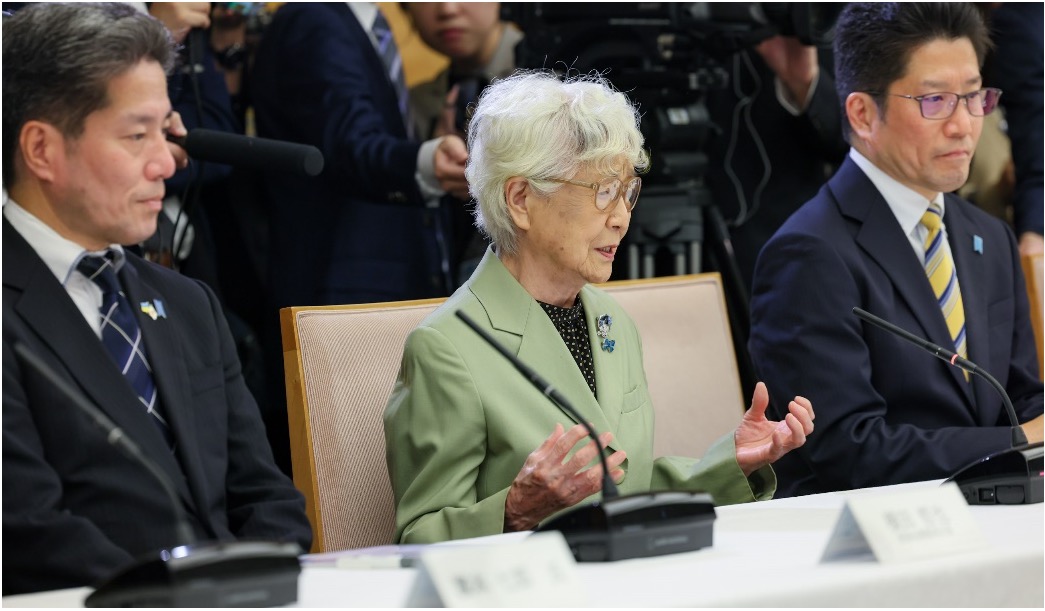
The Yokota Family
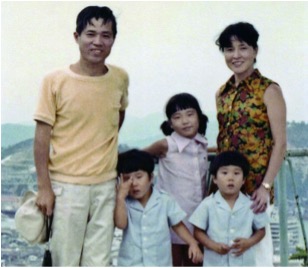
One day after school, a 13-year-old girl, YOKOTA Megumi, suddenly vanished near her home in a seaside town in 1977. Neither eyewitnesses nor any items were left behind. Her family desperately searched for her every day, walking in many different places in town and along the shore.
Twenty years later, the family heard the information that Megumi was alive in Pyongyang. It was widely reported in the media.
At the Japan-North Korea Summit Meeting in 2002, however, the information given by North Korea had the shocking claim that Megumi was deceased. Nevertheless, the explanation from North Korea was unconvincing. In 2004, North Korea provided what they claimed were Megumi’s “remains,” but forensic analysis on them has detected DNA different from Megumi’s.
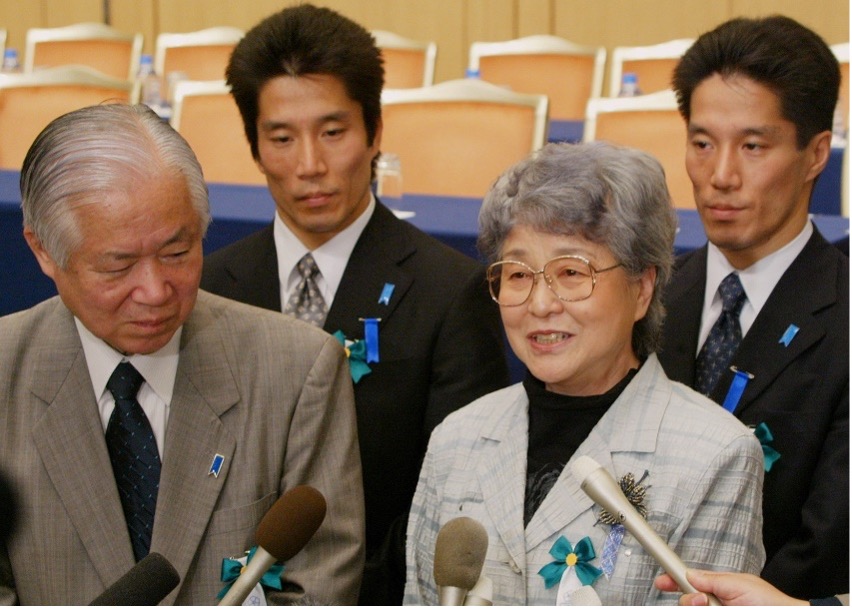
Her father, YOKOTA Shigeru, continued to appeal for her return until he passed away in 2020. Her mother, YOKOTA Sakie, turned 90 in February this year. She is now the only living parent of the 12 abductees who are identified by the GoJ and still have not returned to Japan. Megumi’s younger brothers, Takuya, who serves as the Representative of the Association of Families of Victims Kidnapped by North Korea (AFVKN), and Tetsuya, the association’s Vice Secretary-General, continue their activities.
The Iizuka Family
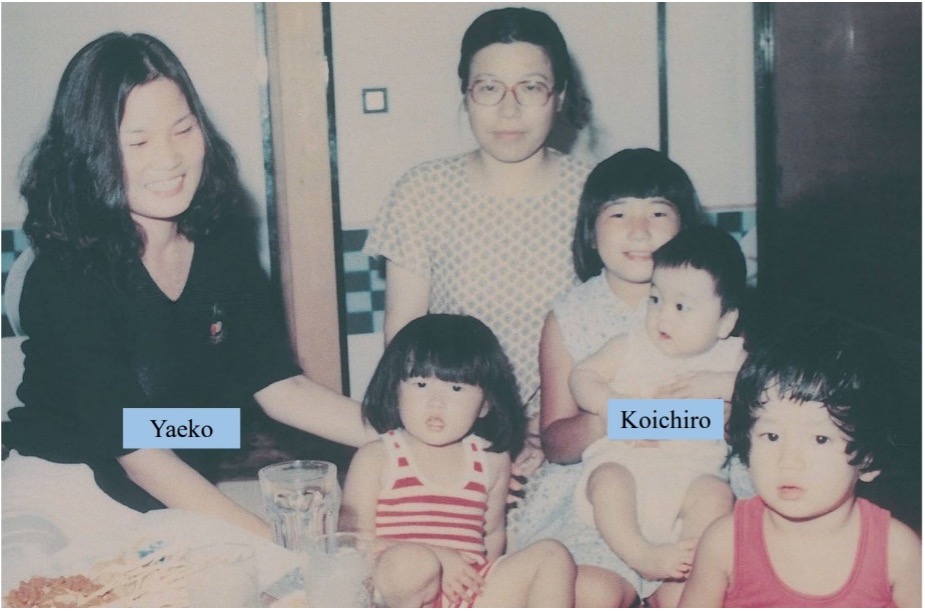
At the age of 22, TAGUCHI Yaeko suddenly vanished in 1978. She had been raising two small children alone while working in the city. Her eldest son, IIZUKA Koichiro, was only one year old at the time and was adopted by Yaeko’s older brother, IIZUKA Shigeo. Ten years later, in 1987, a North Korean agent disguised as a Japanese national bombed a Korean Air jet. The captured agent gave the testimonies that she had been taught Japanese language and customs by a woman abducted from Japan. Later, it was revealed that this woman was very likely Yaeko.
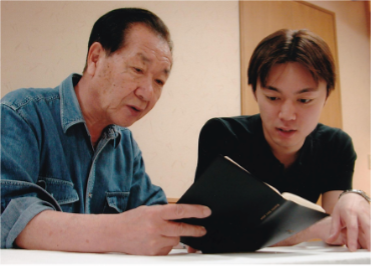
At the age of 21, Koichiro learned for the first time from Shigeo that his biological mother was the abductee. In 2002, North Korea claimed that Yaeko had been “killed” in a traffic accident. However, their explanation provided no verifiable evidence confirming her death. Koichiro has continued his efforts to reunite with his mother whose face he does not remember, carrying on the wishes of Shigeo, his adopted father, who passed away in 2021.
The abductions issue by North Korea7
Not so long ago, at least 17 Japanese citizens were abducted from various places and by various methods by North Korea. In addition, there are other cases in which the possibility of abduction by North Korea cannot be ruled out.*
North Korea had stubbornly kept denying any involvement in the abductions for years. However, in 2002, North Korea admitted it and only five abductees returned to Japan.
Nevertheless, North Korea has claimed other abductees as “no entry” or “deceased.” It has not yet provided any convincing explanation or evidence of its claim, including “remains” which DNA tests revealed that they belong to other individuals. The victims are still waiting for help.
The question of abductions by North Korea is not just a Japanese issue. The 2014 report of the UN Commission of Inquiry on human rights in the DPRK referred to victims of abductions from ten countries other than Japan.
Additionally, the U.S. House and Senate have passed resolutions expressing concern and calling for an investigation into the truth about the disappearance of Mr. David Sneddon, an American citizen who may have been abducted by North Korea in 2004 during his stay in China.
In the United Nations, the Resolutions on the Situation of Human Rights in the DPRK, which include reference to the abductions issue, have been adopted by consensus at the Human Rights Council and at the General Assembly.
As detailed above, the abductions issue by North Korea constitutes a universal issue among the international community as a violation of fundamental human rights.
*There are 871 individuals for whom the possibility of abduction by North Korea cannot be ruled out (as of January 2026) and the GoJ has been conducting information gathering and investigation activities.
To learn more about the abductees and their families, watch “Abducted by North Korea: The Endeavors of Japanese Families,” a video produced by the GoJ.
Sources
1 Abductions of Japanese Citizens by North Korea
3 Meeting with Families of Abductees and Others
4 Japan-U.S. Summit Meeting, Signing Ceremony, and Japan-U.S. Working Lunch
6 Citizens’ Rally to Demand the Immediate Return to Japan of All Abductees at the Same Time
7 Abductions of Japanese Citizens by North Korea -For Their Immediate Return!
The content is paid for and supplied by advertiser. The Washington Post was not involved in the creation of this content.