


The Sounds of Florida
Try the experience on
other browsers
sounds of flordia

Headline font: Le Murmure by Jérémy Landes (Velvetyne Type Foundry)
A Great Egret calling through the Everglades. Waves splashing and foaming on the shores of Seaside. The throbbing drum beat of Miami’s Little Havana. Relax, close your eyes, open your ears and take a much-needed restorative journey to the most alluring corners of Florida—no matter where you are.

The Sounds of Florida
Carillon
Trees in wind
Birds
Frogs
Grass in wind
Waterfront dining
Open air market
Timbali
Children playing
Ocean waves
Manatee snort
Spring water
A Great Egret calling through the Everglades. Waves splashing and foaming to the shore in Seaside. The throbbing drum beat of Miami’s Little Havana. Relax, close your eyes, open your ears and take a much-needed restorative journey to the most alluring corners of Florida—no matter where you are. Turn sound on for the best experience.
A Great Egret calling through the Everglades. Waves splashing and foaming on the shores of Seaside. The throbbing drum beat of Miami’s Little Havana. Relax, close your eyes, open your ears and take a much-needed restorative journey to the most alluring corners of Florida—no matter where you are.
Carillon
Trees in wind
Birds
Frogs
Grass in wind
Waterfront dining
Open air market
Timbali
Children playing
Ocean waves
Manatee snort
Spring water
This page contains audio. Please enable sound or turn off the vibration setting on your device.
Carillon
Trees in wind
Bok Tower Gardens
Bok Tower Gardens
Carillon
Trees in wind
scroll to read

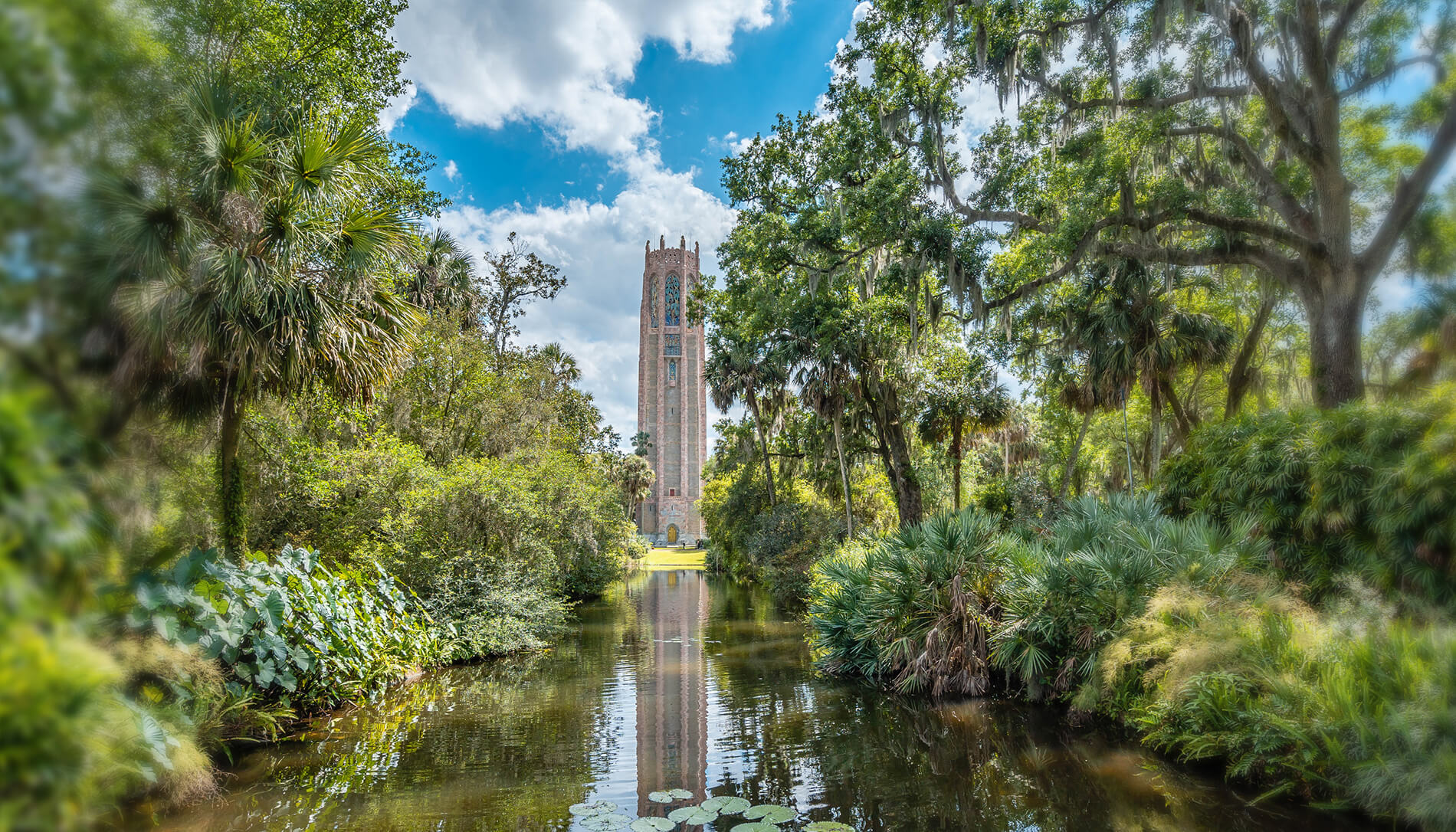
Bok Tower Gardens is relatively silent for much of the day. But at 1 and 3 p.m., a daily concert begins and fills the surrounding gardens with majestic, otherworldly music. Standing more than 200 feet tall, the garden’s eponymous marble and coquina Singing Tower houses one of the world’s finest carillons, a musical instrument made of 60 bronze bells arranged on a fixed frame and played via keyboard. With live concerts mid-October through mid-May, it’s a must-see (and hear) attraction.
The National Historic Landmark also features 50 acres of enchanting gardens designed by Frederick Law Olmsted Jr., the celebrated landscape architect behind some of the nation’s most revelatory outdoor spaces. Meander along the paths of the Wild Garden where 175 different native plant species were used to recreate the beauty of Florida’s local habitats, including pine savanna, oak hammock and wetland prairie. Colorful azalea, camellia and magnolia are seasonal highlights.
Bok Tower Gardens offers another unexpected reward: sweeping, panoramic views of Central Florida. At 298 feet above sea level, the gardens are located on one of Florida’s highest points. So find a bench, settle in and enjoy one of the most scenic locales in the entire state.
Birds
Frogs
Grass in wind
Everglades National Park
Everglades National Park
Birds
Frogs
Grass in wind
scroll to read

Looking out across the Everglades’ vast, tranquil wetlands, the earth seems still. Yet beneath the tall sawgrass marshes, there’s movement: a stream of fresh water, roughly 60 miles wide, sweeps south from Lake Okeechobee to Florida Bay at a leisurely pace of 2.5 miles per day. Dubbed the River of Grass, the Everglades could be described as the nation’s slowest river.
But it’s also one of the most consequential. This constant flow gives life to 1.5 million acres of the country’s most diverse ecosystems, including hardwood hammocks, pinelands and the largest contiguous mangrove forest in the western hemisphere. Thanks to this mosaic of habitats, the Everglades hosts a remarkable range of plants and animals, including wild orchids, Spanish moss, Florida reef geckos, American crocodiles and southern leopard frogs.
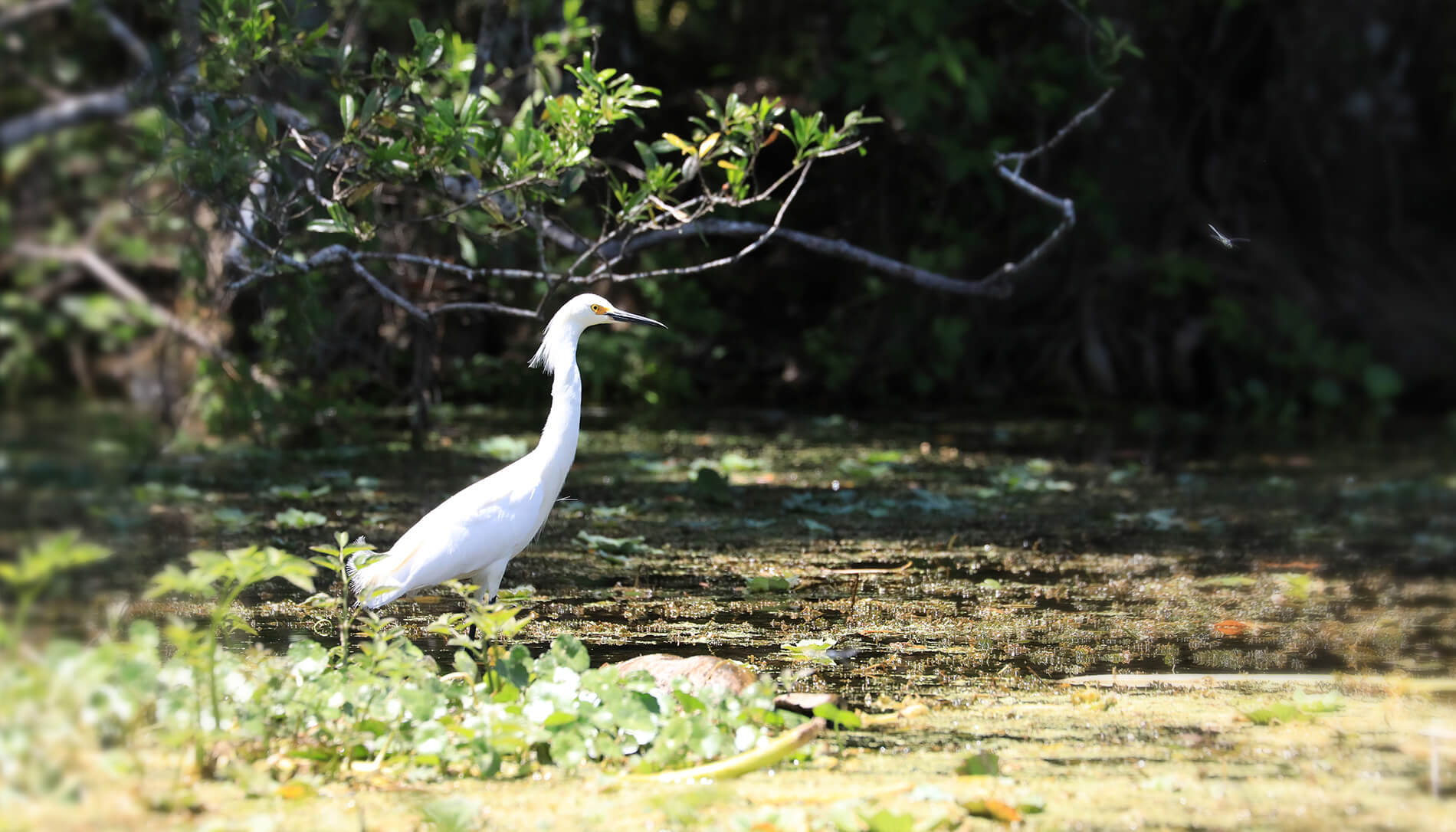
Close your eyes and picture the slender Great Blue Heron wading through the marshes, the technicolor Painted Bunting lightly chirping from the oak trees or a magnificent Great Egret presiding over its domain from the treetops—just a small sampling of the more than 360 bird species that call the Everglades home. No matter what corner of the Everglades you explore, you’re sure to discover nature’s—and Florida’s—hidden treasures.
Waterfront dining
Open air market
Timbali
Little Havana
Little Havana
Waterfront dining
Open air market
Timbali
scroll to read

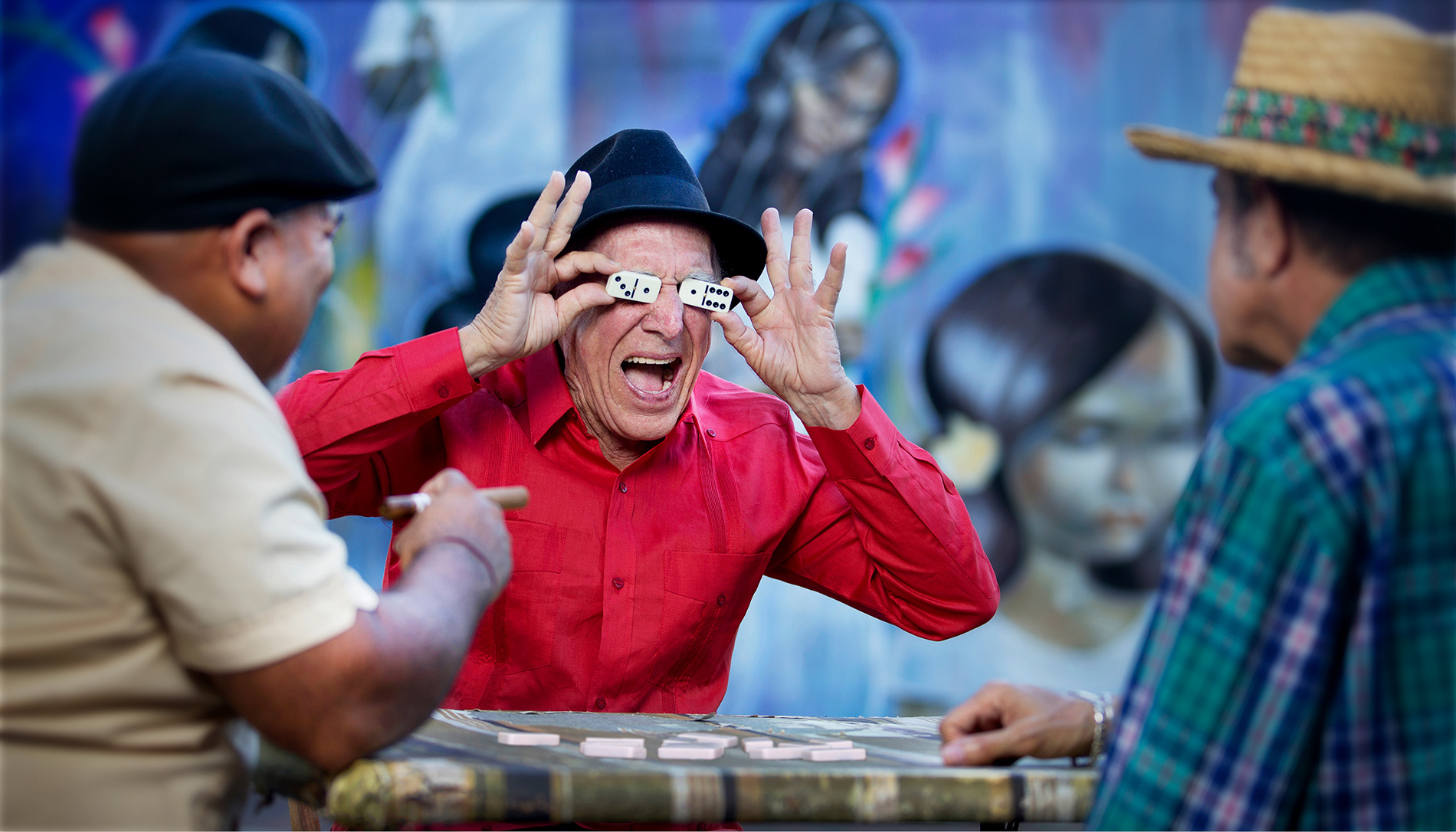
Picture this: Syncopated salsa music spilling out of a lively cafe. A group of players jostling over a spirited game of dominoes. Friends clinking mojito glasses. This isn’t Cuba. You’re visiting Little Havana, in Miami. Originally created by thousands of Cuban exiles in the 1960s, this vibrant neighborhood has gradually evolved into the city’s center of Hispanic culture, with influences from Central and South America and Caribbean nations. Today, it’s still the best place in the U.S. to get an authentic taste of Cuban life.
All the action centers around the main strip, affectionately called Calle Ocho, which is known for its ventanitas, bakeries, art galleries and street festivals. Just off of Calle Ocho, Máximo Gómez Domino Park has been the meeting place of choice for domino lovers for more than 40 years. Most competitors are local retirees—anyone over 50 with a Máximo Gόmez Domino Club card has free, lifetime membership to play here—but an audience is always welcome. At nearby Los Pinareños Fruteria, the oldest open-air market in Miami, you can sample treats like sugar cane juice or a banana cafe smoothie. If you work up a big appetite, stop by Versailles diner. Open since 1971, it serves every dish you’d ever dream of finding on a Cuban menu, including crispy ham croquetas, fried sweet plantains and heaping plates of ropa vieja.
Children playing
Ocean waves
Seaside
Seaside
Children playing
Ocean waves
scroll to read

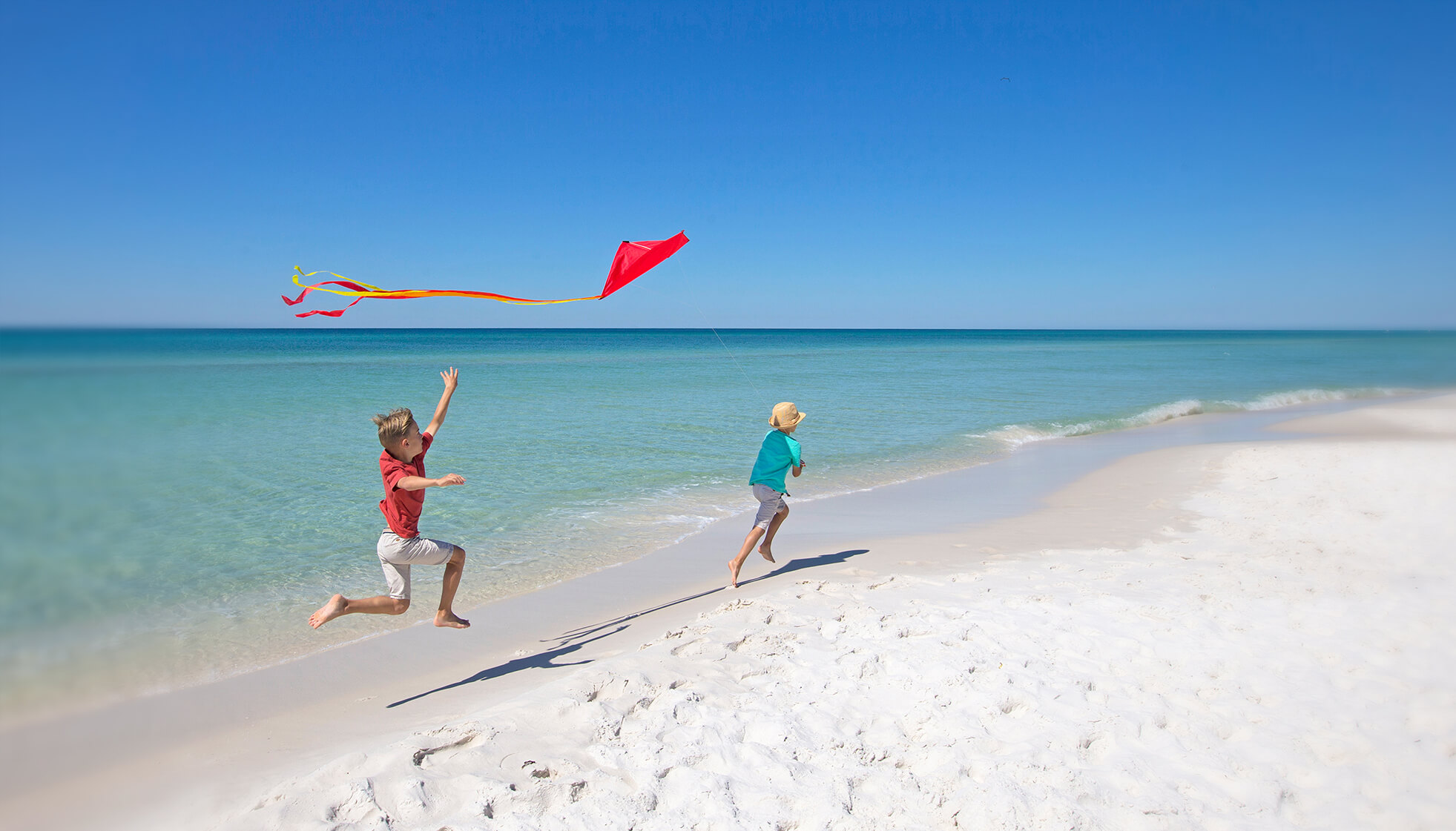
Seaside might be small, but it leaves a big impression on anyone who visits. It’s a town that embraces the coastal lifestyle of a nostalgic, bygone era, complete with white picket fences, quaint beach pavilions and sandcastle contests. Seaside’s pastel-hued, wood-framed cottages provide a picturesque backdrop for a carefree vacation.
Here, every road quite literally leads to the ocean.
On the beach, sink your toes into soft sugar-sand, wade in crystal clear water and bask in one of Florida’s most memorable views of the Emerald Coast. No one would blame you for renting a deck chair and spending your entire vacation lounging in the sun while your kids learn to boogie board. But then again, plenty of activities, including sea kayaking and volleyball, are sure to call out your own inner child. After a day in the surf, take a bike ride along cobblestone streets to the palm tree-lined town center. Imagine watching a movie under the stars or dining at the row of retro Airstream trailer food trucks. It’s the perfect end to the ultimate beach day.
Manatee snort
Spring water
Three Sisters Springs
Three Sisters Springs
Manatee snort
Spring water
scroll to read

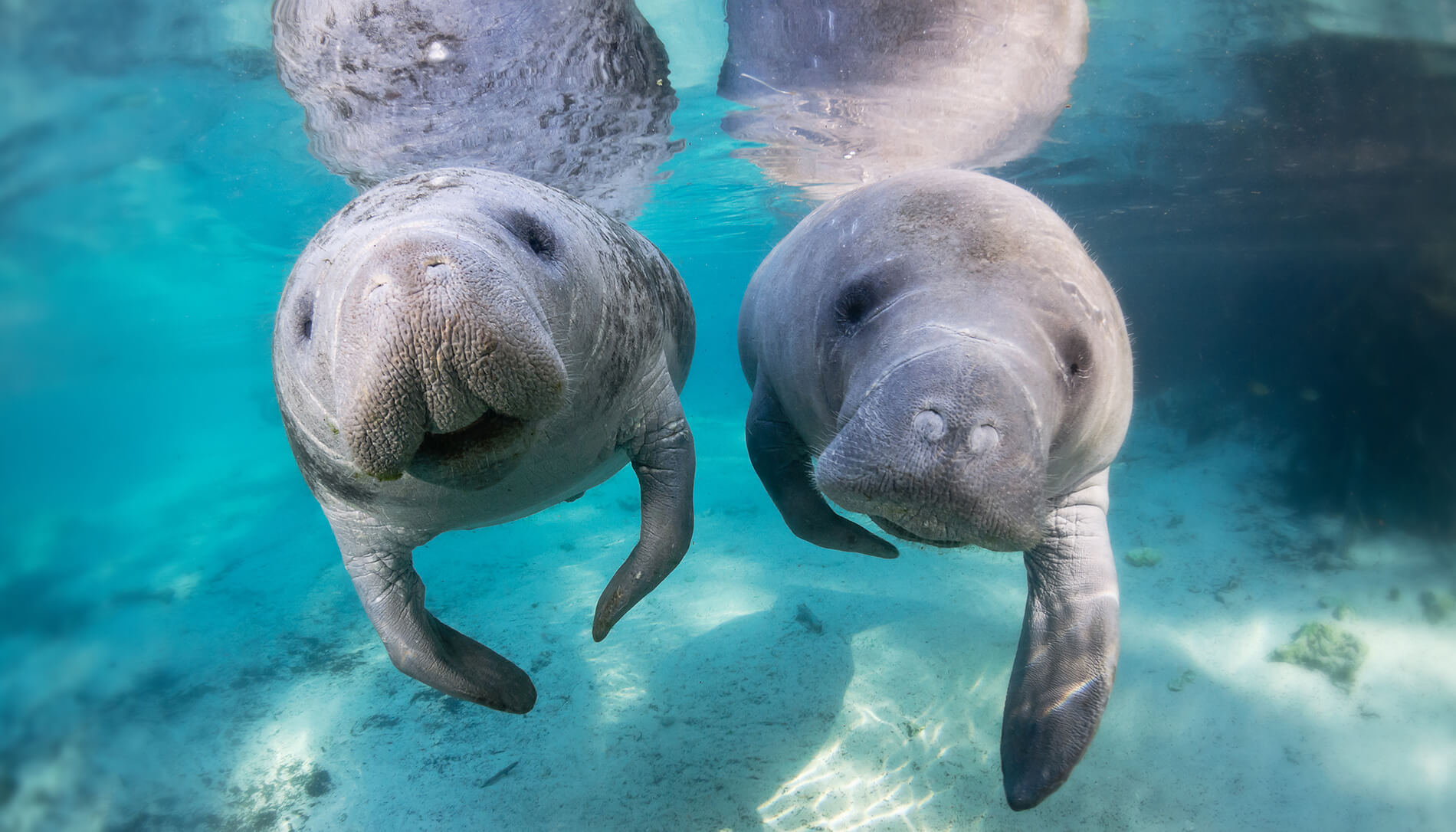
Set on 57 acres of pristine land run by the Crystal River National Wildlife Refuge, Three Sisters Springs feels like the type of place you should keep to yourself: a teal blue swimming hole where, at times, the only sound is softly bubbling water. But you’re going to have to share—if not with other humans, then with the hundreds of West Indian manatees that gravitate to the springs.
Warm water is a must for these gentle, gray giants, who despite their bulky size, have relatively little body fat for insulation. During the winter when the Gulf of Mexico’s temperature dips below 62.2 degrees Fahrenheit, they flock to Three Sisters. There, the 19 freshwater springs provide something of a natural hot tub. While a record 528 manatees have been spotted at Three Sisters Springs in one day, you’re more likely to encounter a hundred or so during peak season.
Exactly how close you get is up to you. Some visitors choose to watch these beautiful creatures from convenient viewing platforms on the park boardwalk while others opt to kayak or paddle-board through the refuge’s shady, lush canals. But for a once-in-a-lifetime experience, grab a snorkel and jump in the water. Three Sisters Springs is the only place in the world where you can swim (but not touch!) legally with manatees. Don’t be surprised if one swims up to you; they’re notoriously curious.

Swipe left or right to change locations

Scroll up to learn more
Carillon
Trees in wind
Bok Tower Gardens
Bok Tower Gardens
Carillon
Trees in wind
scroll to read
Bok Tower Gardens is relatively silent for much of the day. But at 1 and 3 p.m., a daily concert begins and fills the surrounding gardens with majestic, otherworldly music. Standing more than 200 feet tall, the garden’s eponymous marble and coquina Singing Tower houses one of the world’s finest carillons, a musical instrument made of 60 bronze bells arranged on a fixed frame and played via keyboard. With live concerts mid-October through mid-May, it’s a must-see (and hear) attraction.
The National Historic Landmark also features 50 acres of enchanting gardens designed by Frederick Law Olmsted Jr., the celebrated landscape architect behind some of the nation’s most revelatory outdoor spaces. Meander along the paths of the Wild Garden where 175 different native plant species were used to recreate the beauty of Florida’s local habitats, including pine savanna, oak hammock and wetland prairie. Colorful azalea, camellia and magnolia are seasonal highlights.
Bok Tower Gardens offers another unexpected reward: sweeping, panoramic views of Central Florida. At 298 feet above sea level, the gardens are located on one of Florida’s highest points. So find a bench, settle in and enjoy one of the most scenic locales in the entire state.
Birds
Frogs
Grass in wind
Everglades National Park
Everglades National Park
Birds
Frogs
Grass in wind
scroll to read
Looking out across the Everglades’ vast, tranquil wetlands, the earth seems still. Yet beneath the tall sawgrass marshes, there’s movement: a stream of fresh water, roughly 60 miles wide, sweeps south from Lake Okeechobee to Florida Bay at a leisurely pace of 2.5 miles per day. Dubbed the River of Grass, the Everglades could be described as the nation’s slowest river.
But it’s also one of the most consequential. This constant flow gives life to 1.5 million acres of the country’s most diverse ecosystems, including hardwood hammocks, pinelands and the largest contiguous mangrove forest in the western hemisphere. Thanks to this mosaic of habitats, the Everglades hosts a remarkable range of plants and animals, including wild orchids, Spanish moss, Florida reef geckos, American crocodiles and southern leopard frogs.
Close your eyes and picture the slender Great Blue Heron wading through the marshes, the technicolor Painted Bunting lightly chirping from the oak trees or a magnificent Great Egret presiding over its domain from the treetops—just a small sampling of the more than 360 bird species that call the Everglades home. No matter what corner of the Everglades you explore, you’re sure to discover nature’s—and Florida’s—hidden treasures.
Waterfront dining
Open air market
Timbali
Little Havana
Little Havana
Waterfront dining
Open air market
Timbali
scroll to read
Picture this: Syncopated salsa music spilling out of a lively cafe. A group of players jostling over a spirited game of dominoes. Friends clinking mojito glasses. This isn’t Cuba. You’re visiting Little Havana, in Miami. Originally created by thousands of Cuban exiles in the 1960s, this vibrant neighborhood has gradually evolved into the city’s center of Hispanic culture, with influences from Central and South America and Caribbean nations. Today, it’s still the best place in the U.S. to get an authentic taste of Cuban life.
All the action centers around the main strip, affectionately called Calle Ocho. Known for its ventanitas, bakeries, art galleries and street festivals. Máximo Gómez Domino Park has been the meeting place of choice for domino lovers for more than 40 years. Most competitors are local retirees—anyone over 50 with a Máximo Gόmez Domino Club card has free, lifetime membership to play here—but an audience is always welcome. At nearby Los Pinareños Fruteria, the oldest open-air market in Miami, you can sample treats like sugar cane juice or a banana cafe smoothie. If you work up a big appetite, stop by Versailles diner. Open since 1971, it serves every dish you’d ever dream of finding on a Cuban menu, including crispy ham croquetas, fried sweet plantains and heaping plates of ropa vieja.
Children playing
Ocean waves
Seaside
Seaside
Children playing
Ocean waves
scroll to read
Seaside might be small, but it leaves a big impression on anyone who visits. It’s a town that embraces the coastal lifestyle of a nostalgic, bygone era, complete with white picket fences, quaint beach pavilions and sandcastle contests. Seaside’s pastel-hued, wood-framed cottages provide a picturesque backdrop for a carefree vacation.
Here, every road quite literally leads to the ocean.
On the beach, sink your toes into soft sugar-sand, wade in crystal clear water and bask in one of Florida’s most memorable views of the Emerald Coast. No one would blame you for renting a deck chair and spending your entire vacation lounging in the sun while your kids learn to boogie board. But then again, plenty of activities, including sea kayaking and volleyball, are sure to call out your own inner child. After a day in the surf, take a bike ride along cobblestone streets to the palm tree-lined town center. Imagine watching a movie under the stars or dining at the row of retro Airstream trailer food trucks. It’s the perfect end to the ultimate beach day.
Manatee snort
Spring water
Three Sisters Springs
Three Sisters Springs
Manatee snort
Spring water
scroll to read
Set on 57 acres of pristine land run by the Crystal River National Wildlife Refuge, Three Sisters Springs feels like the type of place you should keep to yourself: a teal blue swimming hole where, at times, the only sound is softly bubbling water. But you’re going to have to share—if not with other humans, then with the hundreds of West Indian manatees that gravitate to the springs.
Warm water is a must for these gentle, gray giants, who despite their bulky size, have relatively little body fat for insulation. During the winter when the Gulf of Mexico’s temperature dips below 62.2 degrees Fahrenheit, they flock to Three Sisters. There, the 19 freshwater springs provide something of a natural hot tub. While a record 528 manatees have been spotted at Three Sisters Springs in one day, you’re more likely to encounter a hundred or so during peak season.
Exactly how close you get is up to you. Some visitors choose to watch these beautiful creatures from convenient viewing platforms on the park boardwalk while others opt to kayak or paddle-board through the refuge’s shady, lush canals. But for a once-in-a-lifetime experience, grab a snorkel and jump in the water. Three Sisters Springs is the only place in the world where you can swim (but not touch!) legally with manatees. Don’t be surprised if one swims up to you; they’re notoriously curious.