A vision for the future
Complex healthcare issues often need integrated solutions. For the nation’s first vision benefits provider, there’s plenty of potential in sight.
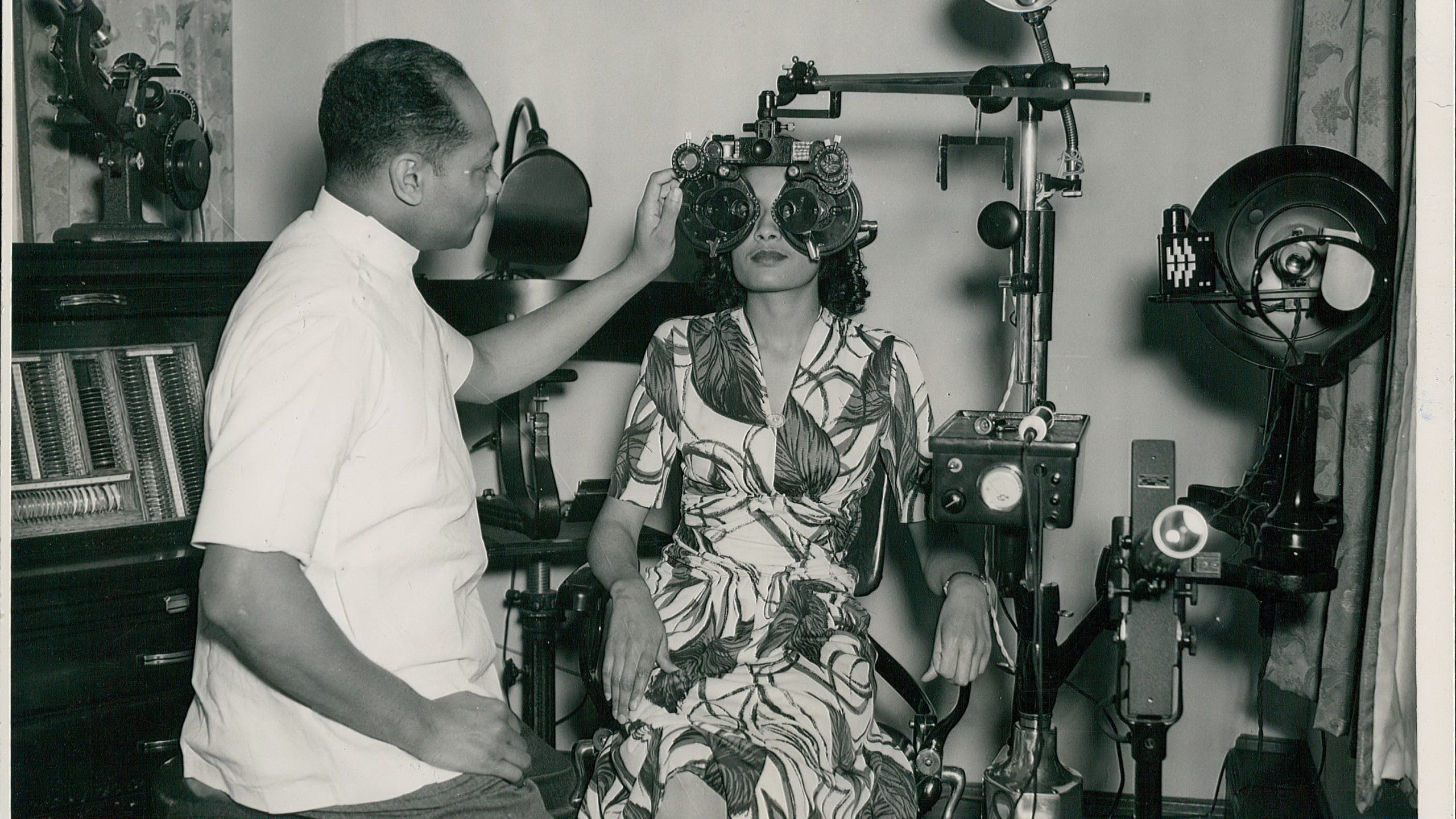
VSP Vision co-founder Marvin Poston, OD, practicing in Oakland in the 1950s.
By Michael Guyette, president & CEO, VSP Vision
JANUARY 10, 2025
A lot has changed since 1955.
At that time, Hawaii and Alaska had yet to gain statehood, the population of the United States was less than half of what it is today and the formation of Medicare was still a decade down the road.
But during that year, a pioneering group of nine Bay Area optometrists would launch a truly innovative healthcare solution: California Vision Services, the nation’s first vision insurance company. From day one, the company’s mission was clear: To provide a resource by which the people of California may have vision care of high quality and within their means.
“It was a novel idea, or at least one we had never heard before,” reflected Roy Brandreth, OD, one of our founding optometrists, in John Fiorillo’s Berkeley Optometry: A History. “Insurance companies had postulated that a prepaid vision plan involving optical products was not insurable, but we thought the idea had great potential.”
Fast-forward to 2025, and California Vision Services is now VSP Vision, providing coverage to millions of members across the United States through a network of more than 42,000 doctors of optometry. And while a lot has certainly changed in the last 70 years—rapid globalization, huge advancements in technology and a far more complex healthcare system—Dr. Brandreth’s early nod to “potential” still rings true.
In fact, it’s foundational to VSP Vision’s driving purpose to this day: To empower human potential through sight.
More than meets the eye
As with any new year, and especially one with a new administration and Congress in Washington, there’s always a degree of uncertainty about what the future may hold. When it comes to addressing many of our country’s healthcare challenges, approaches to policy can be as varied as the problems themselves. But there’s a piece of common ground I’ve observed over my three decades in healthcare: a mutual desire from companies and legislators to uncover solutions that will help control long-term costs and improve overall patient outcomes.
One way to do that is by investing in programs and solutions that support preventive care, including optometry.
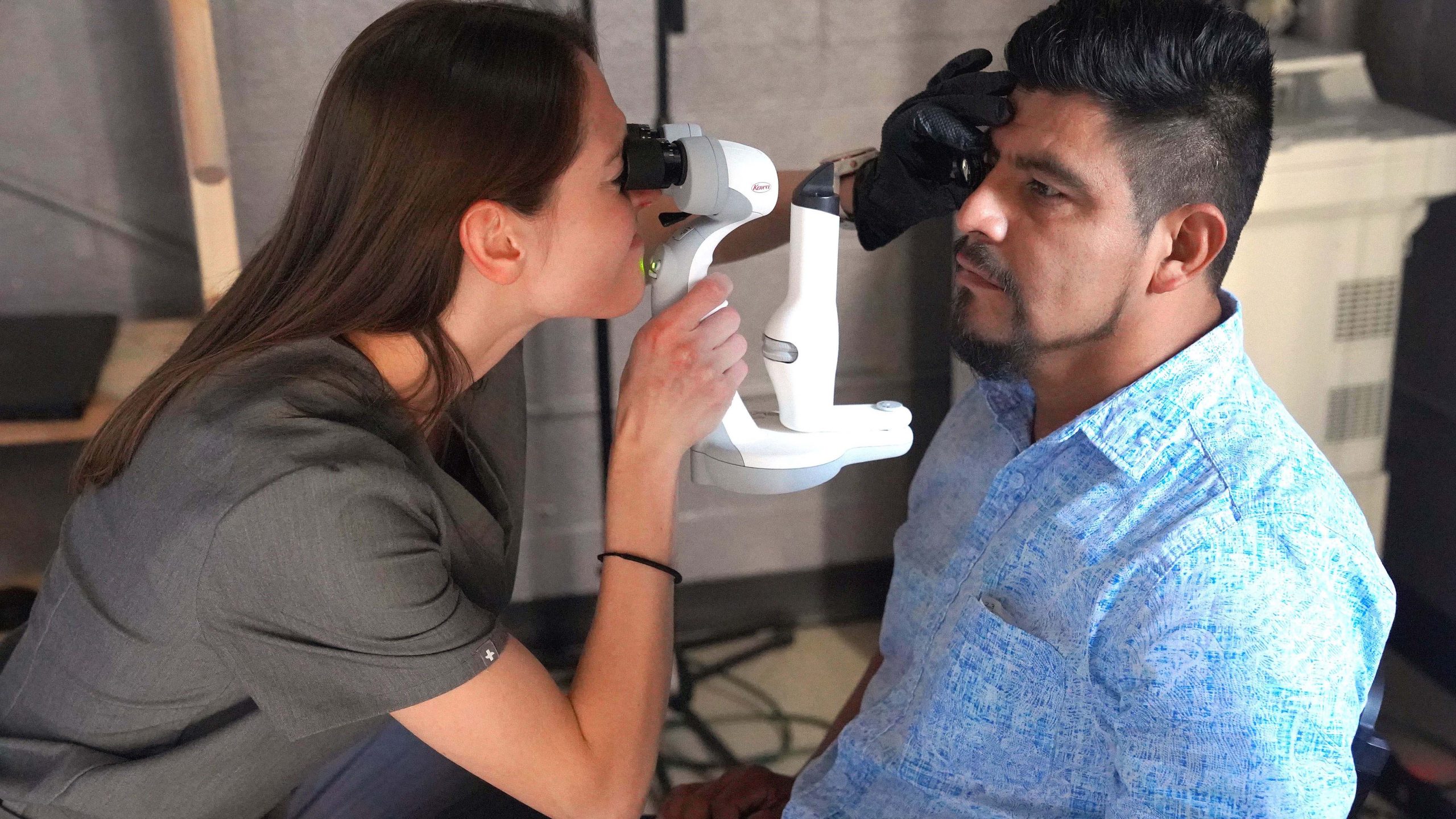
That’s because vision care is about so much more than seeing clearly. While it’s true that more than 83 percent of adults in the United States and one in four children need some form of vision correction, a comprehensive eye exam also enables your optometrist to catch early warning signs of more than 270 systemic and chronic diseases, including diabetes, high blood pressure and high cholesterol.
Take diabetes, for example. Nearly one in six adults in the United States has the disease, with more than 11 million going undiagnosed, per our internal calculations. Diabetes is also estimated to have a nearly $413 billion impact on our annual economy. And while the solutions needed to address the problem are as complex as the epidemic itself, preventive care and disease management tools—including those that are non-invasive and have a low barrier of entry, like an eye exam—can play an important role in early detection, intervention and ongoing care.
Coverage is key
In a March 2024 internal consumer omnibus study, we found that nearly two-thirds of consumers reported having a physical or dental exam in the last year, while fewer than half had an eye exam. However, if those surveyed had a managed vision care plan, they were much more likely to have visited their optometrist than those without. And if they were VSP Vision Care members, the numbers jumped to 66 percent.
Simply put, when patients have vision care coverage, they tend to use it.
I believe when it comes down to it, most healthcare consumers focus on the three Cs: convenience, choice and cost. Cost has become more of a driving factor these days, with many Americans continuing to feel the impacts of inflation. That’s where coverage can make all the difference. For example, VSP members save an average of 77 percent off retail costs for eye care and eyewear when they use their benefits.
Supporting the profession of optometry
One of the ways that we continue to empower potential through sight is the delivery of care through a reliable network. This underscores our commitment to consumer choice and is deeply connected to our founding optometrists.
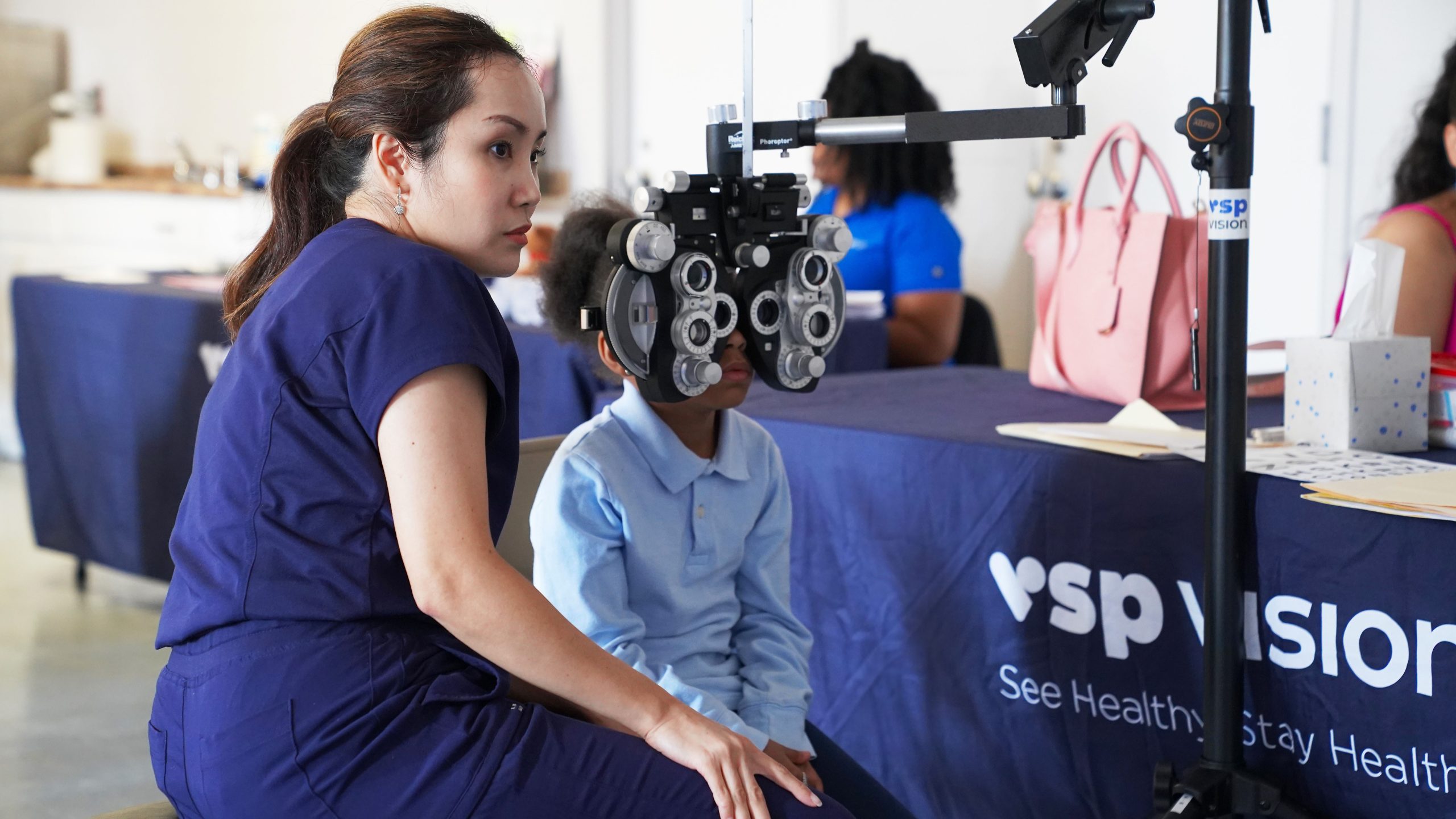
Today, most of that care happens in a private practice, with about three out of four VSP members opting to use their benefits in this traditional, community-focused setting. But as preferences have evolved over the decades, so has the need to offer a variety of options, including e-commerce and retail, to meet patients where they are. Regardless of where that care is received, supporting the profession of optometry as a vital part of an individual’s overall healthcare team remains a cornerstone of our strategy and a unique commitment rooted in our legacy.
One of the many ways we’ve invested in that support is at the intersection of three key areas: addressing staffing challenges, providing new graduate debt relief and helping tackle the gap in healthcare deserts, which are areas with insufficient access to care.
While healthcare worker shortages continue to plague a number of sectors, the pipeline of optometrists is projected to remain relatively steady through the end of the decade. But that doesn’t mean every market has an even distribution of doctors. In a 2023 internal study we conducted with the profession, optometrists reinforced that staffing challenges were their top concern, jumping 14 percent from the same question in 2021. And knowing a third of the population lives in a healthcare desert, we saw an opportunity to reinvest in programs like VSP Careers in Eye Care, which matches hundreds of doctors every year to job openings across a range of practice settings.
For new graduates leaving optometry school with more debt than ever, we pioneered a student loan repayment program in 2023, matching 10 doctors to practices in high-need communities. Last year, we doubled that investment with 20 additional placements, offering up to $200,000 of debt relief to doctors willing to relocate for up to four years in a healthcare desert. In 2025, we’ll help even more.
See the possibilities

The healthcare challenges we face as a country—from chronic disease to access gaps—are complex. They will require integrated solutions from businesses and lawmakers alike, focused on a common goal of controlling overall costs and improving patient outcomes.
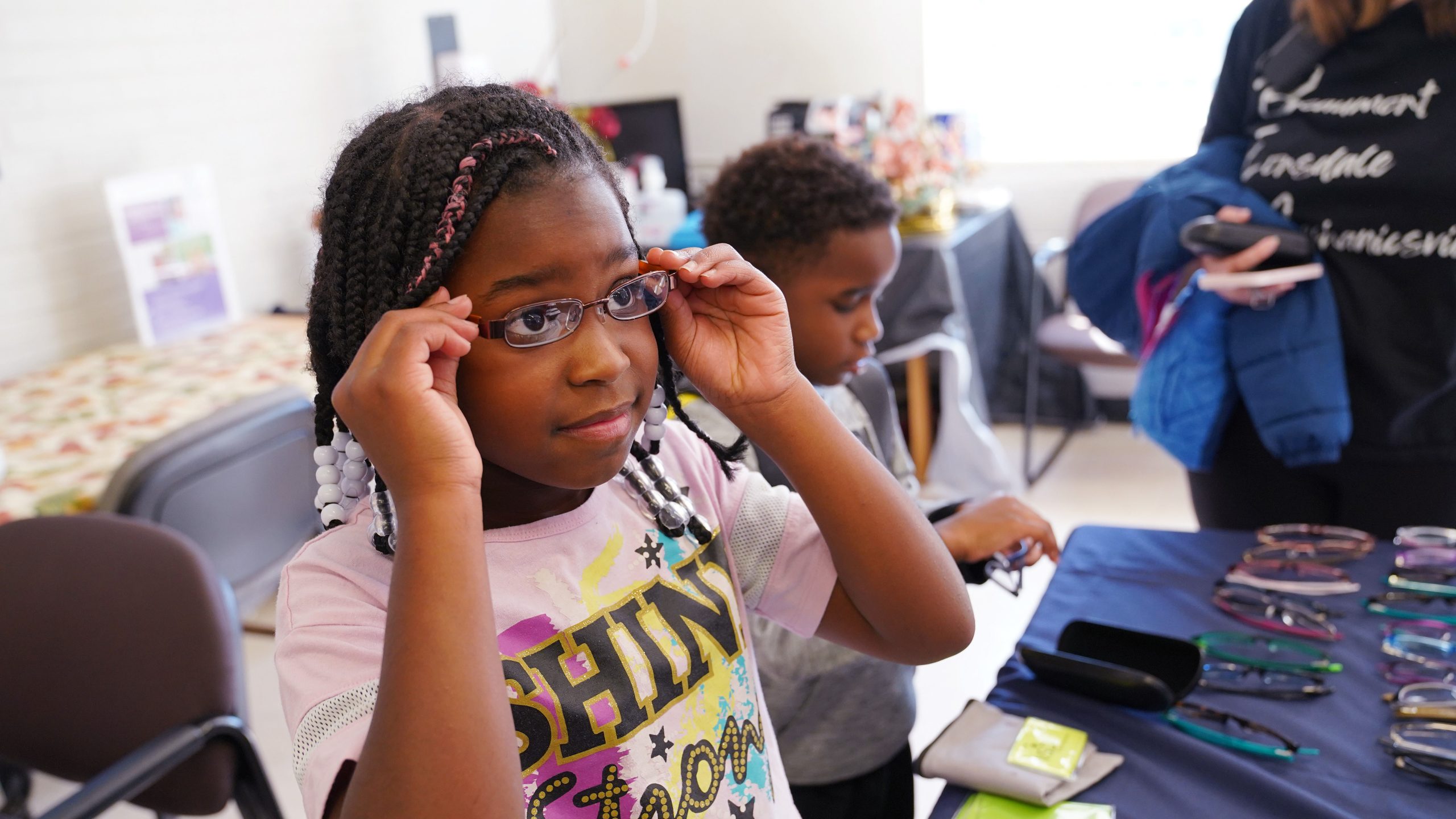
While coverage is key, we also know not everyone has the means to obtain it. That’s when direct engagement in communities to offer no-cost care can become a lifeline for many. Our Eyes of Hope mobile clinics travel the country each year, partnering with community organizations and network doctors to deliver eye care and eyewear to thousands of people in need. In 2025, we’re setting an ambitious goal to hold 70 mobile clinic events to serve communities nationwide in honor of our anniversary.
Together, as we step into a new year, we do so with some uncertainty. I imagine 70 years ago, VSP’s founding doctors felt some uncertainty, too. After all, what they were proposing had never been done before.
But what matters is that they saw potential and had the right focus to fulfill their vision.
To learn more about how VSP Vision is imagining a world where everyone can bring their best vision to life, visit vspvision.com/social-responsibility.
The content is paid for and supplied by advertiser. The Washington Post was not involved in the creation of this content.