Caring for the caregivers
How AARP advocates for the nation’s over 48 million family caregivers in Congress and state capitols, while caring for its own.
By WP Creative Group
October 24, 2024
Often, family caregivers – those assisting older parents, spouses or other loved ones – don’t recognize themselves as caregivers.
“A lot of people just see themselves as a daughter, a husband or a sister,” said Veronica Segovia Bedon, Program Management Director for Family Caregiving at AARP. “They don’t realize that what they’re doing every day counts as caregiving. They just see themselves as doing what a good family member or a friend should do.”
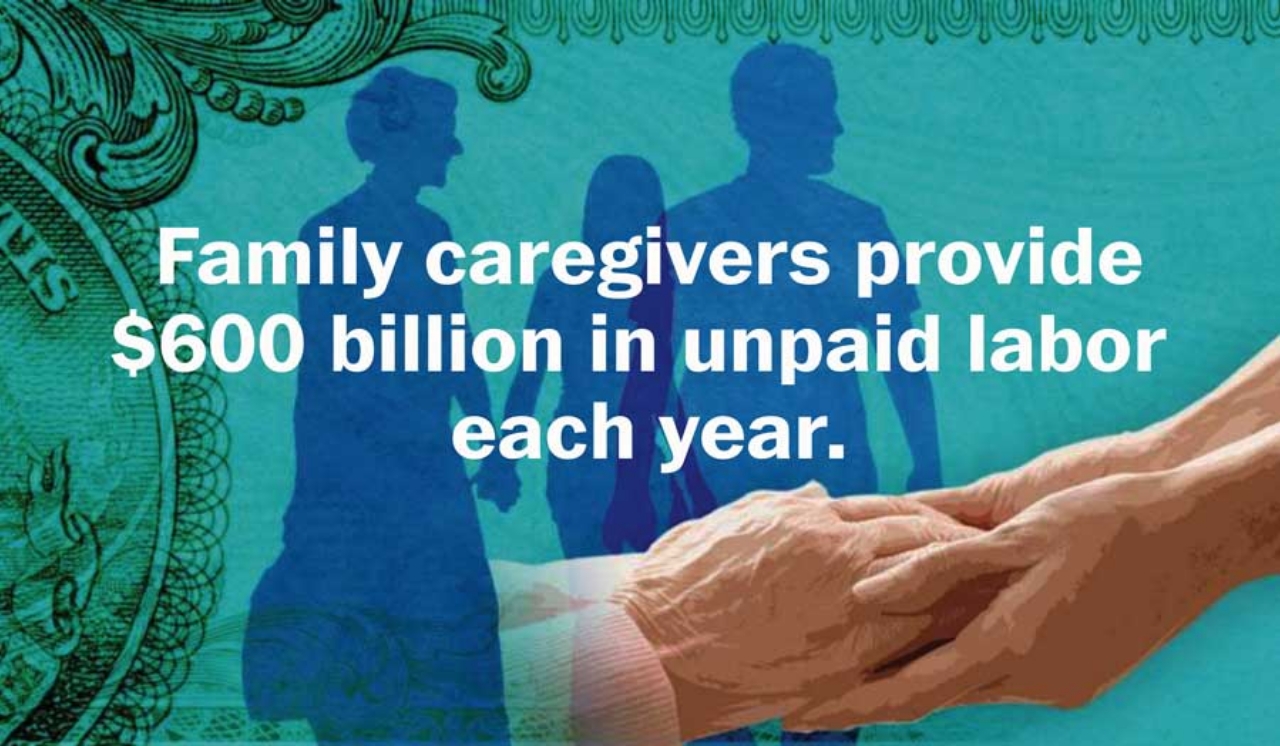
Yet, the care they give is critical. Every day, over 48 million family caregivers in the U.S. assist loved ones so they can live independently and with dignity in their own homes, providing $600 billion in unpaid labor each year. This includes helping with medications, meals, bathing and dressing, as well as chores, finances and transportation. Some family caregivers help a few hours a month, while others are on call 24/7.
As a longstanding advocate for older adults, AARP recognizes the importance of family caregivers when it comes to helping loved ones age in place.
“At AARP, we have a quote that we like to refer to, from former first lady Rosalynn Carter,” said Blake Kelly, AARP’s Federal Strategy Director. “She said, ‘There are only four kinds of people in the world: those who have been caregivers, those who are currently caregivers, those who will be caregivers and those who will need caregivers.’ That’s why AARP is invested in supporting caregivers – because it’s an issue that affects all of us.”
Kelly’s role involves connecting Congress and the current administration with AARP’s advocacy efforts. In 2014, AARP accelerated its advocacy work on behalf of family caregivers with the Caregiver Advise, Record, Enable (CARE) Act. Now a law in at least 45 states, the CARE Act requires hospitals to identify a family caregiver for inpatient admissions, notify that caregiver of the patient’s discharge plans and offer training on any medical or nursing tasks the caregiver may be asked to perform.
“We held over 350 meetings with members of Congress and have since increased Congressional support for our caregiving bills dramatically.”
– Blake Kelly, Federal Strategy Director, AARP
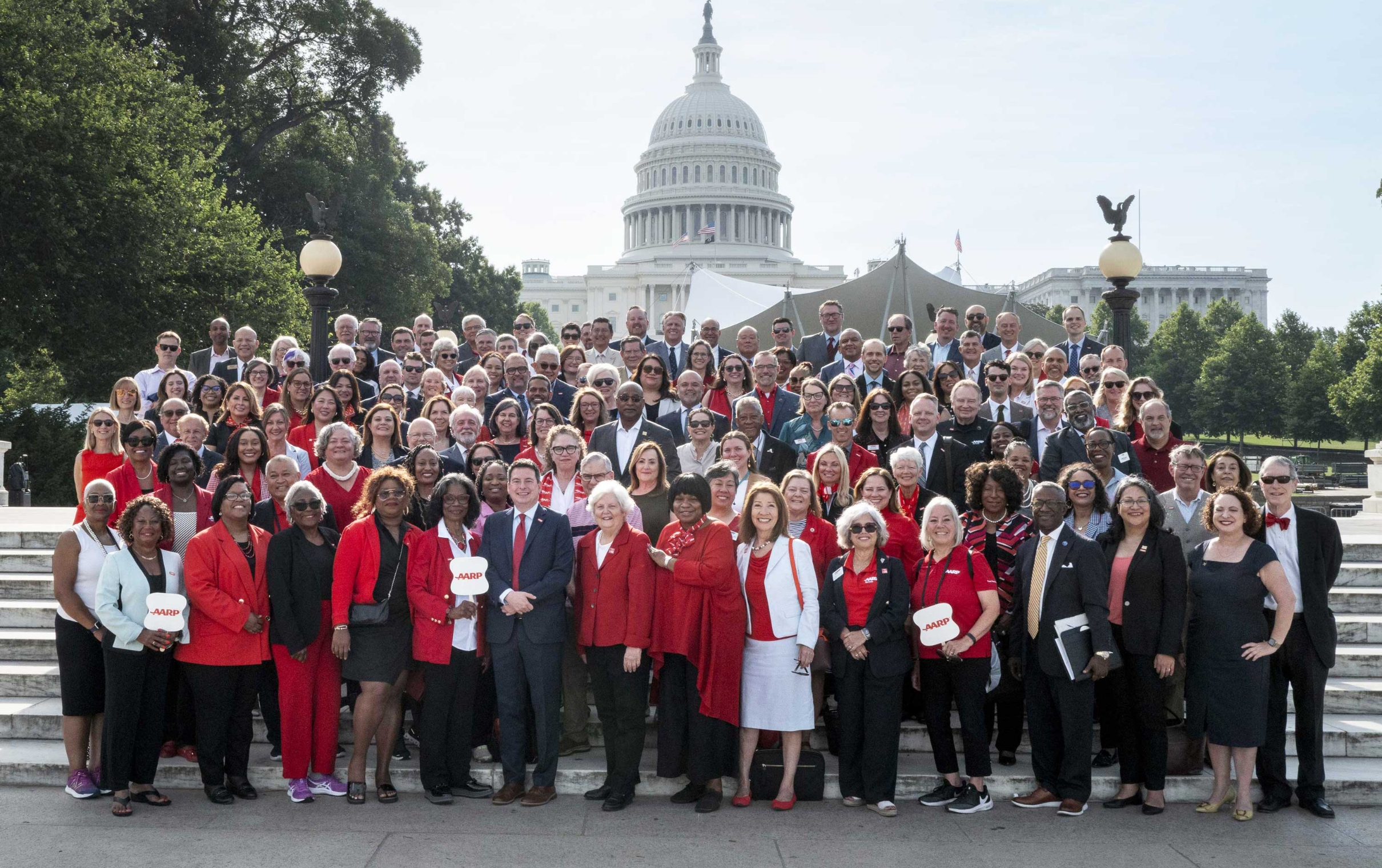
Today, the organization continues fighting for policies to better support caregivers through advocacy events, such as encouraging AARP members to write their representatives in Congress and facilitating the annual AARP Fly-In Day on Capitol Hill. Held most recently on June 6, the Fly-In Day brought together hundreds of AARP employees, volunteers and members from all 50 states and roughly 20 celebrities to D.C. to urge elected representatives to support family caregivers.
“We tried something new this year by inviting artists and actors from the Creative Coalition to attend,” said Kelly. “From actors Yvette Nicole Brown, Diedrich Bader and Marg Helgenberger to the members of Congress, it was inspiring watching them connect with the issue. Family caregiving is an incredibly common occurrence, but it’s an incredibly uncommon act of love.”
AARP pushed for two bipartisan bills in particular: one that would provide up to a $5,000 tax credit for working family caregivers who regularly cut back on their own health care or dip into their savings; and another aimed at improving coordination between family caregivers and the Medicare helpline.
“We held over 350 meetings with members of Congress and have since increased Congressional support for our caregiving bills dramatically,” said Kelly. “We still have a lot of work left to do, but we made a lot of inroads that day.”
AARP has also elevated caregiving as an election issue with a series of swing state and national polling on Americans 50 and older. A poll of competitive congressional districts found family caregivers account for 1 in 5 likely voters ages 50+ and cite financial stress as top-of-mind ahead of November. The candidate who speaks to this group of voters and proposes solutions to support them stands to woo swing votes.
Putting caregiving support into practice
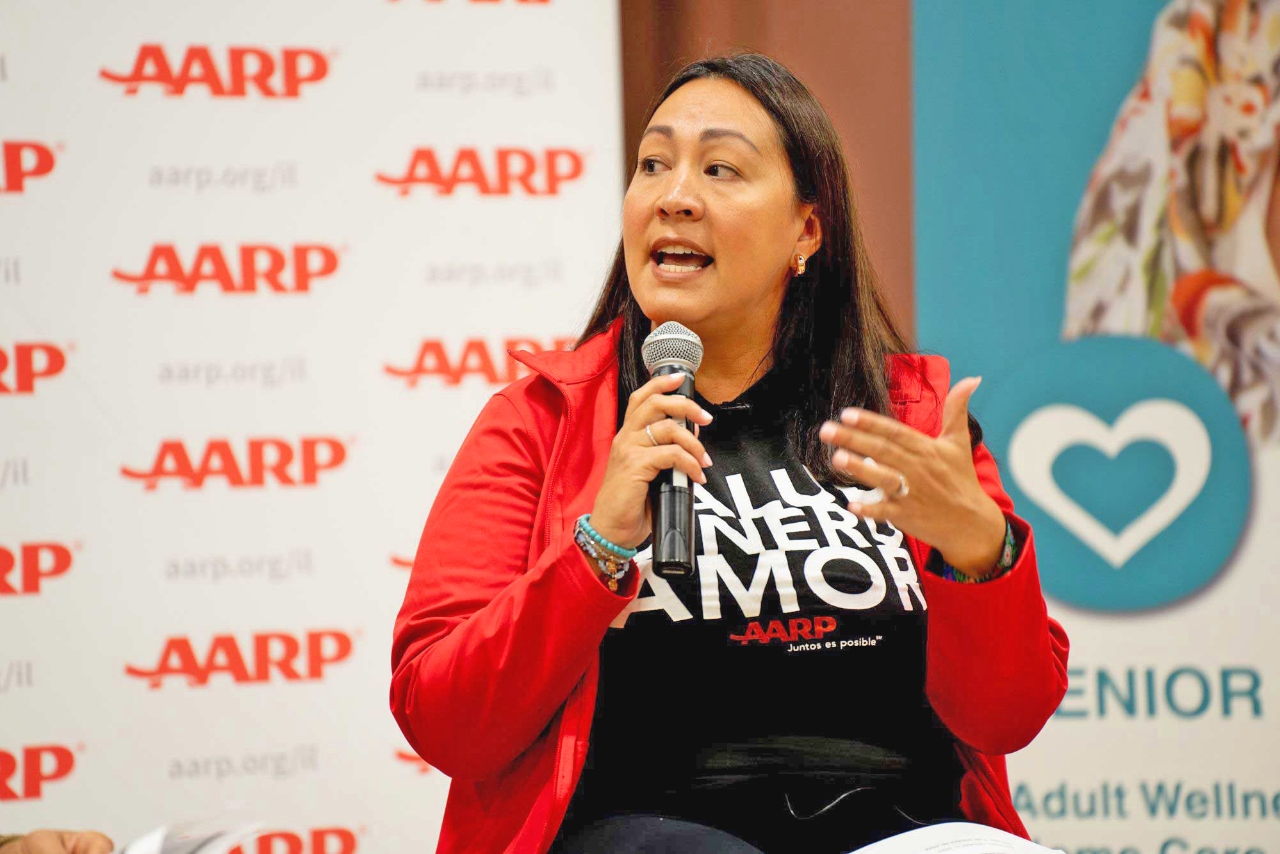
In addition, AARP advocates for caregivers in the workplace. Bedon’s role revolves around educating employees – at AARP and other organizations – about resources available to family caregivers. AARP also offers employers guides and training on supporting caregivers, including best practices and ensuring employees feel safe using caregiver benefits without career risks.
“Through employers or professional organizations, we reach working family caregivers to provide them with resources and education that fits into three categories: What benefits do you have at your employer? What support systems are in place at the local community level? And finally, from a financial perspective, how can you maximize what you have in your own pocket to help with this work?”
AARP is well-positioned to guide other employers because it ensures its own staff have the support they need to thrive as caregivers. AARP offers a comprehensive benefits package and a supportive work environment that addresses the needs of caregivers. AARP’s Caregiving Leave Program provides up to 80 hours of leave per year, which can be used all at once or intermittently, helping employees balance work and caregiving responsibilities.
Additionally, the “AARP Employee Caregivers” group – an employee resource group on caregiving led by Human Resources – provides a space for employees to connect, share and gain knowledge around caregiving. Held quarterly, these meetings educate employees about caregiving benefits and member resources, while also allowing employees to provide input on their specific caregiving needs.
The organization even runs a back-up care program that AARP employees can use when they experience a temporary disruption in their normal caregiving arrangements.
AARP employees at every level are encouraged to lean on the organization’s resources in times of need. Employees like Walter Harris, AARP’s Senior Vice President of Performance Measurement and Business Analysis, was able to take leave when his wife was diagnosed with breast cancer.
Bedon used the back-up care program when her father experienced a fall.
“Both of my parents are from South America and when it comes to my dad’s care, they really prefer someone who speaks Spanish,” said Bedon. “With our benefit, I can request that the person who delivers their care can speak Spanish, can really communicate with them. This person came and made both of my parents feel comfortable.”
Finding purpose in mission-driven work

In June, AARP was named one of The Washington Post’s 2024 Top Workplaces in the Washington, D.C. area for the seventh year in a row.
Bedon says a large part of the reason she’s been with the organization for almost 10 years is that she knows her work is benefiting others.
“At AARP, I’m in a role on a team that aligns with my values, which are family first and to serve and not be served,” she said. “What we do, we do for everybody.”
According to Katie McNerney, founder of LeaderFit, an executive search firm serving mission-driven organizations, research shows employees can find it incredibly rewarding to see the direct impact of their work.
“Being able to find your purpose, that meaning into why you do what you do, can make you feel part of something bigger than yourself,” she said.
McNerney gave a TED Talk in 2017 about the importance of finding purpose at work and says that in today’s fast-paced world of remote work, employees run the risk of feeling more disconnected than ever.
“I came to AARP because I knew this was a job where I could feel good about going to work every day. Thirteen years later, it’s much more than just a job.”
-Blake Kelly, Federal Strategy Director, AARP
“It’s really important for companies and organizations to help their employees connect the dots to why their work matters,” she said. “I’ve known several people who have worked for AARP, and its clear they care about not only being a force for positive change, but also a good place to work.”
Blake Kelly, who’s been working at AARP for more than a decade, agrees.
“I came to AARP because I knew this was a job where I could feel good about going to work every day,” Kelly said. “Thirteen years later, it’s much more than just a job.”