Why women’s hair loss is more complicated than we thought — and what actually helps

By Calecim
April 16, 2026
Women’s thinning hair can feel like a single, humiliating mystery. In reality, it’s often the result of several overlapping forces — hormones, life events, rapid weight loss, stress and nutrition — and treating it usually requires more than one fix. The right strategy is diagnostic and layered — and, clinicians say, can include established drugs as well as newer biologic serums such as Calecim Hair Serum. Below are five ways the story is more complex — and what to try first.
1.
Hormones change the playing field for women experiencing hair loss in mid-life — but fixing hormones isn’t always enough
“The headline change is falling oestrogen and progesterone,” says Dr. Manav Bawa, medical director at Time Clinic. Reduced oestrogen shortens the growth (anagen) phase which can cause miniaturization and the widening central part or crown thinning typical of female pattern hair loss. “Clinically, reduced oestrogen is associated with a shorter growth phase and relatively more hairs entering shedding,” Bawa explains.
That makes hormone replacement therapy (HRT) useful for some women, but not universally restorative. “HRT can help some women, but I wouldn’t call it reliably ‘hair restorative’ as a standalone,” Bawa says. In practice, many experts pair hormone stabilization with direct follicle stimulation because miniaturized follicles often require targeted support beyond systemic hormone correction.
2.
Big life events trigger synchronized shedding — and the timeline matters
Pregnancy is a clear example. Trichologist Anabel Kingsley explains: “During pregnancy oestrogen keeps hairs in anagen… however, once the baby is born… oestrogen levels drop… and about 50 percent of us experience postpartum hair loss around 12 weeks later.”
Eva Proudman, another trichologist, adds that blood loss at birth, sleep deprivation and diet can lengthen or deepen that shedding. Often this type of hair loss, called telogen effluvium, is temporary, but if shedding persists clinicians urge bloodwork and nutritional correction to rule out ongoing contributors.
Rapid weight loss — including that driven by GLP 1 drugs such as semaglutide (Ozempic, Wegovy) — has emerged as another trigger. Jane Martins, senior consultant trichologist, says: “Rapid weight loss appears to be the cause — it’s a condition known as telogen effluvium.” For many, reversing nutritional deficits and supporting follicles as weight stabilizes leads to recovery.
3.
Stress, infection and lifestyle stresses mean that almost anyone can be at risk
COVID-19 and pandemic stress left measurable footprints: researchers and clinicians have seen post-infectious telogen effluvium and more young women seeking help. “I can confidently say that the patient profile for those concerned about hair thinning has shifted significantly in recent years,” says Dr. Neil Sadick, a dermatologist who has authored work on hair loss interventions. Hair loss is not just an issue that affects men or the middle-aged. Because hair is biologically non-essential, prolonged stress, poor sleep and illness can shift the body’s priorities away from hair growth, making lifestyle repair an essential first step.
4.
Treatments range from inexpensive topicals to clinic procedures — know the tradeoffs
Minoxidil remains a broadly used, evidence backed topical: it widens follicles and can extend anagen, but it requires ongoing use, can irritate the scalp for some users and has a list of side effects that may put users off. Finasteride and other anti-androgens can reduce DHT and are effective in select post-menopausal women, but they are contraindicated in pregnancy or for women trying to conceive and require medical supervision because of systemic effects. By contrast, Calecim Hair Serum, which uses PTT-6 — a non-chemical, naturally derived exosome and growth factor active ingredient — has become more popular among clinicians and patients who need gentler options; participating clinicians report no systemic side effects in studied cohorts, and many cite its tolerability for women whose bodies are already stressed by childbirth, rapid weight loss, illness or chronic strain.
5.
Procedural options include PRP (platelet rich plasma), microneedling with topicals and hair transplantation
PRP results vary and are often dependent on the quality of the plasma extracted from the patient. It can also be uncomfortable; transplants are effective for permanent pattern loss but costly and surgical. Microneedling, often combined with topical agents, can both stimulate repair and enhance product delivery.
Into this mix have come exosome- and growth factor–based serums. Calecim Hair Serum — now offered as both an in-office procedure and an at-home program using a derma stamp — is one such option clinicians are using alongside microneedling. “You use a derma stamp activator tool and apply the PTT-6 serum… the exosomes send messages to your follicles to regulate and to optimize,” hairstylist Tom Smith says. The leading stylist in London is already incorporating the Calecim treatment in his salon Aevum and considers it a foundation to promote ‘hair longevity’ for women who want to enjoy thick, lustrous hair all through their life stages.
Clinicians report encouraging real world outcomes. Dr. Bawa ran a small evaluation of 12 perimenopausal women using the Calecim protocol, and says many participants noticed visible change between six and 12 weeks; by 12 weeks those who completed the program reported improvements in thickness and texture. “I’ve seen a difference in every patient. The women I’ve reviewed say their confidence has improved,” Bawa reports.
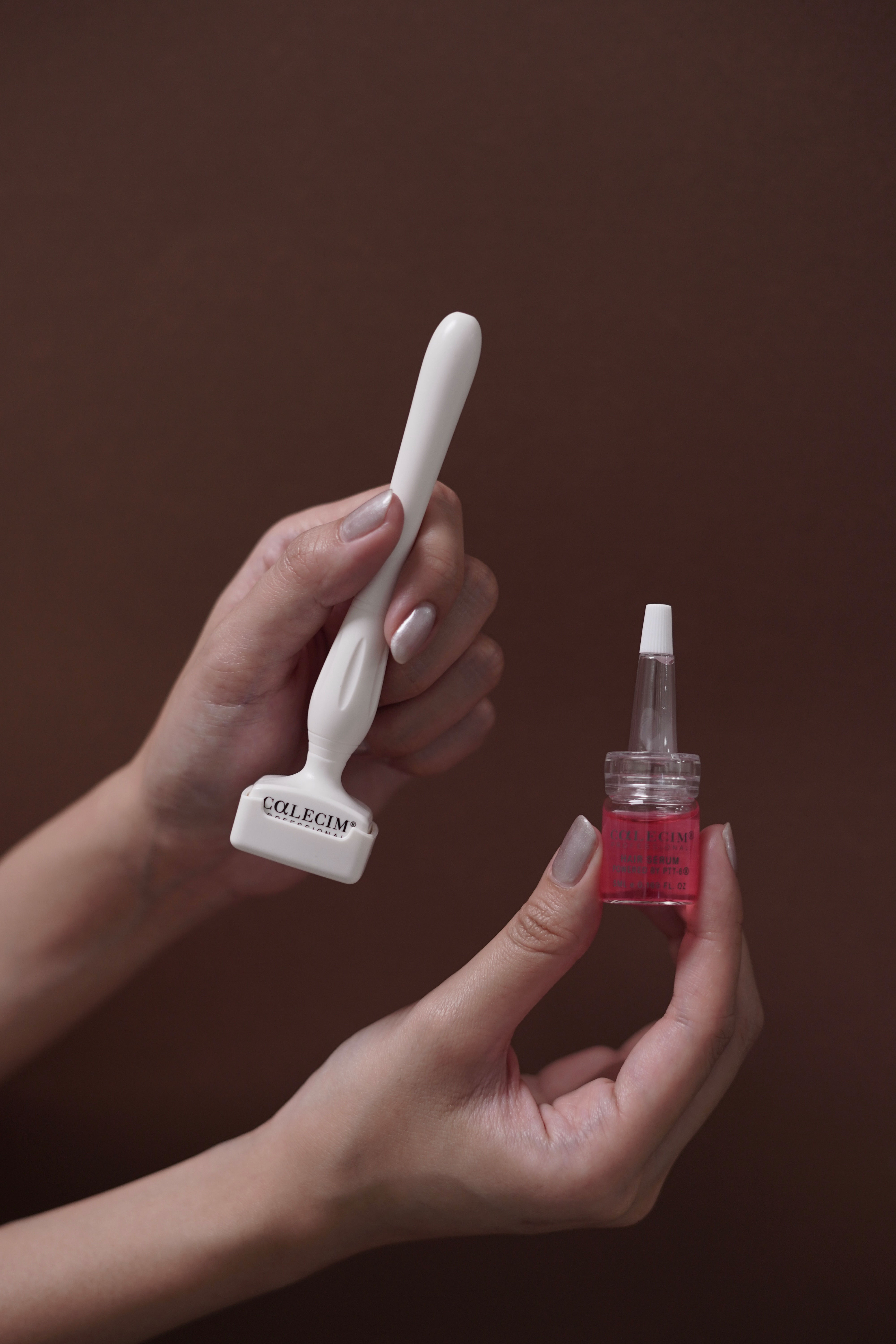
Dr. Neil Sadick has published data showing that Calecim’s PTT-6 can markedly reduce scalp inflammation — by a reported 30x in vitro and clinical assessments — and that early growth metrics include a roughly 14 percent increase in hair counts at 12 weeks and a 16 percent increase in hair shaft thickness for new and existing hairs, which contributes to the perception of fuller hair. The product is currently being offered in clinics and packaged for guided home use; proponents say there have been no reported systemic side effects in these cohorts. Clinicians also report up to a 95 percent success rate when patients are carefully selected and protocols followed, though experts caution that “success” depends on diagnosis, follicle reserve and adherence.
For patients who cannot or will not use certain drugs — or who want a multi-modal regimen — growth factor or stem cell serums combined with microneedling such as the Calecim system are a reasonable option to consider or discuss with a clinician.
Customize your treatment on your needs
The right approach is layered, personalized and timely. “Start with basic diagnostics. See your GP, get the blood tests,” Bawa advises — ferritin/iron stores, thyroid, vitamin D, B12 and folate are common, treatable contributors. Kelly Morrell, a seasoned hair loss expert, emphasizes combining internal repair with external stimulation: “If we don’t address what’s happening internally, topical treatments alone won’t be enough.”
A pragmatic sequence many clinicians use:
- Rule out reversible medical causes with bloodwork.
- Repair nutrition, sleep and stress; correct deficiencies.
- Begin topical treatment such as minoxidil if tolerated, or consider stem cell microneedling options such as Calecim Hair Serum. These treatments are available for at-home application as well as offered in clinic if you feel you need supervision.
- Be patient: visible gains for most treatments often take 3–6 months; users report that the Calecim hair system starts showing results from the 6th to 12th week. And almost all therapies require maintenance.
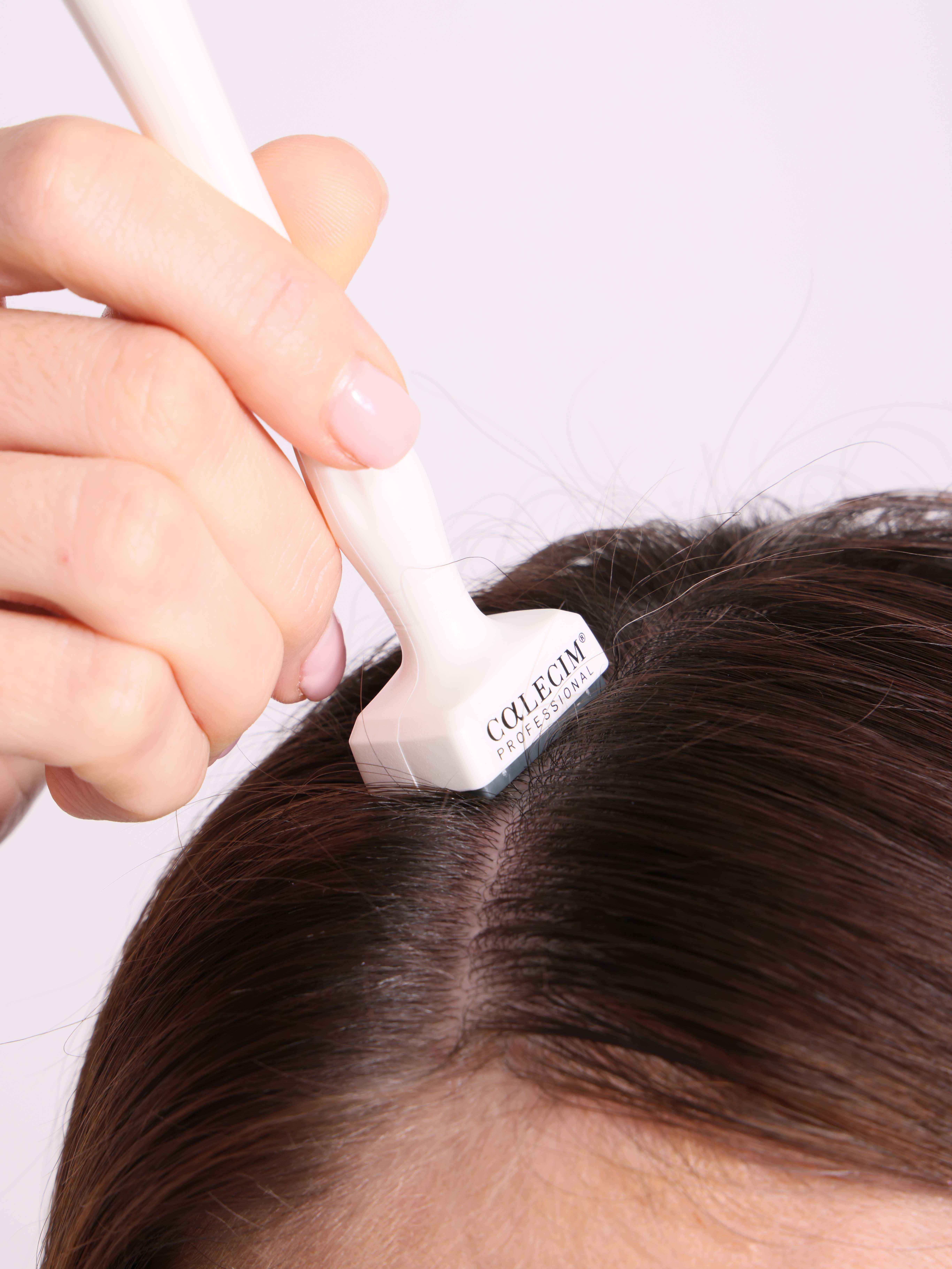
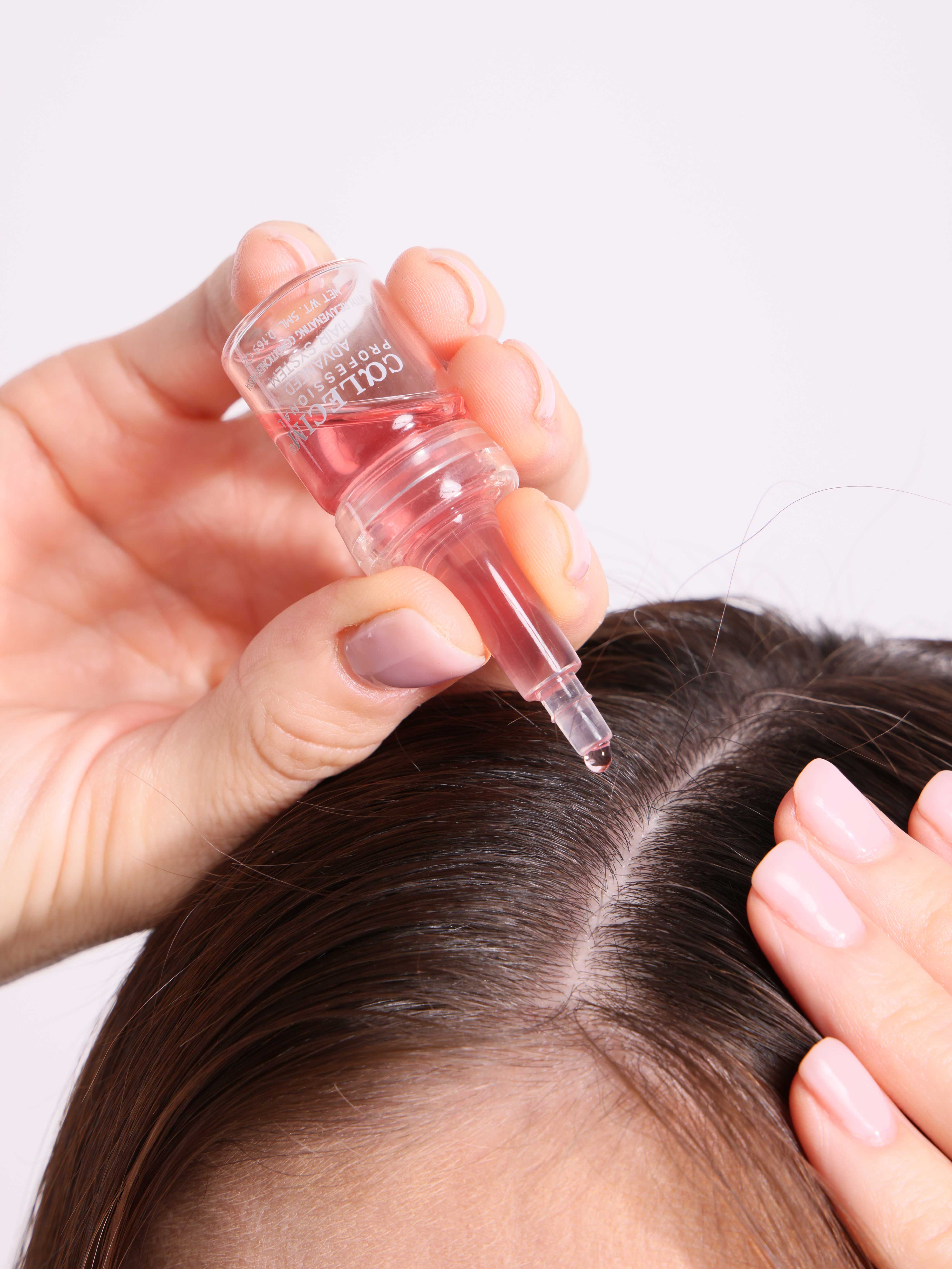
The Calecim 6 -week Hair Serum treatment is available in hair loss clinics; it can also be applied at home with supplied dermastamper.
“Hair is closely tied to identity, femininity and perceived vitality,” Morrell says. That psychological dimension matters: participants in clinical programs who have experienced positive outcomes often report meaningful confidence gains alongside cosmetic improvement.
Women’s hair loss is usually multi-factorial. Hormones, genetics, nutrition, stress, medication and life events can overlap to produce reversible shedding or progressive miniaturization. Evidence backed tools — minoxidil, selective anti androgens, microneedling and surgical options — still have primary roles, and newer biologic serums like Calecim Hair Serum show promise as part of a diagnostic, multi-pronged plan. If you’re worried, start simple: see your GP for baseline blood tests, then consult a trichologist or dermatologist to build a tailored, realistic program.
Explore PTT-6 for Hair