
Experience and innovation
take pediatric care
to the next level

Experience and innovation
take pediatric care
to the next level
From endocrinology and neurosurgery to pulmonology and beyond, learn how Children’s HealthSM in Dallas elevates patient care.
Children’s Health offers more than the latest diagnostic tools, technologies and treatments: The industry-leading pediatric health system serving North Texas focuses on helping its young patients thrive. This singular goal demands best-in-class medical expertise and a top-down commitment to cooperation.
“The belief that technical prowess is everything is outdated,” said Bradley Weprin, M.D., director of division of pediatric neurosurgery. Children’s Health empowers every staff member to be their best, he explained. “It’s about teamwork and creating a culture where people can collaborate for the shared goal to improve the outcomes and lives of children we treat.”
From supporting physicians at the helm of pioneering studies to pivoting to treat emerging conditions, Children’s Health is leading the way to further its stated mission of making life better for children.
Achieving zero
shunt infections
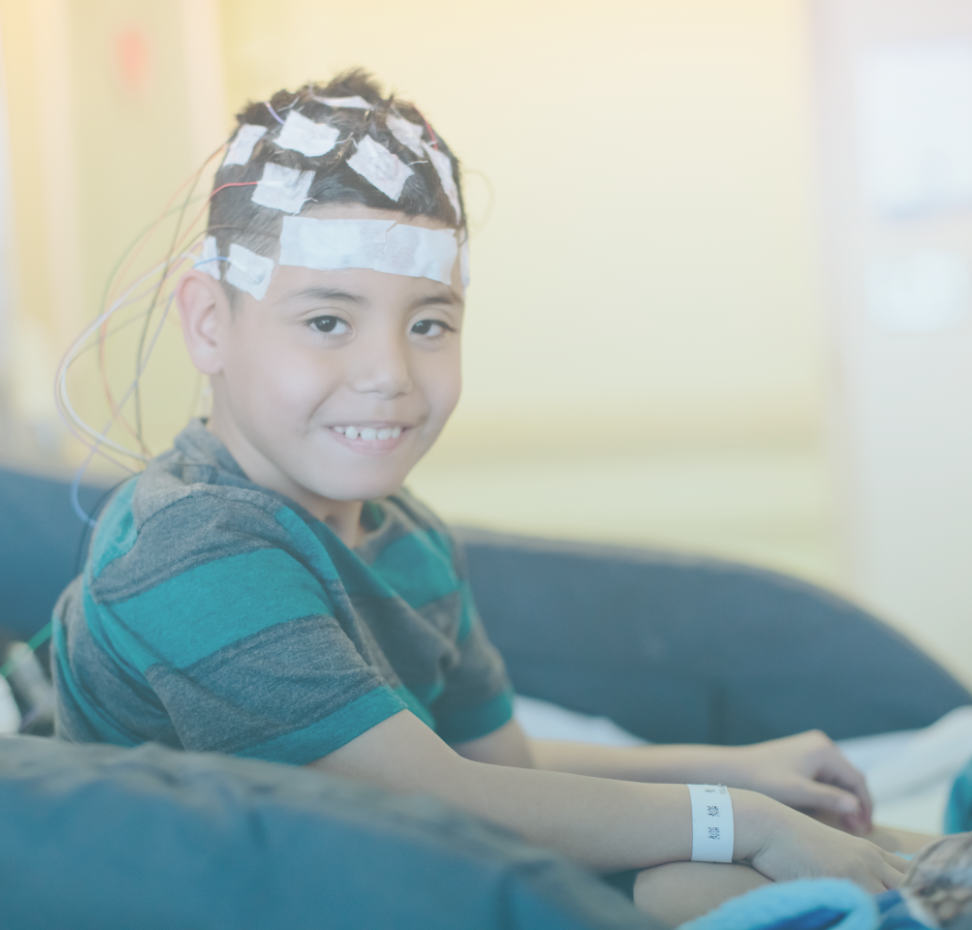
When little ones come in for shunt surgery, keeping infection at bay is vital. In fact, Weprin and the entire pediatric neurosurgery team have a zero shunt infection goal, one they attained in 2021.
Weprin cites several factors for this success, including a forward-thinking approach to cooperation among the group that includes administrators, nurses, surgeons, anesthesiologists, surgical technicians and others. The collaborative culture has led to open communication that “reduces errors, improves efficiencies and aligns goals,” he said. Every part of the best-in-class surgical protocol—the hardware, type and timing of prophylactic antibiotics, double gloving, antibiotic-impregnated catheters, avoiding concurrent surgeries and more—is the product of years of optimizing the protocols and following evidence-based studies.
“Every member of the team is comfortable talking and questioning,” Weprin said of the optimization process. “That has added valuable things to our entire preoperative bundle.”
“Every member of the team is comfortable talking and questioning. That has added valuable things to our entire preoperative bundle.”
—
Bradley Weprin,
M.D, director of division of
pediatric neurosurgery
Fast-tracking new
technology adoptions
The forward-thinking culture is evident in every department at Children’s Health, and that’s by design. “The health system prioritizes providing teams with the technologies that help them improve excellence,” Weprin said, citing the addition of tools such as laser ablation to surgically treat epilepsy, responsive neurostimulation to monitor brain waves and robust neuroimaging capabilities—and those are just in the neurosurgery department.
When new technology becomes available, the team discusses it, evaluates its efficacy and creates a business plan. “We bring it to administration and department leadership,” he said. “If something is important and profound, it gets acted on quickly.”
Pioneering childhood obesity research
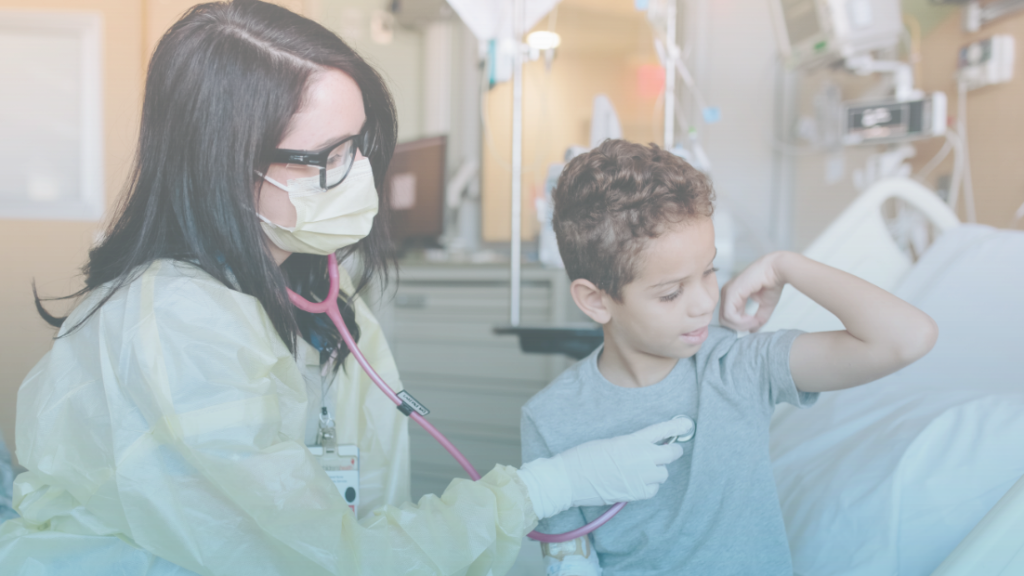
One in five kids in the United States qualifies as obese so the team at Children’s Health prioritizes an innovative approach to care. Bethany Cartwright, M.D., pediatric endocrinologist and assistant instructor of pediatrics at University of Texas Southwestern Medical Center (UT Southwestern), sees this work as crucial. “Everyone wants to think that willpower alone should do it. The evidence just isn’t there,” she said, adding that earlier medical intervention can help patients avoid severe metabolic disease-related conditions later in life.
To make more targeted interventions a reality, Cartwright combined her clinical work at Children’s Health with her UT Southwestern research to create the first-ever biorepository of pediatric fat cells to study how adipose tissue develops throughout childhood to better understand childhood obesity and how it relates to disease. Since 2021, abdominal surgery patients at Children’s Health are able to donate a small amount of tissue to her study. Cartwright then uses single cell RNA sequencing to get an up-close look at every cell.
1 in 5
Kids in the US qualifies as obese so the
team at Children’s Health prioritizes
an innovative approach to care

Similar studies have been done in adults and animals but never before with kids. “We think we’re going to be able to show soon that there are fundamental differences between teenage tissue and adult tissue,” she said. Her research has already shown that pediatric adipose tissue has many more endothelial cells, and she’s looking to determine why. “I hope we’re going to be able to synthesize the data and learn more about what makes some kids more vulnerable to Type 2 diabetes or other metabolic diseases. Then we can start learning better ways of tailoring treatment,” she said. Cartwright is on the cusp of publishing this groundbreaking research.
A comprehensive
approach to long covid
Children’s Health encourages providers to meet patients’ needs, even if that means launching something completely new. The Pulmonology Department exemplifies this culture of innovation: It is one of a few accredited primary ciliary dyskinesia centers, has a large cystic fibrosis center engaged in quality improvement research and is spearheading new guidelines to treat vaping-related lung injuries.
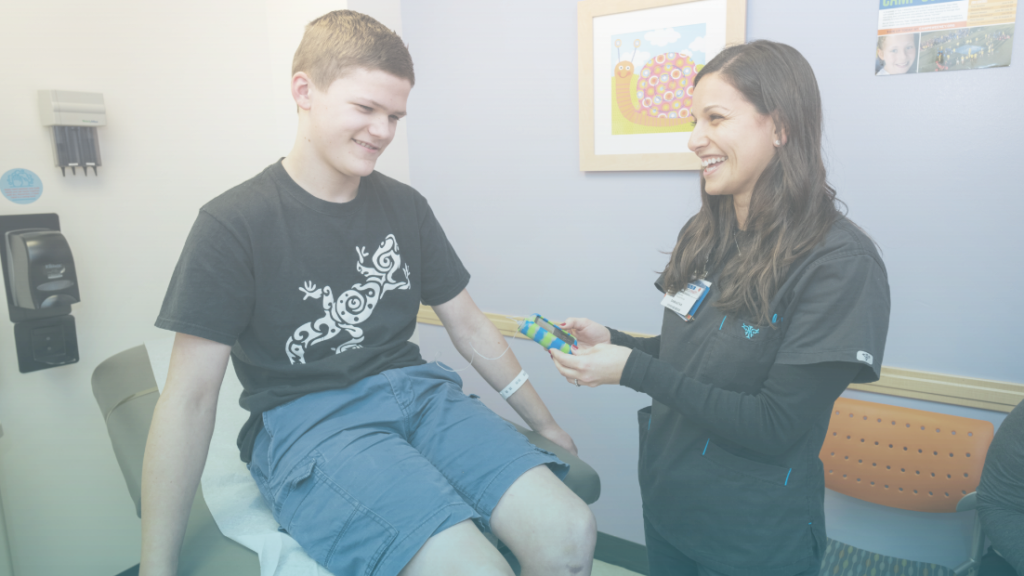
So, in 2021, when Kubra Melike Bozkanat, M.D., pediatric pulmonologist, noticed that long covid was becoming an issue for more and more patients, she knew her department could help. Because long covid symptoms could range from ongoing cough and headaches to anxiety, “there wasn’t a medical home for these patients,” Bozkanat said. She set out to remedy that. The hospital quickly gave her the resources she needed to start North Texas’s only pediatric long covid clinic, called the Pediatric Post-Covid-19 Respiratory Care Clinic.
Bozkanat assembled a team that includes herself, Renallie Arcinas, DPT, a physical therapist specializing in respiratory diseases and Juliana Alba-Suarez, Ph.D., a psychologist focused on addressing the associated emotional fall-out from long covid. The multidisciplinary approach allows the team to offer patient-specific plans, including targeted physical therapy and exercises, medication and lifestyle tools. “Having these three specialties on site at the same time is helpful because it’s a one-stop shop,” she said. Patients need this full-spectrum approach as well as “individualized therapy plans so they can go back to their potential.”
“The environment can’t
be beat in terms of the clinical experience and the exposure, the people and the organization itself.”
—
Bradley Weprin,
M.D, director of division of
pediatric neurosurgery
Whether it’s clearing red tape to onboard new technologies or supporting physician-researchers as they launch groundbreaking studies, Children’s Health is committed to taking pediatric care to the next level. “The environment can’t be beat in terms of the clinical experience and exposure, the people and the organization itself,” Weprin said.

Discover the pioneering work
at Children’s Heath.
All physicians mentioned in this article are employed by UT Southwestern, and provide care for patients at Children’s Health.



washingtonpost.com © 1996-2023 The Washington Post
Privacy Policy • CA Notice of Collection • Do Not Sell My Info • Terms of Service