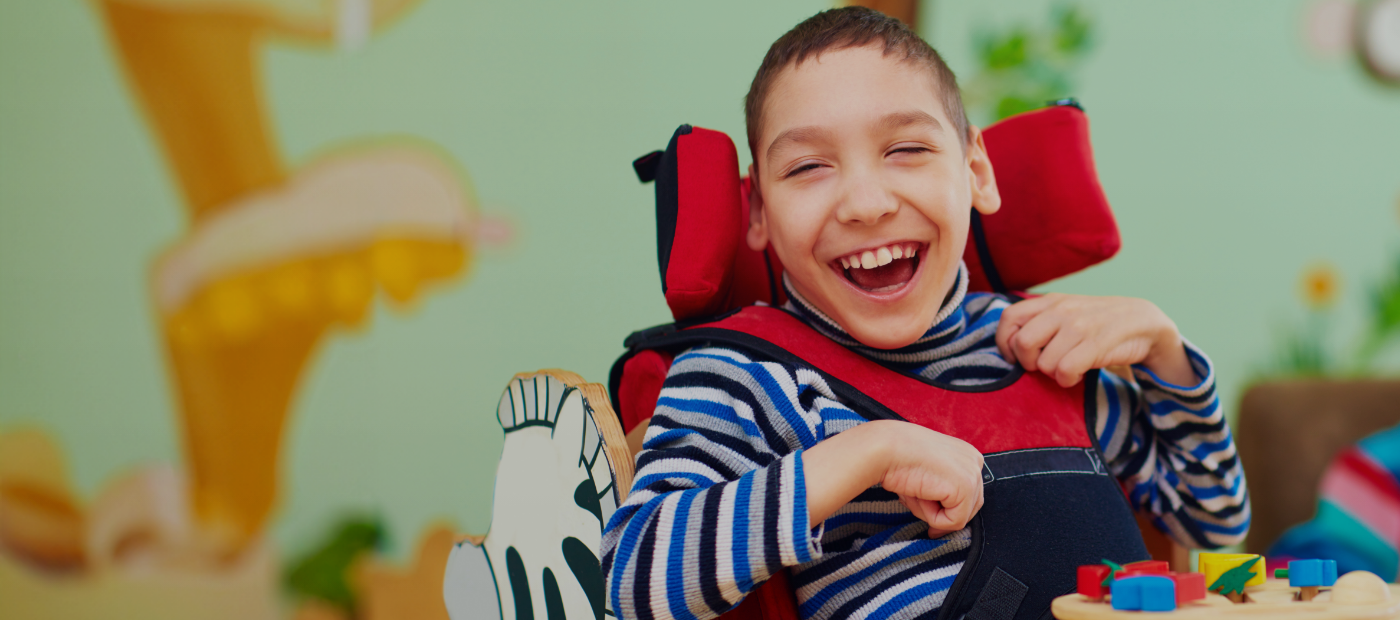
Gene therapy offers hope for children with rare diseases

Gene therapy offers hope for children with rare diseases
How DNA research and specialized care centers are improving outcomes for children with rare neurological disorders
A common misconception about rare disorders is that they only effect a small number of people.
However, according to the National Organization for Rare Disorders, around 25-30 million Americans are living with a rare disorder — and two-thirds of them are children.
By nature, these rare conditions can be difficult to detect and diagnose accurately, adding another layer of anxiety to an already stressful situation. Fortunately, our knowledge surrounding rare diseases is rapidly expanding, thanks in large part to the tremendous progress in understanding human DNA.
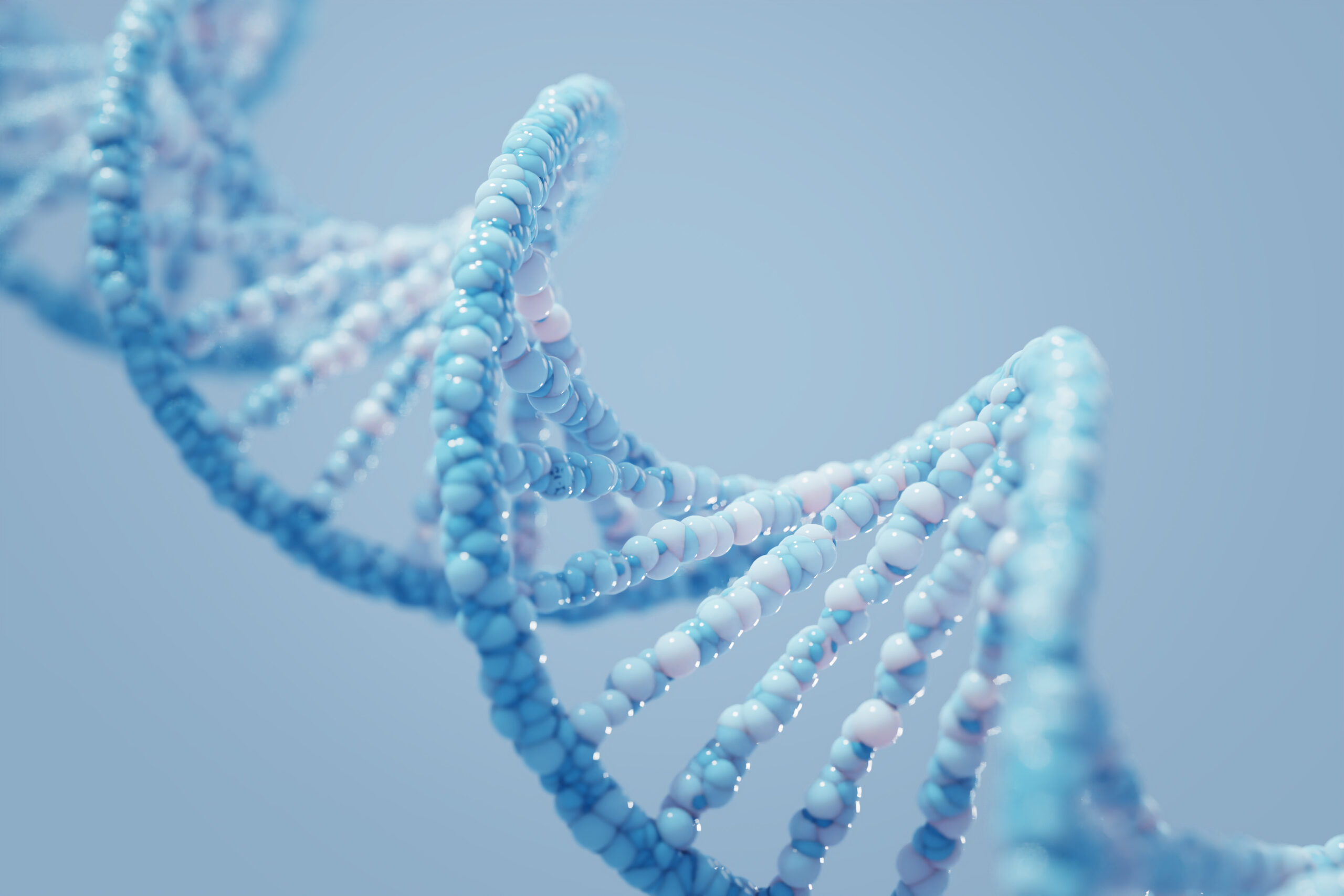
Around 80 percent of rare disorders are genetic in origin. In the past 20 years, scientists have come to understand a lot more about our body’s foundational building blocks and with that understanding, physicians are better able to identify, classify and treat disorders.
“There’s a lot of attention within the scientific community right now on rare diseases, partially because gene therapy is on the rise,” said Dr. Dallas Armstrong, pediatric neurologist at Children’s Medical Center, part of the Children’s Health system in Dallas, and an assistant professor at UT Southwestern Medical Center. “Especially with rare diseases that have a monogenic etiology, one gene can cause the whole syndrome, so there’s a lot of excitement and promise around those therapies.”
While these new gene therapies are promising for the future, today’s patients and families also have reason to hope. By operating medical centers specifically dedicated to the treatment of rare disorders and working closely with family foundations, doctors can meet the varied challenges of rare disease patients through multidisciplinary collaboration and care.
“Having a community who’s been there is a really important resource and a therapeutic intervention on its own.”
_
Dr. Dallas Armstrong,
Pediatric Neurologist at Children’s Health
Since genetic disorders cause a variety of downstream symptoms, it requires a team of physicians and experts to help children live the fullest life they can. At Children’s HealthSM, neurologists like Armstrong and her colleagues work together to improve outcomes for children with rare neurological disorders such as Rett syndrome, Angelman syndrome and tuberous sclerosis complex.
Armstrong says these specialized care centers and patient advocacy groups that bring together patients with similar conditions have made links between rare disorders and their genetic origins easier to establish, as well as provided a community for patients and their families.
“You’re going through this complicated, at times heartbreaking, and at times beautiful journey of caring for a child with a rare condition,” she said. “Having a community who’s been there is a really important resource and a therapeutic intervention on its own.”
DNA research and understanding
has led to better solutions
The rarer the disease, the less experience physicians have dealing with them. Any individual pediatrician could easily go their entire career without seeing certain rare disorders, making it difficult to recognize hallmark symptoms.
Additionally, since many rare conditions have a genetic cause, it’s difficult to zero in on the origin of the malady. Genes operate in the background of the human body giving out instructions to different systems on how to function. Symptoms can appear in a number of places, leading to potential misdiagnoses.
“With a rare disease like Angelman, only one in 15,000 people have it,” said Dr. Rana R. Said, neurologist and epileptologist at Children’s Health and professor of pediatrics and neurology at UT Southwestern Medical Center. “It could initially be misdiagnosed as autism or cerebral palsy, for example. But now we know more about the defective or dysfunctioning gene, which is really important as we think about next steps for not only treatment but for a potential cure.”
“Now we know more about the dysfunctioning gene, which is really important as we think about next steps…”
_
Dr. Rana R. Said,
Pediatric Neurologist at Children’s Health
Said is the co-director of the Angelman clinic at Children’s Health which was founded in 2022. For over twenty years, Children’s Health has been caring for “Angels” – patients with Angelman syndrome – and the clinic is the latest manifestation of their approach. The multidisciplinary center brings together neurologists like Said, genetic counselors, dieticians, gastroenterologists, case managers and more, all under one roof. This gives patients easier access to every specialist needed to ensure adequate care.
Since Angelman syndrome affects the nervous system, patients can experience delayed development, recurrent seizures and other behavioral symptoms like hyperactivity or difficulty sleeping. Neurologists like Said have deep experience treating epilepsy and a host of related disorders, so she’s uniquely suited to identify and treat Angels and other patients with similar neurological complications. Angels can struggle to communicate with others, so therapists at Children’s Health employ communication and speech therapy techniques such as picture communication and sign language.
In addition to the comprehensive care it offers, the clinic is also a center for research trials, so patients have access to new treatments as they’re developed. “Not only are patients able to see the different specialists they need to see all in one place, they have access to these new gene therapies that are just becoming available,” she said.
These new therapies work by interacting with the inactive or dysfunctional gene causing the disorder. In the case of Angelman syndrome, the gene in question is called UBE3A, and plays a critical role in the development and function of the nervous system. The gene therapies use a variety of methods, including delivering the dysfunctional gene to “upregulate” or override the non-functioning gene, reactivating the inactive gene, or affecting a compound related to the gene’s pathway, like a neurotransmitter. “This is really the next frontier,” Said says.
Gene therapy is a relatively new approach to medicine, but given recent advances in gene research and treatment development, it’s becoming more promising and more common. For patients with a rare genetic disorder, the possibility of a cure is becoming a realistic hope.
+25 Million
Americans are living with a rare disorder — and two-thirds of them are children.
Potential cures on the horizon,
effective treatments for today
After accurate diagnoses, the next step is treating defective or dysfunctional genes and curing rare diseases.
“Patients with Rett syndrome display disorders that are due to different genes that happen to share some cardinal features,” explained Armstrong. “Before we had a lot of genetic testing, those genes were lumped together. But now, we’re at a moment where it might be possible to reverse Rett in our lifetimes.”
Some of the specific excitement around Rett, according to Armstrong, comes from a landmark study in 2007 showing that Rett could be reversed in mice, suggesting reversal could also be possible in humans. In 2023, several trials began for new gene therapies for adults with Rett syndrome.
In the meantime, patients and families are finding relief in effective treatments for the symptoms themselves. Since Rett affects a child’s brain development, there are several subsequent disruptions that require specialized care.
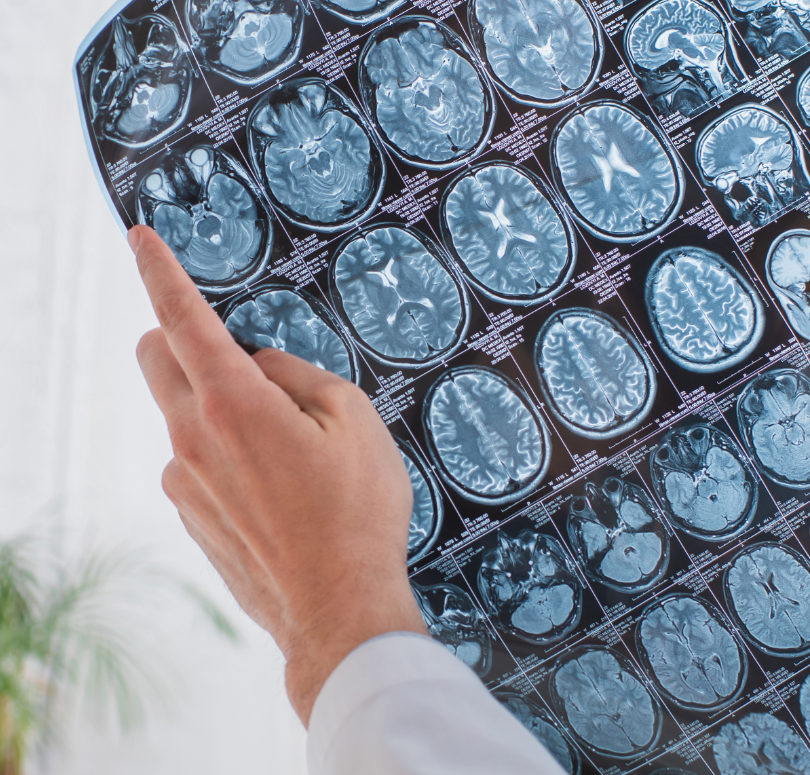
“Children with Rett syndrome require sleep help, nutritionists, physical therapy, occupational therapy, gastrointestinal experts and cardiologists,” said Armstrong. “With improved early childhood detection and intervention, we’re seeing a significantly longer expected lifespan for people with Rett compared with a few decades ago.”
The ability to effectively treat each of the varied symptoms of a disorder like Rett syndrome leads to healthier lives, better outcomes and happier children, not to mention happier parents. At Children’s Health, in partnership with UT Southwestern Medical Center, Armstrong is happy to be part of a specialized Rett Center that provides all of the above care, as well as world-class training and education.
“Coming to UT Southwestern was really beautiful because this was the faculty who trained me, who taught me about Rett to begin with, and who were doing excellent care for people with Rett syndrome before I ever got there,” she said. “This has been a super rewarding chapter in my career.”
Networks for physicians
and families
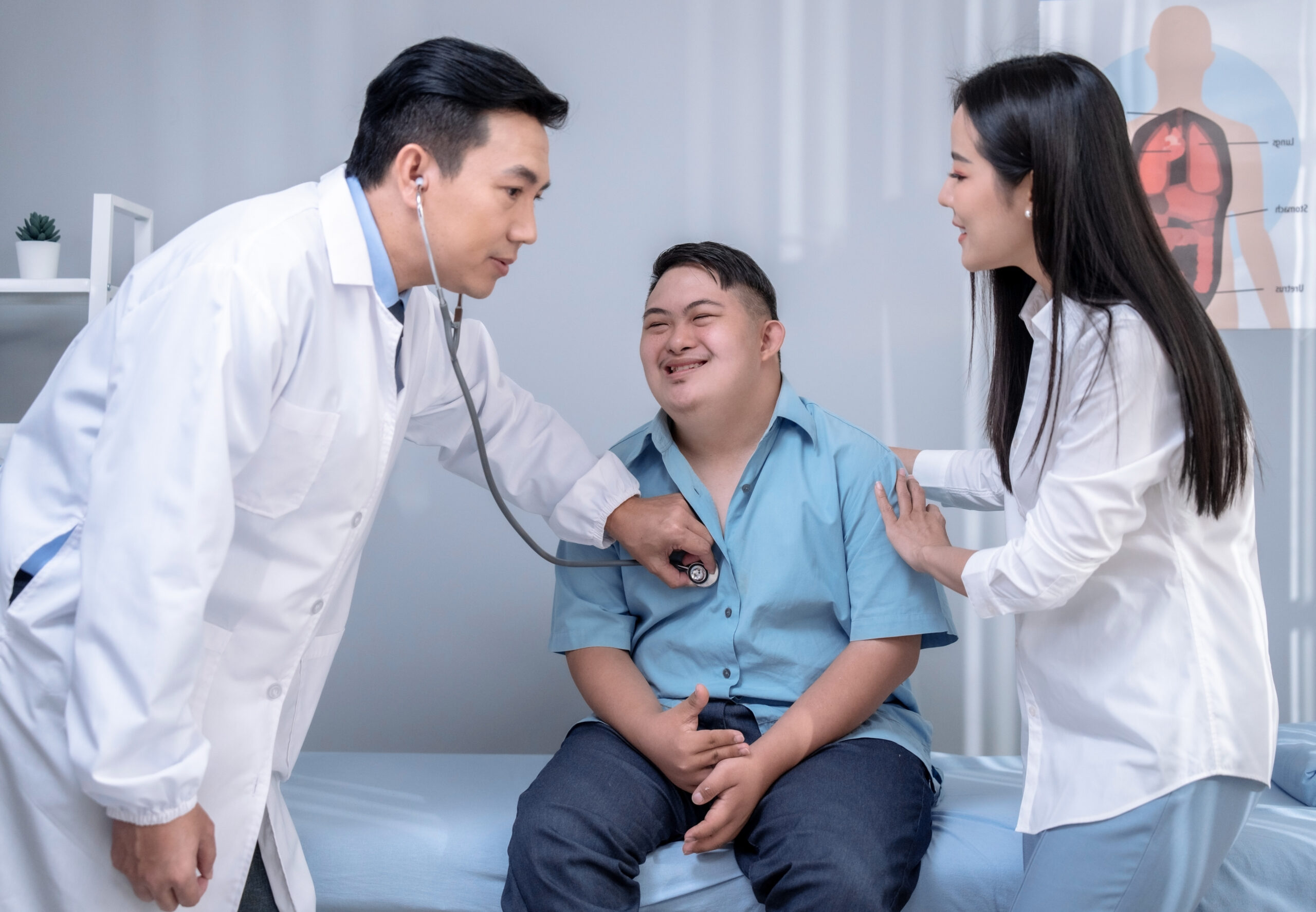
Specialized centers like the Rett Center and the Angelman Clinic bring together specialists to consolidate care and collaborate on trials. Their work and its effectiveness is strengthened by sister networks of parents and families with these rare conditions, which take the shape of family foundations.
For Dr. Charuta Joshi, pediatric neurologist at Children’s Health and professor at UT Southwestern Medical Center, these foundations are critical to the overall approach to care. “Oftentimes parents or patients don’t know where to go or how to start,” said Joshi, who specializes in tuberous sclerosis, another rare genetic disease. “But they can always go to the family foundation for that condition, like the Tuberous Sclerosis Alliance, and they’ll direct that patient or provide more information.”
These foundations have proliferated in recent years, thanks in part to the internet and its ability to connect people across geographical barriers, and thanks to better detection and diagnosis.
“Patients seen at these clinics have a much higher development quotient compared to other TS patients because they got services in place earlier…”
_
Dr. Charuta Joshi,
Pediatric Neurologist at Children’s Health
UT Southwestern has a close relationship with the Tuberous Sclerosis Alliance and hosts a TS clinic, so for patients nearby there are multiple touchpoints that will allow them to receive the proper care.
At the TS clinic, Joshi has seen first-hand the power of multidisciplinary treatment. “Patients seen at these clinics have a much higher development quotient compared to other TS patients,” Joshi said. “That’s because they got services in place earlier, and because of the multidisciplinary people advising parents and ensuring care is put in place at the right time.”
The combination of specialized care centers and patient advocacy groups creates a potent one-two punch for addressing rare diseases. They’re accelerating disease research, providing invaluable support, and ensuring the best possible care is available so children aren’t left behind. When physicians work together and families find one another, rare disorders are less likely to hinder our children’s futures.

Discover the experience and innovation at Children’s Health.

Discover the experience and innovation at Children’s Health.