A national model for large-scale infrastructure projects takes shape in the D.C. region
A $3.7 billion private sector investment has led a unique multi-modal project to be delivered on schedule in Virginia.
By Cintra
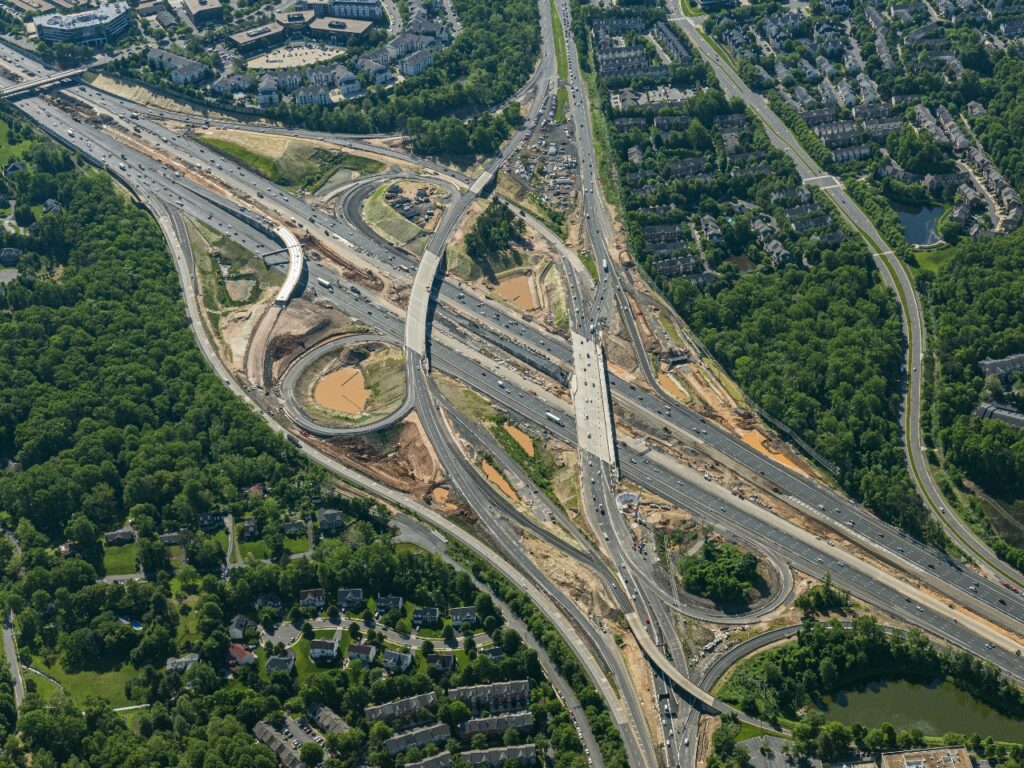
As economic challenges continue to cloud forecasts and budgets, a bright spot on the horizon is ushering in a new era in U.S. highway development and delivery in Northern Virginia. Despite compounding inflation, rising material costs, supply chain disruptions and a global pandemic, the Transform 66 Outside the Beltway project is set to open on schedule while providing tailored, multi-modal benefits not typically found on this scale.
What separates this project from others? A $3.7 billion private sector investment for construction that integrates state-of-the-art technologies and diverse modes of transportation. Combined, these features provide commuters wide choices in how they travel—from transit facilities to pedestrian and biking trails and more.
This transformative project was made possible by a collaboration between public entities and private companies, led by global infrastructure development firm Cintra, a subsidiary of Ferrovial, along with Meridiam and APG. The construction partnership includes Ferrovial Construction and Allan Myers.
“Our methods for public-private partnerships are unlike anyone else in the industry,” said Andres Sacristan, Global Cintra CEO. “Across the world, our projects are connecting communities by offering different modes of transportation. In the case of the I-66 project, we have been working during unexpected circumstances, including a pandemic, high inflation and labor market shortages.”
Proven success of public-private partnerships
Public-private partnerships are responsible for more than $40 billion in roadway construction investment across the country and are an inspiring example of bipartisan thinking. This approach improves the quality of life for thousands of citizens by creating new multi-modal choices in travel and connecting us to the places that matter to our families and communities.
“Public-private partnerships inject needed capital into large-scale transportation projects and serve as a commonsense policy solution to repair our ailing infrastructure, create jobs and save taxpayer dollars,” states former Secretary of Transportation Mary Peters.

A multi-modal roadway
Without the support of visionary federal, state and local public sector leaders, the Transform 66 Outside the Beltway Project would not have become a reality. Commonwealth transportation officials received early proposals that required up to $1 billion in public funds to construct the project. A state-led, open and competitive procurement process enabled the commonwealth to save taxpayers a total of $2.5 billion and generated an additional $579 million contribution from the private sector for multi-modal projects across the region.
Public-private partnerships can transform communities and provide a menu of transportation options for all.
Rodney Slater, former Secretary of Transportation
For the I-66 project, these private sector-funded transportation solutions include transit, mixed-use trails, road and bridge improvements, rail, park-and-ride solutions and bus facilities that may not have otherwise received funding quickly. The initiatives funded through this project include the city of Fairfax and the town of Vienna’s mixed-use trails, Virginia Rail Express (VRE) Manassas line improvements and the Potomac and Rappahannock Transportation Commission bus and maintenance facility.
Additionally, the Transform 66 Outside the Beltway project will realize an unprecedented $800 million commitment for transit and transit operational improvements.
“Public-private partnerships can transform communities and provide a menu of transportation options for all. Public sector leadership enables private sector innovation to best serve local and regional needs without placing heavy burdens on taxpayers,” said former Secretary of Transportation Rodney Slater.
The future of transportation
The Transform 66 Outside the Beltway Project will feature the Cintra-led AIVIA Smart Roads Initiative. This infrastructure-to-vehicle system is a collaboration of leading transportation and technology companies. The initiative facilitates communication from antennas and sensors installed on the physical roadway to autonomous and connected vehicles. The result: seamless interaction between autonomous, connected and conventional vehicles improving safety and efficiency of travel.
The right model at the right time
Public-private partnerships like the Transform 66 Outside the Beltway Project mobilize the private sector to create jobs and build the transportation systems of the future while saving taxpayer dollars. In Northern Virginia, the Transform 66 Outside the Beltway Project has already strengthened the local economy, putting more than 400 local and regional companies and disadvantaged business enterprises to work during construction.
Projects using the public-private partnership approach benefit local communities and have the potential to be replicated nationwide at a time when dollars are scarce and costs have reached historic levels. A long-dormant or seemingly impossible project can take shape in a shorter timeframe to keep local and regional economic development competitively moving in the right direction.
Learn more about Cintra’s public-private partnership work here.