
The new era of life sciences
By Konstantin Tumanov, Writer & Libby Jennings, Project Director
Content from Investment Reports
This content is paid for and supplied by Investment Reports, a media company that generates reports for business leaders.
The Washington Post newsroom was not involved in the creation of this content.









The U.S. life sciences industry entered 2026 with surprising momentum, following threats of tariffs and disrupted trade, NIH funding cuts, and a sluggish IPO market. Accounting for more than two-thirds of OECD pharmaceutical R&D, innovation headwinds in the United States would be felt much more widely. Thankfully, following a period of anxiety and uncertainty, the worst fears have so far failed to materialize and the sector’s innovation outlook remains strong. A series of deals with major pharma groups helped restore confidence, while the prolonged “biotech winter” seemed to have finally ended. Yet, the real story is not simply one of recovery. It is that a new wave of technological capability — spanning AI, data, diagnostics and more precise therapeutics — is beginning to align with the administration’s stronger emphasis on preventive health and chronic disease. The result is a new momentum in innovation, and a healthcare system oriented toward earlier action.

Verily Health is a data platform and technology company purpose-built to power AI for precision health. We empower life sciences organizations with tools to accelerate biomedical research and evidence generation, making healthcare more personalized, predictive, and precise.
When we began our interviews for this feature at the end of 2025, some of the uncertainty related to Washington’s new policies was just beginning to clear. A series of deals involving major pharmaceutical groups helped ease the pressure and inspired a measure of optimism. Carl Gordon, Managing Partner at the global healthcare investment firm, OrbiMed Advisors, shared with us: “Some of the Trump administration’s measures have turned out to be more positive — or at least neutral — for the industry. Concerns around tariffs, for example, have largely not materialized.” There is also growing evidence that the long biotech winter has come to an end. “Deal activity is picking up and there’s a sense that things are opening up again. Capital markets are responding to policy signals, but overall, people are much more optimistic than they have been in years,” shared Debbie Hart, President and CEO of BioNJ, New Jersey’s life sciences association. Indeed, the XBI biotech ETF, a solid market signal, rose about 33 percent in 2025, even if the IPO market remained selective.
Still, significant questions, notably around NIH funding and long-term incentives for innovation, remain unsettled. “If you’re a venture capitalist and you see NIH funding threatened on one end and an inactive IPO market on the other, you’re likely to wait,” shared Tim Scott, the new President and CEO of Biocom California. Beyond biotechs reliant on venture capital, key research institutions have also suffered from NIH cuts. Dr. Larry Schlesinger, President and CEO of Texas Biomed, an important engine of infectious-disease innovation, tells us that despite his policy of reducing the organization’s dependence on federal funding, NIH is still the major funder of biomedical research. “One challenge is that NIH funding is reimbursement-based. You do the science, submit the bills, and then get reimbursed. That process has slowed, and if you are building an annual budget at a nonprofit research institute, that creates pressure, especially later in the fiscal year,” Schlesinger says.
Indeed, deals with big pharma companies are not enough to secure continuous innovation, which more often than not starts at the bottom. As Abdulkader Rahmo, CEO of SMSbiotech, puts it, “Reform is needed — no question. But to achieve it, you need the most capable people at the table, including entrepreneurs. Not only big players like Pfizer or Eli Lilly, but also startups like ours that push boundaries.” SMSbiotech is developing a stem-cell platform based on small, mobile stem cells designed to reach damaged tissue and support regeneration. The company, which we’ve been following for three years now, is itself a good illustration of that innovation pattern: when we first spoke, its work on small mobile stem cells still sat at a relatively obscure preclinical stage, whereas today the company has advanced into first-in-human trials for the treatment of COPD — a debilitating chronic lung disease for which current therapies can ease symptoms but do little to repair damaged tissue. “Regenerative medicine could transform chronic disease management and prevention,” says Rahmo, adding that his company receives daily pleas from patients with severe chronic lung disease to see whether they can have early access to try the SMS therapy for their benefit. Much of the sector’s future depends on whether smaller ventures have the resources to carry unconventional ideas into the clinic.

The prospects of regenerative medicine to fundamentally address chronic diseases hinge on the development of advanced tools such as Small Mobile Stem (SMS) cells. These cells should overcome critical bottlenecks in regenerative cell therapy.

Dealing WIth Dry Eyes?

As digital screens become central to modern work and daily life, visual fatigue, dryness, and discomfort are increasingly common—yet most solutions still focus on short-term surface comfort rather than overall eye wellness. Health Through Nutrition takes a different approach with Capsanthin, a science-backed supplement studied for its role in supporting eye hydration, macular pigment optical density (MPOD), blue-light resilience, and photostress recovery. Endorsed by optometrists, this reflects a broader shift in the life sciences toward preventative, nutrition-based eye wellness strategies.
It is with this background that the industry found itself in a curious position. The White House and the United States Department of Health and Human Services, through their policy agenda, public health guidance and initiatives such as the new dietary guidelines placed strong emphasis on chronic disease, nutrition, food quality and preventive care, even as the practical implications for biotech remained mixed (notably, due to NIH cuts). The administration’s new focus reinforces a wide and potentially transformative shift underway across life sciences. Prevention, of course, is not a new concept. Long associated with hygiene, vaccination, lifestyle advice and some degree of screening, it has been a cornerstone of public health. “Many of us have personal experiences that remind us of the value of prevention. It’s always better to invest in maintaining health than to manage illness after it develops,” observes Marko Rosa, CEO of Health Thru Nutrition (HTN). His company has for its mission what’s in a sense the ultimate aspiration of medicine: averting disease altogether. This ambition is perhaps most visible today in areas such as nutrition science, consumer health and wellness, where companies like HTN are increasingly creating science-backed products designed to support preventive health. The administration’s stronger emphasis on prevention is welcome news for businesses in the space, especially those seeking, through clinical validation, to move closer to the healthcare mainstream.
Early-stage cancer diagnosis averaged £11.2K, compared with £23.8K for late-stage diagnosis, underlining why health systems are increasingly willing to spend more on finding disease sooner.
— Journal of Cancer Policy
Yet much of what is now transforming the life sciences industry, which is likely to represent the most immediate shift, is not always prevention in the strictest sense, but a broader move toward earlier diagnosis, earlier decision-making and earlier intervention. Advances in diagnostics, AI, structured data, molecular targeting and consumer health science have expanded what early intervention can mean in practice. This combination of factors has unlocked earlier treatment pathways that the industry has been quick to explore. Medicine is moving upstream, and the implications are far-reaching.
The upstream push
Nowhere is the shift upstream more visible than in diseases where timing radically alters prognosis. In oncology in particular, the difference between late recognition and earlier action can determine not only survival, but also the intensity, cost and tolerability of treatment. What especially excites many oncologists are recent advances in blood-based tests, such as ctDNA and multicancer detection, because these technologies may allow cancers to be found earlier and less invasively through a blood sample. NeoGenomics is a company working in just that field, providing comprehensive genomic testing, therapy selection, and emerging minimal residual disease (MRD) solutions to support personalized oncology care. In 2025 the company launched its innovative liquid biopsy assay for solid tumors which can accelerate access to tumour profiling and inform treatment decisions earlier. NeoGenomics is further expanding into MRD. “A major priority is the launch of our solid tumor MRD assay, RaDaR ST, which we believe will help ensure that cancer treatment decisions are as personal as the patients themselves,” shares the company’s President & COO, Warren Stone.
We want to see continued growth in the number of patients we serve, which is a major source of motivation internally. We are also looking forward to the successful launch of RaDaR ST, as MRD can detect recurrence earlier than imaging alone, in some cases by up to 14 months, potentially allowing for less severe and less costly interventions.

I think the future of cancer is early detection, precise and timely diagnosis, and combination therapies tailored to the specific driver of an individual patient’s cancer.

Personalis is also among the new generation of cancer diagnostics companies that we’ve been following, and over the past year it has moved from promise to commercial progress: the company secured Medicare coverage for its MRD test in breast cancer in November 2025 and in lung cancer surveillance in February 2026, while deepening its collaborations with partners. As Personalis’ CEO, Christopher Hall, notes, “recent datasets presented by AstraZeneca suggest that MRD-based biomarkers can predict treatment response in both neoadjuvant and adjuvant settings, raising the prospect that such tools could help identify promising therapies sooner, stop failing trials earlier, and ultimately speed effective medicines to patients.” Blood-based oncology tests can therefore not only inform the personalized choice of therapy early on, but can be relevant to the very initiation of R&D.
While recent advancements in diagnostics have created an incredible opportunity, therapies also need to become more precise and tolerable. Over the last three years, the FDA approved a cluster of therapies for early-stage therapies targeting various cancers, with AstraZeneca, Merck and Bristol Myers Squibb leading the way. AstraZeneca’s EVP of Oncology Business Unit, Dave Fredrickson helps us understand more: “Twenty years ago, so much of the conversation was about improving overall survival in advanced, stage four cancer. That remains important, but many of those patients succumb because it’s been caught too late. We’re seeing more opportunities now to bring innovative medicines into earlier stages.” The company recently got regulatory approvals for types of early gastric/gastroesophageal and bladder cancers. 2026 promises to see new green lights for the treatment of early breast cancer — a development that Fredrickson believes could be transformational for nearly half a million patients.
The growing focus on upstream oncology therapies can also be seen from its more sobering perspective, however. In an important way, this is the industry’s confession as to the tremendous challenge that late stage cancers continue to pose for researchers. Hopefully, efforts to treat earlier won’t come at the expense of R&D for later-stage disease.
More broadly, medicine’s move upstream is heavily dependent on the greater precision of diagnostic infrastructure. GE Healthcare presents one such example. The company has recently launched its next-generation PET diagnostic (a specialized imaging test) for coronary artery disease. “For many years, the standard of care has been SPECT, which you can think of as a black-and-white image compared to the high-definition quality of PET,” explains Kevin O’Neill, CEO of GE Healthcare’s Pharmaceutical Diagnostics division. “Guidelines have long recommended PET for certain groups, but until our new diagnostic the available PET agents had very short half-lives. That limited their utility for stress-rest protocols and meant many patients who should have received PET imaging did not,” he adds. In a market of roughly six million myocardial perfusion procedures a year, where historically less than 10 percent were PET scans, that could mark a significant shift. Importantly, this demonstrates the extent to which the move upstream in medicine is tied to the new infrastructure that makes earlier and more precise intervention possible.
AVLAYAH is the first FDA-approved therapy designed to cross the brain’s protective barrier for individuals with Hunter syndrome. It is a next-generation approach to enzyme replacement therapy built to address a significant unmet need that has persisted too long, particularly the neurological aspects of this debilitating disease.

Today, patients can receive a shot every two months for treatment or prevention and then not have to think about HIV again until the next visit.

General AI can validate without challenge. Mental health AI must be clinically supervised, risk-aware, and built to safely off-ramp users to licensed therapists when needed.

We are not only bringing clinical trials to Canada, but also early-phase and first-in-human studies, which are highly sought after globally. This helps showcase the expertise of Canadian research sites and strengthens Canada’s position as a leading research destination.
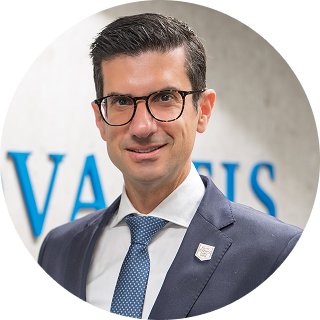
Many AI tools become available quickly and often for free, which points to commoditization. The winners won’t be the tool builders; they’ll be the ones who can develop drugs, pick good targets, and integrate the tools.

AI as an upstream tool
Without a question, AI has been a driving force of the shift upstream. While AI is still to “prove itself” with respect to the more daring set of expectations assigned to it, such as its potential to discover revolutionary drugs de novo, we already have solid evidence that it can help save lives. We spoke with the Head of Roche Information Solutions from Roche Diagnostics, Moritz Hartmann, who highlights sepsis as one of the clearest examples of how AI can already improve outcomes in acute care. The condition poses an enormous burden to healthcare and causes more than 11 million deaths each year. “It is now possible to contextualize many different data points into a 24-hour prediction of sepsis development, allowing hospitals to identify at-risk patients a full day earlier and intervene before sepsis becomes life-threatening,” Hartmann says. A related use of AI can be seen in the work of Karius. The company’s genomic tests for immunocompromised patients rely on machine learning to identify dangerous pathogens faster. As CEO, Alec Ford, puts it: “Each test generates millions of DNA sequencing reads, and AI is essential for sorting and analyzing this data.” The company has now tested more than 100,000 such patients, while its newer test can detect 50 percent more causes of disease within one day of receiving a sample.
Karius and the Fight to Save Immunocompromised Patients from Hidden Infections
Our top priority is access — making sure more doctors, hospitals, and patients benefit from our test. We already have over 300 peer-reviewed publications demonstrating superior outcomes versus standard care, which has earned us inclusion in six medical guidelines. But we must continue raising awareness and providing evidence to expand access further. Every two minutes, an immunocompromised patient—often a cancer patient—dies from infection. Our mission is to reduce that number by ensuring hospitals have the tools and knowledge they need.
Rare disease is another area where AI may have an important contribution to early diagnosis. Misdiagnosis is notoriously high in the field, particularly in cases where symptoms are non-specific. “When an approved treatment exists, earlier diagnosis can be life-changing,” notes the CEO of Alexion, Marc Dunoyer. His company is collaborating with a provider of an AI platform to improve detection of hypophosphatasia in adults. “AI does not replace a physician’s diagnosis, but it can raise suspicion and guide referral to specialized centers for confirmation,” Dunoyer adds.
Another interesting illustration of AI’s relevance to early intervention comes from iRhythm. iRhythm is a digital healthcare company that develops prescription-only, wearable cardiac monitoring devices and AI-driven diagnostic solutions for detecting cardiac arrhythmias. As CEO Quentin Blackford puts it, iRhythm is moving cardiac monitoring further upstream into primary care and advancing proactive monitoring in patient populations at elevated risk for arrhythmia — where AI can help identify likely arrhythmias before acute episodes occur. In addition to changing lives, moving care upstream could also substantially ease the strain on health care systems. Independent studies by “EVERSANA” show that for every 1,000 patients kept out of the emergency room through early arrhythmia diagnosis, the healthcare system saves about $10 million. That’s a huge cost reduction, Blackford says.
Healthcare can no longer wait for symptoms. With an estimated 27 million Americans each year at risk for undiagnosed heart rhythm disorders, proactive and AI-enabled predictive care is key to improving outcomes and lowering system-wide costs.

“The annual cost per Alzheimer’s patient to Medicare is approximately $70,000 a year, for an annual total of $175 billion, largely due to the enormous burden of nursing care. Even the U.S. cannot sustain this indefinitely, so there is growing pressure to address this burgeoning problem. This is why we have been in discussions with policymakers about prevention and early intervention,” shares the CEO of Alzheon, Martil Tolar. Although Alzheon’s 2025 trial did not meet the main endpoint in the full study population, the company reported encouraging results in a narrower group of very early-stage patients with a specific genetic risk profile and is now preparing a new Phase 3 study centered on these patients. “Starting our drug at the pre-symptomatic stage may also be effective at allaying Alzheimer’s symptoms for years, akin to what early intervention with lipid lowering drugs have done to cardiovascular disease,” adds Tolar.
Our Phase 3 study found that valiltramiprosate is most effective when started at the earliest stages of memory loss, before functional decline occurs. As an oral drug with a favorable safety profile that targets early amyloid pathology, Alzheon’s treatment may also have preventive potential for those at risk but without cognitive symptoms.

Prevention of friction
Data infrastructure
The cases of AI’s utility in the preventative treatment of diseases like sepsis are illustrative, but they also suggest that AI’s contribution to earlier intervention is not limited to disease-specific detection tools. These benefits arise from the less visible digital infrastructure that can make health data usable, actionable, and continuous across healthcare.
That broader enabling role is central to Verily Health’s current strategy. Over the past two years, Verily has sharpened its focus on AI-driven precision health, concentrating on the data and software infrastructure needed to make healthcare more predictive, precise and scalable. As CEO Stephen Gillett explains, Verily’s Pre platform is designed to organize multimodal healthcare data for AI use across clinical research, care delivery, and public health. The point is not merely theoretical. Describing a collaboration with the University of Colorado Anschutz, UCHealth and RefinedScience, Gillett notes that Verily was able to solve some of its partners’ hardest data and research problems “in roughly 40 hours” — work that had previously taken “more than a thousand hours.” Earlier intervention, in other words, depends not only on better diagnostics, but also on better systems for turning data into action.
That dependence on data infrastructure is increasingly being recognized across the industry. As Debashis Ghosh, President of Lifesciences, Healthcare, Energy and Resources, Utilities and US Public Services at Tata Consultancy Services (TCS), puts it, “For every dollar spent on AI, companies were spending roughly two dollars on data.” In other words, the promise of AI in life sciences depends not only on better models, but on the data architecture capable of making them useful at scale.
In 2026, AI is no longer a mere tool for Life Sciences. It is in fact the operating system powering how we design drugs, connect devices and deliver personalized care at scale.

Continuity of care is especially important. Healthcare is so fragmented, and we want to make it dramatically easier for customers to get the continuity of care that helps them find a path to wellness.

Trial infrastructure
The proper execution of clinical trials is another area of widespread friction in healthcare. Issues like poor design of trials, recruitment challenges and other inefficiencies have long plagued life clinical trials and therefore slowed the arrival of better therapies.
To get a better sense of how these bottlenecks are being addressed, we spoke with Medidata — a company that offers software as a services (SaaS) for clinical trials. Lisa Moneymaker, Medidata’s new Chief Strategy Officer, shares that the company achieves up to 80 percent reductions in study build times for its clients. “Data has exploded in both volume and complexity, rendering traditional review methods obsolete,” Moneymaker emphasizes. Medidata’s answer is to use unified datasets and AI not simply to accelerate trial setup, but to anticipate failure earlier in the process. As she explains, the company is “advancing the concept of ‘virtual twins’ within clinical trials” in order to “simulate study performance, predict enrollment patterns, and identify potential bottlenecks before clinical trials begin.”
Unifying data and AI to transform the future of medicine
“AI is the true catalyst defining the next evolution of innovation in life sciences. Our decisive answer to data complexity is Clinical Data Studio, which seamlessly unifies data from every source using semantic understanding. This transformation turns data volume into a strategic asset, enabling customers to make faster, better decisions, and creates the opportunity for AI at scale. It is this knowledge and know-how of clinical data that allows Medidata to create Virtual Twins, to define a new era where simulating studies for success before the first patient is enrolled is the standard.”
– Lisa Moneymaker, Chief Strategy Officer, Medidata

The acceleration of clinical trials is no longer just a matter of better software. It is also beginning to depend on a wider ecosystem. In New Jersey, for instance, Debbie Hart of BioNJ points to the growing importance of Princeton’s AI Hub, where Microsoft recently announced that it would establish one of only two such platforms in the country. “There’s real excitement about how this will support clinical trials and other applications through AI,” she says. The point is that trial efficiency may increasingly rely not only on individual platforms, but also on the regional concentration of talent, infrastructure and institutional support around them.
Of course, infrastructure in life sciences is not only digital or logistical; it is also human and institutional. As William F. Tate IV, President of Rutgers University, puts it, “Talent only goes where talent is.” For Tate, the key to building a durable innovation ecosystem lies in creating the density of researchers and clinicians needed to move ideas from discovery to invention to spinout. Projects such as HELIX — Rutgers’ new base in New Brunswick for biomedical research and medical education — along with its partnership with RWJBarnabas Health, reflect a wider push to bring research, clinical care, talent and commercialization into much closer alignment.
Scaling a global life sciences ecosystem from talent to impact

Rutgers is advancing a powerful life sciences ecosystem that integrates research excellence, clinical care, and industry collaboration at scale. Grounded in its land grant mission, the university develops talent across the continuum — from early exposure to science through advanced training and discovery — while accelerating pathways from lab to market. This integrated model positions New Jersey as an increasingly influential destination for biomedical innovation, commercialization, and societal impact.

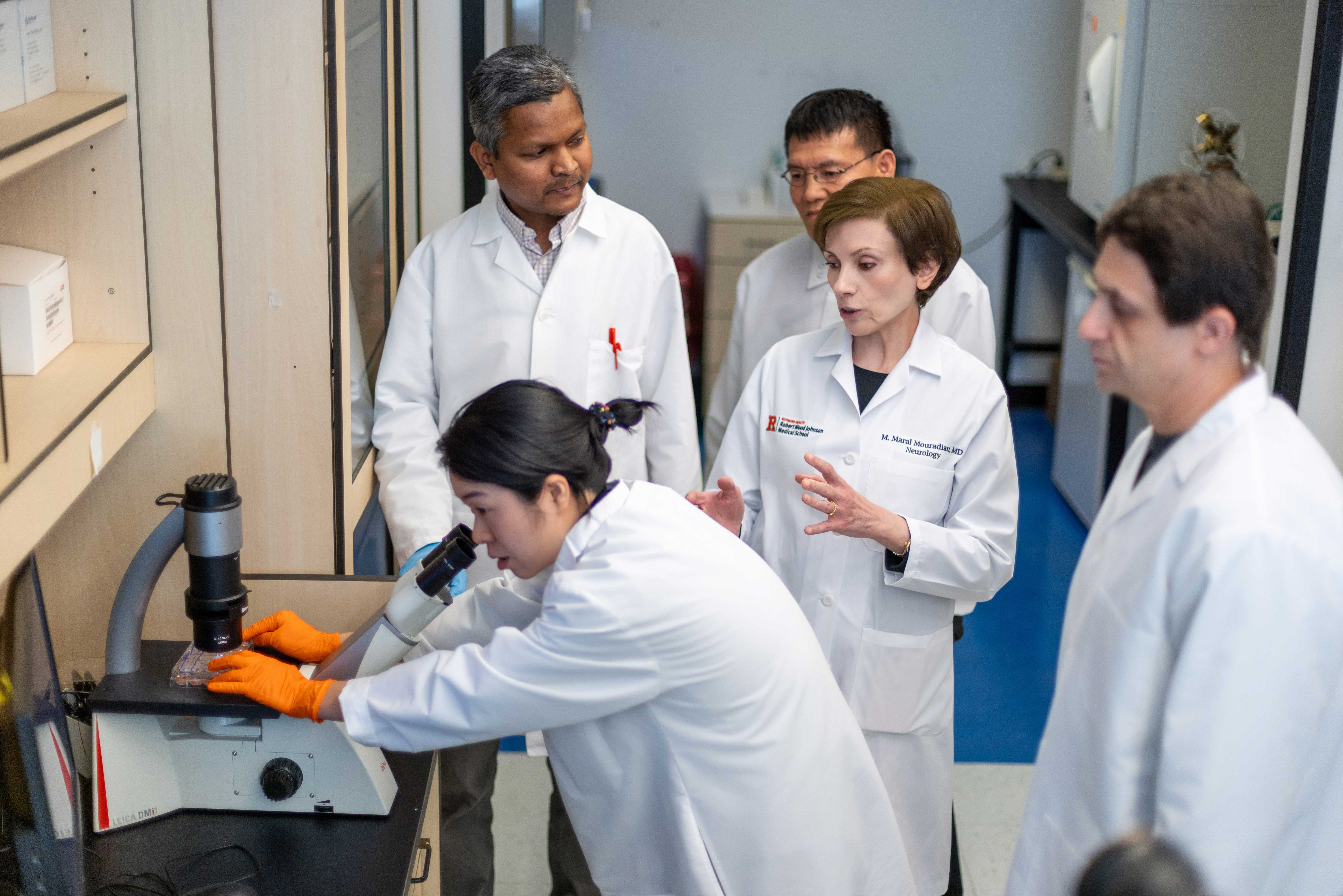
The same principle can be seen at Stanford, where Lars Steinmetz, Chair and Professor of Genetics, stresses the importance of working “at the interface of translational medicine,” with close links between the lab, the hospital and clinical collaborators. The broader point is that innovation ecosystems depend not only on software and infrastructure, but on institutions able to connect scientific discovery more directly to patient care.
Manufacturing infrastructure
Since AI and better data are compressing the timelines of research and clinical trials, the expectations from drug manufacturers are also changing. This would mean that contract development and manufacturing organizations (CMDOs) should adapt in order to “produce faster, automate more, and redeploy highly trained staff to higher-value tasks,” in the words of Benedikt von Braunmühl, CEO of Rentschler Biopharma.


Catalent, Inc is a leading contract development and manufacturing organization (CDMO) championing missions that help people live better and healthier lives. Every product that Catalent helps develop, manufacture and launch reflects its commitment to improve health outcomes around the world through its Patient First approach. Our focus on unparalleled service means we are passionate about helping our customers turn bold ideas into therapies that matter.
With thousands of scientists and technicians and the latest technology platforms at more than 40 global sites, Catalent supplies billions of doses of life-enhancing and life-saving treatments for patients annually.
A more agile industrial capacity, one that can deliver and adapt quickly, appears to necessitate manufacturing closer to clients. Repatriating drug production has been a trend for several years now, but the current White House administration’s policy of reshoring has consolidated the process further. CDMOs with significant U.S. footprint are set to benefit, as their existing equipment can potentially smooth out the return of drugmakers, as big pharma often manufactures in-house. “Building new plants from scratch can take five to seven years and require massive capital, whereas CDMOs already have the infrastructure and validated processes in place,” tells us the CEO of Catalent, Alessandro Maselli. Maselli is keen to stress that his company sees its work as enabling faster drug outcomes and increased accessibility. “We are already doing that work and look forward to more visibility and recognition in Washington of the role our industry is playing,” he adds. In that sense, reshoring may rely less on building entirely new capacity than on making fuller use of manufacturing infrastructure that is already in place.
Missions that matter’ include the many unmet needs that still exist — patients without access to effective or affordable treatments. CDMOs like Catalent, with our technologies and efficiency, play a critical role in improving drug outcomes and accessibility.

FUJIFILM Biotechnologies offers another example of where manufacturing is heading. Its new Holly Springs facility in North Carolina — one of the largest large-scale biologics CDMO sites in the U.S. — reflects both the push for greater domestic capacity and the need for more agile production networks. As the company explains, its model is built to allow medicines to be developed and manufactured more seamlessly across sites and markets. “We’ve built a system that allows us to switch production between markets and scales faster than anyone before, ensuring continuity and access for patients worldwide,” says the company’s CEO, Lars Petersen. The point is not only speed, but resilience: a manufacturing base better able to adapt to geopolitical shifts and changing demand.
Prevention of onset
Prevention of onset has been shaped as much by changing consumer attitudes towards longevity as by scientific advance. This dynamic has often blurred the distinction between science and consumer products. In the period since the pandemic, however, consumers have become markedly less willing to accept vague promises of “wellness” unsupported by evidence. By now it’s safe to say that prevention of onset has moved closer to the mainstream of healthcare.

Niagen Bioscience (NASDAQ: NAGE) redefines what it means to age

As interest grows in the biology of aging, one company has emerged at the forefront of NAD+ research — a molecule essential to cellular energy that declines over time. Niagen Bioscience focuses on how restoring NAD+ levels may support healthier aging.
Its patented nicotinamide riboside ingredient, Niagen®, is the most efficient, effective, well-researched, and high-quality NAD+ booster. Niagen has more than 300 research agreements with leading institutions such as the Mayo Clinic and Harvard, resulting in 45 peer-reviewed published clinical studies and generating more than $200 million in third-party research funding.
Niagen powers the company’s portfolio, including Tru Niagen® and Niagen Plus™. Their ambition: adding life to years by helping people feel stronger and more resilient as they age.
In concrete terms, that shift can be best illustrated by the growing number of products that are supported by clinical trials rather than lifestyle marketing. This logic extends to major consumer-health actors. “We are heavily investing to ensure that every product we bring to market delivers meaningful benefits backed by evidence,” notes Jérôme Lemaire, President of Reckitt North America. One of the implications has been a high degree of segmentation, with products designed with clear “jobs to be done” rather than vague healthiness promises. “For example,” Lemaire tells us, “Neuriva Memory 3D features two clinically tested ingredients designed to support short-term, long-term and working memory, while Biofreeze serves active individuals with a topical pain-relief patch.”

More than supplementation. It’s Activation.

LifeVantage Corporation, the Activation company, is a pioneer in nutrigenomics — the study of how nutrition and naturally occurring compounds can unlock your genes and the health coded within. Sold through a network of global independent consultants, our products work with your unique biology and help your body make what it needs for health. Scientifically validated activators include the flagship Protandim® products, TrueScience® Liquid Collagen, MindBody GLP-1 SystemTM, and the comprehensive gut activator, P84.
LifeVantage presents an interesting case of this greater biological specificity. Instead of just supplementing what the body lacks, the company’s approach of “activation” seeks to switch on cellular pathways that regulate metabolism, antioxidant response and gut health. “As we age, our bodies become less efficient at these processes, and our approach is about re-activating those natural systems rather than replacing them,” shares the company’s President and CEO, Steven Fife. That highlights an increasingly popular perspective on prevention and healthy ageing: one that favors the utilization of the body’s own resources. LifeVantage’s MindBody GLP-1 System is designed to activate the body’s own natural GLP-1 production. In terms of validation, the company progressed from in-vitro confirmation of GLP-1 activation to human clinical studies showing an average increase of over 200 percent in GLP-1 production, together with higher skeletal muscle and up to a 24 percent reduction in visceral fat.
That same logic is now extending beyond prevention towards potential reversibility. As Sami Inkinen, Co-Founder and CEO of Virta Health, puts it, “If you change what people eat in the right way, and support them properly, you can eliminate hunger and cravings and reverse metabolic disease at scale.” The emphasis here is not on incremental improvement, but on intervening early enough to alter the trajectory of disease altogether. Virta Health’s mission is to use personalised, nutrition-led remote care to reverse type 2 diabetes and other metabolic diseases.
76.4 percent of U.S. adults — about 194 million people — reported having at least one chronic condition in 2023.
— U.S. Centers for Disease Control and Prevention
Another revealing example of research-intensive work on prevention comes from Niagen Bioscience. Focused on NAD biology and healthier ageing, the company develops nicotinamide riboside-based products designed to elevate NAD levels, which it sees as central to cellular energy and resilience. Simply put, NAD is a molecule found in every cell that helps convert nutrients into energy and supports many of the cell repair processes. A distinguishing feature of Niagen is its emphasis on external research validation. ‘We’ve now signed over 300 agreements with top research institutions, such as the National Institute on Aging, Mayo Clinic, Cambridge University, or Harvard University, to investigate how Niagen works, where and when it elevates NAD, what conditions it may affect, and its safety,’ the company’s CEO, Robert Fried, points out. These efforts have generated more than 225 peer-reviewed studies, including 45 published clinical studies, which he says have consistently shown the compound to be safe and capable of raising NAD levels in a dose-dependent manner. Beyond healthier ageing, the company also points to seven clinical studies indicating reductions in key inflammation markers, as well as research suggestive of relevance for brain health and rare age-related disorders.

Empowering people to live healthy, happy lives

For nearly 200 years, we have been home to some of the world’s best-loved consumer health and hygiene brands. Our innovative, science-backed solutions support people every day to live cleaner, healthier lives. Our brands inspire trust and confidence because we start with what matters most — consumer insights. Guided by their evolving needs, we develop superior solutions to help them maintain wellness.
This commitment goes beyond the products we make. Through our actions, we expand access to healthcare, education and economic opportunities. We support the planet by reducing waste, conserving resources and driving sustainable innovation.
We believe good health starts at home. With every action we take, we strive to make our consumers’ lives easier, cleaner and healthier, to strengthen communities and to create a more sustainable future.
Join Reckitt in our purpose to protect, heal and nurture in the pursuit of a cleaner, healthier world.
As indicated above, all this unfolds in a broader prevention push from the White House administration. In January 2026, the U.S. Secretary of Health and Human Services, Robert F. Kennedy Jr., announced new dietary guidelines, which are seen as part of a wider effort to place nutrition, chronic-disease prevention and food quality much more squarely at the center of American health policy. Such an environment is largely welcomed by our interlocutors, as it places them as important participants in a wider preventive-health shift. For Biotexia, an ABF Ingredients business, that shift is expressed through the translation of food-derived compounds into clinically supported ingredients. The company’s portfolio spans everything from propolis for immune support to peptides for bone density and botanicals for joint health, all aimed at helping consumers stay healthier and more active for longer. As CEO Laurent Hubert explains, “We design studies that demonstrate benefits beyond a placebo effect, ensuring our ingredients are truly backed by science.”
We start with a food-derived ingredient, extract and purify it, validate its safety and efficacy through clinical research, and deliver it in a convenient format.

For all the uncertainty that still surrounds funding and policy, the opportunity before the U.S. life sciences industry is immense. If the conditions for innovation are sustained — from NIH funding and venture capital to data infrastructure and manufacturing capacity — the payoff could be substantial: better diagnostics, earlier intervention and more effective therapies reaching patients sooner. And as nutrition science and evidence-based wellness move closer to the healthcare mainstream, this momentum may begin to shape not only the treatment of disease, but the maintenance of health itself. In that sense, the next phase of American life sciences may be defined not simply by scientific breakthroughs, but by the sector’s ability to connect discovery, delivery and prevention into a more coherent whole. If that alignment holds, the United States will remain not only the world’s leading engine of biomedical innovation, but also a model for how modern healthcare can become more anticipatory, personalized and resilient.
The content is paid for and supplied by advertiser. The Washington Post was not involved in the creation of this content.