

Why Madrid is Europe’s best-kept secret
With vineyards, medieval towns and spectacular hiking less than 30 minutes from its center, the city and its surrounding attractions offer a true taste of Spain.
SHARE THIS ARTICLE
Madrid offers more than most European capitals. It is not only a thrilling mix of centuries-old history and contemporary cool, but with wineries, picturesque small towns and gorgeous nature parks right on the doorstep, visitors can enjoy a tranquil getaway to the countryside, too.
Along with the many scenic escapes just a half-hour drive from the city center, Madrid has always been the most authentic city in Spain for history, art, food and drink. Add to that a raft of exciting new luxury and boutique hotel openings — including a sleek new EDITION by Studio 54 co-founder Ian Schrager, complete with rooftop pool, and the grand new Four Seasons, offering everything from a four-floor luxury spa and wellness center to an oasis-like, leafy rooftop restaurant and bar — and it’s hard to think of another European capital with such a wide range of experiences to choose from.
Here are our top tips for getting the most from your trip.
FOOD & DRINK
Madrid serves an exquisite mix of traditional fare and contemporary twists, and is known for its lively tapas bar scene, ideal for sampling a wide array of dishes and flavors. A tapas crawl of the city can take you from back-in-time taverns like Casa Amadeo, with its hand-chalked menus and time-honored classics such as squid and snails, to the tavern at Viavélez, a sophisticated and contemporary take on the tapas bar, serving innovative little dishes such as plump chopped mussels with béchamel, tomato and cognac.
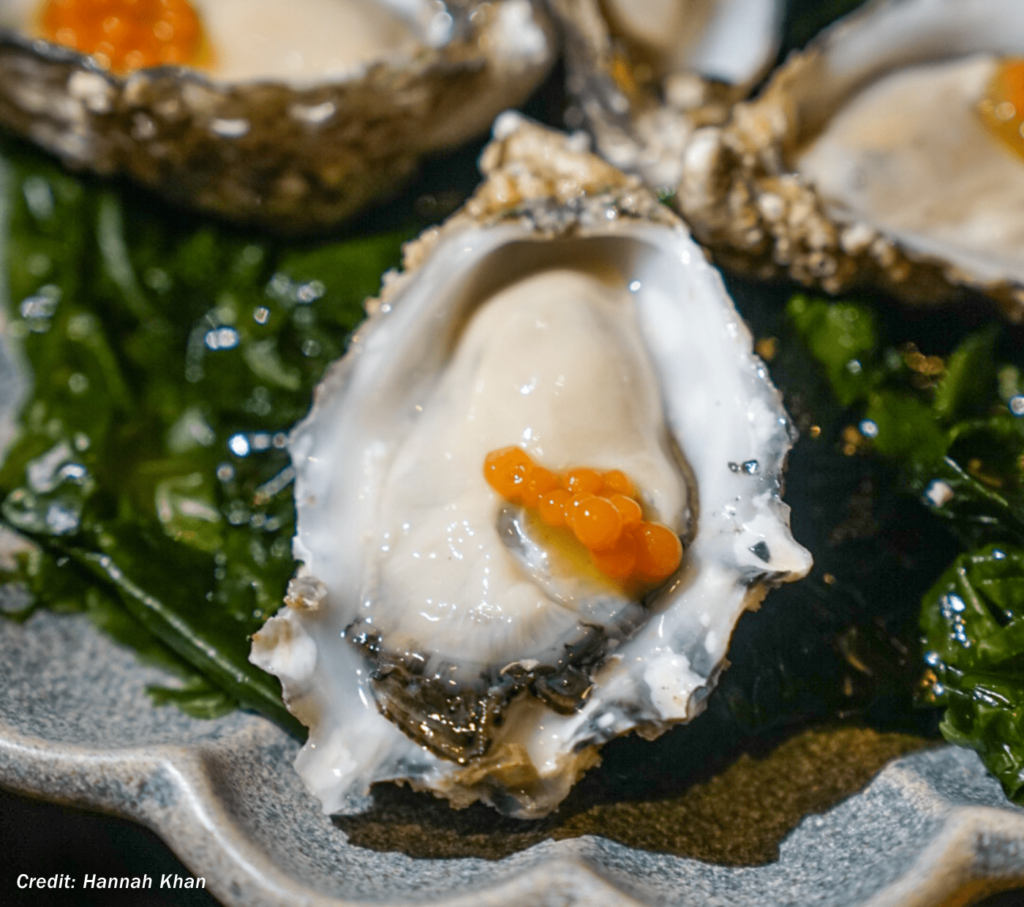
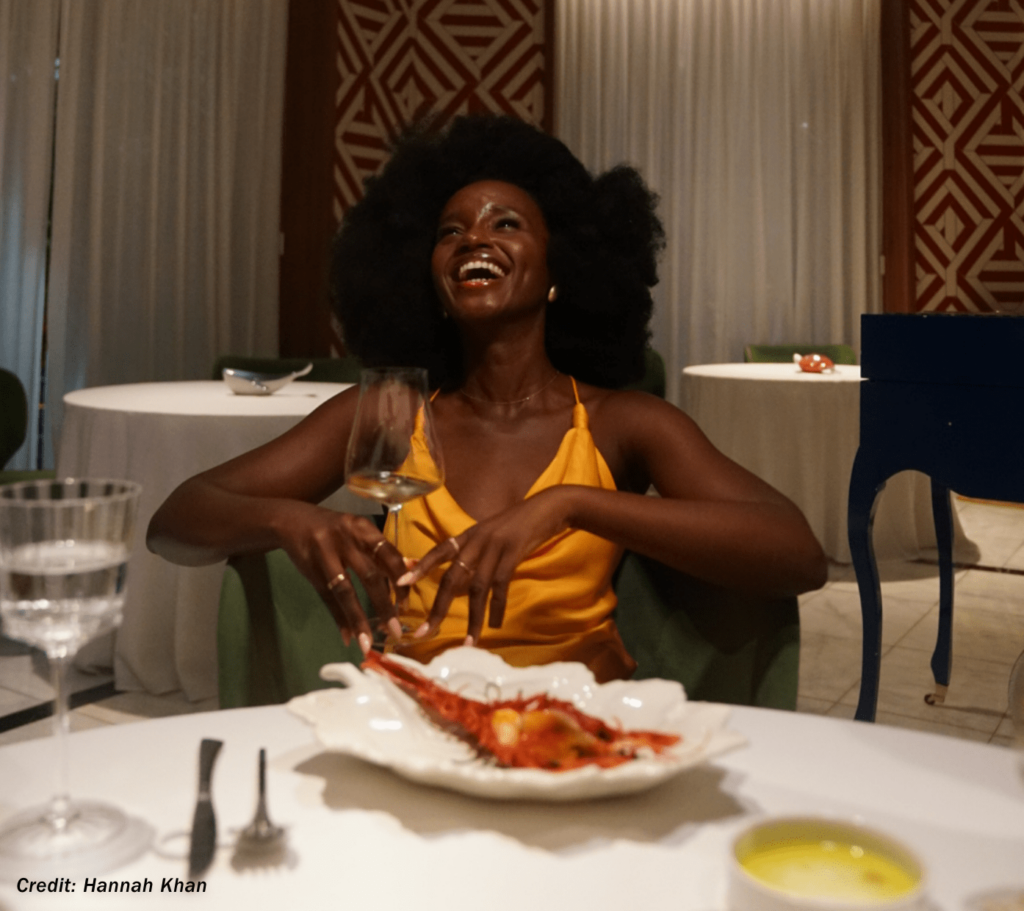

The Michelin star belongs to monumental Madrid, too. For an innovative twist on Spanish cuisine, double-starred Coque offers a unique and immersive gastronomic experience with multiple settings for your meal: diners begin in the bar before moving to the wine cellar, kitchen and dining room as the multi-course feast progresses. Speaking of which, the menu showcases the very best of the nation’s ingredients, such as wild clams from Galicia, or Guetaria’s delicate teardrop peas, also known as “Green Caviar.”
In between meals, “vermouth hour” is another long-held custom: Every day, the herb-fortified wine is poured in intimate family-owned bars on almost every corner. Try the Retiro area’s neighborhood restaurants for their convivial atmosphere.
RICH CULTURE

Originally from Andalusia, flamenco taught the Spanish to liberate their senses. But it was perhaps Madrid that made it into a viable and long-lasting career for flamenco artists, establishing an array of tablao flamencos — a place specifically designed for flamenco shows — in the 1950s that fast turned the city into Spain’s unofficial “flamenco capital.” Mesmerizing performances take place every evening at intimate venues such as Corral de la Morería, a celebrity favorite and the only flamenco venue in the world with a Michelin star, and top-rated Cardamomo. The flashing dresses, foot-stomping rhythms and guitar solos make for an unforgettable evening.
Make time also for the Prado Museum, with its trove of Spanish masterpieces, and the Royal Palace. This mid-18th century royal residence is more opulent even than London’s Buckingham Palace, with an extravagant 3,418 rooms. And don’t miss the new Royal Collections Gallery, showcasing the art collections of Spanish monarchs dating back to the Middle Ages.

GREAT OUTDOORS
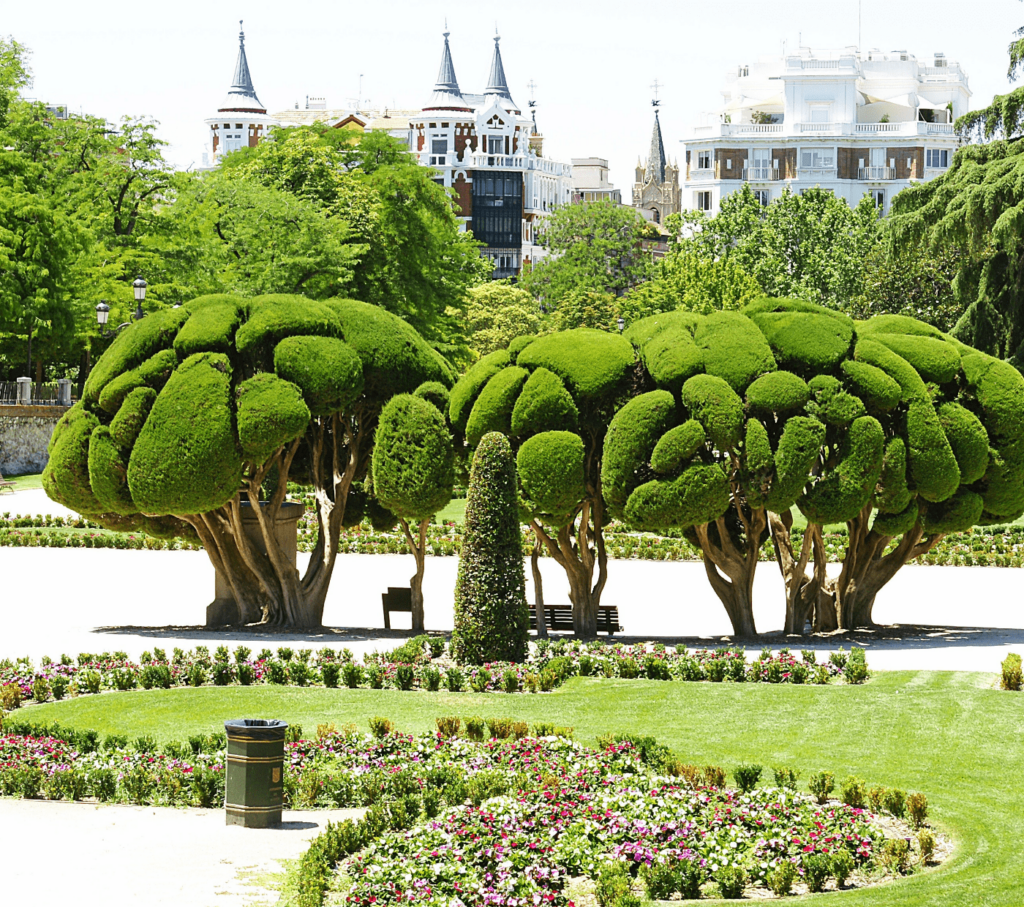
Surrounded by former royal hunting grounds and oak pastures, Madrid is one of Europe’s greenest cities and opportunities for full-on nature immersion abound. El Retiro is the city’s urban lung, a Unesco-listed public park filled with spritzing fountains and classic gardens.

Other must-see green spaces include Peñalara Natural Park, a favorite among locals for escaping the urban bustle. Less than a half-hour drive outside city limits, its stirring views over snow-dusted peaks and pristine valleys provide the perfect backdrop to hiking, biking and horse riding.
Villages and vineyards
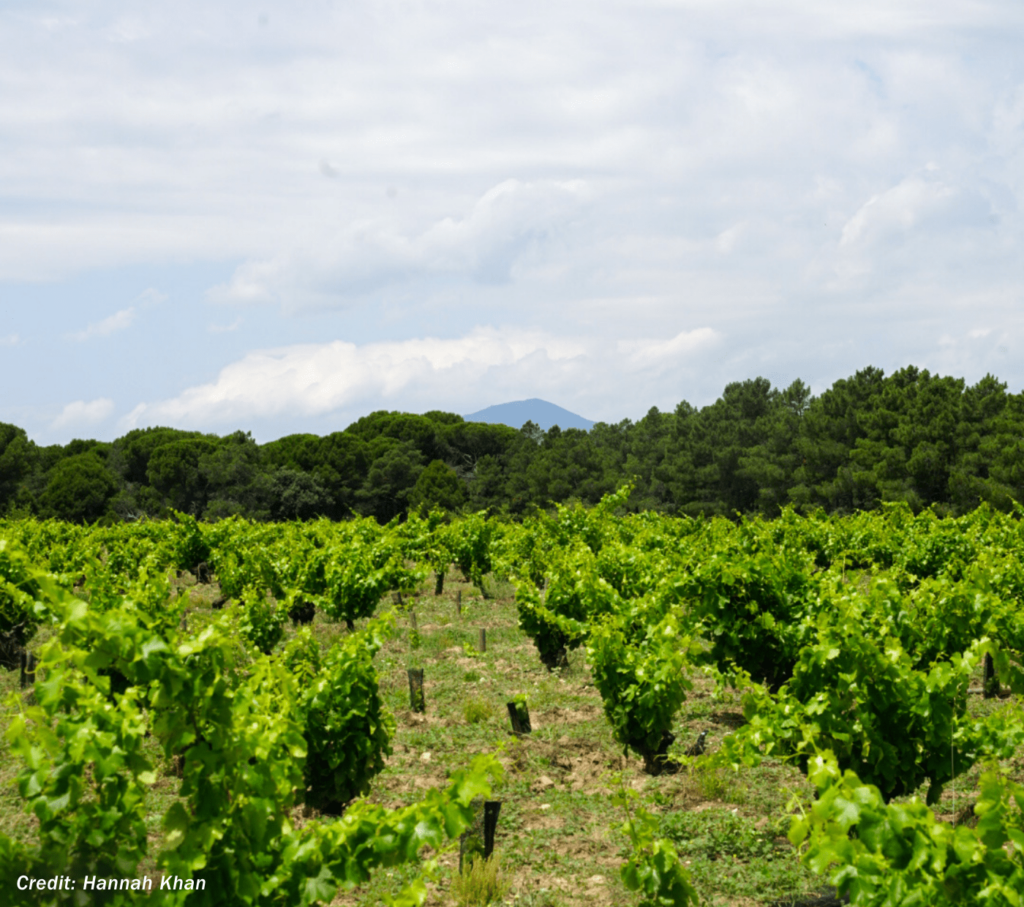
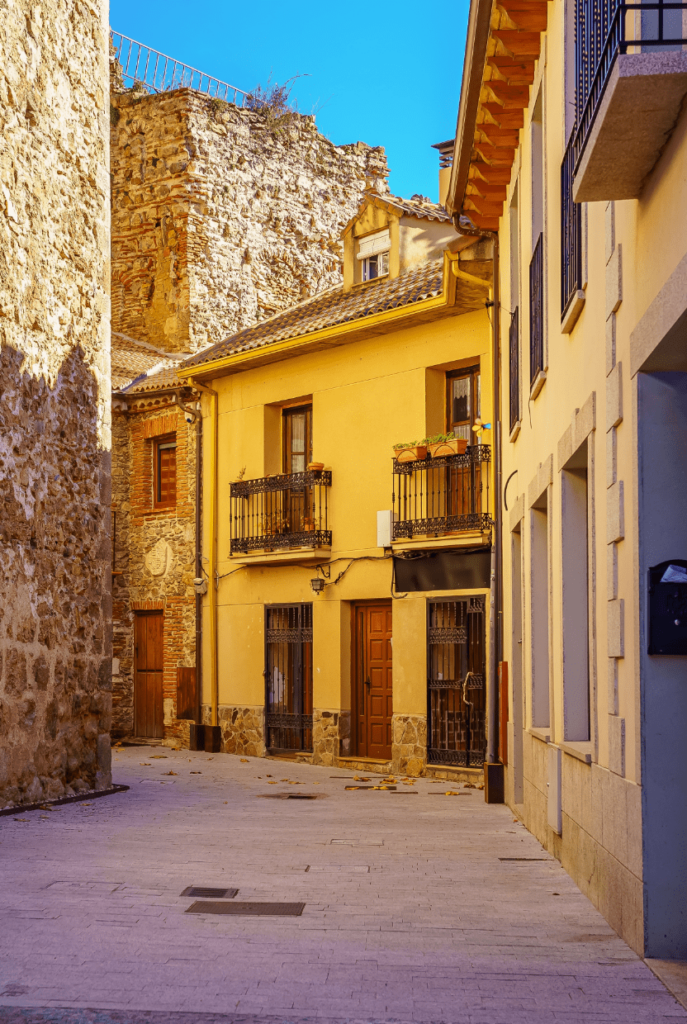
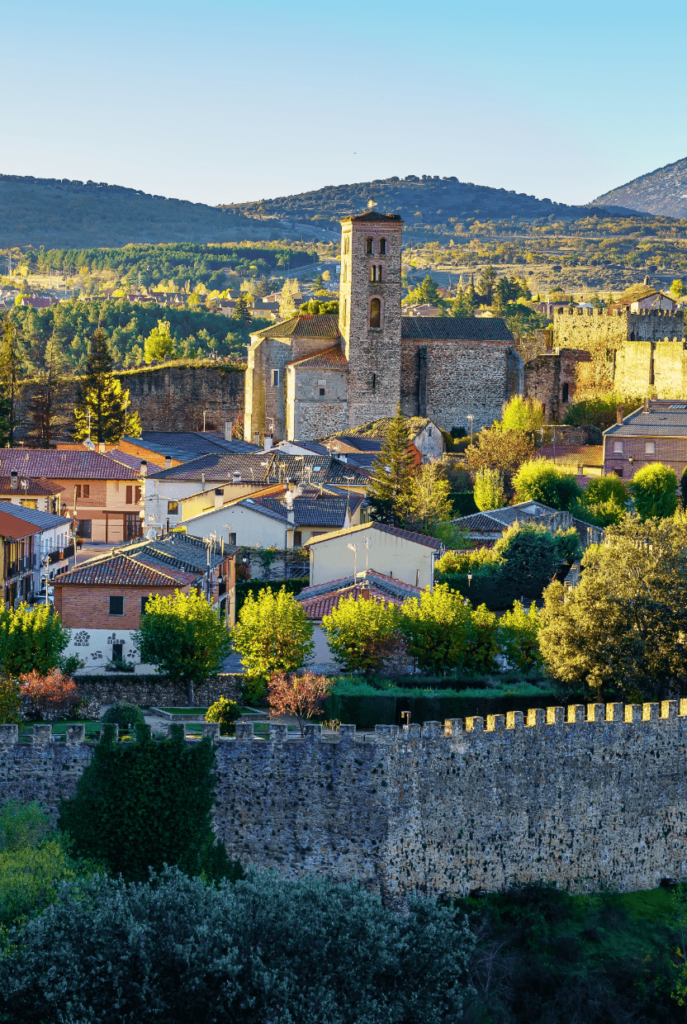
One of the best things about Madrid is the wealth of picture-perfect medieval villages and verdant Old World vineyards that are just an easy 30-minute drive away. Buitrago de Lozoya’s beautiful honey-colored Old Town, encircled by majestic 15th-century city walls, is that rare thing in Europe: a piece of remarkably preserved history, without the coach tours in tandem.
Spain has more vineyards than anywhere on the continent, which is easy to believe when you see the abundance of neatly plotted vine rows barely 50km from the city. Bodega del Nero, founded in 1870, is among the oldest wineries in the scenic town of Chinchón. Here, fine, organic wines are produced in earthen jars, carrying forward a centuries-old tradition.
LOCAL NEIGHBORHOODS
As world-class as the buzzy Plaza de España or Plaza Mayor are, there’s more to Madrid than its inner city. Vintage stores, cute cafes and boutiques are at their most fiercely independent in the Malasaña neighborhood, where a day of retail therapy — which might also include visits to the stores of high-end local designers such as Magro Cardona or Nina Mur — is best capped off drinking vermouth with locals on cute Plaza San Ildefonso.
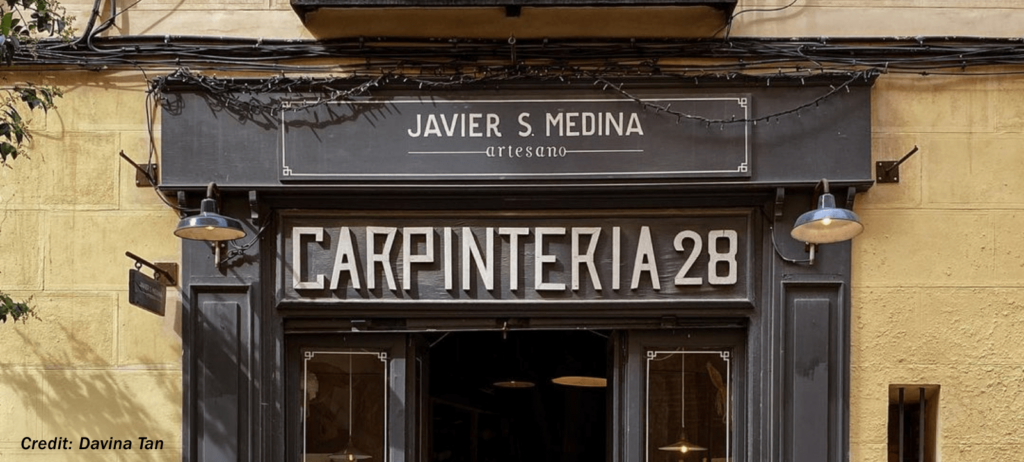
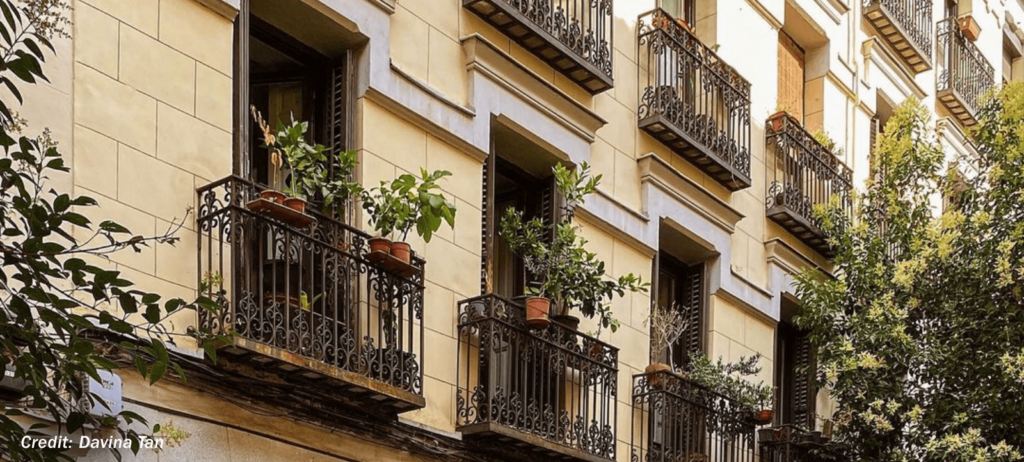

Alternatively, in bohemian Lavapiés, eclectic little shops and mural art line the streets. And don’t miss the area’s trend-setting markets: try Mercado de Antón Martin for craft vermouth or find cool new threads at the El Rastro Sunday flea market.

Plan your trip to Madrid at onlyinmadrid.com.