
Why America’s defense manufacturers look to Michigan
A new survey suggests the future of American defense depends on the kind of innovation ecosystem that Michigan is known for.
American defense and aerospace manufacturing has reached a critical inflection point. States are now expected to serve as proactive partners in researching, testing and producing new products for these critical industries, but supply chain pressure and rapid technological shifts mean that not every state is ideally suited to the task.
Taking Michigan as a reference example, a new survey identifies four pillars that each represent a crucial need for the future of American defense and aerospace, exploring what states need to do to promote innovation. For this white paper, 150 executives from across defense and aerospace, manufacturing and industrial products, and engineering and supply chain logistics were surveyed. These are the issues they believe matter most:
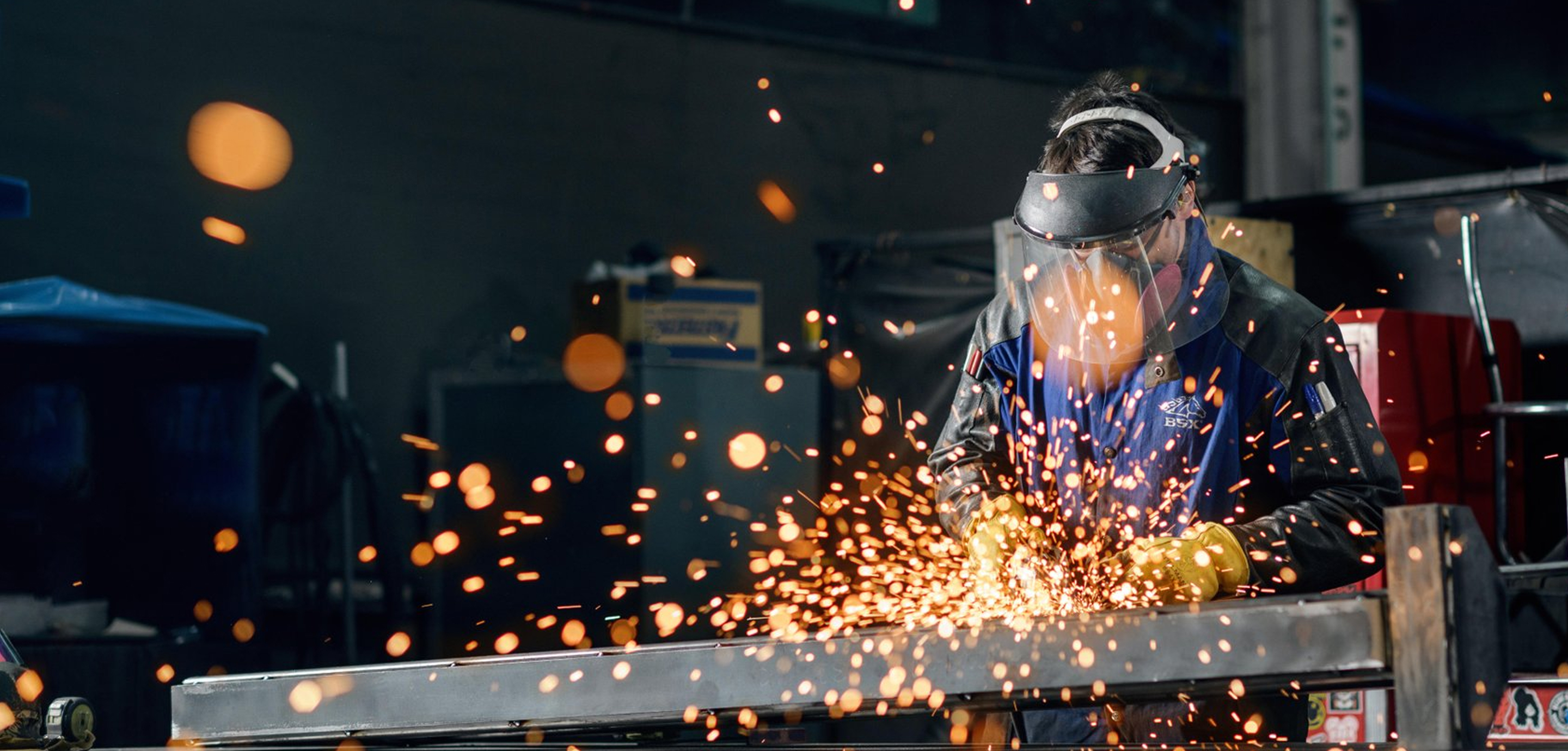

Workforce development
Perhaps the greatest challenge facing defense and aerospace is one that all American manufacturing is grappling with: skilled workers are hard to find. Deloitte has estimated that, if the skills and applicant gaps are not resolved, nearly 2 million manufacturing jobs could be unfilled by 2033.[1] This challenge is heightened for defense and aerospace, whose workers require not only technical skills but the ability to adapt to the needs of new technology, digital engineering and cybersecurity.
1. “Skills, applicant gaps threaten US manufacturing growth.”
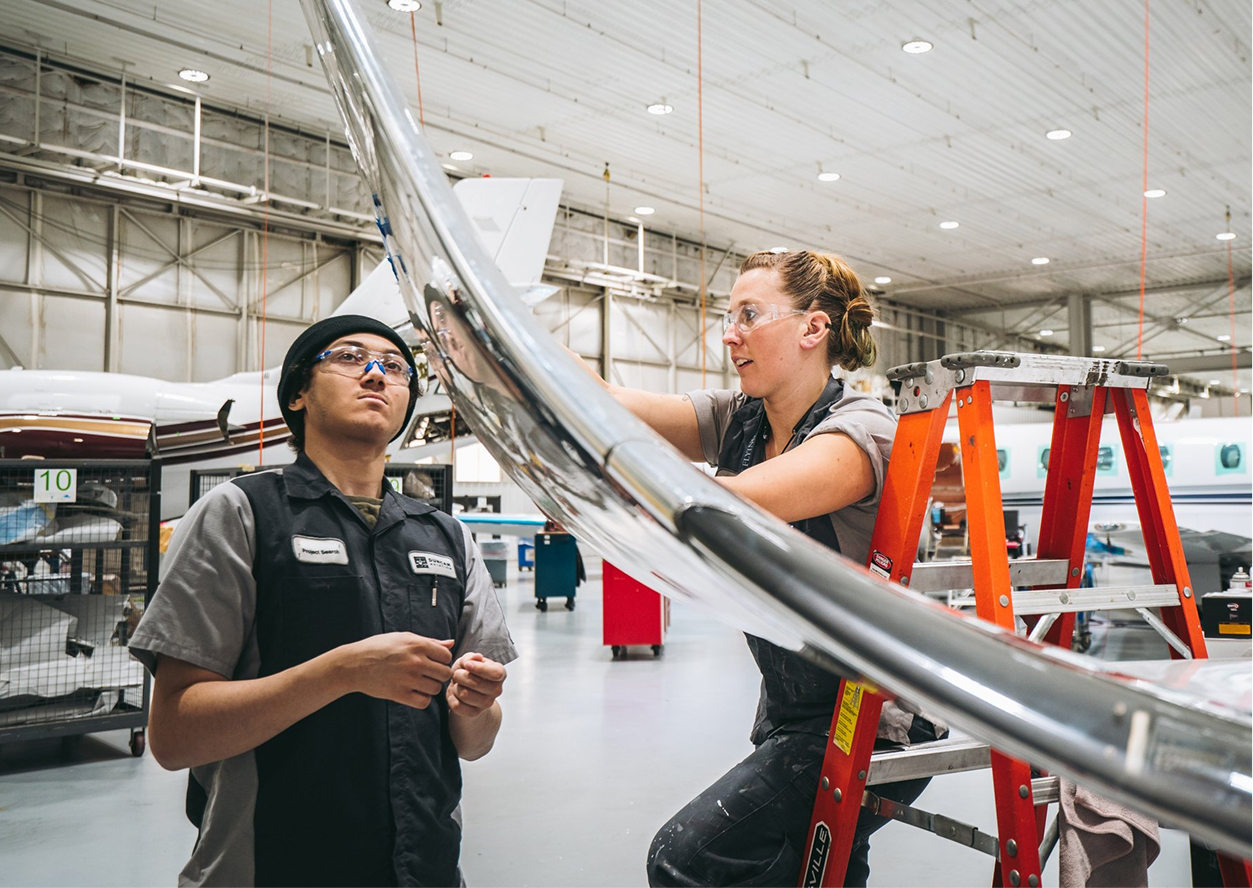
Manufacturers have found a solution to this problem by drawing on Michigan’s automotive heritage, which has produced a rich concentration of engineers and skilled tradespeople whose abilities transfer readily to defense and aerospace. 87 percent of survey respondents agreed that proximity to automotive and mobility expertise is important for advancing defense innovation.
“Michigan benefits from a skilled workforce and strong academic base to pull new workers from,” explained Matthew Warnick, CEO of American Rheinmetall.


Infrastructure
Defense manufacturing requires an industrial ecosystem that can support a project from conception to production. The more robust a location’s engineering, testing and production facilities — and the closer they are together — the easier it is for manufacturers to bring new products to market.

“If you’ve got somebody that is 30 minutes down the road and our engineers can be at their facility immediately, that allows for a quick transition and reduces costs,” said Bill Rapp, global strategic sourcing manager for supply chain management at General Dynamics Land Systems. “Proximity is key.”
77 percent of survey respondents described proximity to defense installations as a factor in choosing a site, while over 40 percent said proximity was crucial to either innovation or competitiveness. Michigan’s array of testing locations and statewide programs like MI Sites, which helps communities across the state prepare industrial sites for investment, allows it to support a wide variety of defense production missions.
“Having advanced manufacturing facilities within the state of Michigan, and also so close to our facilities and engineering staff, is critical,” Rapp said.
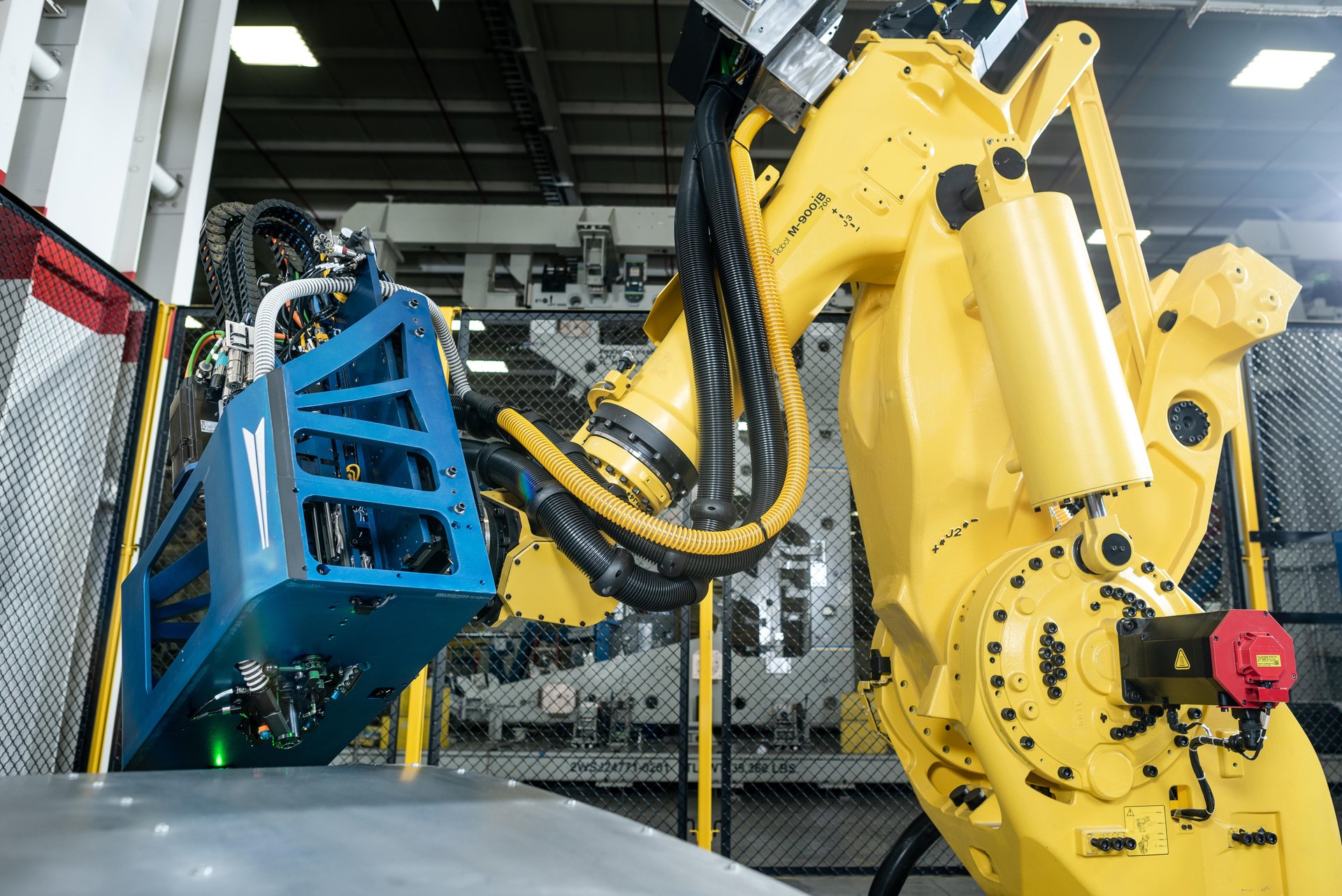

Advanced manufacturing
Since the pandemic, it has become clear that prioritizing efficiency above all else can lead to supply chain fragility. Leading manufacturers in aerospace and defense are now working to create supply chains that are not just efficient, but durable and flexible as well.
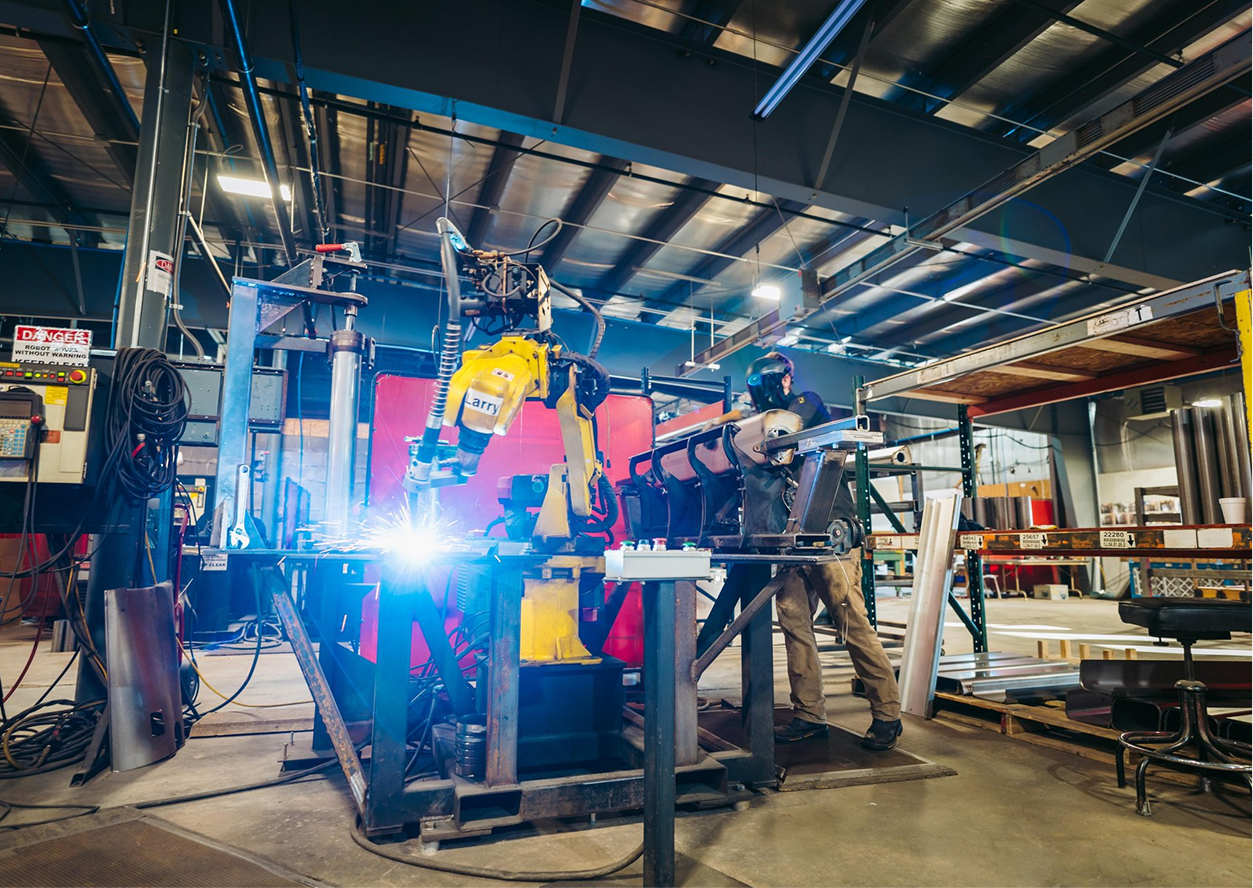
To this end, 98 percent of survey respondents said they are actively preparing for supply chain localization or reshoring. Supply chain proximity and supplier density were the top considerations in site selection, and Colleen Hau, managing director at Newlab Detroit, believes this is another area where Michigan’s automotive heritage makes it uniquely capable of creating the complex and regulated supply chains that defense and aerospace require.
“With a localized supply chain, you can shorten your design cycles and iterations, and you can get to a commercialized product faster,” she said.

Innovation
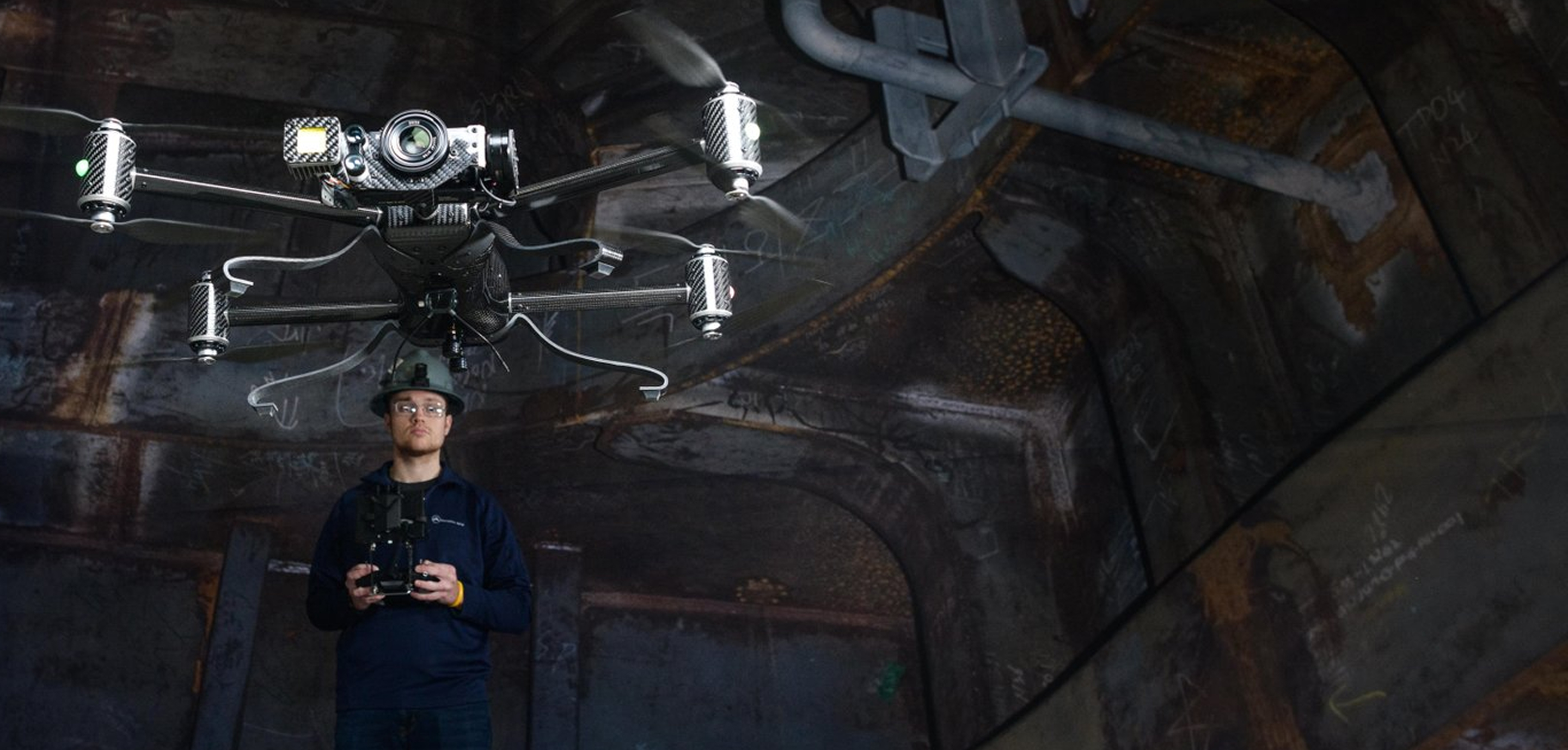
Defense and aerospace have long worked hand in hand with top American research universities, and the white paper suggests that won’t change anytime soon. 82 percent of respondents called “access to applied R&D and university or industry research partnerships” important, with 45 percent specifying a particular interest in upskilling programs and maker spaces. These partnerships are seen as essential to the creation of products that bridge the gap between commercial markets and defense.

Through its Office of Defense and Aerospace Innovation (ODAI), Michigan is actively working to connect its leading researchers with the defense and aerospace manufacturers who will put their ideas into practice in the field. And the state’s new Space Innovation Hub will promote dual-use innovation for space-related technologies that have both defense and commercial applications.
“When universities, industry and military users collaborate early, they de-risk technology, accelerate validation, and shorten the pathway to adoption,” said John T. Gutierrez, executive director of the Michigan ODAI. “Applied research partnerships are essential.”
How can states and industry prepare American aerospace and defense manufacturing for the future?