The cancer trial that made history
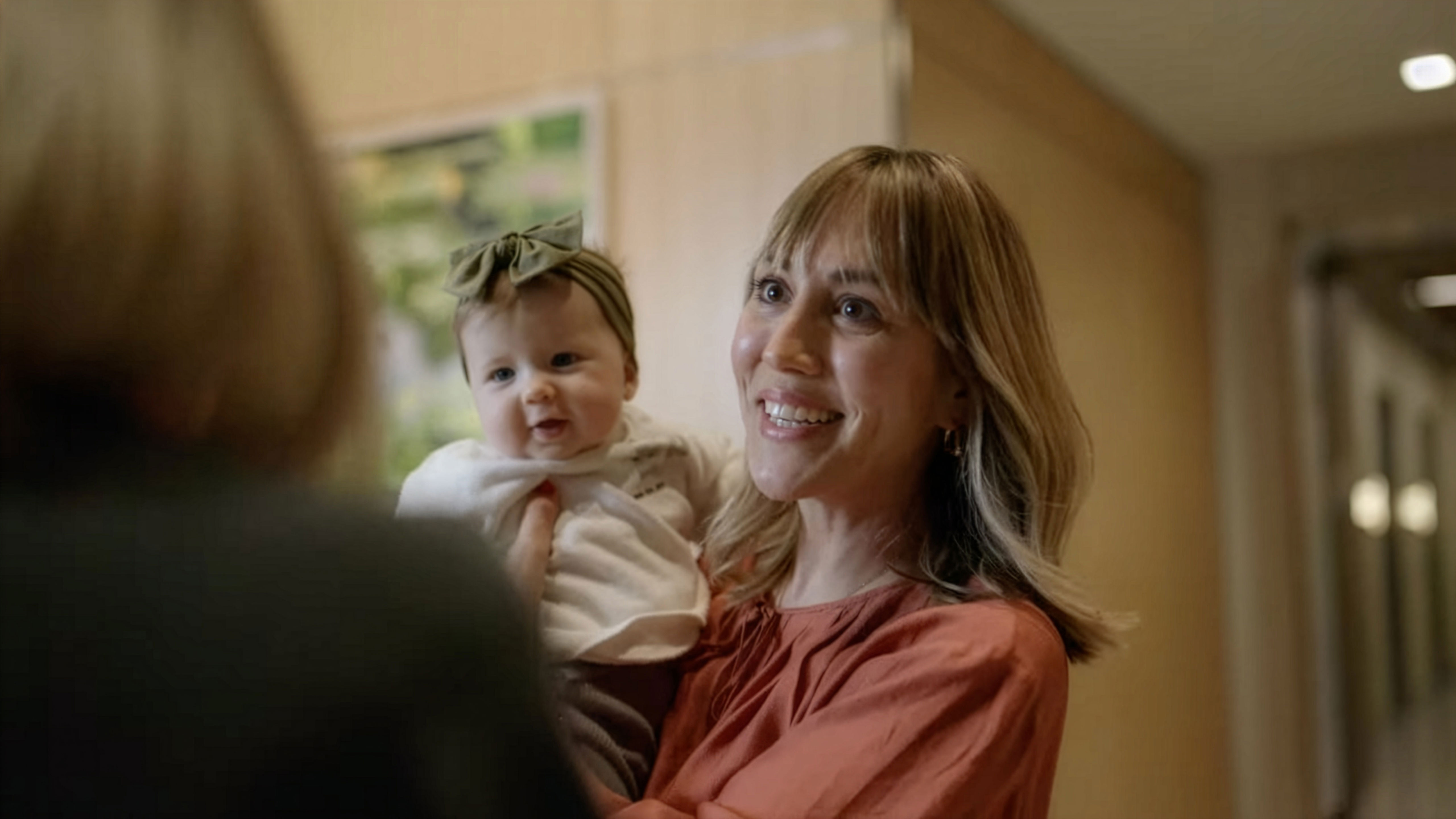
Dr. Andrea Cercek holds Maya, daughter of Kelly Spill, a participant in MSK’s groundbreaking immunotherapy trial. The treatment allowed Kelly to avoid surgery and preserve her ability to have children.
By Memorial Sloan Kettering Cancer Center
December 1, 2025
Text size
Display theme
Our pages are responsive to your system settings and browser extensions for optimal experience
In June 2025, Andrea Cercek, MD, Co-Director, Center for Young Onset Colorectal and Gastrointestinal Cancer at Memorial Sloan Kettering Cancer Center (MSK) and Ford Family Chair, announced results that seemed almost too good to be true: in a clinical trial of a new immunotherapy approach for rectal cancer, 100 percent of the 41 patients who completed treatment were cancer-free and required no additional therapy. Remarkably, they had received no surgery. No chemotherapy. No radiation.
“The odds of that happening are something like one in a trillion,” Dr. Cercek says.
The announcement made international headlines and represented a potential paradigm shift away from the harsh treatments that have defined cancer care for generations.
“The worst thing for an oncologist to hear is, ‘I’m cured and my cancer’s gone, but I wish that I’d just lived with my cancer because living like this isn’t living,’” says Dr. Cercek. The trial’s success offered a different path forward — one where patients could be cured while maintaining their quality of life.
A smarter way to fight cancer
Immunotherapy represents a fundamentally different approach to fighting cancer. Rather than attacking tumors directly, immunotherapy harnesses the body’s own immune system to recognize and destroy cancer cells. Cancer may be smart, but MSK scientists have proven the immune system is smarter.
The treatment trains the immune system to identify cancer cells as threats. Once trained, the immune system retains immunological memory — meaning if cancer cells return, the body can recognize and respond faster. This approach also offers fewer side effects than conventional treatments like chemotherapy, which destroy healthy cells alongside cancer cells.
Memorial Sloan Kettering Cancer Center has been at the forefront of this work for over 130 years, earning its reputation as the birthplace of immunotherapy. MSK was home to Nobel laureate James Allison, who did pioneering work on checkpoint inhibitor immunotherapy while serving as Chair of the Immunology Program from 2004 to 2012. Today, MSK researchers like Dr. Cercek are building on this legacy, advancing immunotherapy in new and unprecedented ways.
This groundbreaking trial is just the tip of the iceberg. Learn how you can support Memorial Sloan Kettering Cancer Center’s future transformative discoveries.
Beyond a single breakthrough
The landmark rectal cancer trial Dr. Cercek co-led is one example of MSK’s comprehensive immunotherapy program. The institution currently has nearly 2,000 clinical trials underway at any given time, many of which are advancing immunotherapies for different types of cancer.
Dr. Cercek is now testing how immunotherapy can treat other cancers, including stomach and bladder. The approach could be particularly meaningful for younger patients who have their whole lives ahead of them. Chemotherapy, radiation, and surgery can lead to life-altering physical changes. Immunotherapy offers the possibility of a cure without permanent side effects — a transformative prospect for patients in the prime of their lives.
Engineering the immune system
CAR T-cell therapy is another breakthrough that works by completely reprogramming a person’s immune system. To make CAR T-cells, doctors extract a patient’s immune cells, genetically engineer them to recognize cancer, and then infuse them back into the patient’s body.
This breakthrough was pioneered at MSK and has revolutionized treatment for blood cancers like leukemia and lymphoma, diseases that were once considered largely incurable. MSK scientists are now advancing this breakthrough against solid tumors, including breast and ovarian cancers — extending hope to a far broader population of patients.
Vaccines that treat cancer
While Dr. Cercek’s approach and CAR T-cell therapy train or engineer immune cells, MSK scientists are pioneering another immunotherapy strategy: mRNA vaccines for cancer. Pancreatic cancer surgeon Vinod Balachandran, MD, Director of The Olayan Center for Cancer Vaccines at MSK as well as the Hutham S. Olayan and Robert F. Raucci Endowed Chair, is developing these vaccines for pancreatic cancer — one of the most aggressive and treatment-resistant forms of the disease.
MSK was the first institution to develop and test this approach for pancreatic cancer. Early-stage clinical trials have shown encouraging results, with personalized treatments tailored to each person’s unique tumor.
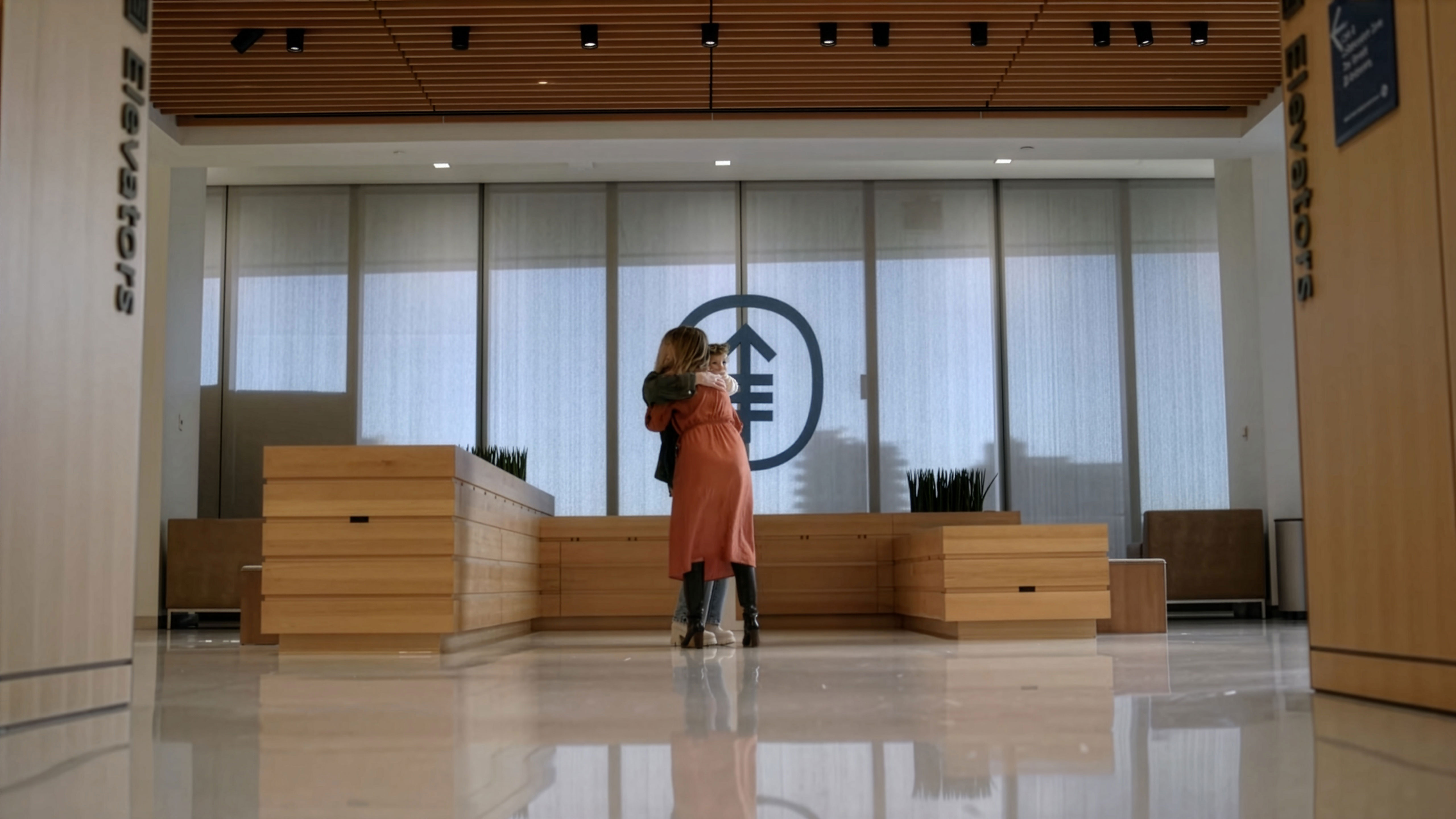
Dr. Andrea Cercek embraces Kelly Spill, a participant in the clinical trial that saw 100% of patients achieve complete remission from rectal cancer without surgery, chemotherapy, or radiation.
Making the impossible possible
Transformative discoveries like Dr. Cercek’s 100 percent success rate don’t happen by playing it safe. They require bold scientific risks — testing unconventional approaches and pursuing innovative hypotheses.
But high-risk, high-reward research is often difficult to fund through traditional sources, which shy away from creative research that hasn’t yet been tested. Support from individuals gives researchers the freedom to take the chances that lead to paradigm-shifting breakthroughs.
MSK’s immunotherapy program is built on a willingness to pursue bold approaches that once seemed impossible to many. From the early days of cancer immunology over a century ago to today’s personalized cellular therapies, MSK has consistently invested in ambitious ideas. The result: discoveries that have transformed cancer treatment worldwide.
What comes next
In 2025, MSK elevated its Immuno-Oncology Service into a stand-alone Immuno-Oncology Program, recruiting Andy Minn, MD, PhD, as its inaugural chair. Dr. Minn, Chair of the Immuno-Oncology Program and Co-Director of the Marie-Josée Kravis Center for Cancer Immunobiology at MSK, is a physician-scientist who studies how to make immunotherapy work better for more patients, representing MSK’s determination to push the field forward.
“The best way to tackle the challenges keeping us from curing all cancers in all patients using immunotherapy is through team science,” says Dr. Minn.
MSK researchers are working to expand immunotherapy’s reach — making CAR T therapy effective against solid tumors, improving checkpoint inhibitors for patients who don’t respond, and developing new approaches for cancers that have proven resistant. For patients and families facing a cancer diagnosis today, MSK’s immunotherapy research offers hope backed by rigorous science and more than a century of innovation. Dr. Cercek’s groundbreaking trial represents one chapter in an ongoing story — one where cancer treatment preserves quality of life and the impossible becomes routine.
To learn more about supporting MSK’s immunotherapy research, visit giving.mskcc.org.
CONTENT FROM
This content is paid for by an advertiser and published by WP Creative Group. The Washington Post newsroom was not involved in the creation of this content.
0:00/0:00
The cancer trial that made history
Voice is AI-generated. Inconsistencies may occur.