
The science of hair health


The science of hair health
Hair thinning isn’t just a vanity concern, and it’s far more common than many people realize. Across ages, genders and regions, more than 80 million Americans experience changes in hair density and quality.1 For many, this can take a toll on self-esteem, confidence and quality of life.
Until recently, options for addressing hair thinning were limited to a few prescription drugs, often accompanied by side effects. In the last decade, a thriving market for hair health supplements has emerged as a drug-free alternative, offering possibilities for natural ingredients and prescription-free convenience.
But as the market grows crowded with bold claims, many products lack the rigorous scientific backing that consumers need to make informed choices.
Board-certified dermatologist Dr. Glynis Ablon knows this landscape well. Beyond helping her patients find the hair-health approaches that are right for them, she’s the founder of the Ablon Skin Institute & Research Center in Manhattan Beach, Calif., where she helps companies run clinical trials of their products to determine safety and efficacy through gold-standard study methodology.




Research result
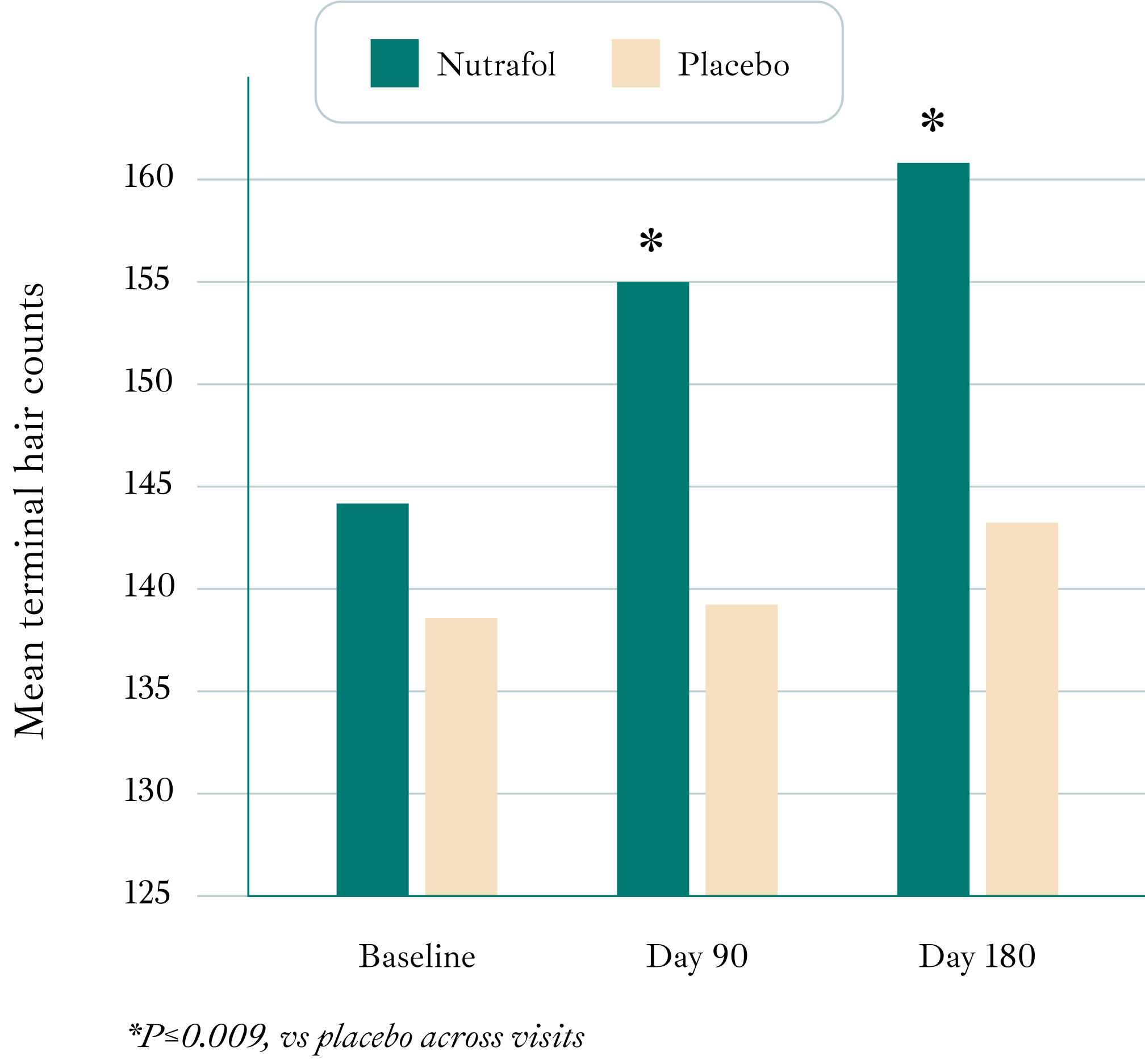
Study type: Randomized, double-blind, placebo-controlled
Published: Journal of Drugs in Dermatology (peer-reviewed), 2018
Duration: Six months
Participants: 40 women with self-perceived hair thinning
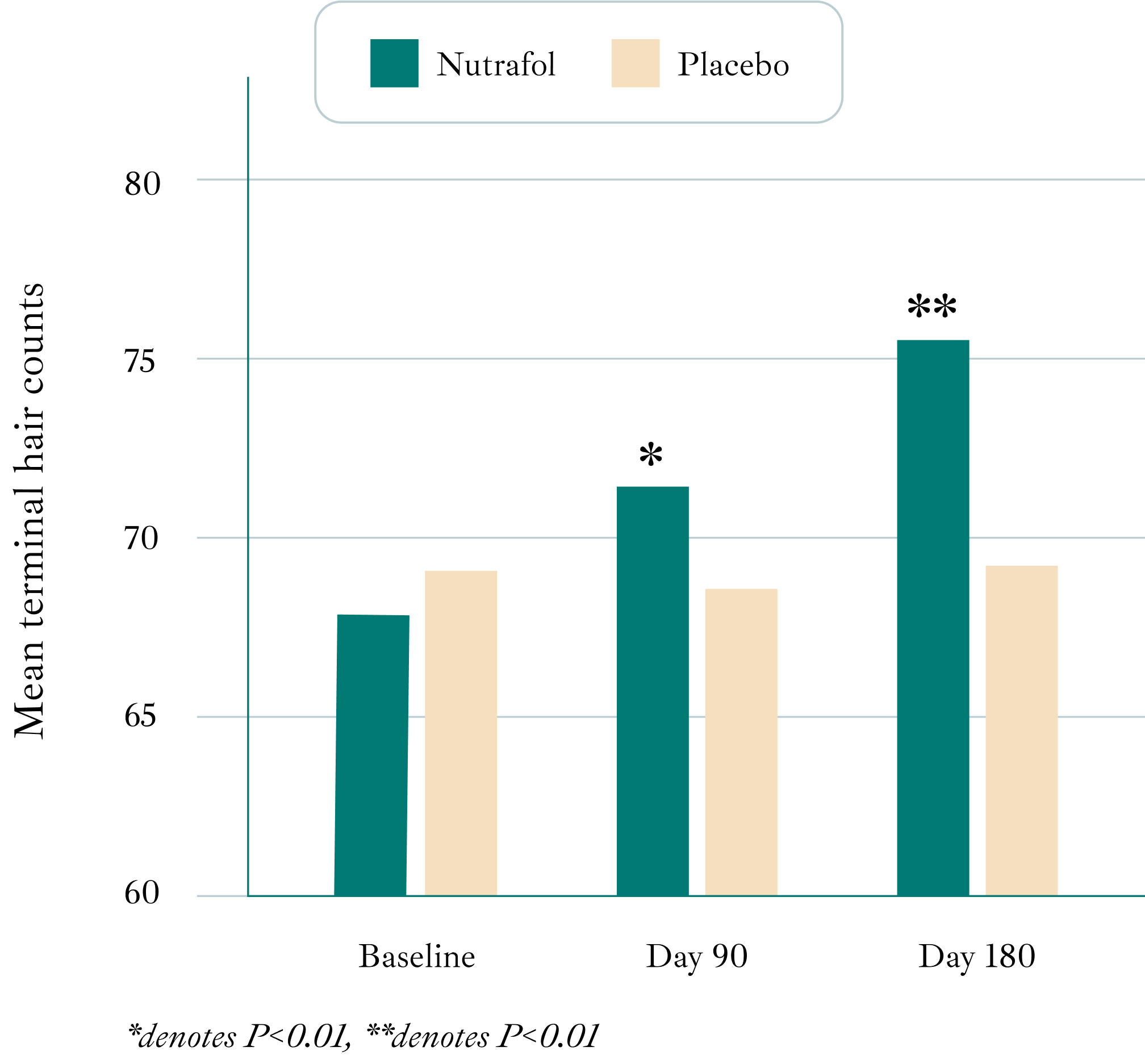
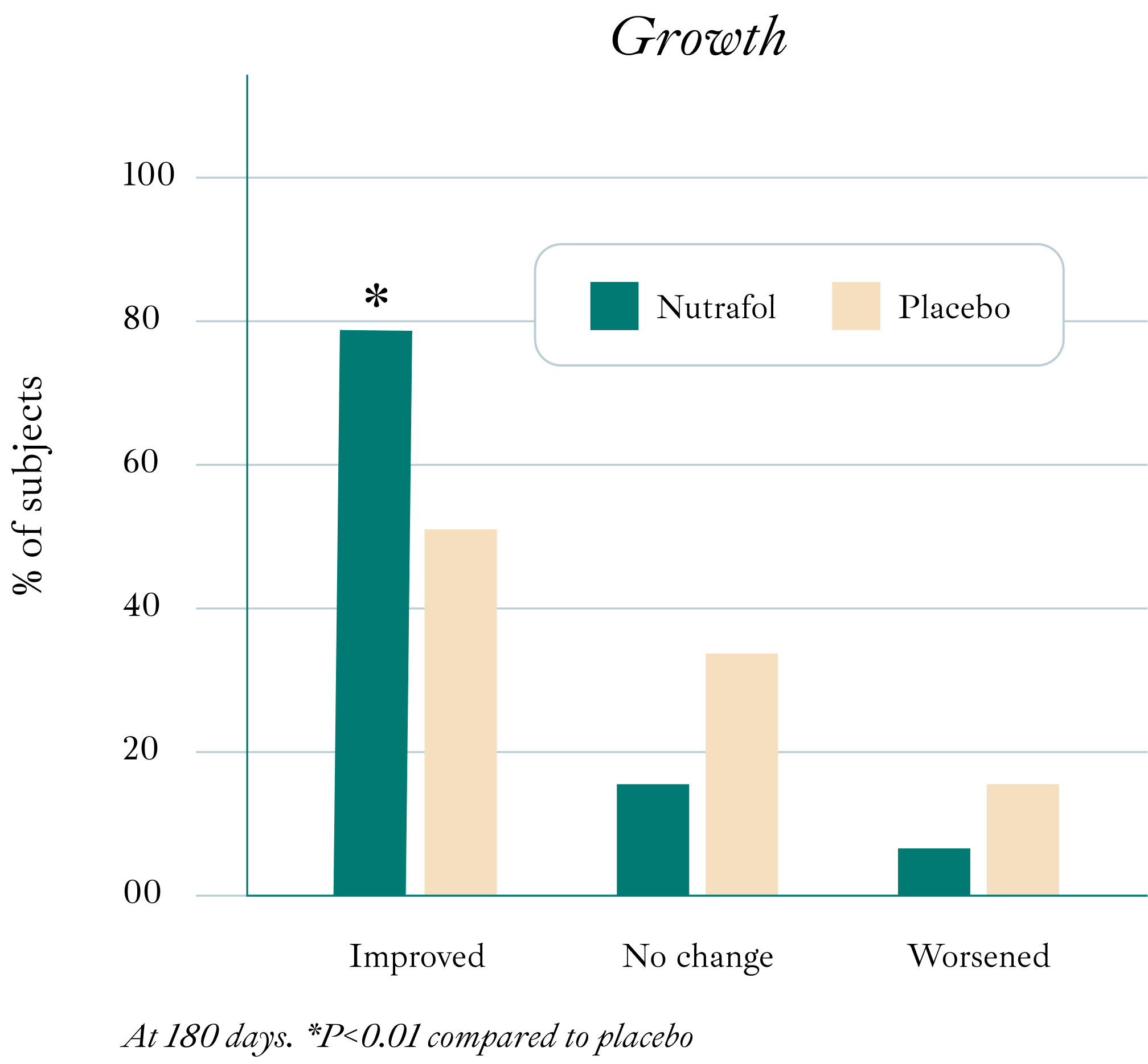
Key findings: Participants taking Nutrafol Women saw a significant increase in both terminal and vellus hairs at 90 and 180 days, along with improved hair thickness and quality. The supplement was safe and well-tolerated.
Why it matters: This study showed that Nutrafol may improve hair growth – and that its multi-faceted approach has other benefits for overall well-being, including reduced feelings of stress and better self-reported quality of life. No adverse side effects were reported during the study.
“I work with companies that I think are legitimate and that have the same kind of vision as I do,” she says. “I want to help my patients. I want to make things better.”
According to Dr. Ablon, the only way to truly understand a product’s efficacy and safety is through formal, third-party-verified scientific studies. But it requires a great deal of time and expense, and few companies, she says, are going that extra mile.
“It’s expensive and time-consuming,” she says. “There are only a few companies that are willing to put their money where their mouth is and actually run the clinical trials.”
New York City-based Nutrafol, a maker of supplements that target key root causes of hair thinning, is one of them. While the U.S. Food and Drug Administration requires that supplement ingredients meet certain safety standards, Nutrafol takes it a step further.
In the absence of standardized clinical testing requirements for end products, the company sets and upholds their own rigorous research standards for its supplements. Nutrafol invests in product development and conducts studies on their full formulas, within the populations they are meant to serve.
Nutrafol’s clinical testing includes various types of studies, each of which is utilized for a specific scientific purpose. The studies are designed with clinical and scientific experts, according to research industry standards and the most up-to-date techniques available.
To date, the company has conducted 20 clinical studies on their hair products, including 14 on their hair growth supplements.

A science-based approach
Nutrafol’s founding team – a doctor, a biohacker and an engineer – set out to raise the bar from the start by adopting a rigorous approach to research and testing. It’s no small task. For some studies, individual hair follicles must be counted – manually or using technology – at multiple intervals.
Dr. Isabelle Raymond, Nutrafol’s Senior Vice President of Clinical and Medical Affairs, joined the team after a long career in clinical science to help lead that process.
Dr. Raymond enlists researchers and third-party labs – including Dr. Ablon’s institute – to help ensure that Nutrafol’s studies are of a high standard. As a result, many have been published in peer-reviewed scientific journals.
“This kind of testing is considered a gold standard in medical research because it produces more trustworthy results,” says Dr. Raymond.
As principal investigator on some of Nutrafol’s clinical trials, Dr. Ablon defines eligibility criteria, oversees data collection and ensures the studies answer questions that matter to both clinicians and patients.
In randomized clinical trials, participants are assigned by chance to either a supplement group or a control group.
When a study is placebo-controlled, one group receives a lookalike pill with no functional ingredients – helping researchers determine whether improvements are due to the supplement itself rather than expectation or bias.
In double-blind trials, neither the participants nor the researchers know who is taking the supplement, which further reduces the risk of skewed results, Dr. Raymond explains. “That structure helps ensure the outcomes we’re measuring are reliable.”


The Nutrafol effect
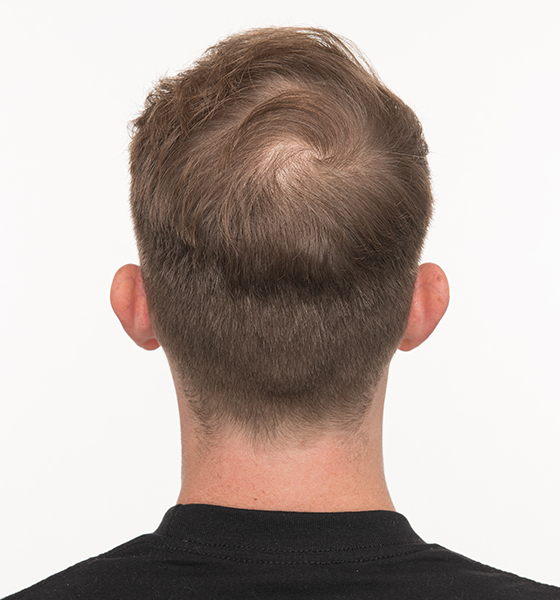
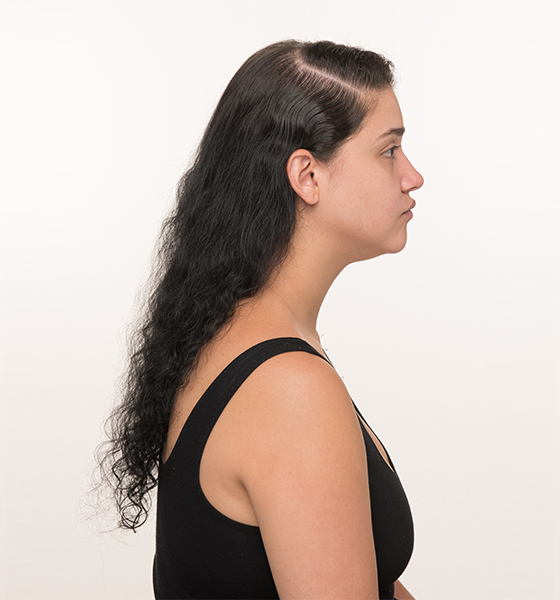
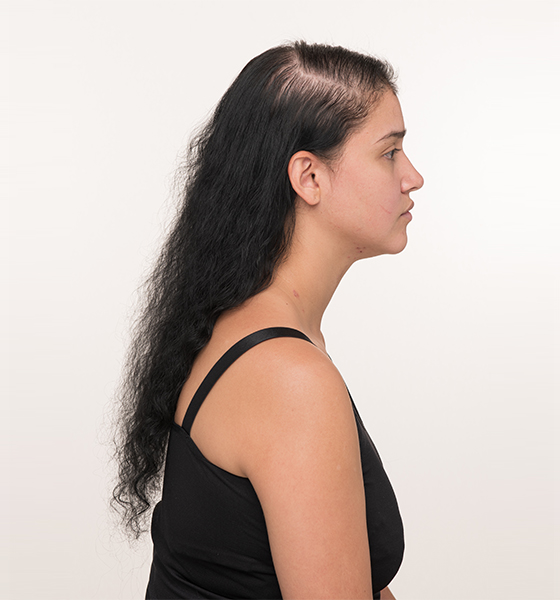
These images show how various formulas improved hair health in real individuals. Click to reveal the “before” state.
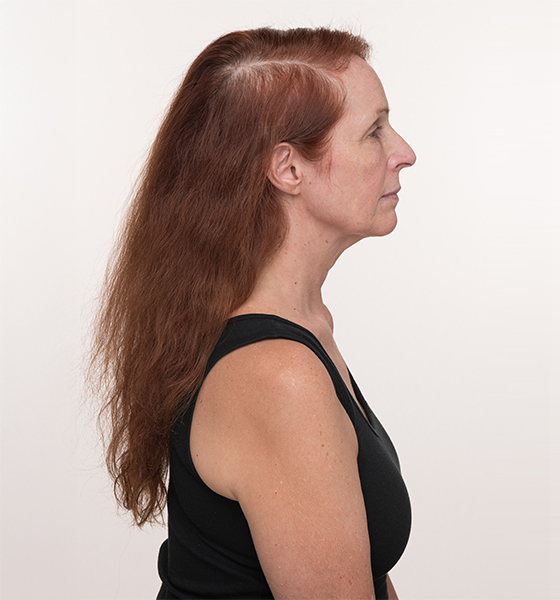
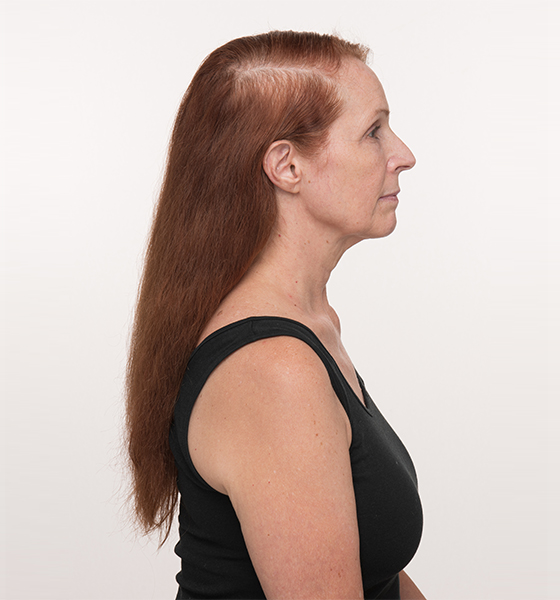
Lydia
Taking Nutrafol Women’s Balance
In a 6-month clinical study, participants taking Nutrafol Women’s Balance experienced significant hair growth.
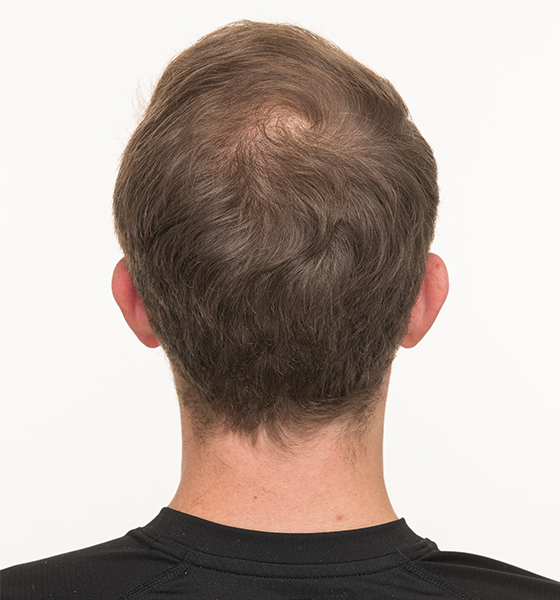
Tanner
Taking Nutrafol Men’s
In a 6-month clinical study, participants taking Nutrafol Men’s experienced significant hair growth.
Lilyana
Taking Nutrafol Postpartum
In a 6-month clinical study, participants taking Nutrafol Postpartum saw significant hair growth.
Research result
Study type: Randomized, double-blind, placebo-controlled
Published: Journal of Drugs in Dermatology (peer-reviewed), 2021
Duration: Six months
Participants: 70 perimenopausal, menopausal and postmenopausal women experiencing self-perceived hair thinning
Key findings: Hormone changes can impact hair thinning, especially during midlife. Researchers split participants into two groups – 40 received
Women’s Balance Hair Growth Nutraceutical, while 30 were given a placebo. By day 180, the Nutrafol group showed a significant boost in terminal and total hair counts compared to the placebo, plus nearly 33 percent less hair shedding.
Why it matters: This study suggests that a targeted supplement can make a measurable difference in hair growth for women experiencing menopause.
From research to results
So far, Nutrafol has learned a lot from these trials, says Dr. Raymond.
In one six-month study of women with self-perceived hair thinning, participants taking Nutrafol Women showed statistically significant improvements in both hair growth and quality compared to those on a placebo.
Another randomized, placebo-controlled trial focused on perimenopausal and postmenopausal women found that those taking Nutrafol’s Women’s Balance formula saw a 32 percent reduction in hair shedding and a significant increase in total and terminal hair counts after six months.
Those findings underscored how a tailored approach based on what’s going on in one’s body at a certain stage in life can drive real results.

Nutrafol’s studies cover a range of cohorts, including men experiencing age-related hair thinning and women following plant-based diets. Across trials, participants have reported not just improved hair growth, but also reduced feelings of stress – which can contribute to hair thinning.
This data helps doctors and consumers alike better understand their options and helps physicians to recommend its products with confidence — including Dr. Elizabeth Houshmand, a Dallas-based, double-board certified dermatologist.
When considering supplements, Dr. Houshmand says she prioritizes formulas with high-quality ingredients, clinical studies and proven patient results. That’s what drew her to Nutrafol.
She also likes that the supplements include standardized vitamins, minerals and natural ingredients, reflecting a holistic view of health that speaks to the complex and multifactorial reasons her patients might be experiencing hair thinning and other hair health issues.
“Nutrafol has been one of my go-tos since they launched back in 2016,” Houshmand says. “Since the beginning, they’ve been committed to a holistic approach to hair health, and have the clinical studies to show their products’ efficacy.”
Research result
Study type: Randomized, double-blind, placebo-controlled
Published: Journal of Cosmetic Dermatology (peer-reviewed), 2025
Duration: Six months
Participants: 40 men aged 21–61 with mild to moderate hair thinning
Key findings: Men taking Nutrafol Men’s Hair Growth Nutraceutical showed statistically significant improvements in hair growth, appearance and scalp coverage – with no impact to their sexual drive or performance.
Why it matters: These findings suggest that addressing underlying factors – like stress and hormones – with a 100% drug-free, multi-targeted supplement can effectively promote male hair health.
Smarter consumers, stronger science
So, how can consumers better understand if a supplement is vetted, tested and approved by an expert?
Dr. Raymond suggests looking at a brand’s clinical and scientific standards: Are they publishing their findings? Are their studies peer-reviewed? Were they placebo-controlled?
Nutrafol publishes summaries of its clinical research online and links to full studies when available – a move aimed at helping both consumers and medical professionals vet the science themselves.
More consumers are asking smart questions and seeking out proof. “I am very impressed by the questions we get from our consumers,” Dr. Raymond says. “Sometimes they really dig. I think a lot of them are asking the right questions. I’m very happy to see that.”
According to a 2021 survey, 59 percent of global consumers actively seek scientific evidence when evaluating dietary supplements.2
Nutrafol’s ongoing and upcoming studies are exploring how factors like nutrition and hormone balance intersect with hair growth – areas Dr. Raymond believes will shape the next generation of wellness supplements. “Research science is never done,” she says.
As consumer demand for science-backed supplements continues to rise, Dr. Ablon hopes more companies will follow suit. “I would not take a supplement without knowing that it had been studied. That, for me, would be no question.”
Research result
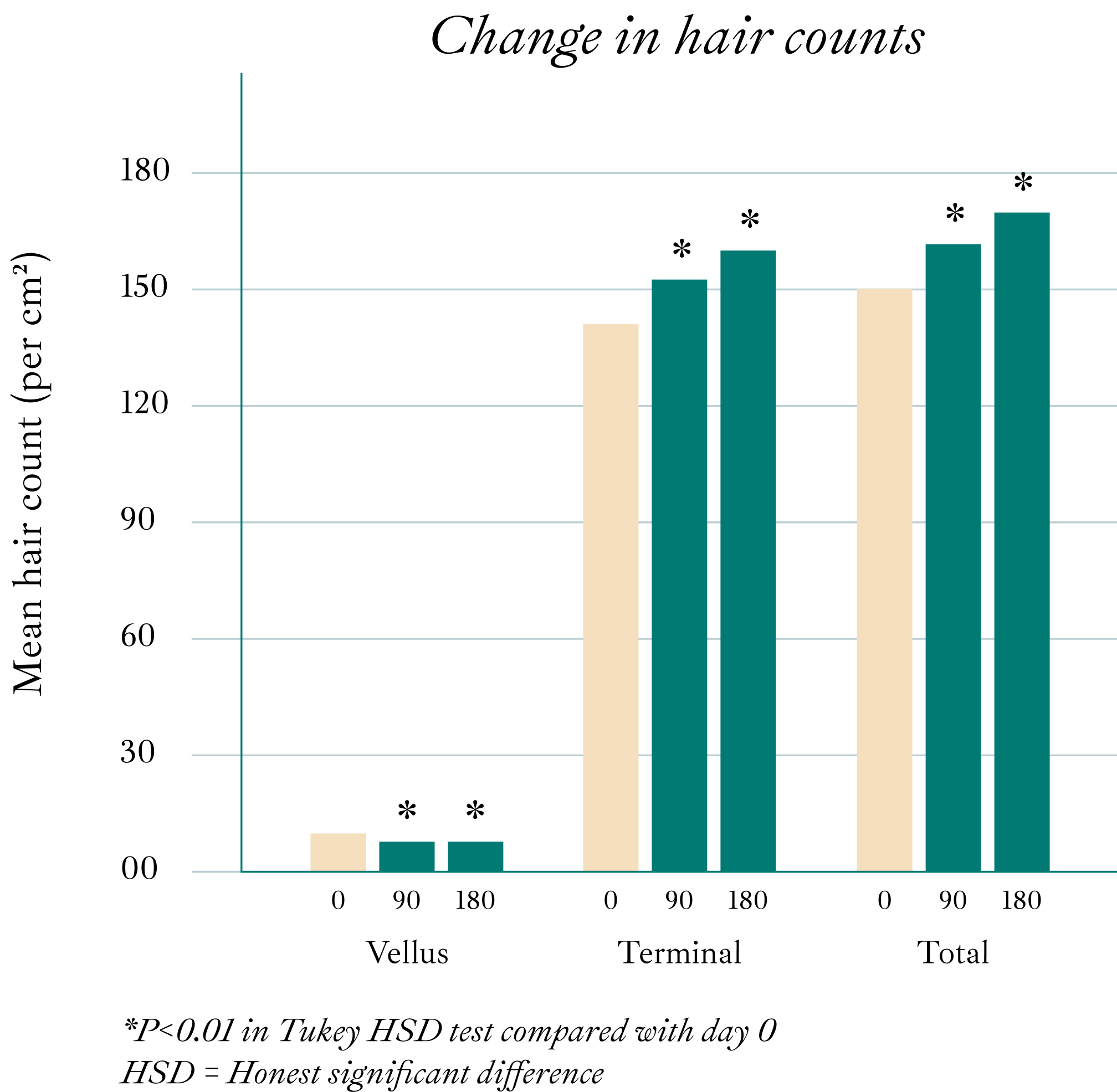
Vellus hairs are soft, fine hairs that are often likened to peach fuzz.
Study type: Prospective, multi-center clinical study
Published: Journal of Drugs in Dermatology (peer-reviewed), 2024
Duration: Six months
Participants: 95 women on vegan or vegetarian diets
Key findings: This study didn’t include a placebo or control group, and it wasn’t randomized or blinded – but it still brings real-world relevance and solid observational data: Participants taking Nutrafol’s vegan formula saw significant increases in total and terminal hair counts, stronger hair and less shedding.
Why it matters: Maintaining lush, healthy hair on a plant-based diet can be tough on account of potential nutrient gaps. These findings suggest a well-formulated vegan supplement can effectively support hair growth and quality for women, without animal-derived ingredients.

Nutrafol’s clinical trials help to ensure its supplements are safe and effective.
SHARE THIS ARTICLE:

SHARE THIS ARTICLE:
These statements have not been evaluated by the Food and Drug Administration. This product is not intended to diagnose, treat, cure or prevent any disease.
Sources:
- Cleveland Clinic: Hair loss: Causes, treatments and prevention options
- Archer Daniels Midland: Top 5 drivers for future dietary supplement consumers