
Steering the next era of aerospace and defense
How one company transforms the industry through visionary research and technology.
Aerospace and defense company RTX has a singular goal powering its work throughout the enterprise: creating a safer, more connected world. At the heart of this vision is the collaborative spirit of 60,000 engineers from around the globe who bring diverse perspectives and enthusiasm to their mission. Fueled by an annual research and development budget of $7.3 billion, these passionate experts work at every level across the company’s business units—Collins Aerospace, Pratt & Whitney and Raytheon.
Juan de Bedout, RTX chief technology officer, highlighted the impact of the company’s innovations, saying, “Our RTX researchers and engineers are developing breakthrough technologies that create new or improved products or services to solve our customers’ hardest problems.”
Achieving research-based evolution at RTX’s scale demands continually improving methodologies and tools. This helps the company improve the design, development and testing of products, while making them smarter, safer, easier to use and more capable than ever.
Here are more examples of how RTX’s transformative technologies are creating advanced solutions for the aerospace and defense industry.
Advanced materials
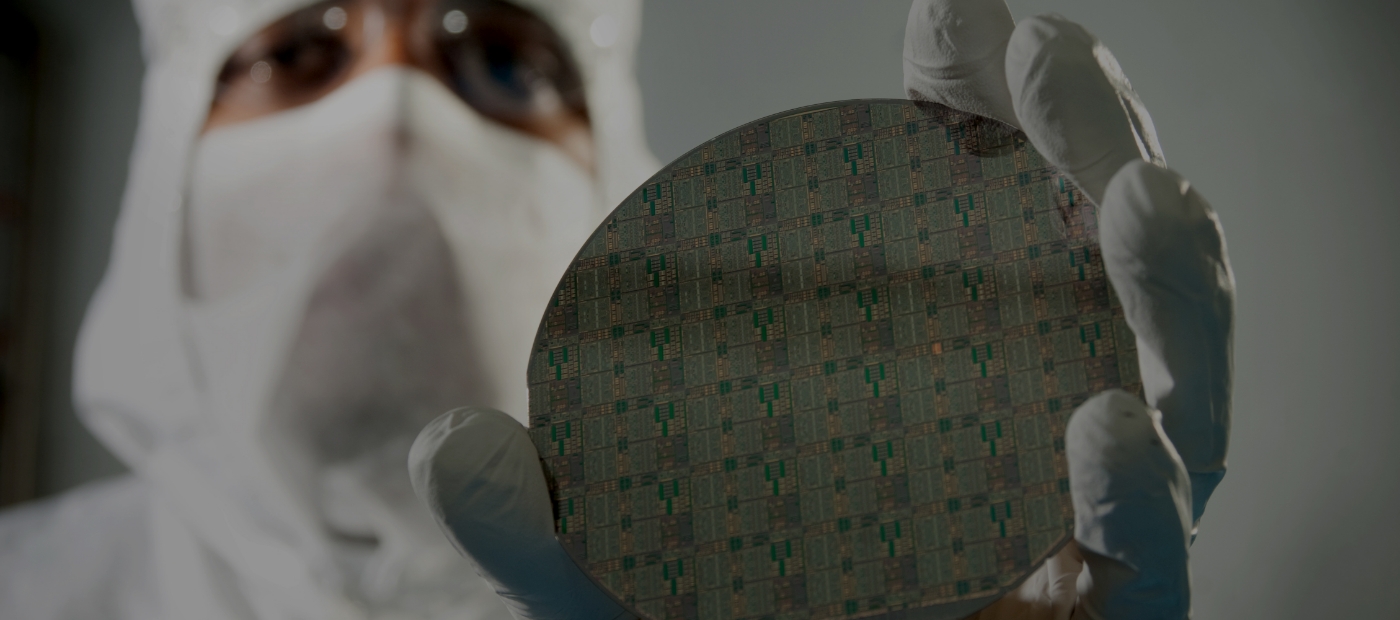
Enabling the company to create more efficient and sustainable solutions, advanced materials are core to RTX’s innovations. These materials are essential for connecting the planet by improving performance and reducing environmental impact.
For example, RTX-produced radars and sensors utilize gallium nitride (GaN), a cutting-edge material that efficiently amplifies high-power radio frequency signals. This technology increases range while decreasing size, weight, power consumption and cost.
Other advanced materials, such as silicon carbide, carbon-carbon composites and new alloys with enhanced temperature capabilities, play a crucial role in RTX’s manufacturing processes. These materials enable optimal functionality, reduced fuel consumption and lower emissions, contributing to a cleaner and more connected world.

Electrification
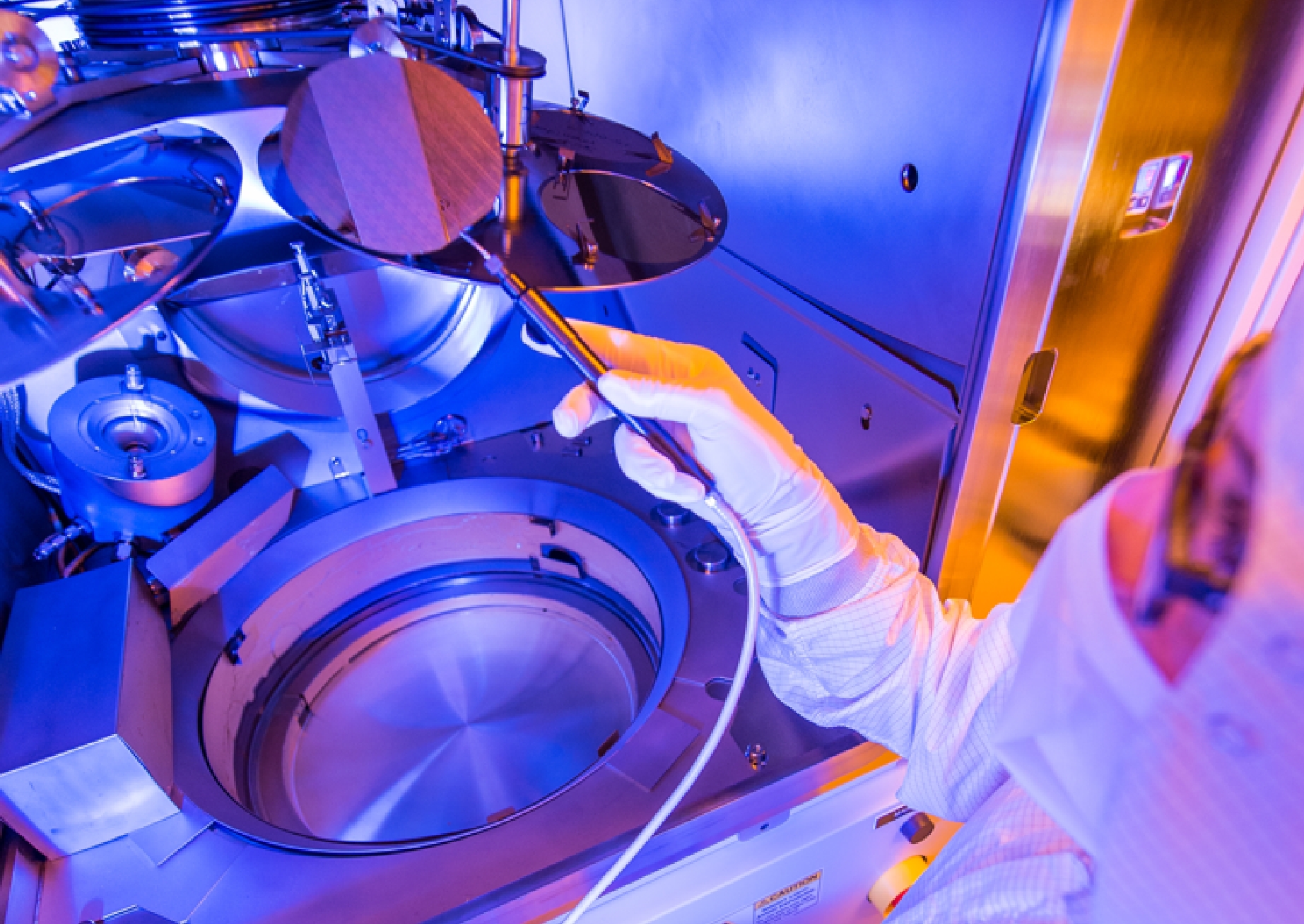
As part of RTX’s broader commitment to sustainability, the company’s researchers are developing more compact and efficient motor designs to support the commercial aviation industry’s drive toward net-zero carbon emissions. These motors are similar to those found in electric cars but face a significant added challenge: To fly, they must be much smaller and lighter without sacrificing power. This innovative work is happening at an RTX lab dedicated to advanced electric power systems, contributing to a greener future for aviation.
“We’re setting the bar for what a lab testing electrified powertrains should be,” said Tyler Hayes, Collins Aerospace Propulsion Electrification and Hybrid Systems discipline chief. “There’s really nowhere else you can do this easily right now.”

The information, data, or work presented herein was funded in part by the Advanced Research Projects Agency-Energy (ARPA-E), U.S. Department of Energy, under Award Number DE-AR0001351. The views and opinions of authors expressed herein do not necessarily state or reflect those of the United States Government or any agency thereof.
Advanced sensing
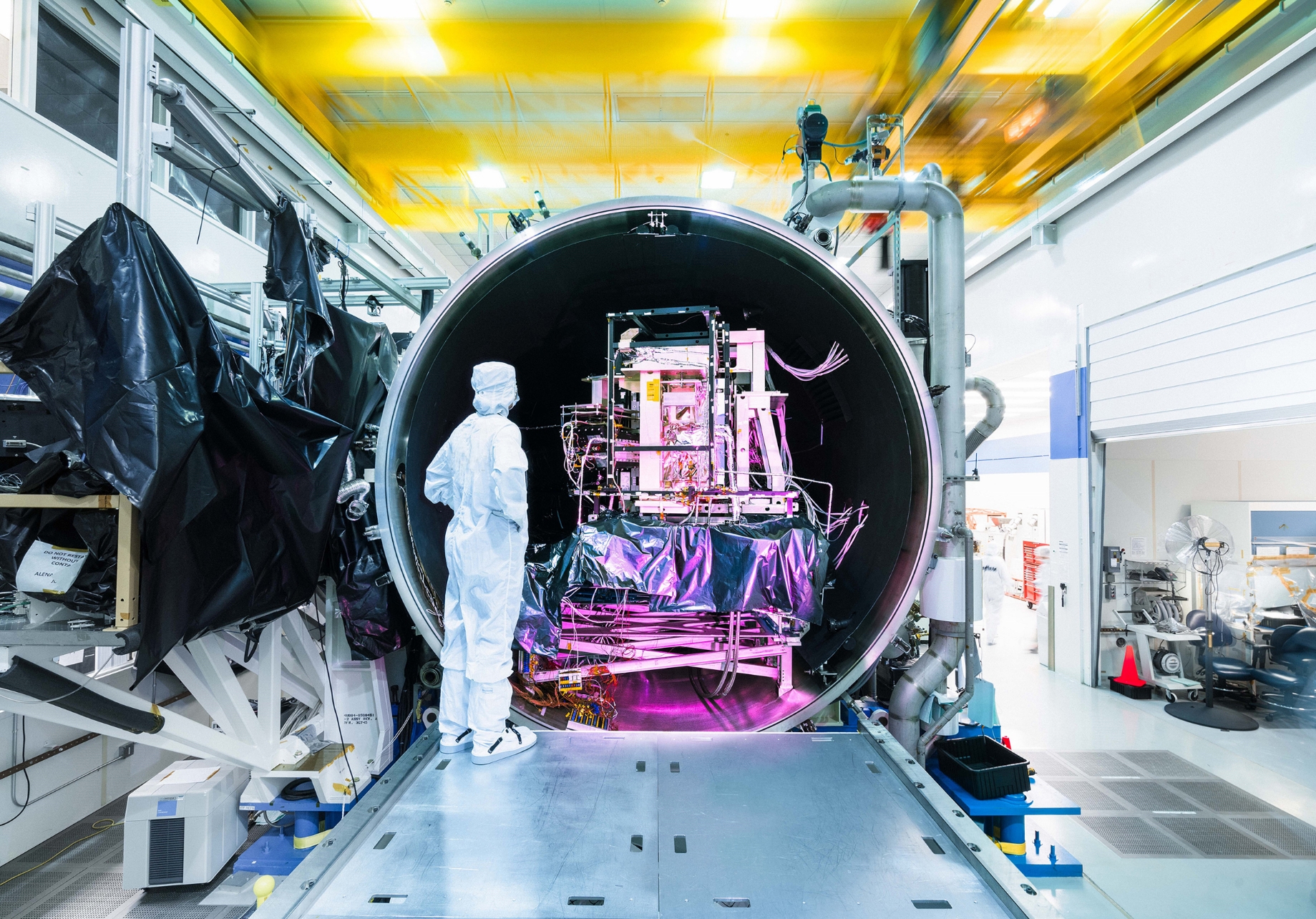
RTX has a long history of developing radio frequency, electro-optical/infrared sensing, communications and electronic warfare systems for space, air, ground, sea and undersea environments. The company’s latest sensors, which are designed to be smaller, lighter and more efficient, provide increased capability against advanced threats and countermeasures.
These advancements provide RTX’s military customers with targeting sensor systems, offering high-resolution images and enabling sight at night and in adverse battlefield and weather conditions, even at great distances, ultimately resulting in advantages for mission planning and execution.
Advanced propulsion
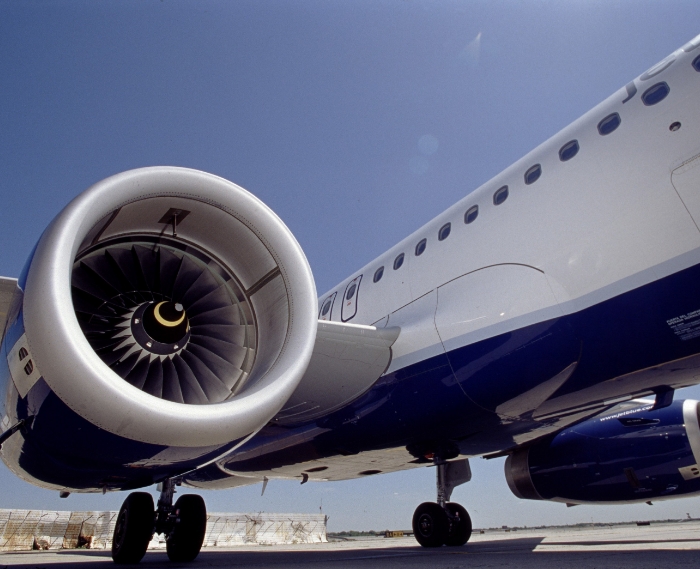
RTX is developing next-generation propulsion systems for a wide range of applications, including commercial and military aircraft, as well as kinetic and non-kinetic effectors. One of the company’s recent advancements in propulsion is the Pratt & Whitney GTF–an advanced engine with a markedly lower fuel burn than its predecessor. Every plane it powers is producing about 3,600 fewer tons of carbon dioxide per year.
Contextualizing that number, Dr. Michael Winter, RTX chief scientist, stated, “Consider a tree in the forest; it is pulling CO2 out of the air. In one year on a CO2 basis, one airplane [with a Geared Turbofan] is the equivalent of having 900,000 more trees.”
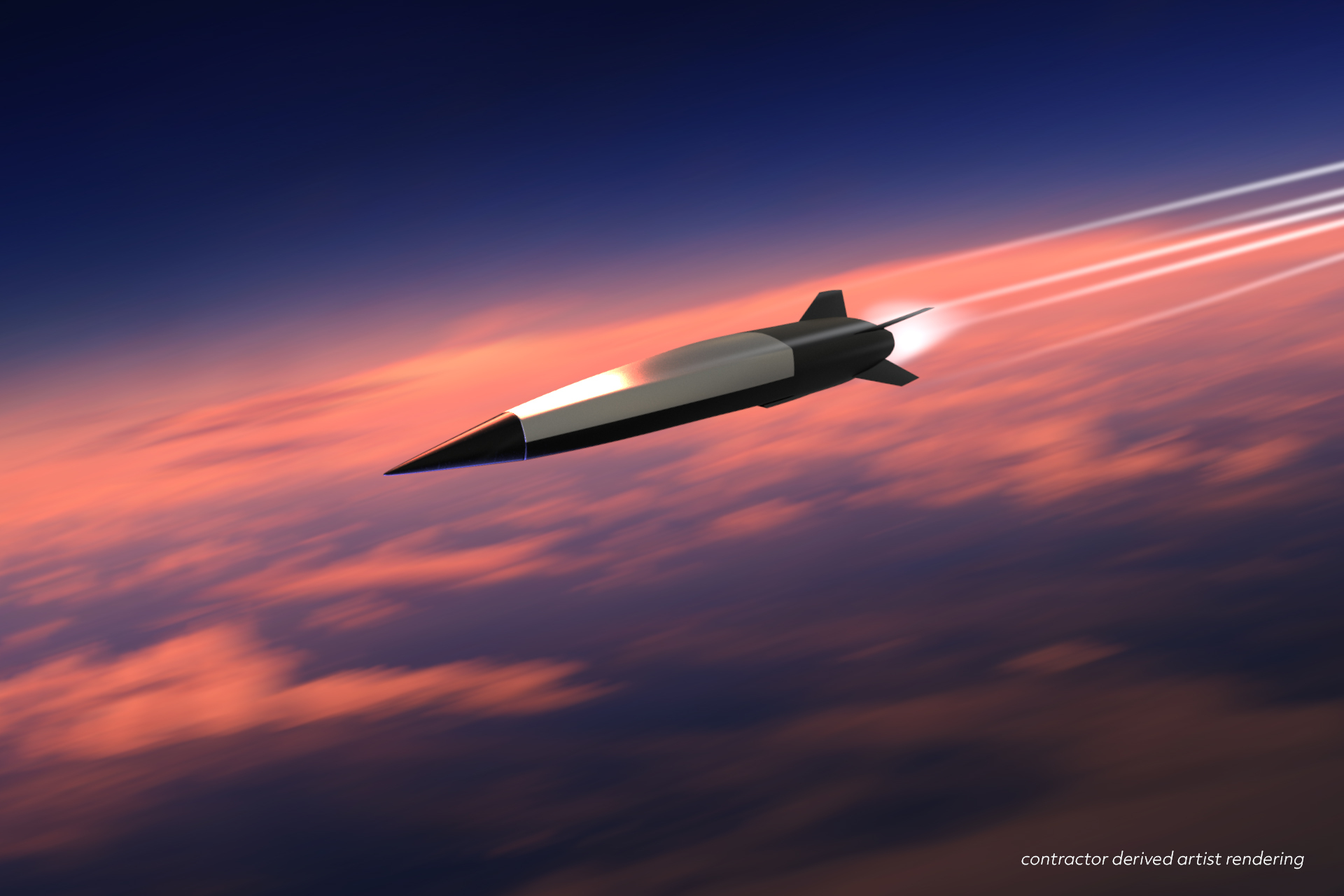
Another RTX propulsion achievement: Raytheon’s development of a military-ready hypersonic vehicle. Workable hypersonic airframe development has stymied the industry for decades, but Raytheon cleared the innovation bottleneck with an air-breathing hypersonic weapon and scramjet pairing.
“We set the record in the United States for the first working scramjet-powered missile,” Colin Whelan, Raytheon Advanced Technology president, said of the company’s major victories in concepting and implementing hypersonic technologies. “It’s not often you get to say those type of words, where your team is breaking every record out there and then winning a program of record to actually build missiles that can go against some of these tough threats.”

Integrated systems
RTX develops integrated systems that support concepts like Joint All-Domain Command and Control, a Department of Defense concept that connects sensors from all branches of the armed forces into a unified network. These systems improve intelligence, surveillance and communication, providing the military with more options and better security. For the commercial sector, RTX’s integrated systems also enhance security and increase operational speeds and capabilities.
RTX pushes the boundaries of known science—and finds new ways to protect and connect our world.