A life’s legacy: Late Samsung chairman’s collection of iconic Korean art comes to D.C.
By Samsung
September 15, 2025
When the Smithsonian Institution’s National Museum of Asian Art (NMAA) in Washington D.C. opens Korean Treasures: Collected, Cherished, Shared this November, it will mark not just the unveiling of an extraordinary exhibition but also a milestone in cultural diplomacy. For the first time, masterpieces from the Lee Kun-hee Collection – widely considered the most important private collection of Korean art ever assembled – will be shown internationally.
The exhibition is drawn from more than 23,000 works donated to the Republic of Korea in 2021 by the family of the late Kun-hee Lee, the longtime chairman of Samsung. Lee was best known as the business leader who transformed Samsung Electronics into one of the world’s leading electronics companies, but at home in Korea he was also known as a devoted art collector.
For Lee, art wasn’t simply about ownership. Protecting cultural heritage was a duty, a way of safeguarding the soul of a nation for future generations. His deep appreciation for art was itself a continuation of the legacy of his father, Samsung’s founding Chairman Byung-chull Lee, whose early collecting laid the foundation for the collection on view today. The Lee family’s commitment to preserving and sharing Korean art is a defining part of their impact beyond the brand we know today.
A landmark gift
The donation is unprecedented in scale and scope. Between 2021 and 2024, exhibitions drawn from the Lee Kun-hee Collection toured major Korean museums, attracting more than 3.5 million visitors. The decision to send the collection abroad, first to the National Museum of Asian Art and later to the Art Institute of Chicago, marks a new chapter in that story, one that connects Korea’s artistic heritage to international audiences.
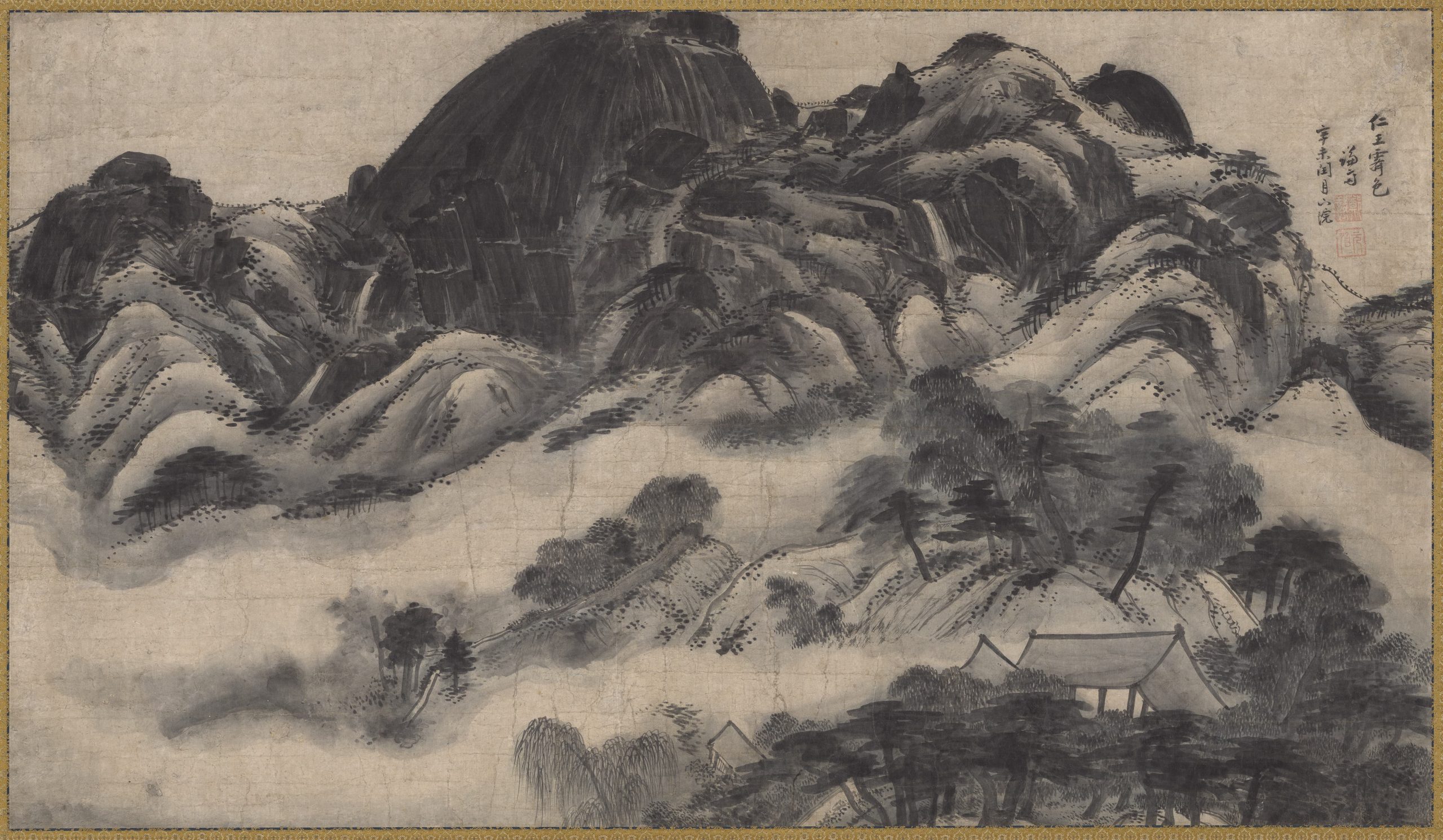
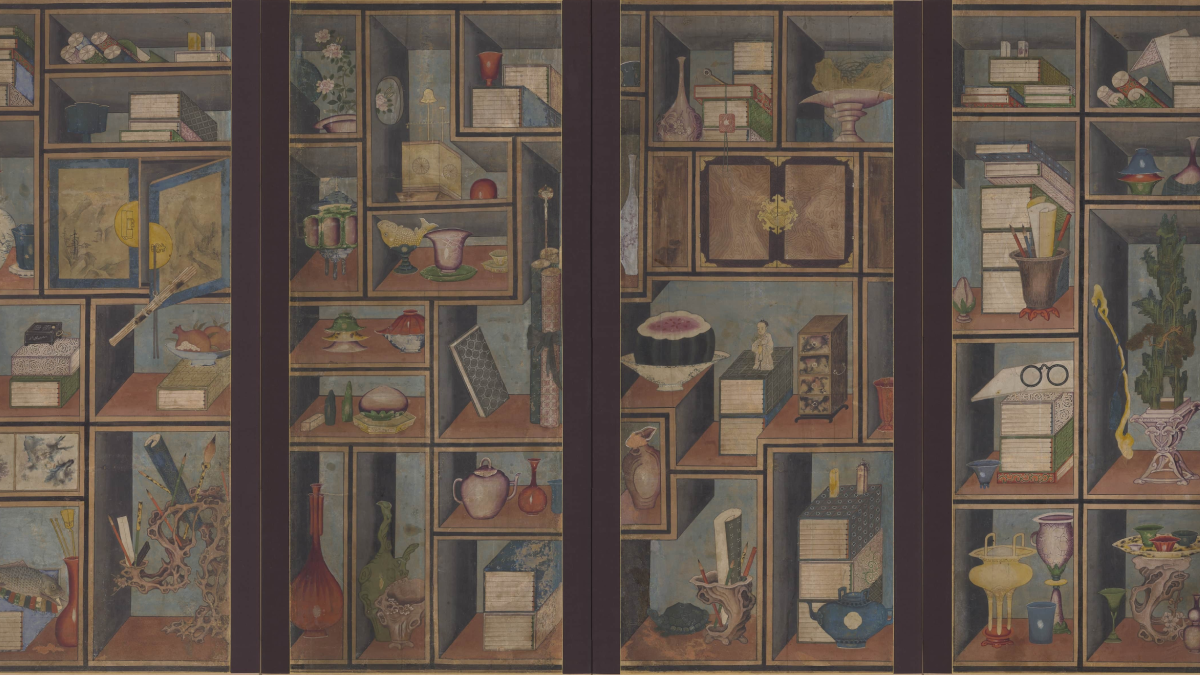
The Washington exhibition will feature over 200 works spanning 1,500 years, including Buddhist sculpture, Joseon dynasty furnishings, rare ceramics, as well as both traditional and modern paintings, with works by masters such as Kim Whanki. Among the highlights is Clearing After Rain on Mount Inwang, an 18th-century masterpiece by Jeong Seon that helped establish a uniquely Korean approach to landscape painting. The show is both an introduction and an invitation to explore Korea’s rich history in a new way.
Kun-hee Lee: Business visionary, cultural innovator
Lee’s impact on business is well documented. In 1993, he introduced his “New Management” philosophy that fueled Samsung’s rapid rise to global leadership in semiconductors, mobile devices, TVs and home appliances. His personal interest in art ran parallel to his business achievements.
“Collecting and preserving cultural heritage is vital for the future of human culture, and it is a universal obligation of all of us mandated by our times,” Lee once said. His collection reflects that belief, spanning from prehistoric artifacts to contemporary Korean abstract art.

The exhibition was made possible by Kun-hee Lee’s family including his wife, Ra-hee Hong and his son, Samsung Electronics Executive Chairman Jay Y. Lee. In carrying forward his vision, the Lee family not only honored the late Chairman’s personal legacy but also set a new benchmark for philanthropy in Korea. Their commitment reflects Samsung’s philosophy to innovate beyond just technology and spark meaningful connection, inspire new kinds of creativity and reflect a profound cultural heritage.
Korea’s expanding cultural influence
Over the past decade, Korean culture has emerged as a global force. The worldwide popularity of K-pop, the global reach of K-dramas and cinema and the growing recognition of Korean cuisine and design have placed Korea at the center of cultural innovation. Visitors to the National Museum of Asian Art have expressed deep curiosity about Korean culture, and that sentiment has fueled the growth of its respected Korean art program.
“Korean Treasures is a rare and extraordinary opportunity to share the richness and depth of Korean art with U.S. audiences,” said Chase F. Robinson, director of the National Museum of Asian Art. Kun-hee Lee was a visionary collector, and the gift made by his family to Korea stands as one of the most significant in the country’s history. As a museum founded through a similar transformative act of generosity, we are honored to share this remarkable story of cultural legacy on the international stage.”
The Lee Kun-hee Collection underscores that this global moment did not appear overnight. As Hong June You, Director of the National Museum of Korea, noted, the works “illuminate the cultural roots of what is today known globally as K-culture.”
For Kun-hee Lee and for Samsung, innovation has always been about more than business. It is about shaping culture through technology, through art and through the belief that sharing treasures of the past is essential to inspiring the future.
As Korean Treasures opens in Washington, visitors will explore the vision of a leader who reshaped a company, redefined a nation’s place in the global economy and left behind a cultural legacy that now belongs to all.
Korean Treasures: Collected, Cherished, Shared will be on view at the Smithsonian’s National Museum of Asian Art (NMAA) in Washington, D.C. from November 8, 2025, through February 1, 2026.
From March 7 through July 5, 2026 the collection will be on view at the Art Institute of Chicago.
The presentation at the National Museum of Asian Art is curated by Keith Wilson, the June and Simon K.C. Li curator of Chinese art; Carol Huh, associate curator of contemporary Asian art; and Sunwoo Hwang, the Korea Foundation assistant curator of Korean art and culture. The lead curator for “Korean Treasures” is Yeonsoo Chee, the Korea Foundation associate curator of Korean art at the Art Institute of Chicago.
This content is paid for by Samsung and published by WP Creative Group. The Washington Post newsroom was not involved in the creation of this content.