Mayor Oh Se-hoon’s “G3 Seoul Plan” moves into full scale implementation, aiming to make Seoul a global top 3 city with a higher quality of life
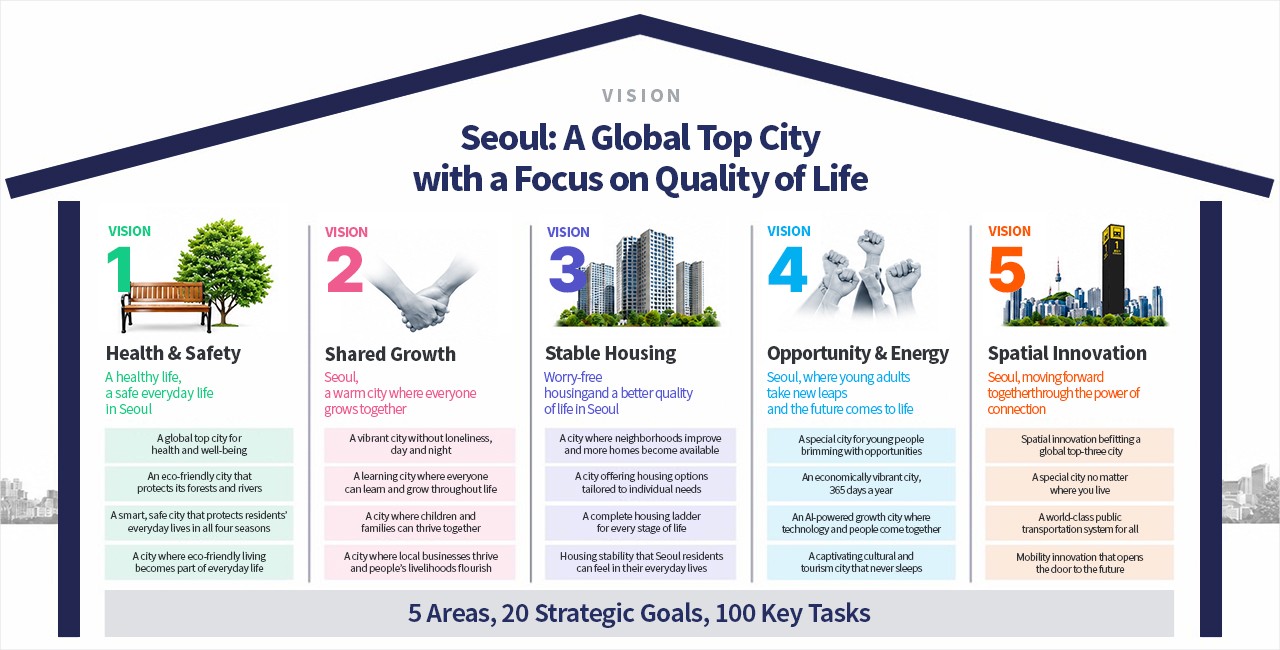
The ninth popularly elected administration’s flagship strategy sets out five future visions, 20 strategic goals and 100 key tasks.
By Seoul Metropolitan Government
October 12, 2026
0:00/0:00
Mayor Oh Se-hoon’s “G3 Seoul Plan” moves into full scale implementation, aiming to make Seoul a global top 3 city with a higher quality of life
Voice is AI-generated. Inconsistencies may occur.
Seoul Mayor Oh Se-hoon has finalized the G3 Seoul Plan, the ninth popularly elected administration’s flagship strategy to carry out 100 key tasks with a total investment of KRW 86.1 trillion through 2030 and is now moving the plan into full-scale implementation. The goal is to elevate Seoul into a city that combines the global competitiveness of a top-three city with a high quality of life for its residents.
The G3 Seoul Plan is Seoul’s new strategy for responding to the AI transformation, climate crisis, demographic shifts and global competition for talent, all of which have accelerated in the five years since Seoul Vision 2030 was established. Rather than simply improving Seoul’s position in global city rankings, the plan focuses on turning global competitiveness into tangible improvements in residents’ everyday lives, including better jobs, housing, health and safety.
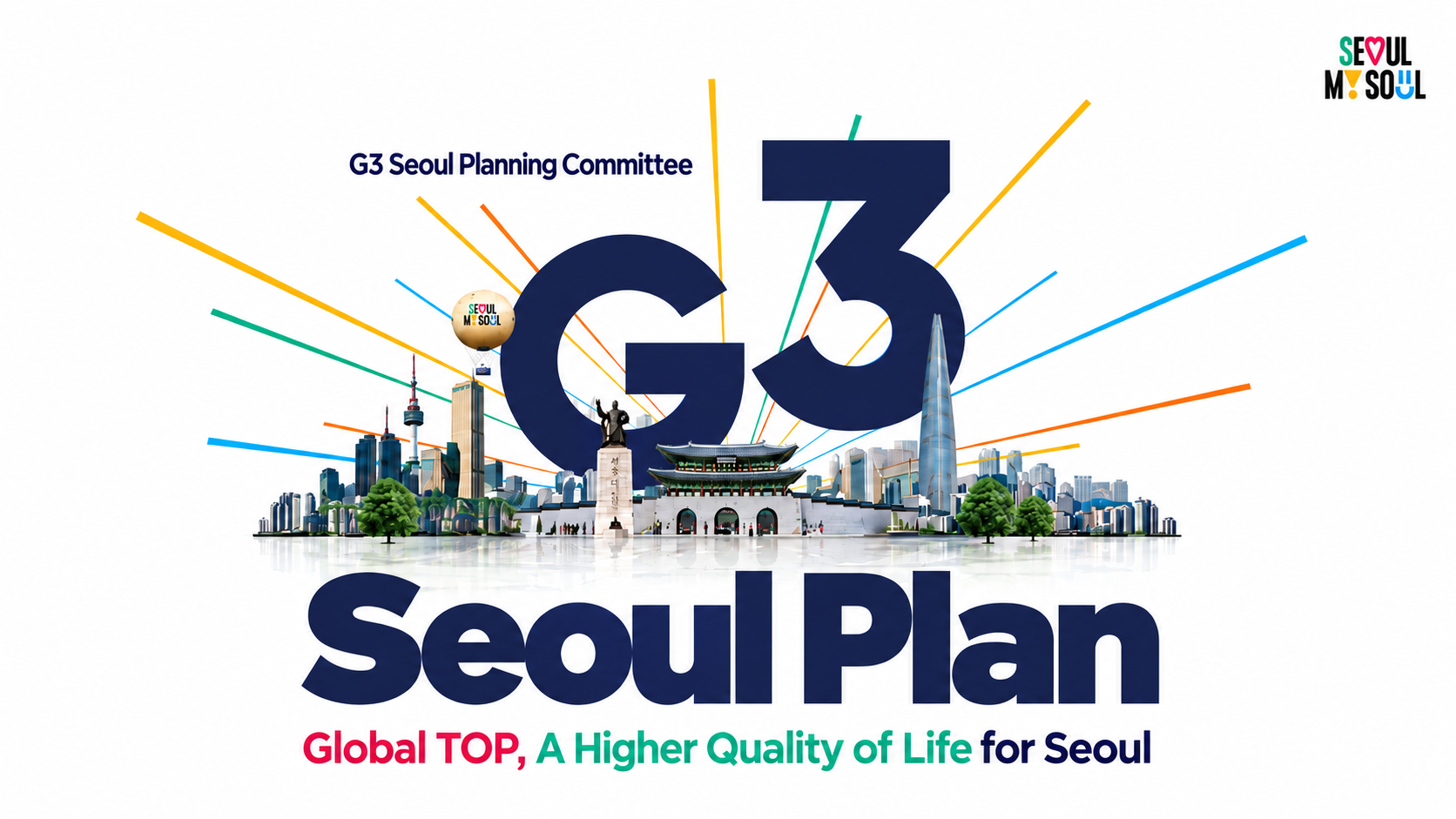
The Seoul Metropolitan Government (SMG) has set forth five future visions — Health & Safety, Shared Growth, Stable Housing, Opportunity & Energy and Spatial Innovation — along with 20 strategic goals and 100 key tasks under its vision, “Global TOP, A Higher Quality of Life for Seoul.” SMG will make it easier for residents to stay healthy close to home and feel safe around the clock, lower barriers to learning and everyday life and provide housing options when and where they are needed. The city aims to expand opportunities for young people and global talent while ensuring convenient connections wherever residents live.
Through June 2030, the city will invest KRW 86.1 trillion in total, including KRW 53.7 trillion in city funds, KRW 9.2 trillion in national funds and KRW 23.2 trillion from private and other sources. SMG will finalize implementation plans for each task by year-end and monitor progress on an ongoing basis to turn the plan into tangible results.
1: Health & Safety
Strengthening health and safety through 10-minute exercise zones, a comprehensive green space management system and 24-hour everyday safety zones
Health & Safety is a strategy to connect exercise, mental health, green spaces and everyday safety within residents’ daily living areas, shifting the city from a focus on treatment and post-incident response to one centered on prevention in everyday life. While life expectancy continues to increase, there is room for improvement in lifestyle-related health indicators, such as healthy life expectancy and obesity rates. SMG will therefore create an environment where citizens can manage their health close to home.
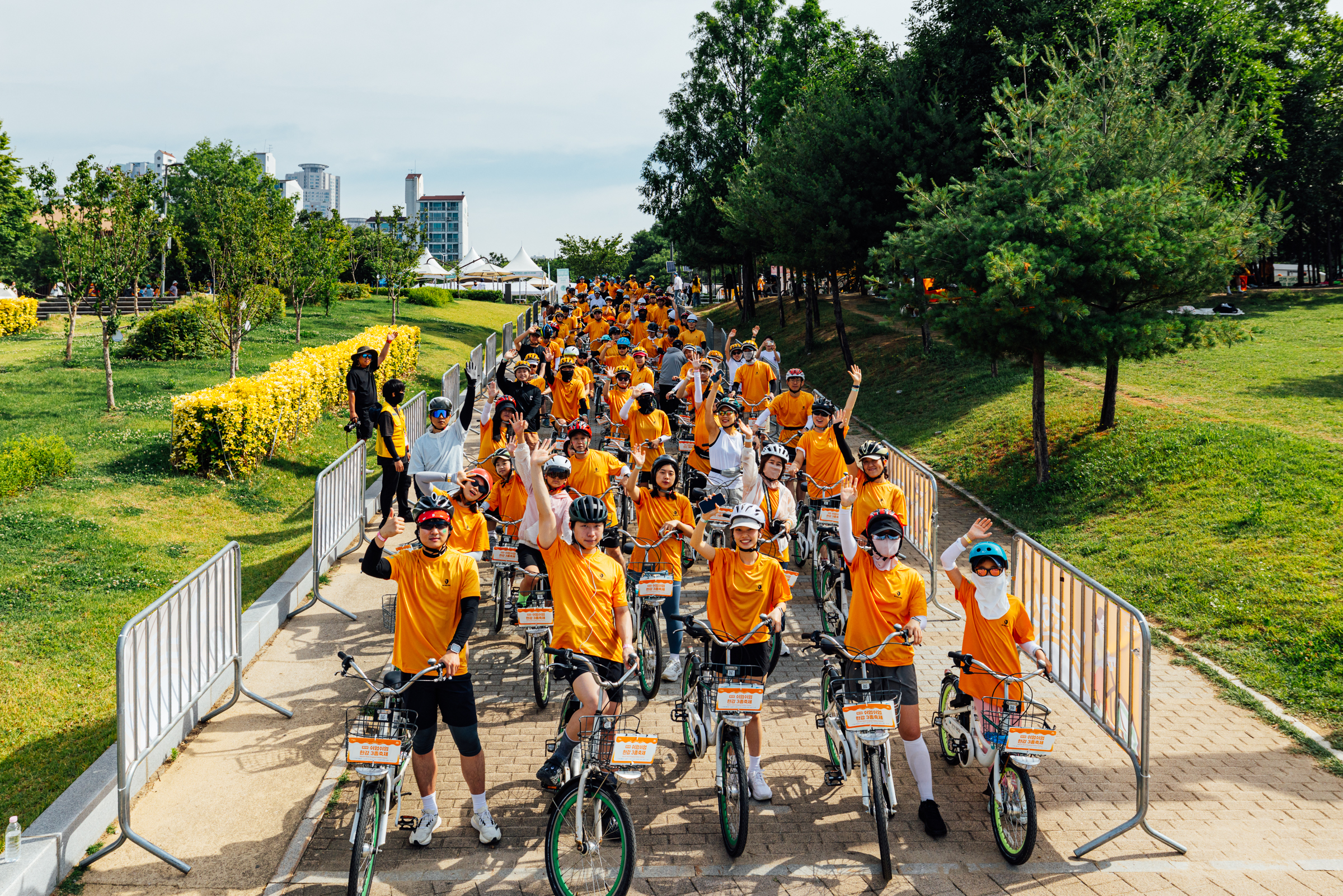
The city will create “10-minute exercise zones,” combining exercise facilities with convenient access to public transportation so anyone can begin exercising within 10 minutes of home. Seoul will expand the number of Seoul Fitness Centers from 20 to 100 and operate the “Seoul Fitness on the Go” program year-round. Fun Stations, which use underutilized subway spaces, will expand to all autonomous districts, while Wellness and Vitality Eco-Platform connecting forests, parks and waterfront spaces will also be established across Seoul.
To increase the amount of green space that residents can reach on foot within their everyday living areas, SMG will introduce the “comprehensive green-space management system.” Through its Green Ecological City strategy, which converts spaces secured through urban renewal into parks and green spaces, SMG will secure an additional 1 million square meters of parks and green space by 2030. The city will also continue developing large-scale green spaces, including Yongsan Park (3 million m2) and Songhyeon Cultural Park (26,000 m2).
SMG will establish 24-hour everyday safety zones to ensure safety at all times and in all places. SMG will separate pedestrian paths from vehicle lanes in school zones with high accident rates and expand community-level safety infrastructure for vulnerable groups, including Seoul Safety Bells, intelligent CCTV and improved lighting in alleyways. From risks in alleyways to major disasters, SMG will establish a comprehensive emergency response system, making everyday safety a key pillar of Seoul’s urban competitiveness.
“We will make Seoul a city that people from around the world want to visit and where citizens want to live for a lifetime..”
– said Oh Se-hoon, Seoul Mayor
2: Shared Growth
Lowering barriers to everyday life through Seoul Without Loneliness 2.0, offline Seoul Learn and a global payment app
Shared Growth is a strategy that reflects the reality that four out of 10 Seoul residents live alone and 62 percent of single-person households report experiencing loneliness. It aims to reduce loneliness and narrow gaps in education and care while expanding local spaces and services that help people build and maintain social connections. SMG will also pursue policies that turn everyday inconveniences experienced by residents and tourists into opportunities for growth.
Through Seoul Without Loneliness 2.0, SMG will support citizens experiencing loneliness in returning to their daily routines and building social connections. Seoul Mind Convenience Stores will be expanded to all autonomous districts, with specialized programs tailored to different age groups. The Seoul Shared Meals with Solo Diners project will also be launched, providing single-person households and others with opportunities to share meals and connect with one another.
Seoul Learn, which has traditionally focused on online learning, will expand its offerings through Seoul Learn Offline Coaching Centers. After a pilot program at 10 local children’s centers, the program will expand to youth facilities, lifelong education facilities and other venues, while Seoul Learn mentors will provide tailored group mentoring to elementary school students. The eligibility threshold will also be raised from households earning 80 percent or less of the median income to those earning 100 percent or less, helping reduce the burden of private education costs.
In preparation for an era of 30 million foreign tourists, SMG will establish the tentatively named “OK-Seoul,” a global integrated payment app that will integrate overseas easy-payment services with public transportation, tax refunds and tourist information. Major commercial areas, including traditional markets, will also be equipped with more convenience facilities for family travelers, such as stroller and luggage storage areas.
3: Stable Housing
Breaking ground on 310,000 homes through fast-track integrated planning and 40,000 homes through Moatown Housing, while supplying 130,000 public housing units
Stable Housing is a strategy that brings together redevelopment and reconstruction, public housing supply, housing options tailored to different stages of life and measures to prevent jeonse (lump-sum deposit rental) fraud into a comprehensive housing safety net.
In response to growing housing insecurity stemming from high home prices and rental costs, SMG will work to stabilize the housing market through sufficient and consistent supply. SMG will accelerate redevelopment and reconstruction projects and expand public housing and private rental housing to ensure a stable supply of homes.
Through “Fast-Track Integrated Planning 2.0,” Seoul aims to break ground on 310,000 housing units by 2031. For 85,000 units in key strategic redevelopment areas that can begin construction by 2028, SMG will apply a standard processing-time system and resolve potential delays at each stage through progress-acceleration meetings chaired by the Vice Mayor II for Administrative Affairs.
For Moatown Housing, 146 project sites will be managed in phases, with the goal of breaking ground on 40,000 housing units by 2031. Of the 62 sites designated for intensive management, comprising 14,000 housing units, construction will begin by 2028. For areas where the projects are delayed, the city government will dispatch a “Rapid Resolution Outreach Team” made up of experts in architecture, law, accounting and appraisal.
By 2031, SMG will supply 130,000 public housing units, including 23,000 new-construction public rental units and 70,000 purchased rental units. A total of 6,500 units of “Baronaejip (My home right away),” Seoul-style public housing for sale designed to ease the burden of home purchase costs, will be supplied in two formats: land-lease housing and installment housing, in which 80 percent of the remaining balance is paid in installments over 20 years. This will reduce the upfront cost of homeownership while expanding buyers’ options.
4: Opportunity & Energy
Expanding Seoul’s growth engines through the Youth AI ladder, global talent attraction and Connected Live
Opportunity & Energy is a strategy to turn youth AI capabilities, global talent, the nighttime economy, industries and culture into new growth engines for Seoul. SMG will create an ecosystem where young people and global talent can grow together and where culture drives vitality in tourism, local businesses and industries.
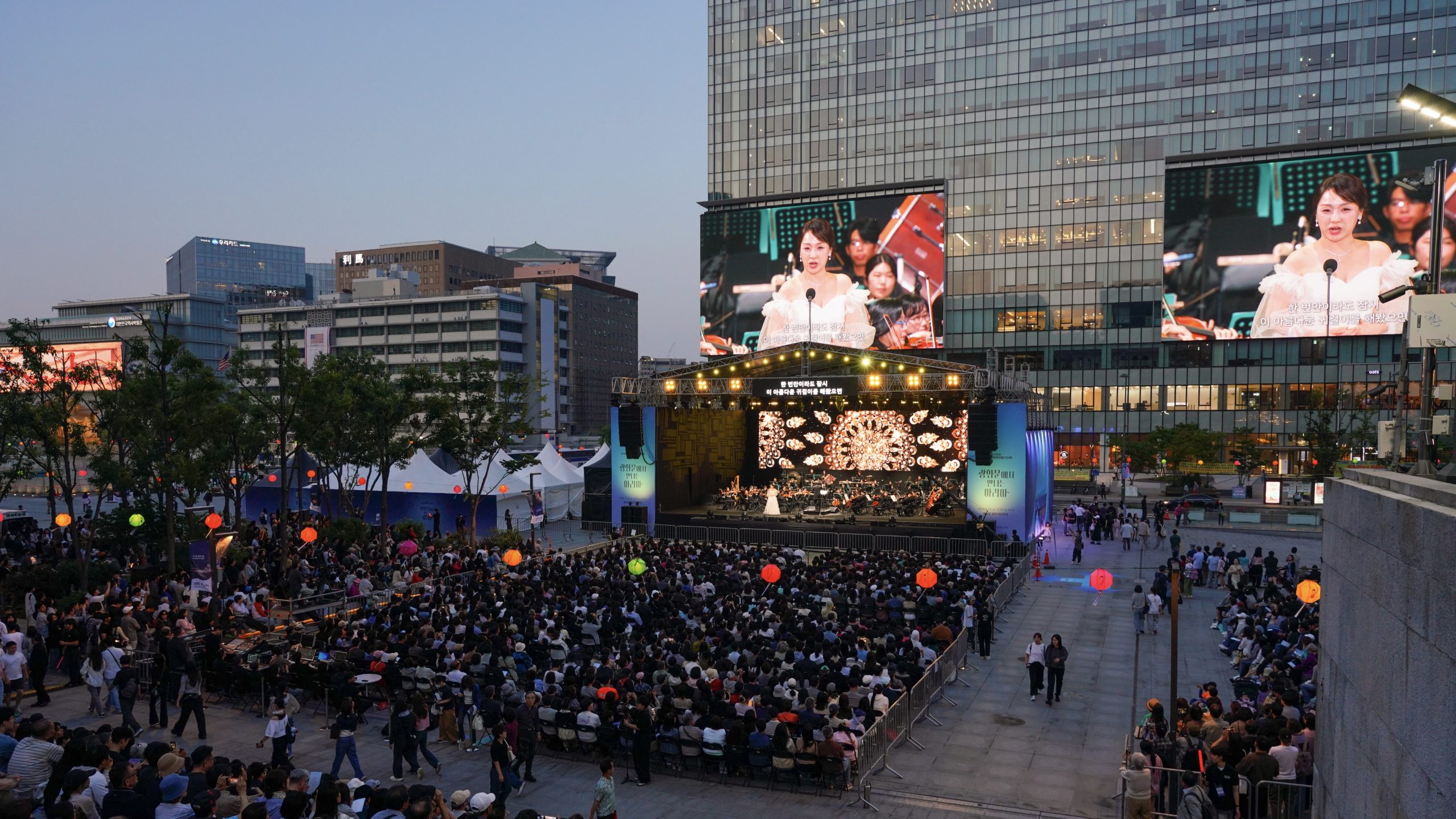
With the goal of becoming a “Special City for Youth Growth,” Seoul will launch the “Youth AI Ladder,” providing 500,000 young people with AI access vouchers and free basic training regardless of income, while supporting employment and entrepreneurship through job experience and specialized training opportunities. SMG will also supply 74,000 units of “Youth Housing The Dream+,” including 10,000 Seoul Sprouting Studio Apartment units and 6,000 shared housing units, to help young people establish stable, independent lives.
Through “G3 Talent City, Seoul,” SMG will provide comprehensive support for foreign talent with master’s and doctoral degrees, from attracting talent to providing housing and helping them settle in Seoul. SMG will establish an institutional foundation to attract gifted students from overseas to science high schools and other educational organizations, while also creating Seoul-style international houses where young Seoul residents and international students can interact and build connections.
Just as London transformed its nights into a new time for cultural and economic activity through festivals and late-night transportation, Seoul will also evolve into a city with a “Vibrant 24-Hour Economy.” SMG will extend operating hours for sports and cultural facilities and expand nighttime attractions that encourage longer stays at the Hangang River, Namsan Mountain, Dongdaemun Design Plaza (DDP) and other destinations. Seoul Mulbitnaru waterfront facilities will expand to 40 locations by 2030, while Moonlight Yajang Markets, Seoul-style specialized night markets, will be piloted at five locations this year before expanding to all autonomous districts. Late-night buses and CCTV coverage will also be expanded to make Seoul’s nights both more vibrant and safer.
Meanwhile, SMG will introduce Connected Live, broadcasting live performances by the Seoul Performing Arts Company on large digital screens in the city center and at public cultural facilities. The initiative aims to bring rich cultural and artistic experiences to open urban spaces across Seoul by removing the physical barriers associated with traditional performance venues.
5: Spatial Innovation
Transforming Seoul’s urban spaces and mobility through Youth Future Towns, four new metropolitan centers and 500 autonomous buses.
Spatial Innovation is a strategy to more evenly distribute housing, jobs, learning and culture across Seoul and connect them through public transportation and autonomous mobility. To help Seoul’s people spend less of their day on the road, SMG will reduce travel times and bring opportunities concentrated in the city center closer to residents’ everyday living areas, ensuring everyone can enjoy a distinctive and convenient daily life no matter where they live.
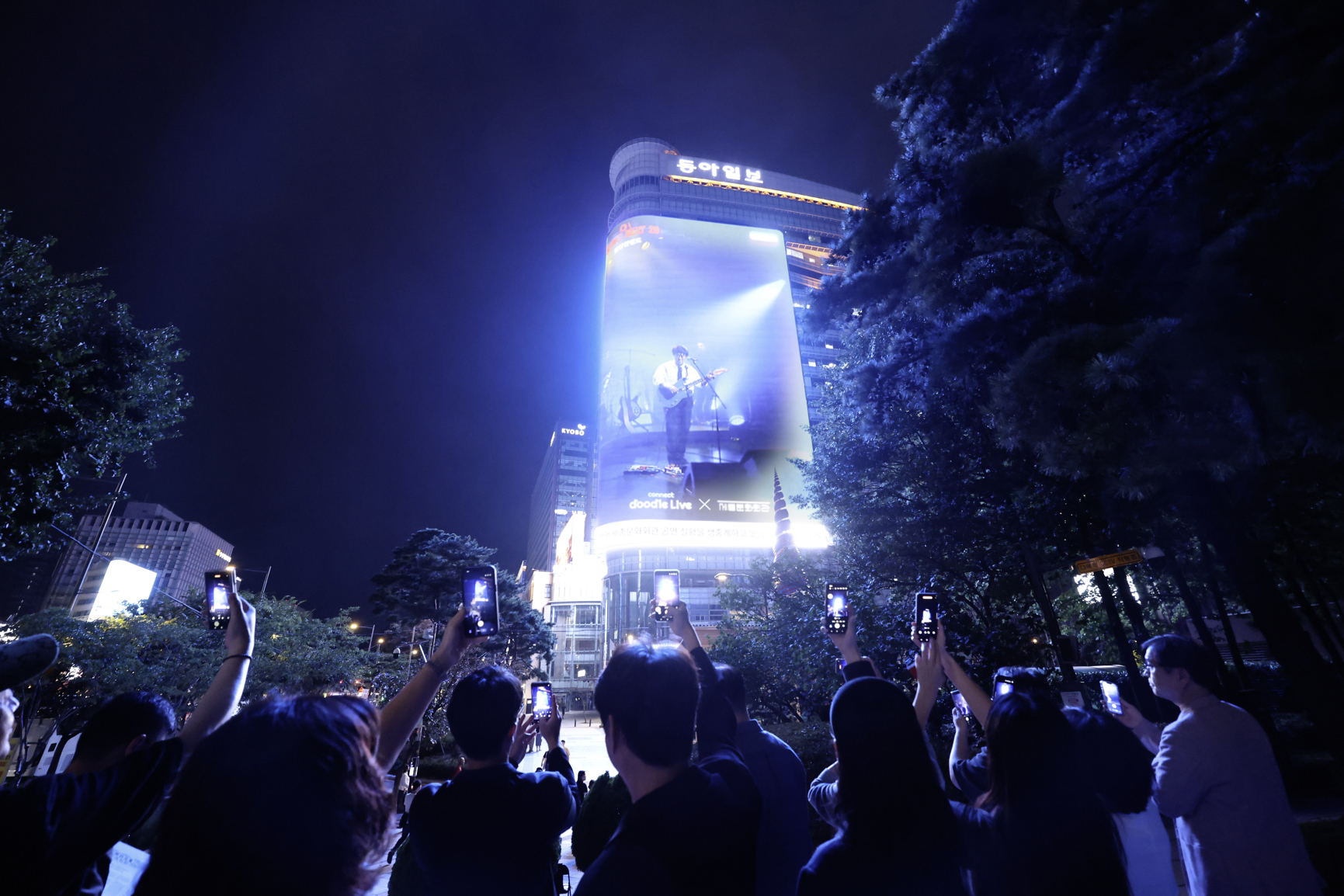
SMG will create “Youth Future Towns” combining housing, jobs and community spaces. The city will actively identify large-scale sites that can be redeveloped, including railway rolling stock depots and connect them with industrial, university and startup ecosystems in the local community to create synergies among youth support policies and drive regional economic growth.
To become the world’s leading autonomous driving city, SMG will expand the number of autonomous buses from the current 16 to 500 by 2030. Operating hours will gradually expand from late-night and early-morning service on weekdays to 24 hours a day once safety has been verified. Through technology demonstrations and institutional improvements, the city government will also gradually increase the share of autonomous buses in the city bus fleet. The number of autonomous taxis will increase from 19 in the Gangnam area to 50 across Gangnam and Sangam by 2027. Starting in the second half of 2026, SMG will begin testing Level 4 robotaxis to verify their safety and commercial viability while developing a model for coexistence with the existing taxi industry.
Mayor Oh Se-hoon stated, “Being a global top-three city is not simply about improving Seoul’s ranking among global cities. It is a strategy to leverage Seoul’s competitive edge to make life better for each and every citizen. The people are ultimately both the driving force behind making Seoul a world-class city and the ones who benefit from its achievements, so we will enhance both the city’s competitiveness and quality of life.”
He added, “We will make the five future visions and 100 key tasks our top priorities and see them through to the end, proving them through tangible results rather than declarations. Over the next four years, we will make Seoul a global top city that people from around the world want to visit and a city with a higher quality of life where citizens want to live for a lifetime, making Seoul’s solutions a model that shapes the future of Korea.”
This content is paid for by an advertiser and published by WP Creative Group. The Washington Post newsroom was not involved in the creation of this content.