Thinning hair or lax skin? Ask these 5 questions before choosing a regenerative treatment

By Calecim
Aug 18, 2026
0:00/0:00

Thinning hair or lax skin? Ask these 5 questions before choosing a regenerative treatment
Voice is AI-generated. Inconsistencies may occur.
Could PRP, PDRN, exosomes or growth factors improve thinning hair and aging skin—and might they offer an alternative to Botox, fillers or a hair transplant? Before investing, here is what to ask about the science, source and results.
Regenerative aesthetics aims to improve the biological environment in which skin and hair function.
These treatments may improve skin quality, support recovery or help viable follicles return to a healthier cycle. But they are not interchangeable. A 2024 review of regenerative medicine in aesthetic dermatology described the field as promising while emphasizing the need for more human studies and standardized methods.
The first question, then, is what the treatment actually contains—and where it came from.
1.
What is in it—and where did it come from?
“Regenerative” covers several technologies. PRP is prepared from blood. PDRN and polynucleotides are purified DNA-derived materials. Biostimulators prompt collagen production. Exosomes are small extracellular vesicles that transport proteins, lipids and other materials between cells.
A stem-cell secretome is broader: It is the collection of growth factors, cytokines, exosomal proteins and other signals released by cultured cells. It contains no live stem cells.
A formula built around one synthetic peptide or isolated growth factor delivers a selected signal. A cell-derived conditioned medium can contain a wider network of naturally produced signals. That does not make every natural source superior, but it means a complex secretome is not interchangeable with one or two isolated ingredients.
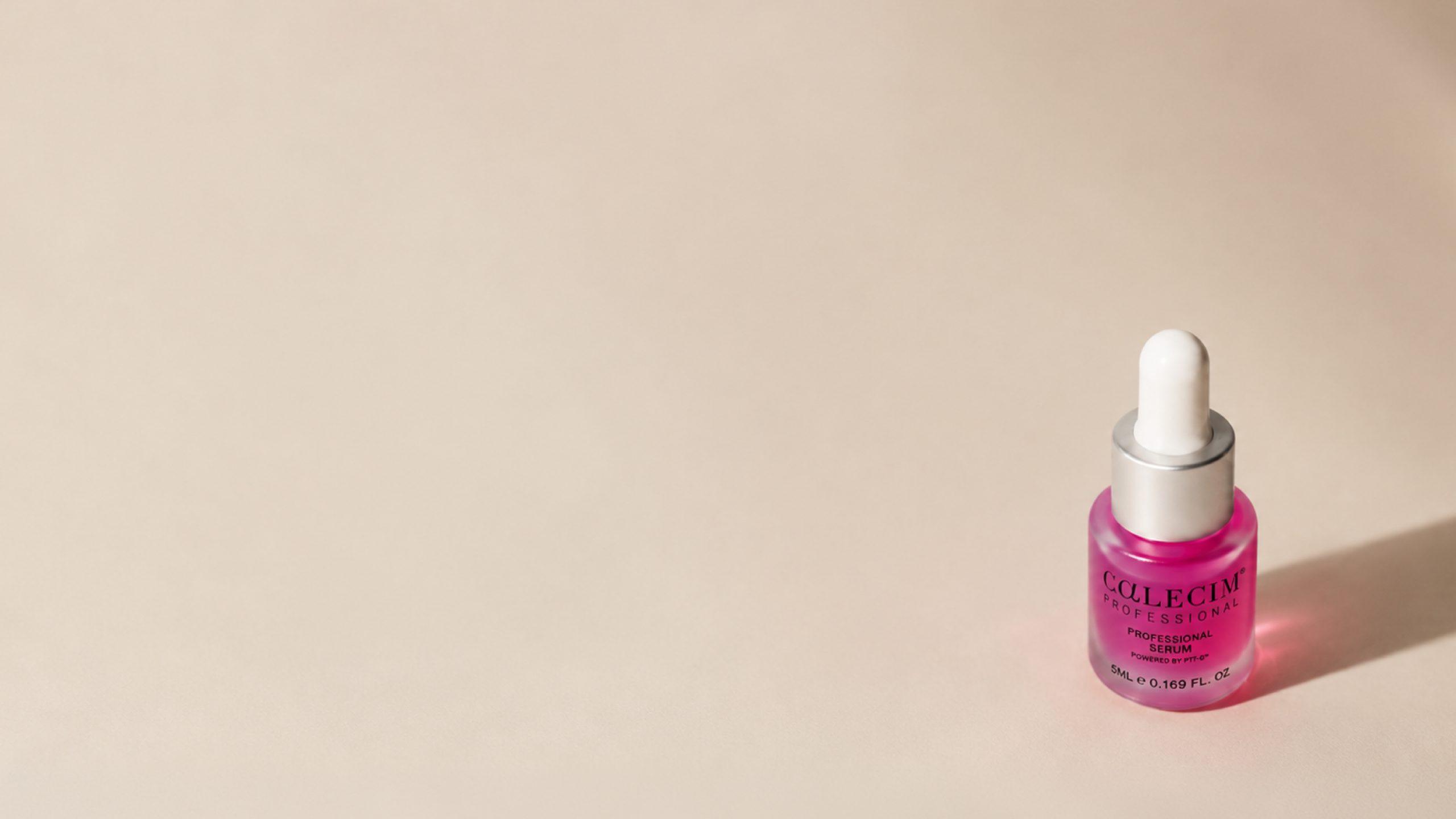
Calecim’s PTT-6 is derived from conditioned media produced by red deer umbilical-cord-lining mesenchymal stem cells through a proprietary, patented isolation and culture platform.
Research published in Cell Transplantation found that a single umbilical cord could yield billions of cord-lining cells—substantially more mesenchymal cells than sources including bone marrow, cord blood and adipose tissue. The high cell yield allows conditioned media to be produced from a consistent, well-characterized population of young cells.
“People often use the word ‘exosomes’ to describe regenerative products generally, but exosomes represent only one form of cellular communication,” said Dr. Phoebe Jones, a cosmetic physician in Australia. Jones describes PTT-6 as offering a broader range of naturally occurring regenerative signaling proteins than a product relying solely on one category of extracellular vesicle.
2.
Can it realistically address your concern?
Regenerative treatments are generally best suited to people seeking gradual improvements in tissue quality. For skin, that may mean better elasticity, firmness, texture, radiance or recovery. For hair, it may mean less shedding, thicker strands or improved density where follicles remain viable.
They do not perform the same jobs as conventional treatments. Botox and similar injections relax targeted muscles. Fillers replace volume. Surgery repositions lax tissue, while a hair transplant moves viable follicles into areas where they have been lost.
“Rather than masking aging, we’re trying to improve the quality of the skin,” said Jones.
3.
Is the treatment consistent from one patient or batch to another?
PRP comes from the patient, which is both its appeal and a source of variation.
“PRP is only as good as the biological material we obtain from the patient,” said Dr. Manav Bawa, a cosmetic doctor in London.
Age, health, nutrition, inflammation and platelet function may influence the resulting plasma.
Every PRP treatment therefore begins with different biological material. Even when the same preparation method is followed, the PRP used in one study is not biologically identical to what another patient will receive.
Research can show how a protocol performs across a group, but it cannot guarantee that every patient’s PRP contains the same concentration or balance of signals.
Manufactured secretome formulations offer a different proposition. PTT-6 is produced from the same cord-lining cell source under controlled conditions, making it more consistent between batches.
Percentage alone is not a measure of biological activity. Eighty percent of one conditioned medium is not equivalent to 80 percent of another—or to 80 percent of a synthetic solution. Consumers should ask what the percentage contains and how consistency is verified.
4.
Has the actual formulation been studied?
Research on exosomes generally does not validate every exosome product. Look for studies involving the actual formulation, delivery method and concern being treated.
PTT-6 and its underlying red deer cord-lining conditioned media have been evaluated in laboratory and clinical research involving skin and hair. Findings have included changes in fibroblast activity, elastin and hyaluronic-acid production, skin appearance, recovery and follicular activity.
A randomized, double-blind, split-face study published in the Journal of Drugs in Dermatology followed 40 participants using a PTT-6-containing cream.
Subsequent research into red deer cord-lining conditioned media reported increased elastin and hyaluronic-acid production in cultured eyelid fibroblasts, alongside a small topical clinical component. Hair research has included case series, objective follicular measurements and studies involving menopausal and androgenetic hair loss. The evidence is promising and growing. Larger controlled studies recruiting more patients, with standardized protocols and longer follow-up, would help establish how consistently the findings can be reproduced.
5.
Does it address your type of hair loss—and can you follow the protocol?
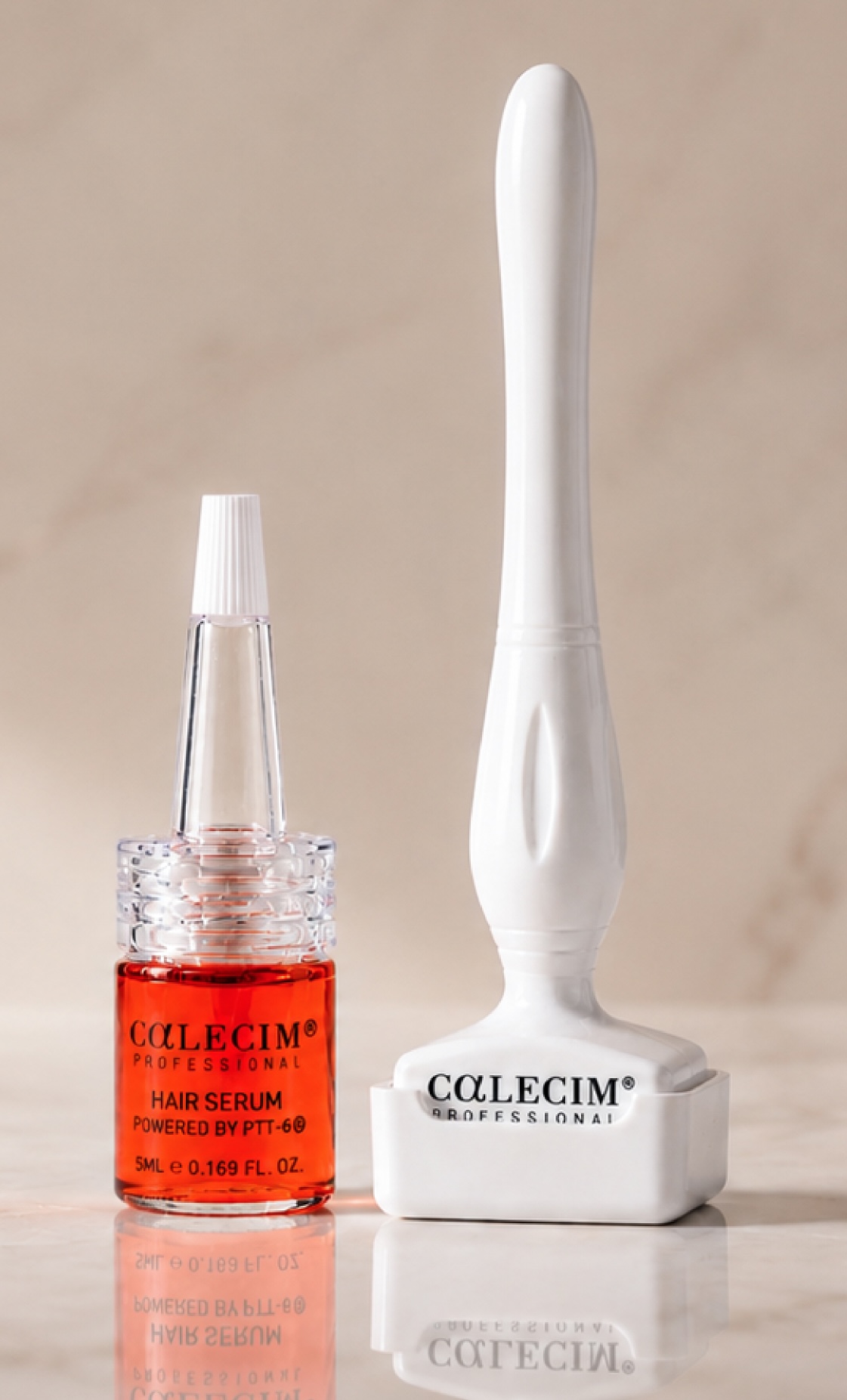
PTT-6 is used by hair clinics, aesthetic practices and specialist salons, often with microneedling, for early thinning and hair loss. A typical program lasts six to 12 weeks, with treatment continuing at home.
A published article co-written by New York dermatologist and hair-loss specialist Dr. Neil Sadick reviewed the effects of PTT-6 exosomal proteins on follicles.
It reported laboratory findings including a 24 percent increase in follicular-cell proliferation and reduced inflammatory signaling, as well as clinical observations involving early androgenetic alopecia, alopecia areata and post-Covid telogen effluvium.
The article also discussed a 12-week prospective, open-label case series using objective follicular measurements. Results included an approximately 14 percent increase in hair count and a 16 percent increase in the width of new and existing hairs.
Importantly, participants administered the weekly PTT-6 and 0.5-millimeter microneedling protocol respectively at home, returning to the clinic for assessments. Measurements showed significant increases in follicular units and total hair count, demonstrating that improvements were not limited to in-clinic application.
A separate study of 12 women ages 37 to 54 with menopausal or early androgenetic hair loss began with an in-clinic microneedling session, followed by five weeks of weekly home microneedling and PTT-6 serum.
By six weeks, nine of the 10 participants assessed reported less shedding, greater thickness or increased volume. Improvements across all participants were also reported at 12 weeks.
The emerging evidence suggests PTT-6 may be relevant for menopausal and hormone-related thinning, early androgenetic alopecia and some forms of telogen effluvium. Post-Covid telogen effluvium has been documented, while illness or rapid weight loss can also trigger shedding. PTT-6 has not been studied equally across every cause.
Sudden, patchy, painful or rapidly progressing hair loss should be medically assessed before starting a cosmetic protocol. “One of the biggest advantages of a topical regenerative technology is that patients can continue supporting follicular health between clinic visits,” Bawa said.

Regenerative treatments may offer new options for firmer-looking skin, better recovery or fuller-looking hair without immediately turning to more invasive procedures. PTT-6 is a defined, cell-derived conditioned medium—not a single synthetic peptide or unidentified generic exosome ingredient.
Explore PTT-6 for Hair & Skin