Sustainable food industry solutions for the future
A package should save more than it costs. Discover how Tetra Pak is working towards a circular economy in the food packaging industry.
By WP Creative Group
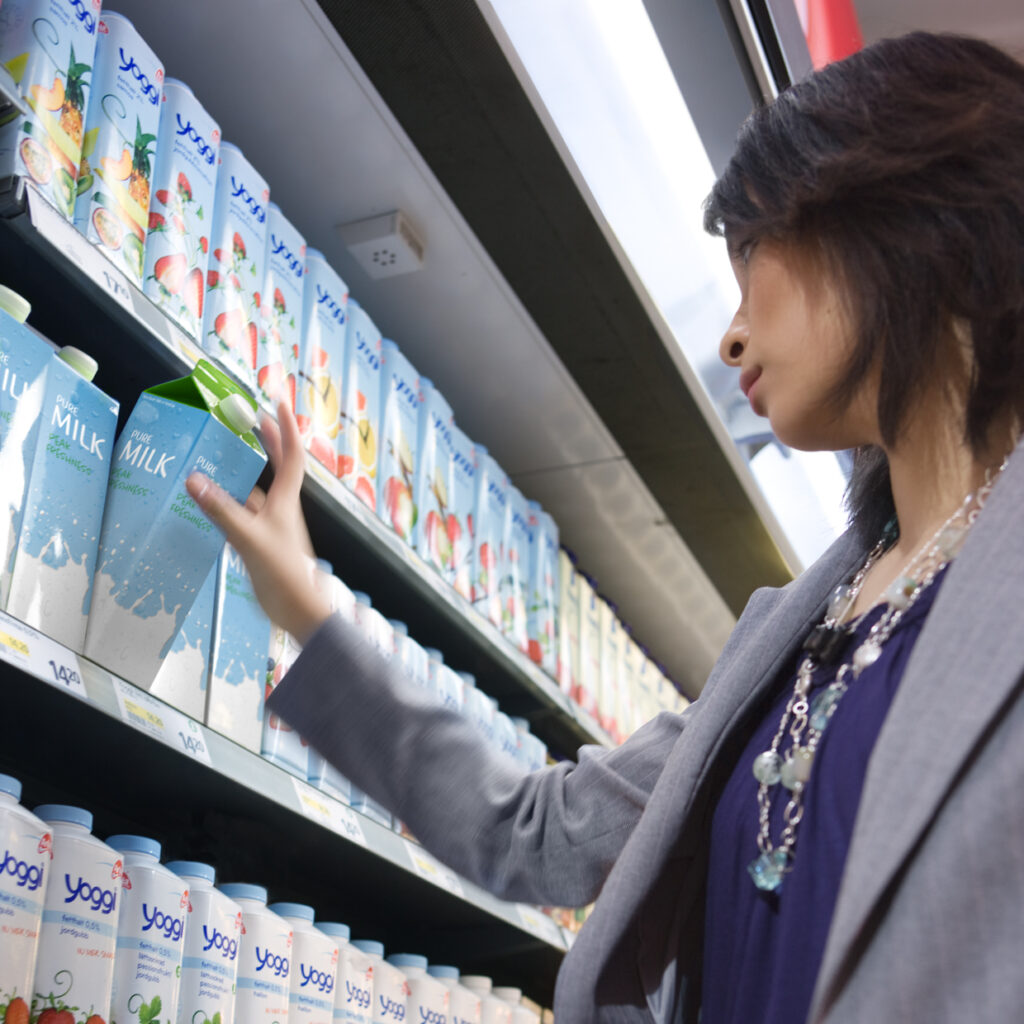
Around one third of food produced for human consumption is either lost or wasted. Responsible production and consumption is a major global challenge—but consumers and companies are rising to face it head on.
“35 percent of consumers say they’re choosing brands based on their sustainability credentials more now than they did before the pandemic,” Tetra Pak food technology specialist Randi Phinney said outlining the growing consumer commitment to sustainability.
To keep up with demand, companies have reimagined their production capabilities. From input to output, new products and materials need improved sustainable properties that can withstand everyday applications at a commercial scale—and continually circle within a production and consumption economy rather than exiting as waste or pollution.
This concept of the “circular economy” is key to finding sustainable food industry solutions today—and Tetra Pak takes it one step further. In their commitment to a low-carbon circular economy, Tetra Pak works towards implementing manufacturing processes that not only reuse and recycle materials, but also take into account the climate impact of raw materials and the manufacturing value chain.
Every day across the world, Tetra Pak packaging protects billions of liters of liquid foods for safe consumption, work the company cannot do alone. A core tenant at Tetra Pak is that the circular economy demands collaboration, which explains the company’s deep commitment to strategic partnerships. “You want to amplify your capability to innovate,” Paolo Scarabelli, Tetra Pak’s automation and digital director, said of the benefits of external cooperation.
Hear food technology specialist Randi Phinney expand on the low carbon circular economy.
0:00/0:00
Discover three examples of Tetra Pak’s collaboration with other players from different sectors in the food industry to learn how they represent the company’s future efforts towards a sustainable circular economy.
Exploring new materials for packaging
As part of the journey to create the world’s most sustainable food package, Tetra Pak is exploring how graphene composites can be used to make the next generation of equipment lighter and more energy efficient to reduce costs and energy consumption.
Hear strategic partnership manager Mats Qvarford outline Tetra Pak’s most important strategic goal.
0:00/0:00
Known for being one of the thinnest and strongest materials available in the industry, graphene has been identified as one of the most important future materials within commercial application. The European Graphene Flagship is a coordinated research consortium that gathers nearly 170 academic and industrial partners from 22 countries to explore different aspects of graphene and related materials.
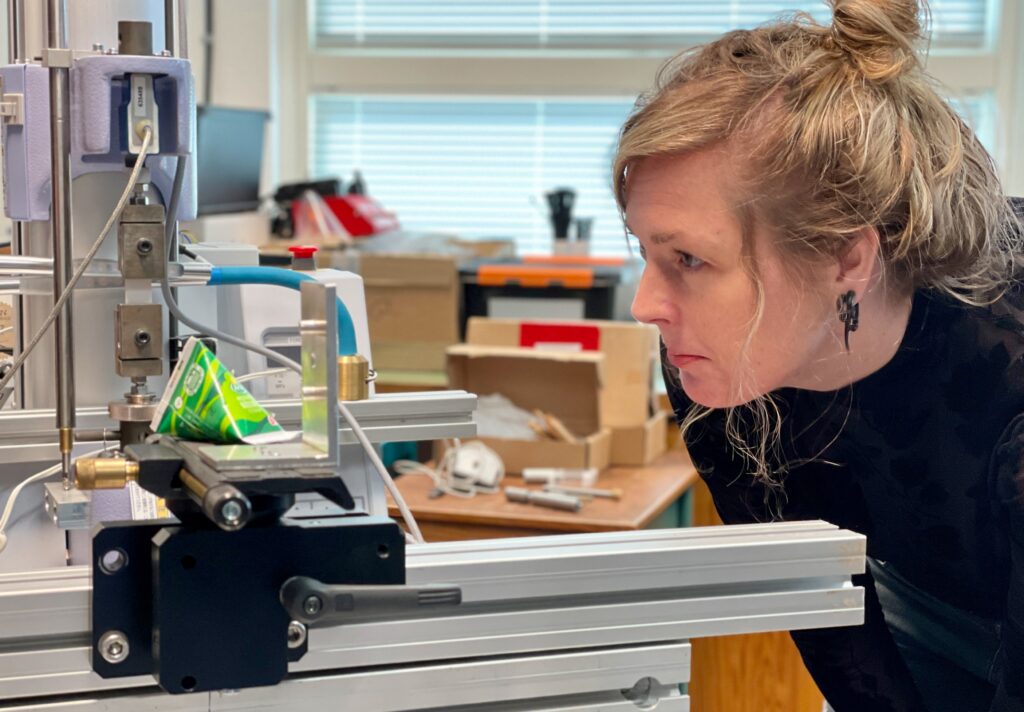
As the exclusive representative from the food and beverage packaging industry, Tetra Pak is leading research and development within the sector to explore graphene. “We are exploring specific properties of graphene to see how that can support our type of packaging,” Tetra Pak strategic partnership manager Mats Qvarford said of the work the company is able to tackle by leveraging the consortium’s research centers, experts, Nobel prize laureates and producers.
While Qvarford caveated that “there is a lot of work to be done,” graphene-based electronics and sensors have the potential to significantly impact the future of smart packaging. Ultra-thin flexible sensors made with graphene are smaller, lighter and less expensive than traditional sensors, and provide important data throughout production, retail and consumption.
Exploring new food sources for the future
Enzymes are naturally occurring, non-toxic biological molecules that have the potential to replicate and improve the roles normally played by energy intensive, chemical catalysts in food production. “Enzymes can also be used to turn food that is normally wasted into added value ingredients, thereby making food production processes more sustainable,” Phinney said. But enzymes are unstable and unpredictable, and harnessing their power to make food processing more sustainable has always been a challenge—at least until EnginZyme came along.
Hear food technology specialist Randi Phinney speak to Tetra Pak’s philosophy behind partnerships.
0:00/0:00
Tetra Pak’s collaboration with the Swedish startup began in 2019. EnginZyme had already begun to make significant progress in developing technology for increased sustainability of production processes, and turned to Tetra Pak to test and develop its technology with the food and drink industry’s needs in mind.
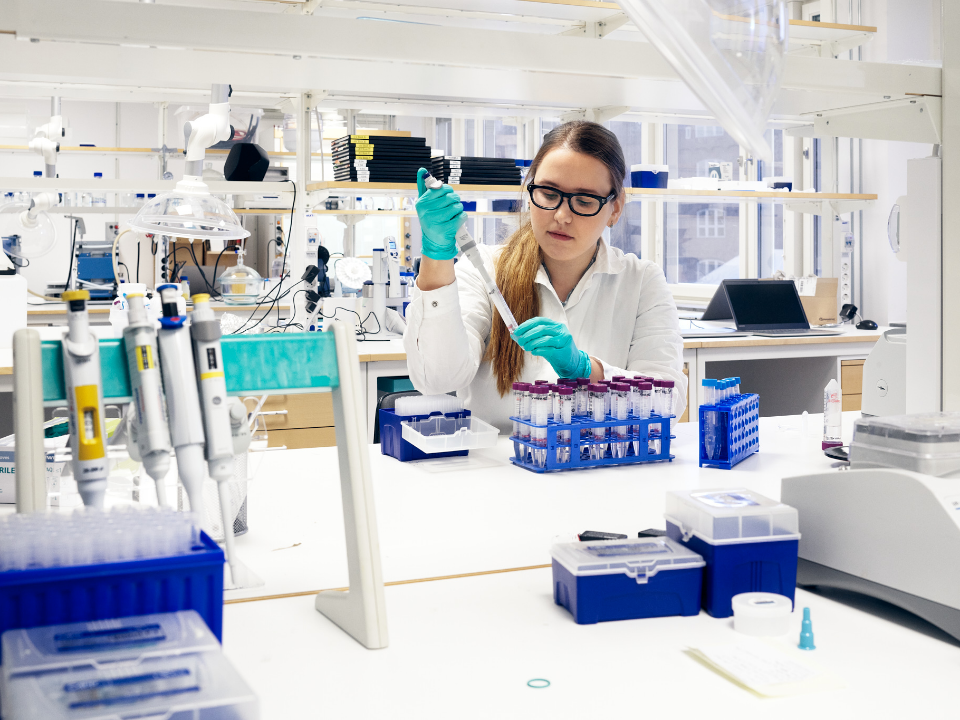
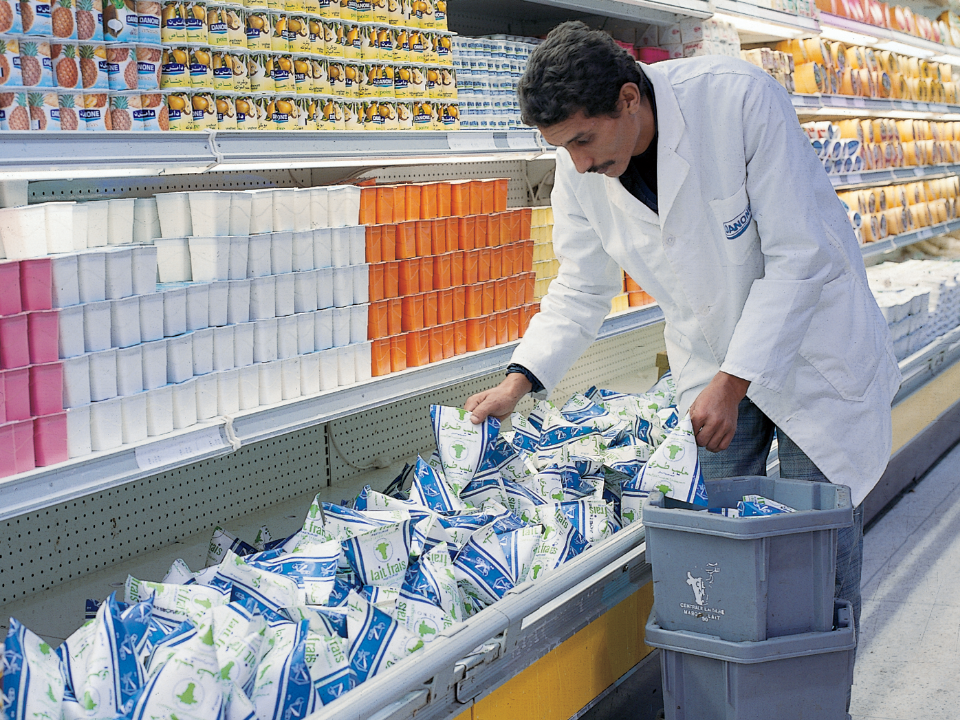
“By combining Tetra Pak’s food processing expertise with EnginZyme’s innovative enzyme technology, we are together expanding the applicability of enzymes in food processing,” Phinney said. “We’re exploring more sustainable ways to create added value ingredients from food that is normally wasted.”
One such added value ingredient could come from the conversion of the large volumes of acid whey produced from fresh cheese. With the help of EnginZyme’s smart enzymes, this huge amount of food normally wasted can be turned into fiber. Through this ability to make sustainable use of acid whey while managing and manipulating the process, Tetra Pak sees the possibility of a future circular economy in food.
A shared interest in human-machine interaction
Collaboration between industry and academia provide an opportunity to connect research to work and marketplace challenges, and Tetra Pak has several long-standing relationships with universities and world-class research groups. “To drive the development of sustainable food system and packaging, we must be on the forefront of research development that is relevant for our products and services,” Qvarford said. “What you in the past developed on your own…will now require cutting edge research.” Research that is being conducted at academic institutions.
One of Tetra Pak’s most valuable collaborations is with AlmageLab at the University of Modena and Reggio Emilia (UNIMORE). Research at the lab focuses on topics surrounding human-machine interaction like computer vision, pattern recognition, machine learning and artificial intelligence.
Hear automation and digital director Paolo Scarabelli explain how Tetra Pak is working to improve human-machine interaction.
0:00/0:00
In one core project, researchers from Tetra Pak and AlmageLab use cameras, wearable inertial sensors and AI driven 3D-modeling technology to get a clearer understanding of machine operators’ physical movements when working with different equipment. This information is then analyzed using advanced AI techniques to identify potentially unsafe or inefficient scenarios, or even those that could cause unnecessary strain.
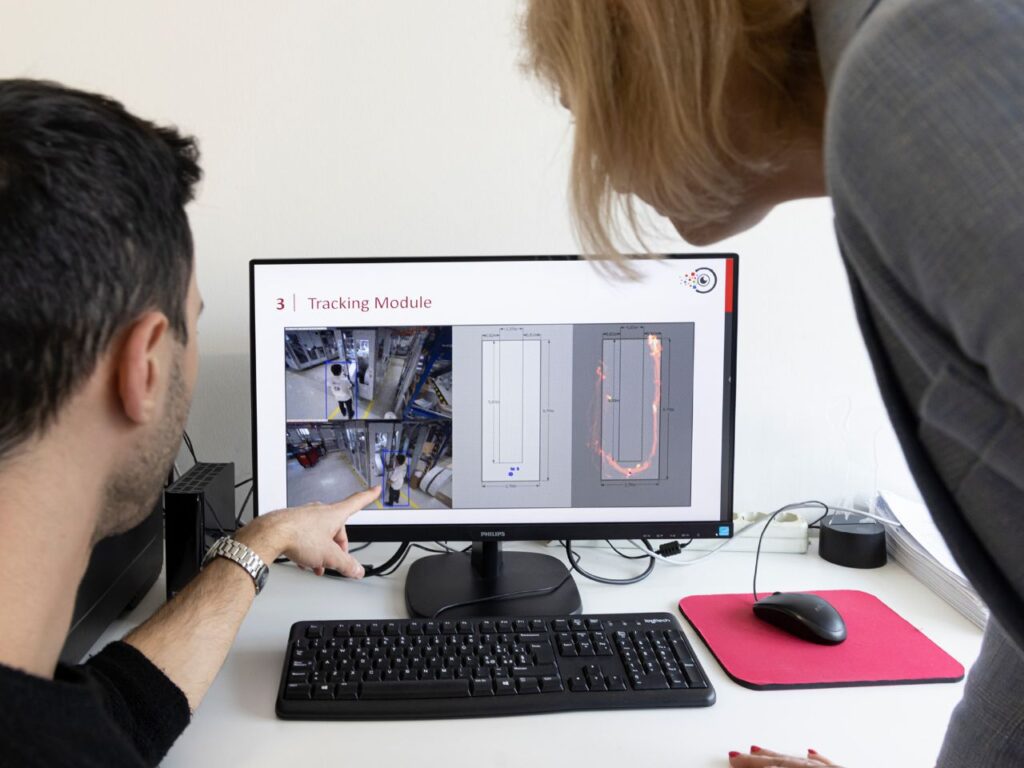
This research supports the design of machinery that is better tailored to the needs of human operators. The Tetra Pak-UNIMORE collaboration has the potential to inform future generations of food processing machinery. Still, the ultimate goal of the work, according to Scarabelli, is “to make our product better for the people who choose our products.”
Beyond better product, Tetra Pak aims to make the world better. “Tetra Pak would like people all over the world to have access to safe food of the highest quality,” Phinney said. And the company will continue to innovate, collaborate and work toward that ambition.
Learn more about how Tetra Pak is improving our global food supply chains of the future.
Credits: By WP Creative Group