Two DC institutions reach milestone anniversaries and celebrate decades of cultural impact
By NSO and WNO
October 9th, 2025
In the heart of the nation’s capital, two cultural powerhouses have helped shape a legacy built on artistry, expression and the power of live performance to bring communities together.
Since its founding in 1931, the National Symphony Orchestra has filled Washington, D.C. with the sounds of world-class symphonic music, while Washington National Opera, established in 1956, has brought grand opera to life on the city’s stages. Together, these institutions have not only elevated D.C.’s artistic profile but have also created a thriving cultural landscape that continues to inspire, educate and unite the community through the universal language of music.
This year, both institutions celebrate monumental anniversary seasons – the NSO’s 95th season and WNO’s 70th – and look towards the future of artistic innovation, cultural relevance and transformative performance.
Expanding orchestral horizons
In January 1930, around 2,000 Washingtonians gathered to hear the newly established National Symphony Orchestra perform for the first time. The Washington Post reported the evening’s concert was a “really splendid example of orchestral playing” that ended with a standing ovation from the audience.
Under the direction of its founding music director Hans Kindler, the orchestra played two more preliminary concerts that year, before establishing an official inaugural season in 1931. By the end of Kindler’s 18-year tenure, the NSO was playing close to 100 concerts each season and well on its way to becoming the internationally acclaimed National Symphony Orchestra known today.
“More than anything, I’m proud of the sum of the NSO’s history,” said executive director Jean Davidson. “We were founded during the Great Depression, so it’s a miracle that the orchestra even survived coming through the financial devastation of that period. Now we’ve been here through 17 U.S. Presidents, several wars, the Civil Rights Movement… We’ve been here through all of it.”
In 1971, the NSO played during the opening week of the brand new John F. Kennedy Center for the Performing Arts, then took up residency, eventually becoming an official affiliate in 1986. Since then, the orchestra has sought to reach beyond classical music audiences by pushing the boundaries of what an orchestral performance entails.
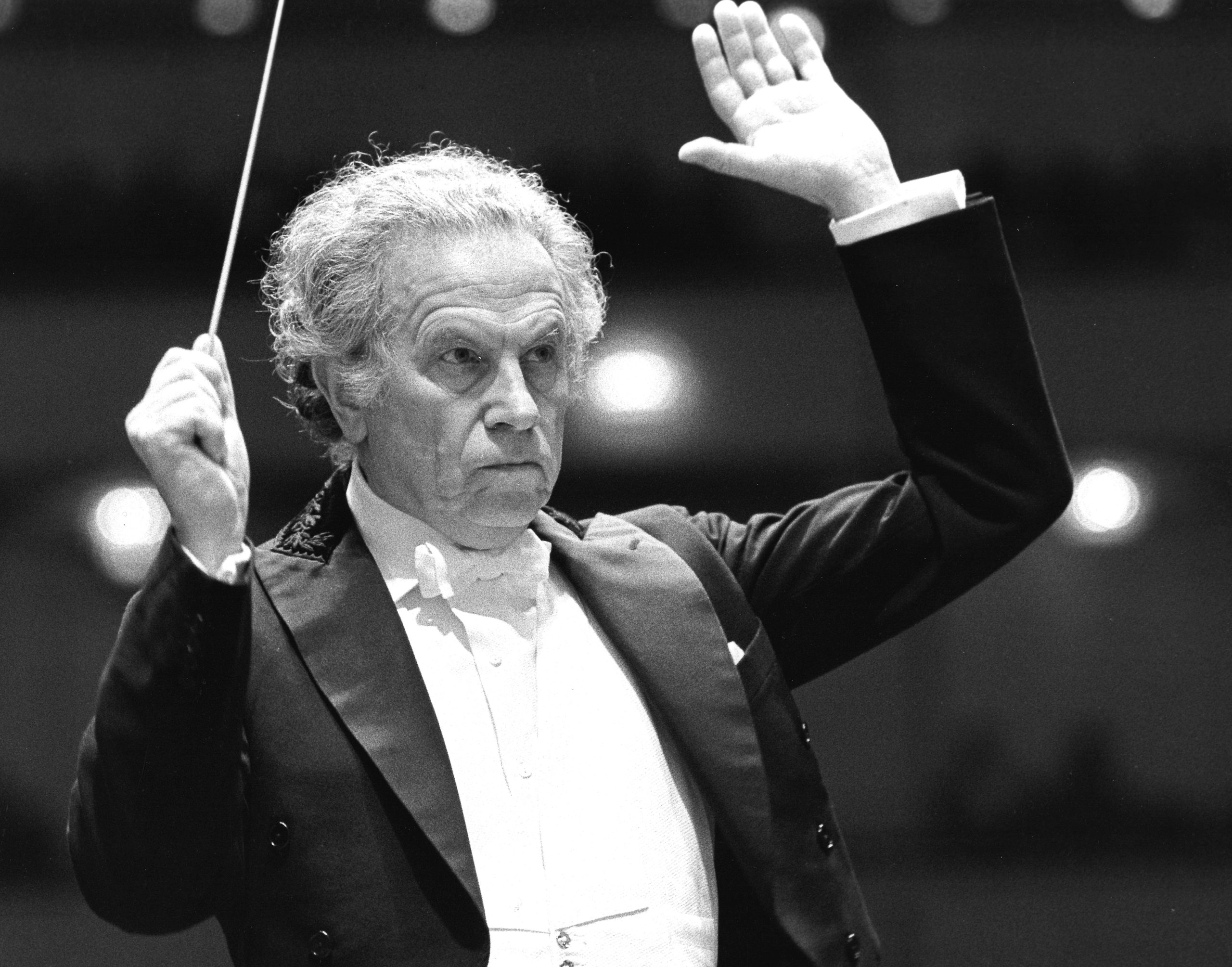
In 1993, the NSO launched the Summer Music Institute program, which provides performance opportunities and training to high school and college aged instrumentalists interested in pursuing a professional musical career. Each student attends SMI on a tuition-free scholarship, which covers housing and individualized instruction. Over its three decades, SMI has helped to boost the careers of more than 1,800 students.
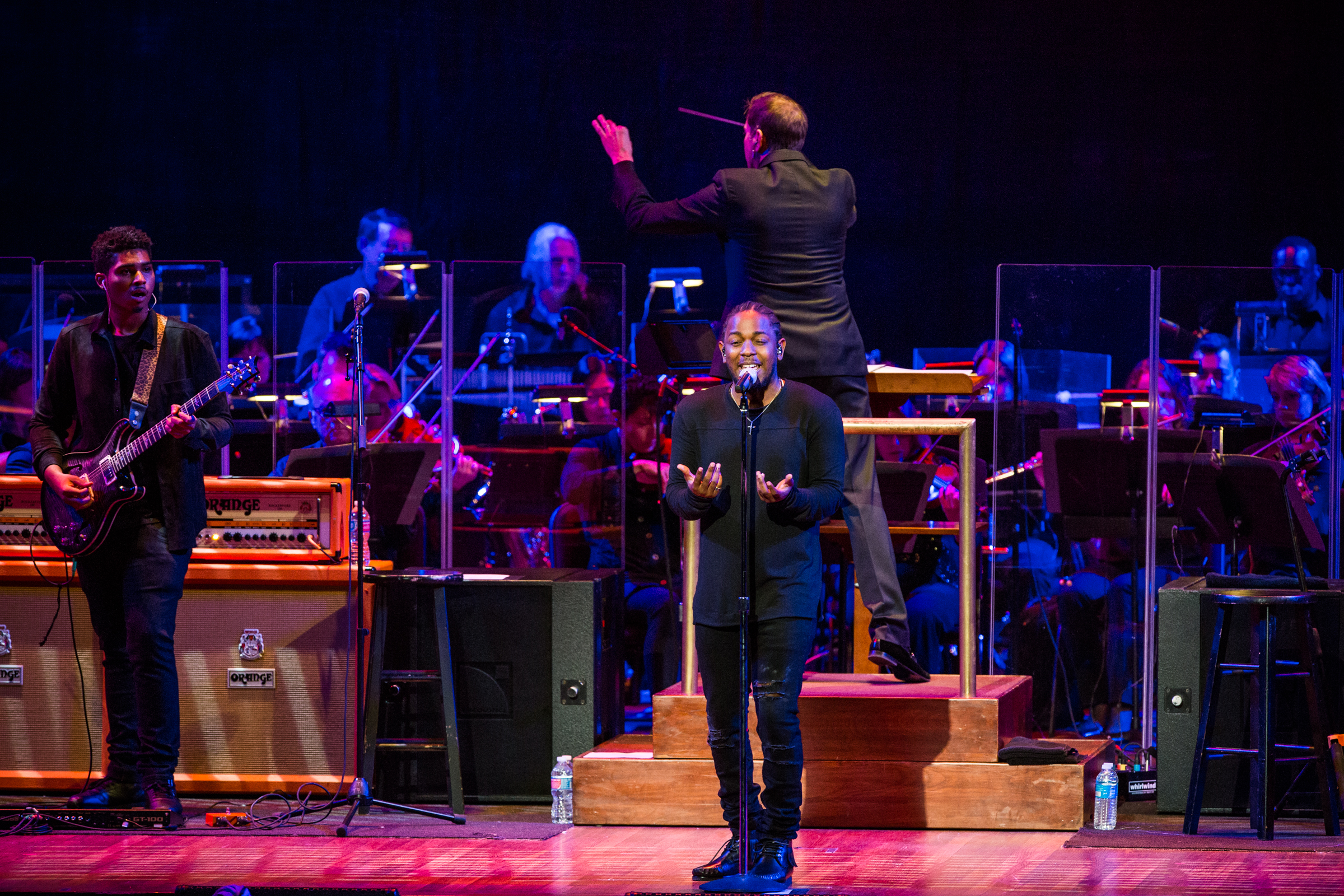
“The NSO has been really innovative working with artists from contemporary music platforms,” said Davidson. “We were the first orchestra to work with Kendrick Lamar, before his groundbreaking Pulitzer Prize win. Laufey, who is now very well-known, was in our Summer Music Institute program as a high school cello student a long time ago. We’ve taken a lot of pride in connecting with contemporary artists that bring in audiences that wouldn’t necessarily come to hear an orchestra, whether it’s country, hip hop, rap, gospel or alt-indie bands.”
For the 95th anniversary season, Davidson says the lineup is about celebrating both tradition and innovation. Audiences can look forward to 10 weeks of classics led by current music director Gianandrea Noseda, such as Giacomo Puccini’s Il Trittico, as well as the premieres of five commissioned works including one by Kennedy Center composer-in-residence Carlos Simon.
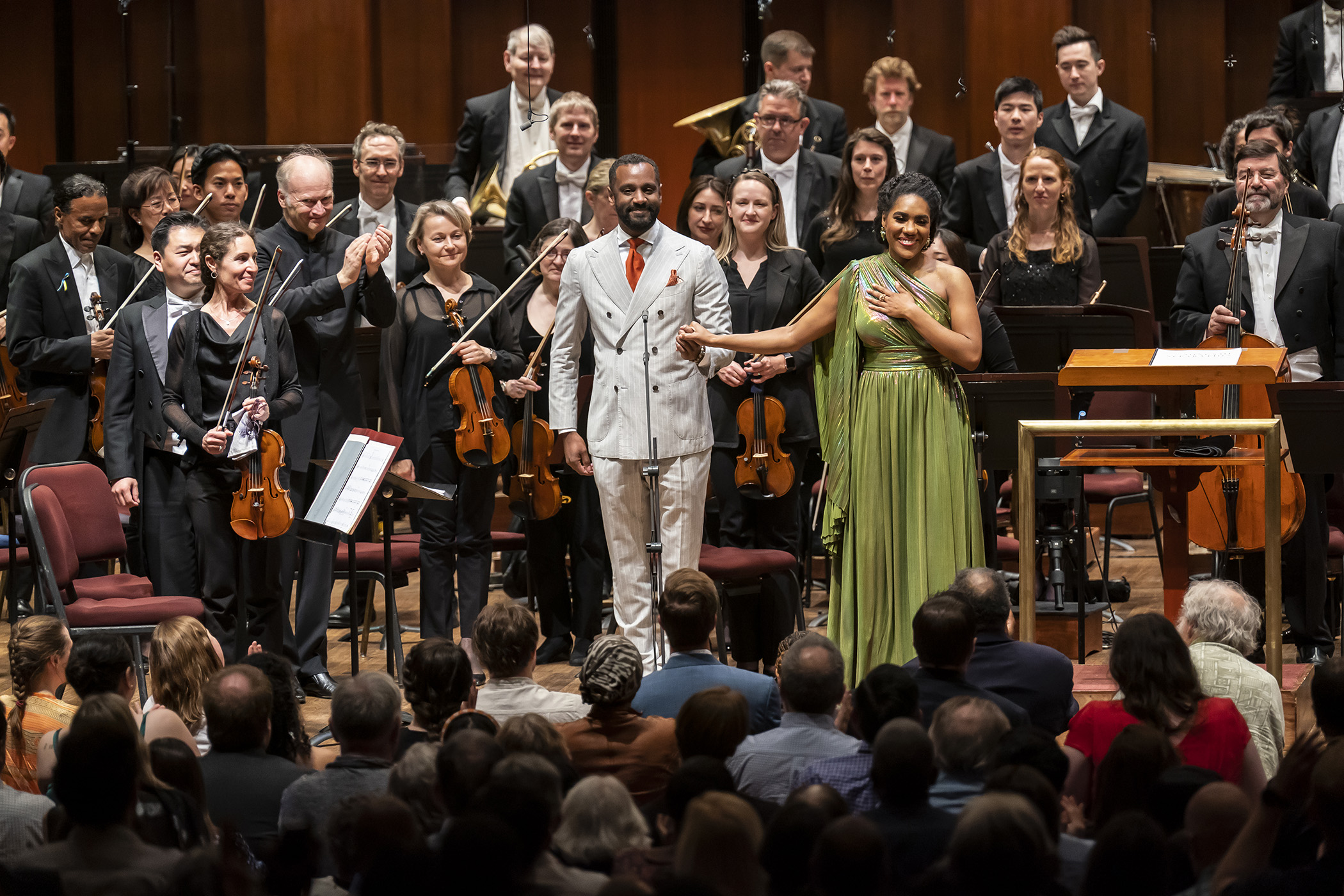
“One of the things I’m particularly excited about is our continued commitment to new work because it connects us directly to the ideas and lives of a living generation of composers,” said Davidson. “It’s a vital part of what keeps the orchestra evolving and relevant, and audiences will see that reflected throughout the season.”
The season will transition into a celebration of American music in February 2026 in honor of the 250th anniversary of the signing of the Declaration of Independence, featuring Conductor Thomas Wilkins and the world premiere of a new work by popular American composer Peter Boyer, accompanied by visuals from around the country by photographer Joseph Sohm.
Current NSO music director Gianandrea Noseda envisions this season as a way to honor the boundlessness of classical music, an art form that he believes has the power to bring people together.
“As we celebrate the National Symphony Orchestra’s 95th anniversary season, we are reminded that classical music belongs to everyone — it speaks to the heart, not just to the expert,” Noseda said. “You don’t need to know every note to feel its power. This season is a tribute to that universality, inviting everyone to experience the depth, emotion and timeless beauty of this art form.”
Championing the voices shaping opera’s future
As the NSO continued to gain a reputation in the 1950s, another group of artists set out to establish a lasting culture of musical appreciation in the nation’s capital. Founded in 1956, Washington National Opera – then called the Opera Society of Washington – debuted its inaugural performance in George Washington University’s Lisner Auditorium.
“This was before the Kennedy Center and before there was this breadth of cultural life in Washington like there is today,” said general director Timothy O’Leary. “The company began as the civic vision of a group of Washingtonians and opera lovers, and it really was a shoestring operation at first. They mounted the first production with borrowed sets and costumes.”
Even so, the performance was a success and a spark had been ignited. A 1956 quote from the Washington Star hinted at the possibilities of bringing opera to the nation’s capital: “If it is the success it should be, we may yet see a local operatic musical organization which can favorably be compared to any in the world.”
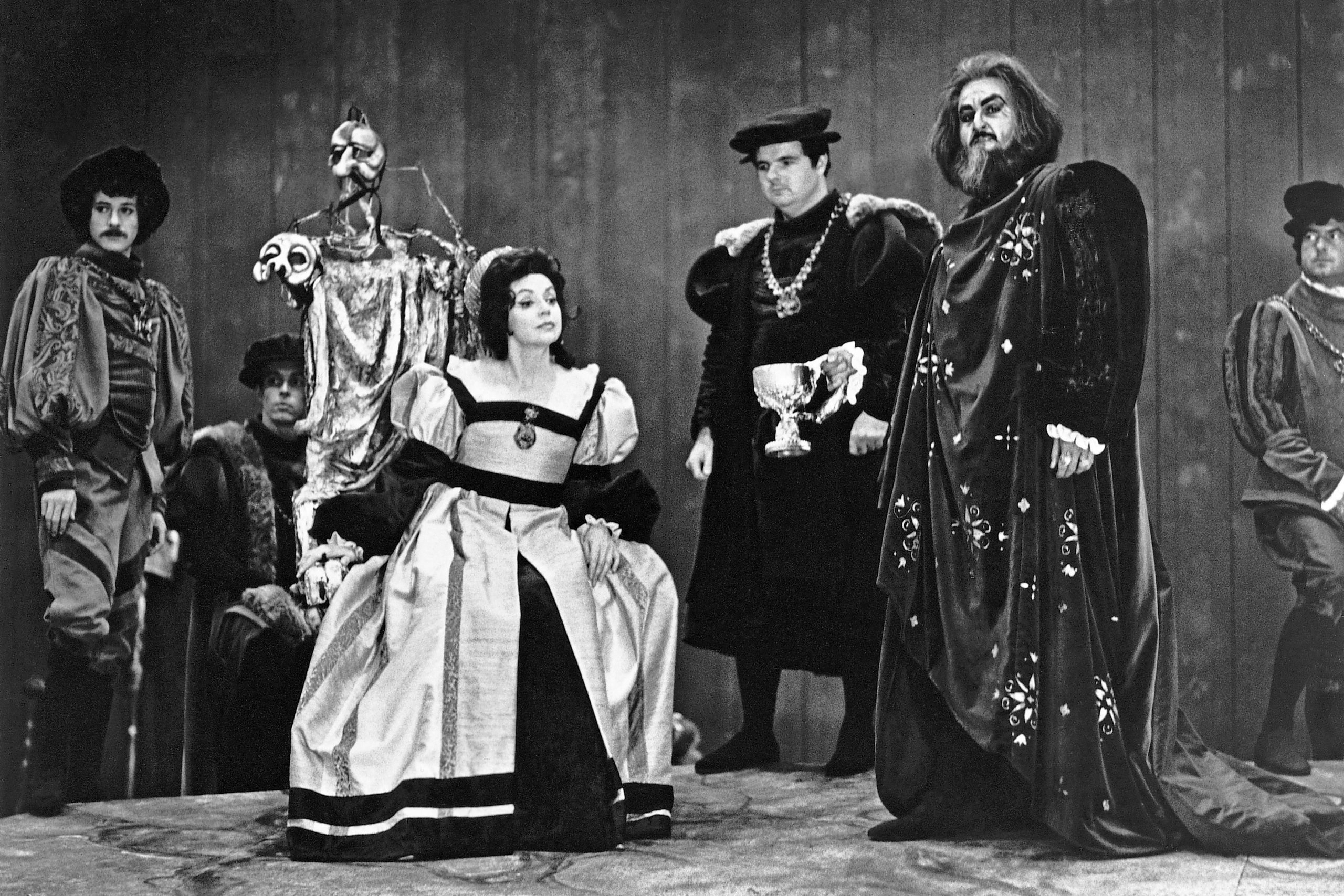
For the first two decades, the opera continued as a grassroots, community-driven effort that relied heavily on volunteers, community donations and partnerships. Each production had to be conceived and financed one by one. Joining the Kennedy Center as a resident company in 1971 marked a turning point, giving the company more visibility and access to a world-class performance venue.
Seventy years later, Washington National Opera is one of the leading opera companies in the United States. Artistic Director Francesca Zambello says she is especially proud of the company’s fierce commitment to developing and showcasing fresh American talent, alongside international guests.
In addition to welcoming the best performers, WNO has also focused on creating new repertory. Started in 2012, WNO’s American Opera Initiative has commissioned more than 45 new operas, several of which have gone on to be performed across the country. These new works are tailored to showcase members of WNO’s Cafritz Young Artists program, a training program for artists on the verge of international careers. Combined, these two programs have helped establish WNO at the Kennedy Center as a launching pad for hundreds of American artists.
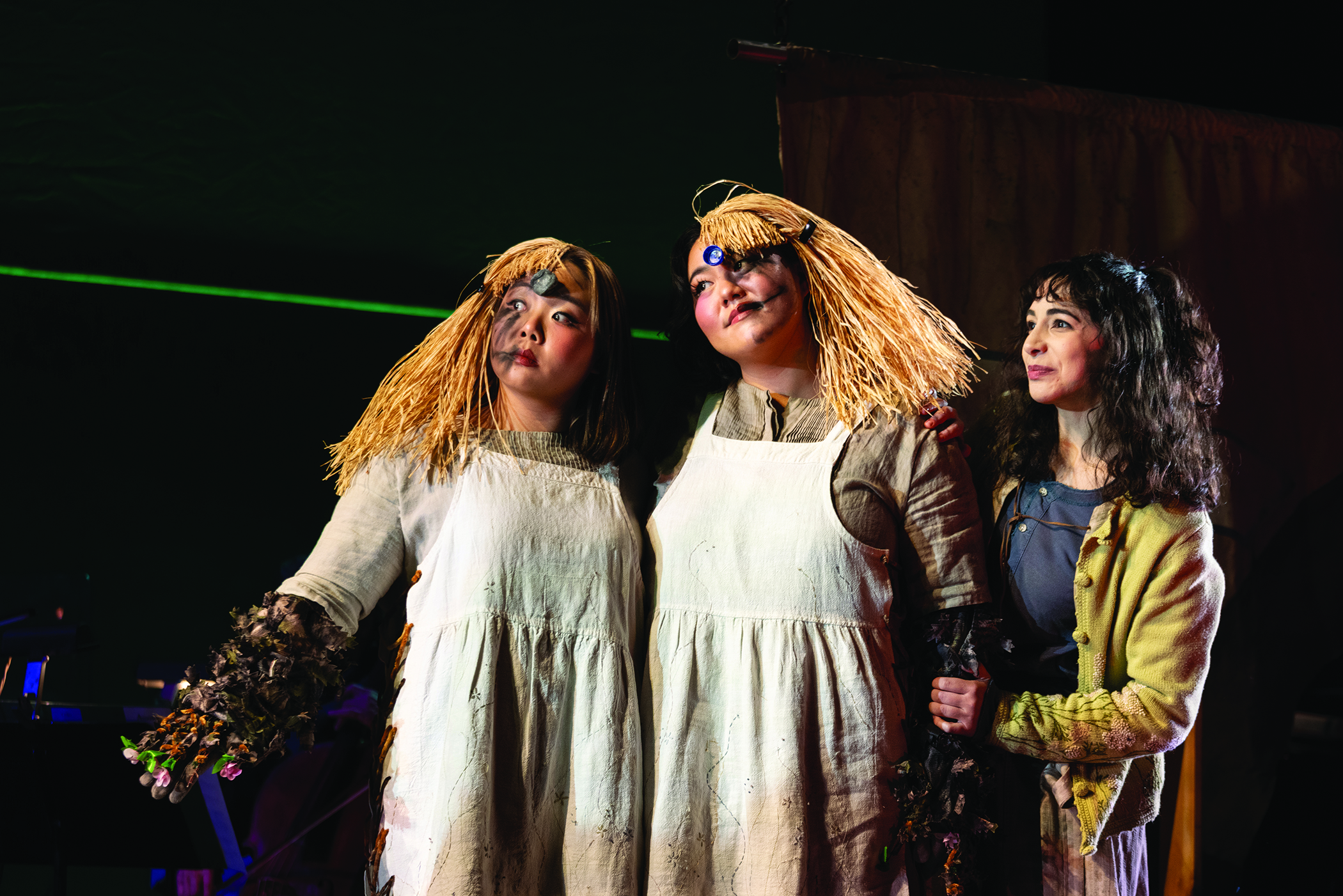
“National is in our title, so it makes sense that we commission many new works with connection to American artists,” Zambello said. “In addition, because the AOI operas are short and approachable, they have encouraged our audience to give new opera a try, and they have created a real hunger for American work in our seasons.”
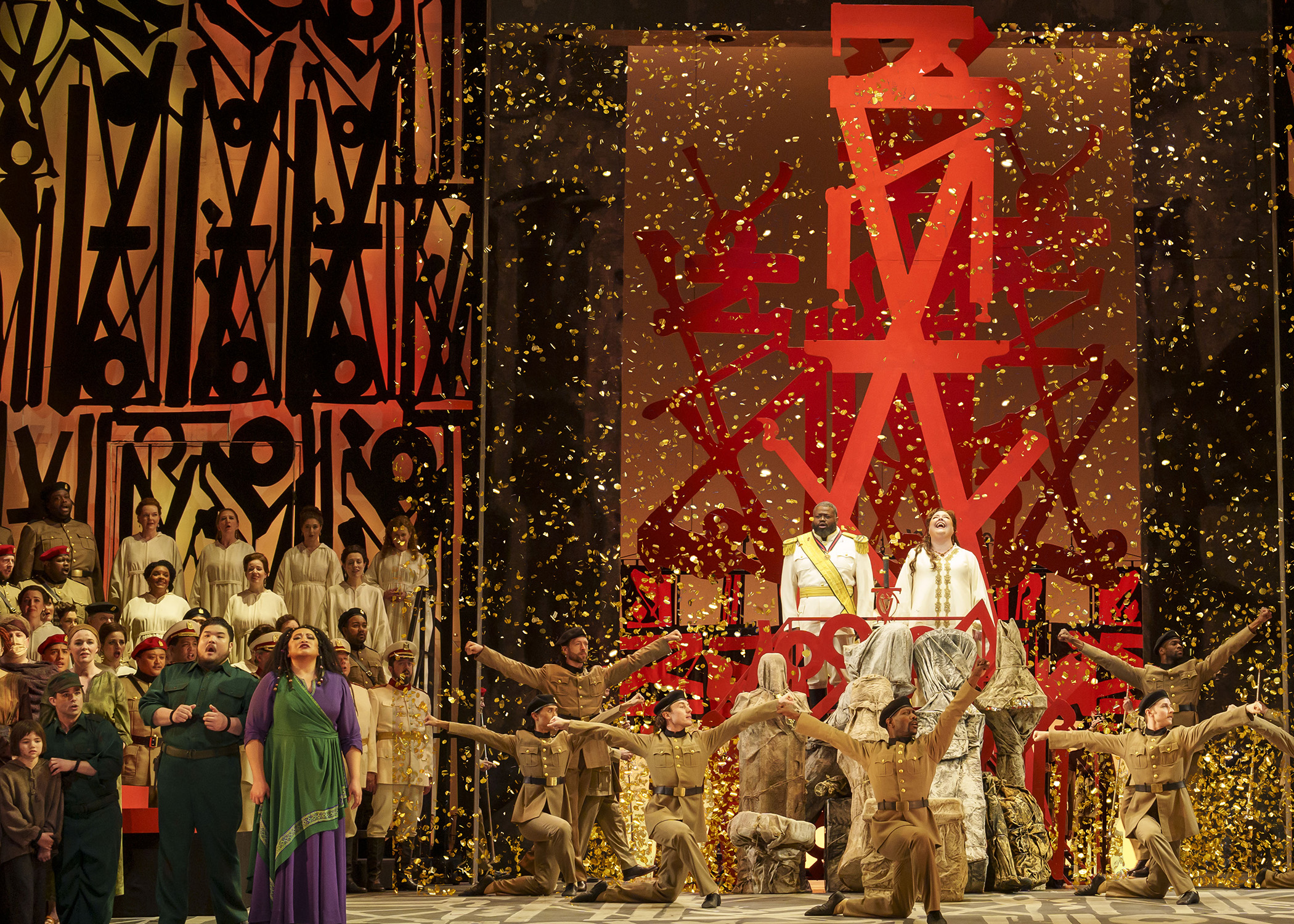
In honor of WNO’s 70th anniversary, the opera is presenting an expanded season of five main-stage productions, including two past favorites — Aida and The Marriage of Figaro. In celebration of the 250th anniversary of the United States in 2026, the company will present a world premiere production of Scott Joplin’s Treemonisha featuring new orchestrations, as well as The Crucible and West Side Story. The holidays bring the return of the family opera The Little Prince.
Continuing a legacy of excellence
Monumental anniversaries such as these often bring to mind thoughts of the future. After decades of fostering a cultural appreciation for top-tier musical performances in D.C., both the NSO and WNO are rooting their next steps in continued innovation and reaching even more communities with their work.
“Opera artists are deeply committed to this form of expression and gathering people in the community,” said O’Leary. “We’ve been here for 70 years upholding this ideal of beauty, and that’s thanks to WNO’s tremendous partnership with our community. The reason for the accessible ticket pricing is that performances are funded by donors who are passionate about sharing the arts with everyone.”
“There’s this outdated idea that orchestral concerts are formal or exclusive, but the truth is, we want the widest range of people to feel welcome and inspired by what we do,” said Davidson. “This music has the power to move anyone, and our hope is that the Concert Hall feels like a space where all are invited to experience that.”
This year, join the celebration and legacy of these distinguished institutions by attending a performance and witnessing history as it unfolds. For information about WNO and NSO performances and community events, visit kennedy-center.org for the complete schedule.
CONTENT FROM
This content is paid for by an advertiser and published by WP Creative Group. The Washington Post newsroom was not involved in the creation of this content.