The Commonwealth Project pioneering medical cannabis access for seniors
Relief from common aging ailments and millions of dollars in cost savings if medical marijuana was legal nationwide.
By Marylou Sudders, former Secretary of Health and Human Services of Massachusetts & Michael Zinner, M.D., a world-renowned cancer surgeon and researcher
June 11, 2024

There are roughly 56 million adults ages 65 and older in the United States today, or 17 percent of the population—an unprecedented number driven by aging Baby Boomers. By the end of this decade, the U.S. Census Bureau projects the total to grow by another 17 million older adults.
With this explosive growth in older adults will come significant Medicare spending, testing an already deeply stressed system. One big driver: powerful prescription drugs, including opioids, which sometimes don’t work as intended, can have unwanted side effects, and can be expensive and highly addictive.
Today, thirty-eight states, the District of Columbia, and four territories have state-level laws that allow the use of medical marijuana. In fact, in states where marijuana is legal, doctors prescribed an average of 1,826 daily doses of painkillers per year to patients enrolled in Medicare Part D. At this rate, if access was legal nationwide, prescribing medical marijuana instead of painkillers would result in a cost savings of up to $500 million per year.
White House officials, Congress, budget-makers at all levels of government—and a multitude of others including hospitals, health care experts, economists, academics and aging specialists—have been analyzing this historic generational bubble and its impacts across society.
So has Howard Kessler.
Kessler, a well-known entrepreneur, is also an extraordinarily generous Boston and Palm Beach-based philanthropist. Throughout college, Kessler worked as a shoe salesman, and later founded Kessler Financial Services, pioneering now-ubiquitous affinity credit cards which provides credit card strategies for major financial service providers worldwide. He secured one of the early Massachusetts medical marijuana licenses in 2014 and was the first to sell recreational marijuana in the state before his company was acquired by a Georgia marijuana firm in January 2019.
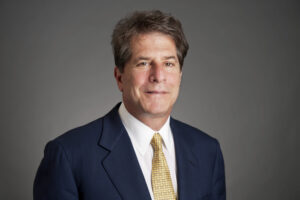
Kessler’s visionary ideas have made him a formidable force—energy he is now pouring into a major humanitarian cause.
Over the last five years, he has spent millions of his own money developing a concept that will improve the health and enhance the lives of seniors across the nation.
Kessler, passionate about his initiative named The Commonwealth Project (TCP), is determined to see that seniors receive compassionate care through cannabis-based therapies.
He is proposing a demonstration in Massachusetts to address a glaring hole in the medical cannabis market: a lack of credible research aimed at seniors. Research is needed to ensure safe, consistently dosed, accurately labeled products for seniors coping with common ailments of aging like anxiety, depression, sleep disorders, chronic pain and nausea from cancer treatment. For the roughly 1.2 million older adults in Massachusetts, this newly acquired data could provide critically needed healthcare guidance for their health care practitioners and safely shape the medical marijuana marketplace.
Doctors are currently prevented from “prescribing” medical cannabis products for their patients because of its status as a Schedule I drug (like heroin), despite studies showing that many U.S. physicians believe it can be therapeutic.
In the meantime, cannabis companies in states that have legalized marijuana sales and use are filling that void—offering tips to seniors about formulations and doses and creating and marketing products with no meaningful research into the effects on older consumers. This and the proliferation of dubious online information means seniors have no trusted place to turn for credible clinical guidance—leaving them to the advice of friends, neighbors or an untrained salesperson working at a local dispensary.
“It’s clear that the present circumstances are unacceptable,” said Kessler. “Our seniors are in the dark about the safe and effective use of medical cannabis—a legal substance in 38 states, the District of Columbia and four territories that has shown promise in treating the symptoms of chronic disease.
“The humanitarian goals of the Commonwealth Project initiative align with the Biden Administration’s objectives of recommending the rescheduling of cannabis and promoting research into cannabis-based therapies and helping develop protocols for the safe and effective use of these therapies,” said Kessler.
“It also perfectly aligns with the mission of the Centers for Medicare and Medicaid Services (CMS), which is seeking to strengthen and modernize the nation’s healthcare system and provide access to high-quality care and improved health at lower costs for older adults 65 years and older,” said Kessler.

Our nation recognized the heightened and lethal risk seniors faced during the pandemic and prioritized care and vaccinations. That same focus must be renewed.
Under Kessler’s initiative:
- The Commonwealth Project seeks to engage with a healthcare payer-provider system operating in Massachusetts, such as Medicare Advantage, to participate in providing a demonstration in a state that allows for medical cannabis to activate actions such as research into cannabis-based therapies and developing protocols for the safe and effective use of these therapies.
- The pilot would deepen valuable insights and gather real-world data over the next nine months to a year on the treatment diagnosis, usage patterns, dosing protocols and efficacy of medical cannabis among beneficiaries aged 65 and older. Data that would be used to develop clinical guidance, provide education and support to clinical providers and collect anecdotal data from patients using medical cannabis.
- These data and insights would be made available to the Centers for Medicare and Medicaid Services (CMS) and other interested healthcare-focused state and federal regulatory and oversight agencies on the benefits of medical cannabis on the 65+ population and the need to incorporate it into their medical care.
In October 2022, President Biden asked the Department of Health and Human Services (HHS) to review how marijuana is classified and on August 29, 2023, HHS formally recommended to the Drug Enforcement Agency (DEA) that cannabis be rescheduled under the Controlled Substances Act, citing that marijuana has a currently accepted medical use in treatment for pain, anorexia related to a medical condition, nausea and vomiting (chemotherapy-induced). On April 30, the Department of Justice confirmed that the Attorney General circulated a proposal to reclassify marijuana from Schedule I to Schedule III, eventually initiating a formal rulemaking process as prescribed by Congress in the Controlled Substances Act.
Rescheduling would still include a requirement that cannabis products obtain FDA approval before they could be sold—a process that historically takes many years and would result in safe but unnecessarily costly cannabis-containing drugs. In the meantime, seniors will remain at risk from a medical, regulatory and research establishment that is failing them. The Commonwealth Project offers an alternative that will yield actionable real-world data that seniors can rely on in the interim.
Kessler says that now is the time to seize the moment to radically revolutionize the senior medical cannabis landscape. And Massachusetts—an internationally recognized epicenter of life sciences, academic medicine, health care research and innovation—is a place to start.
“My initiative seeks to provide greater access, comfort, guidance and respect for our seniors, who deserve nothing less, said Kessler.”
Learn more today at: www.CommonwealthProject.org.
The content is paid for and supplied by advertiser. The Washington Post was not involved in the creation of this content.
Content From