To aid the world’s children, flexibility is key
For UNICEF’s supporters, unrestricted giving creates a legacy of impact that spans generations.
By WP Creative Group
May 6, 2025
What does it take to protect children in a war zone?
That dire question is what drew UNICEF to Cambodia in 1973, when the organization opened its first local office there and began working to help heal a nation in the throes of a decades-long humanitarian crisis. As recently as 1992, Cambodia’s under-five mortality rate was among the East Asia region’s highest. For every 1,000 live births, 116 children would die before their fifth birthday. Today, that number has dropped by more than 75 percent, turning a place decimated by war into a beacon of hope.1
This achievement, 50 years in the making, required holistic investment across multiple sectors, from promoting hygiene, nutrition and social protection services to building a pipeline of skilled birth attendants and midwives to improve antenatal and postnatal care. UNICEF’s longtime presence in the country laid the groundwork for those changes, but this success would not have been possible without unrestricted funding — a UNICEF funding pool that is not tethered to a specific region or project but which is available to be deployed when and where it is needed most. According to Kieran O’Brien, UNICEF’s chief of global philanthropy, that flexibility is essential in places like Cambodia, where protecting children means building new systems from the ground up.
“It’s about creating a legacy of positive change that spans generations,” he said.
“Unrestricted funds enable us to reach children in areas that might not make headlines but that have critical need.”
– Michele Walsh, executive vice president and chief philanthropy officer, UNICEF USA
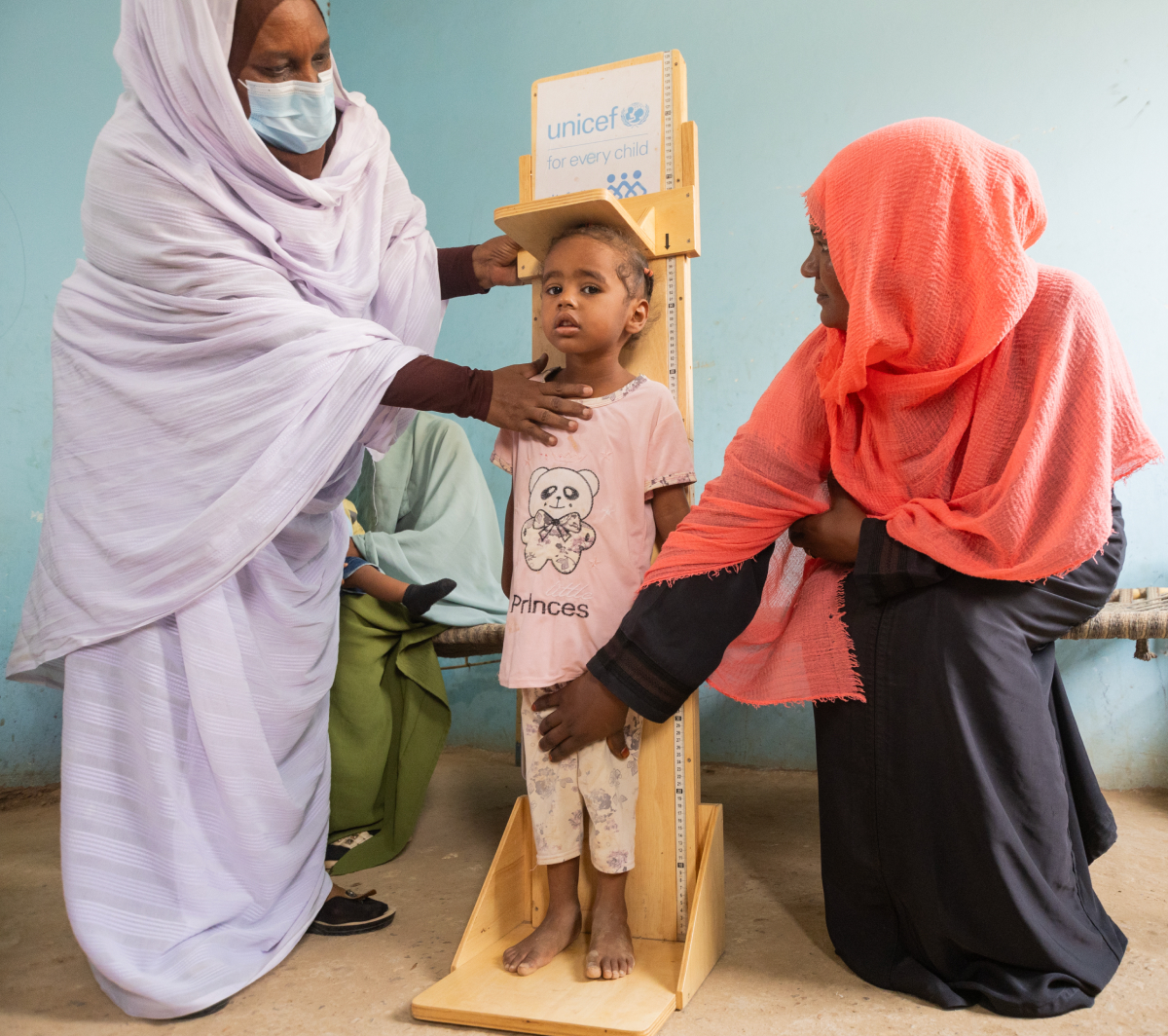
A young patient is measured at a UNICEF-supported mobile clinic in Adama, Sudan.
Reduction in under-five mortality is a crucial component of the U.N.’s Sustainable Development Goals, which include commitments to end extreme poverty, expand education access and safeguard the environment by 2030. UNICEF’s work in Cambodia to improve every aspect of children’s lives is an example of a holistic program that will ensure the world meets those goals. Without unrestricted giving, such ambitious undertakings are simply impossible.
“Unrestricted funds are UNICEF’s most important, most effective and most valuable tool to help children worldwide, because they’re able to be deployed when and where they’re needed most,” said Michele Walsh, executive vice president and chief philanthropy officer at UNICEF USA. “Critically, these funds are flexible, allowing UNICEF to quickly and effectively pivot and adapt its support as the needs of communities change, which can happen quickly especially in humanitarian situations.”
Unfortunately, UNICEF’s access to unrestricted funding is declining. In 2023, just 18 percent of the organization’s funding was fully unrestricted, with the remaining 82 percent being earmarked.2 Although earmarked donations are important, they often expire after a single project is complete, making decades-long commitments like UNICEF made in Cambodia harder to realize.
And earmarked funding is not always tied to the regions where it’s needed most. Nearly half of the organization’s earmarked resources are reserved for just ten countries, forcing UNICEF to stretch its unrestricted funds to fill the gaps in the rest of the world.3
“Unrestricted funds enable us to reach children in areas that might not make headlines but that have critical need,” said Walsh. “They help millions of children survive out-of-the-spotlight food and drought crises, as well as outbreaks of diseases like cholera or measles that rarely make it into the headlines.”
A small investment lifts children from poverty
Carla Haddad Mardini, UNICEF’s global director of private sector partnerships and fundraising, believes the increase in earmarked funding is partly due to the desire of influential donors to see tangible results in the short-term. Although such results are laudable, they rarely create the structural improvements necessary to sustain change in the long-term. Relying solely on earmarked funding, she warned, “puts UNICEF at risk of becoming a project-based organization rather than fulfilling its mandate,” which is to be an advocate for the world’s children and to help them meet their basic needs.
When speaking to donors, Mardini presents unrestricted funding as, “the lifeblood of UNICEF’s operations.” These funds allow UNICEF to reduce transaction costs, respond to emergencies and create sustainable systems that continue to yield positive results decades down the line.
For donors who expect their money to have an immediate, tangible impact, unrestricted funding can provide that as well. In Montenegro, for instance, UNICEF used its unrestricted funds to markedly improve the lives of children across the country in a very short time. Child poverty was widespread and multidimensional in the small Balkan country before the COVID-19 pandemic, with 32 percent of the nation’s children living in poverty. When the pandemic halted tourism — a key source of revenue for this sunny, coastal country — conditions grew even worse.
“By supporting unrestricted funding, donors enable UNICEF to deliver integrated solutions that maximize impact, drive sustainable development, and ensure that children everywhere benefit.”
– Carla Haddad Mardini, global director of private sector partnerships and fundraising, UNICEF
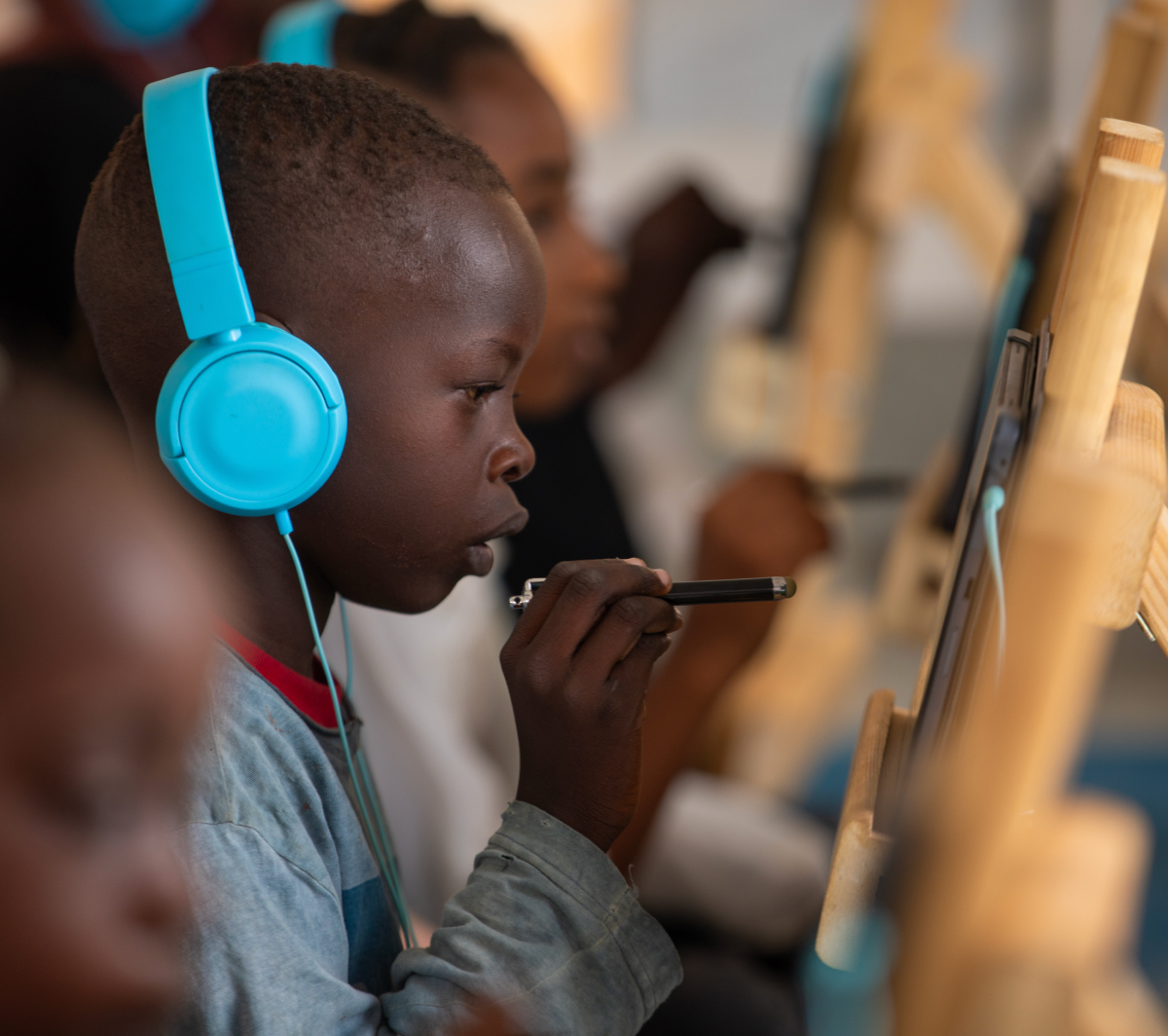
An e-learning center at an internally displaced people’s gathering point in Port Sudan.
The issue took center stage during the country’s 2020 elections, which enabled UNICEF to seize what Mardini called “a historic window of opportunity.” Thanks to $200,000 of unrestricted funding, UNICEF was able to act quickly, assembling a team of social policy and advocacy experts to create a data-driven advocacy plan to build a safety net for the nation’s children. The organization used its unrestricted funding to campaign for an expansion of Montenegro’s children’s allowance program, a monthly benefit to children. Armed with data and evidence, UNICEF was able to advocate for the government to expand the program.
The result was a €48 million program invested in annually that provides a monthly cash transfer of €30 to all children under 18. The program helped lead to a record-breaking reduction of the national child poverty rate, now the lowest in its history despite the economic shocks of the pandemic’s halted tourism. And from UNICEF’s perspective, it was a bargain. Inspiring a €48 million initiative with an investment of just $200,000 of unrestricted funds is a 240x return — and it’s one whose benefits will be felt for decades. It’s estimated that for every dollar invested in the program, it will generate $10 for the Montenegrin economy.4 Thriving national economies foster regional stability and strengthen the global economy — creating a safer, more prosperous world where children everywhere can thrive.
“We collaborated with the World Bank to provide the government with necessary evidence and assessments of various cash transfer options,” Mardini said. “This allowed us to transition from targeted cash grants to a universal child allowance, reaching nearly all children in the country.”
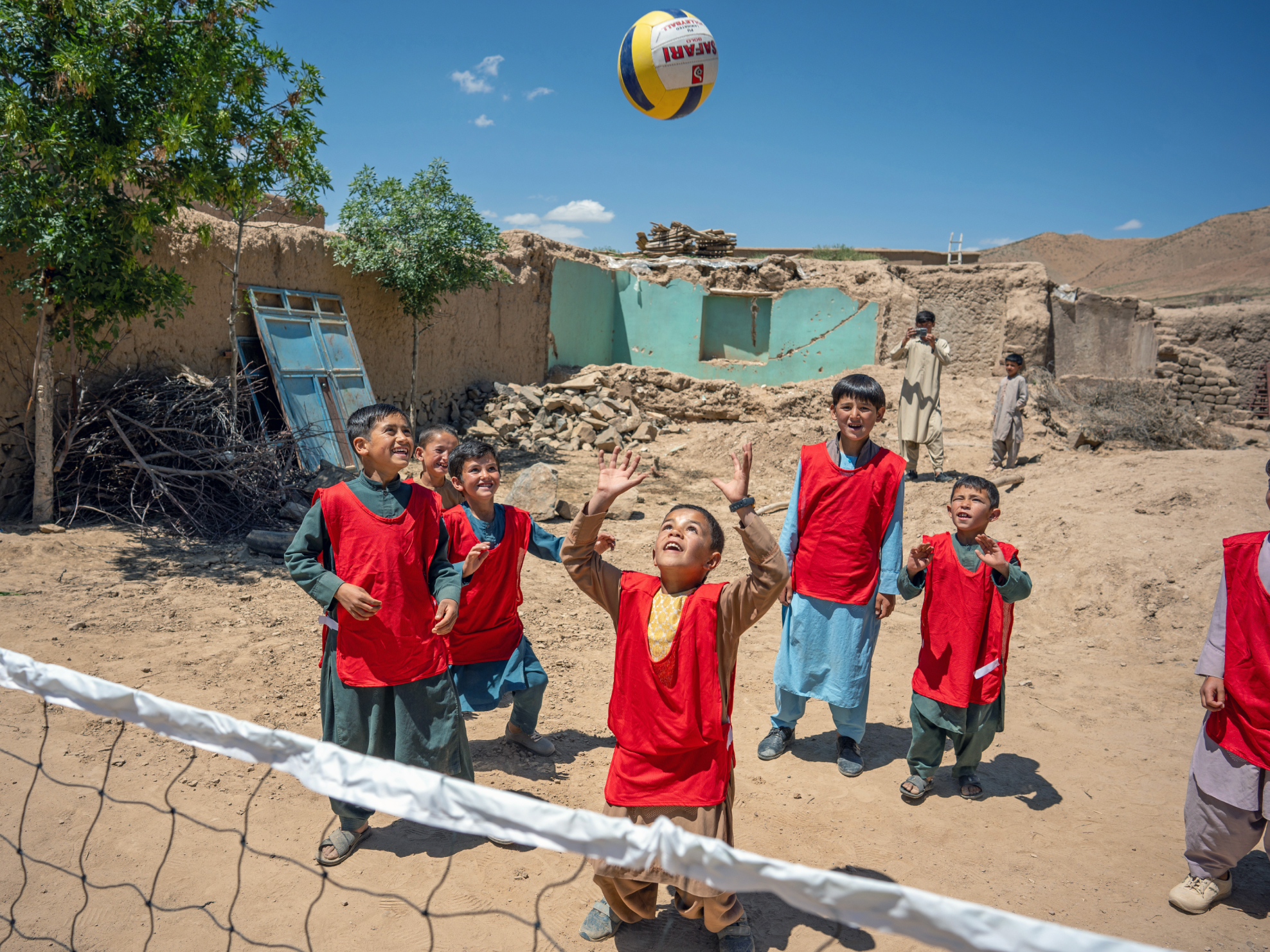
The need for flexibility
Montenegro is just one example of the power of unrestricted funding. Others include UNICEF’s support of a program to train social workers in Ethiopia to provide social services for nearly 600,000 children. UNICEF has also expanded vaccine access in Tunisia and funded sanitation loans in West Africa. The organization has successfully lobbied for education reforms in Bangladesh, creating a more gender-inclusive school system in one of the world’s most populous countries. All of this work required unrestricted funding to succeed.
“By supporting unrestricted funding, donors enable UNICEF to deliver integrated solutions that maximize impact, drive sustainable development, and ensure that children everywhere benefit,” said Mardini. UNICEF plans to build on these successes and continue to find new solutions for whatever challenges lie ahead.
Walsh calls on the world’s most visionary governments, organizations and individuals to leave their mark by investing in unrestricted funding, which is the single best way for UNICEF to create progress that lasts. “When partners give unrestricted funds,” she said, “they’re not just funding a project or program — they’re investing in UNICEF’s capacity to shape a better future for children worldwide.”
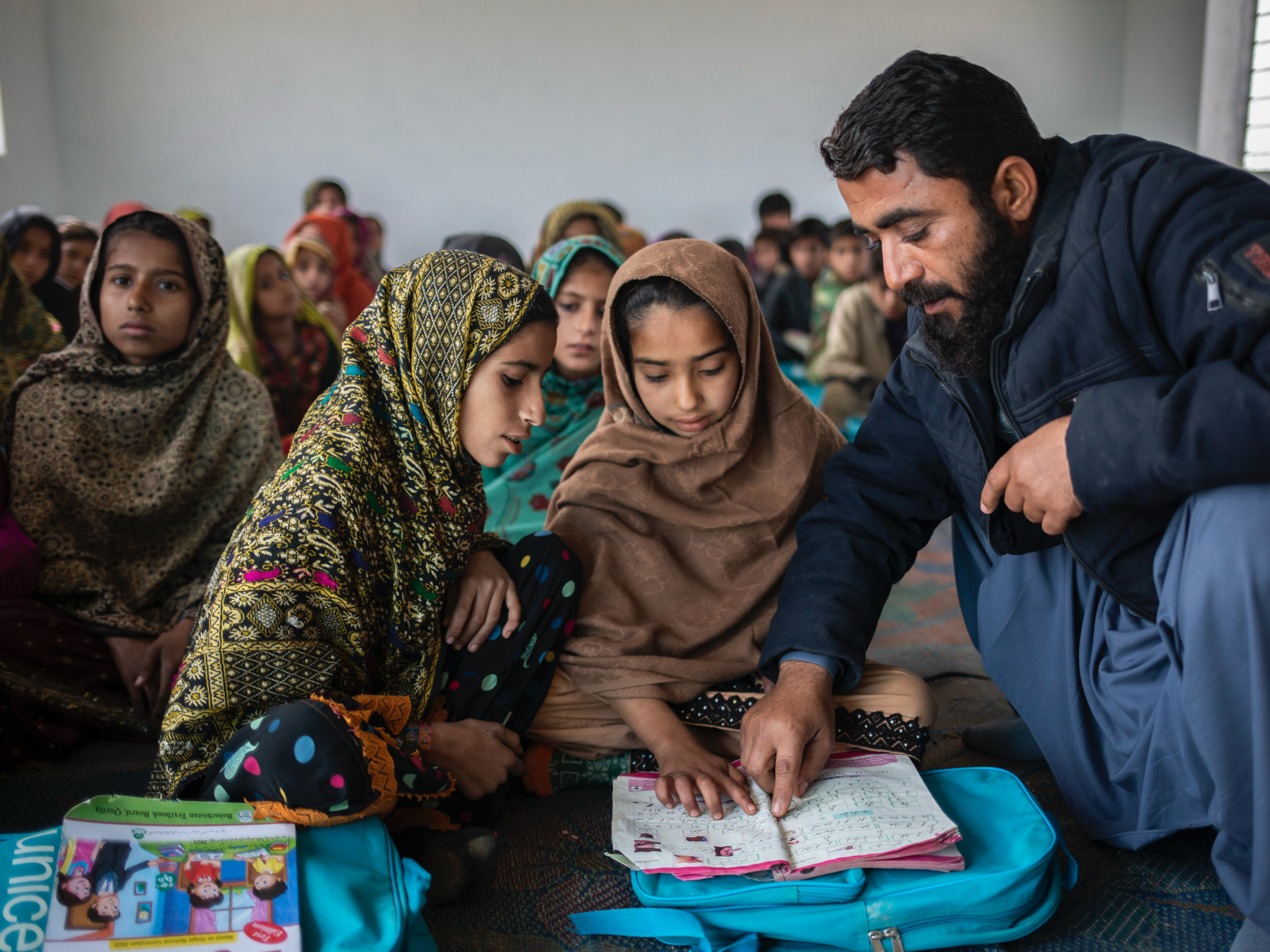
UNICEF uses unrestricted funding to advocate for children around the globe.