Reimagining college to meet the future of work
University of Maryland changes how students learn to build real-world, tech-ready skills
By Jennifer King Rice, Senior Vice President and Provost, University of Maryland
April 21, 2025
We are in the midst of an extraordinary technological revolution. Every day, advances in artificial intelligence, virtual and augmented reality, and other emerging technologies reshape how we live, work and learn.
Naturally, the job market is evolving just as fast.
Employers are looking for candidates who vault beyond the basics of a job description. They want tech-savvy individuals who are quick learners, critical and creative thinkers, leaders and doers.
As universities, it’s our responsibility to ensure that our students graduate with those skills and to prepare them for successful careers. This means a focus not just on what we teach, but how we teach it.
At the University of Maryland, we’ve embraced this shift and seen remarkable results. After graduating, 91 percent of our students report going on to the workforce, pursuing advanced degrees, starting businesses, serving in the military or volunteering for public service. This is true across academic areas, from humanities and social sciences to STEM fields. Impressively, over 47 percent of our graduates land job offers through their internships and even more through a variety of hands-on learning opportunities.
We have adopted three key strategies to support students for success after graduation.
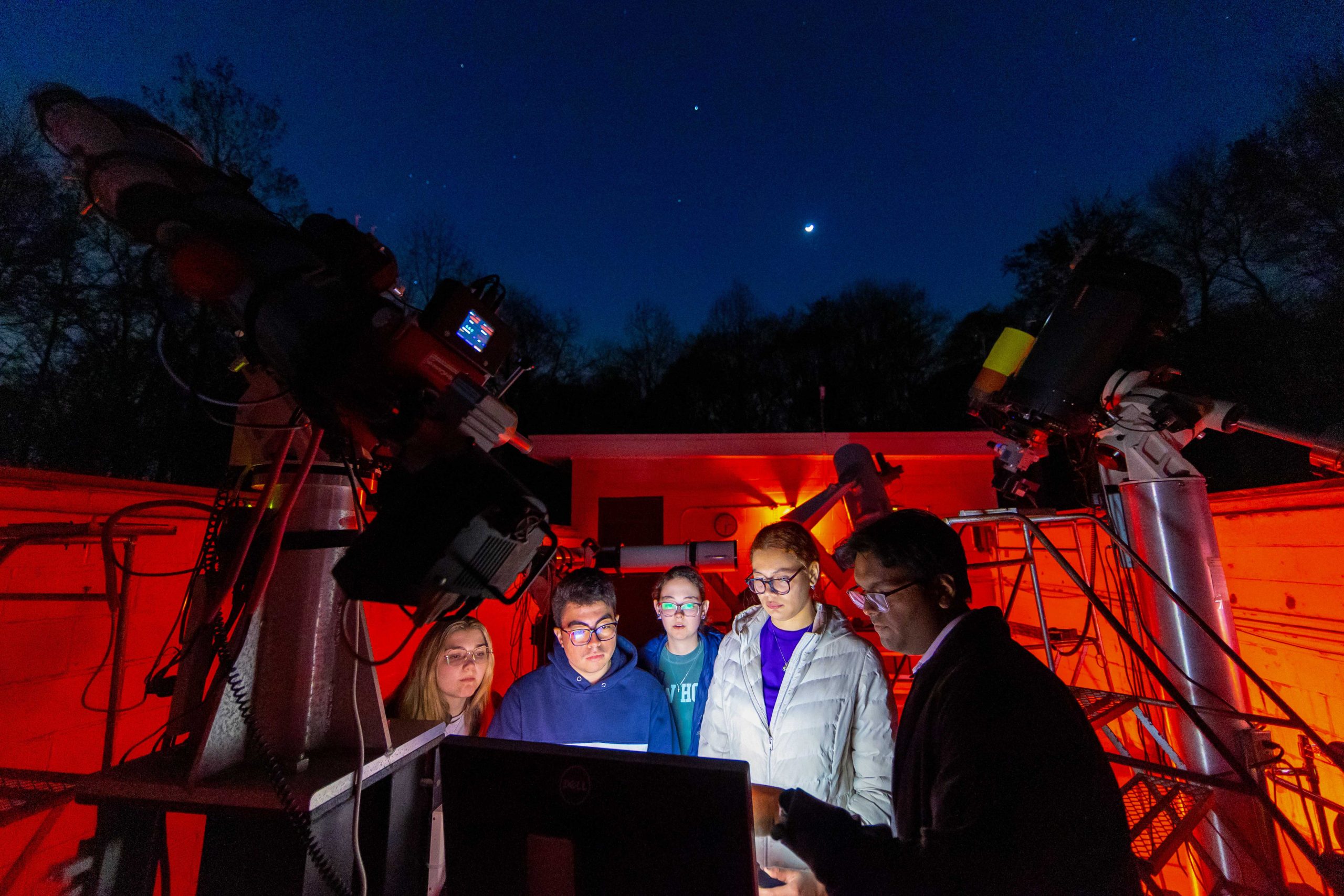
First, we recognize that learning shouldn’t be constrained by traditional classroom settings. Students are often more engaged in work on real-world projects where they bring about change and impact.
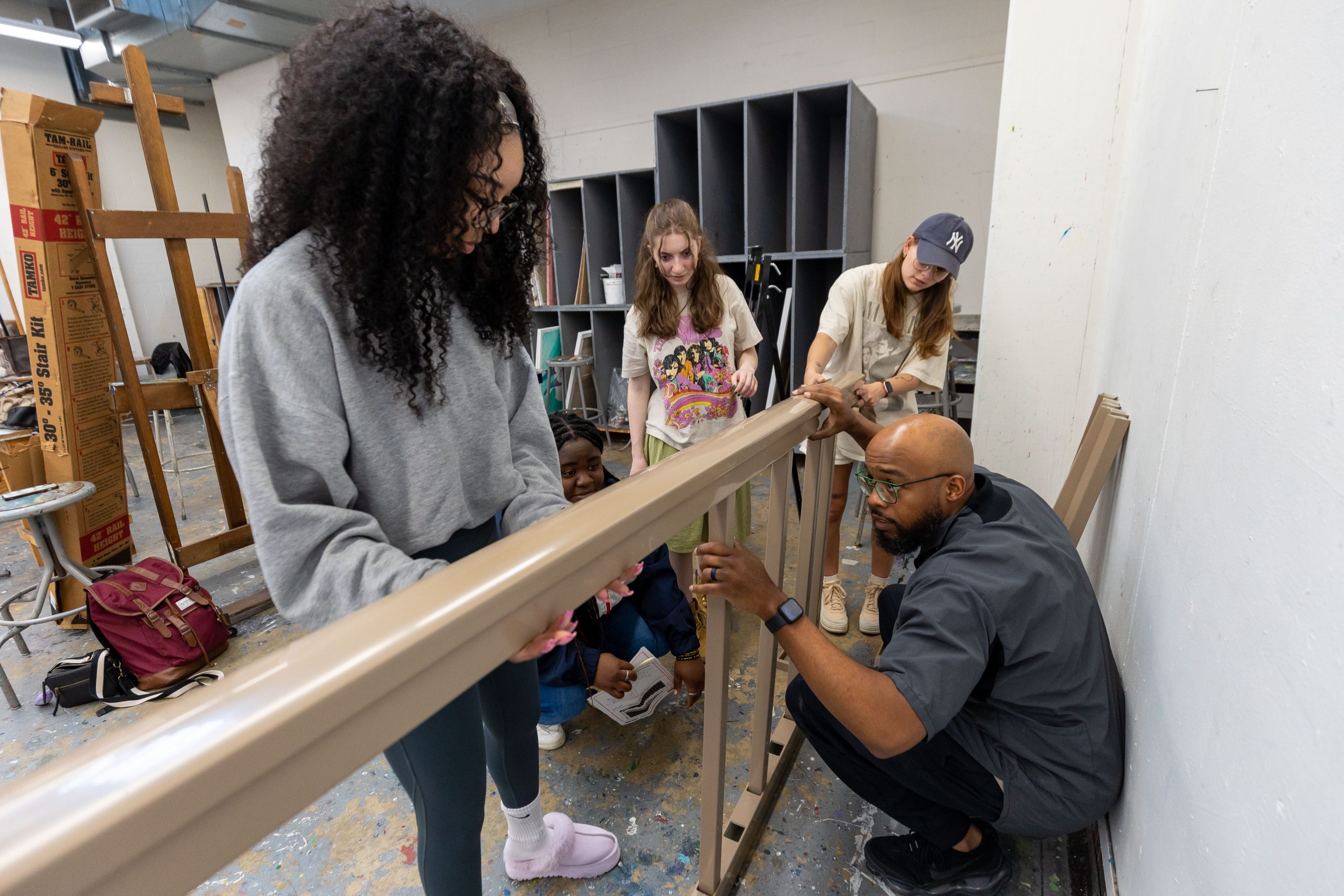
Our undergraduates team up with faculty experts to help cities and towns across Maryland tackle sustainability-related challenges. Students become consultants for businesses and organizations, offering solutions to their pressing issues. And those who learn the essentials of financial literacy also train to help educate peers on budgeting, investing and taxes. Students gain confidence when they pitch their business ideas in a “Shark Tank”-like campus competition for investment capital or when they teach a class themselves.
Through these experiences, they’re honing their skills in teamwork, communication, problem solving and leadership — all critical skills sought by employers in today’s workplace.
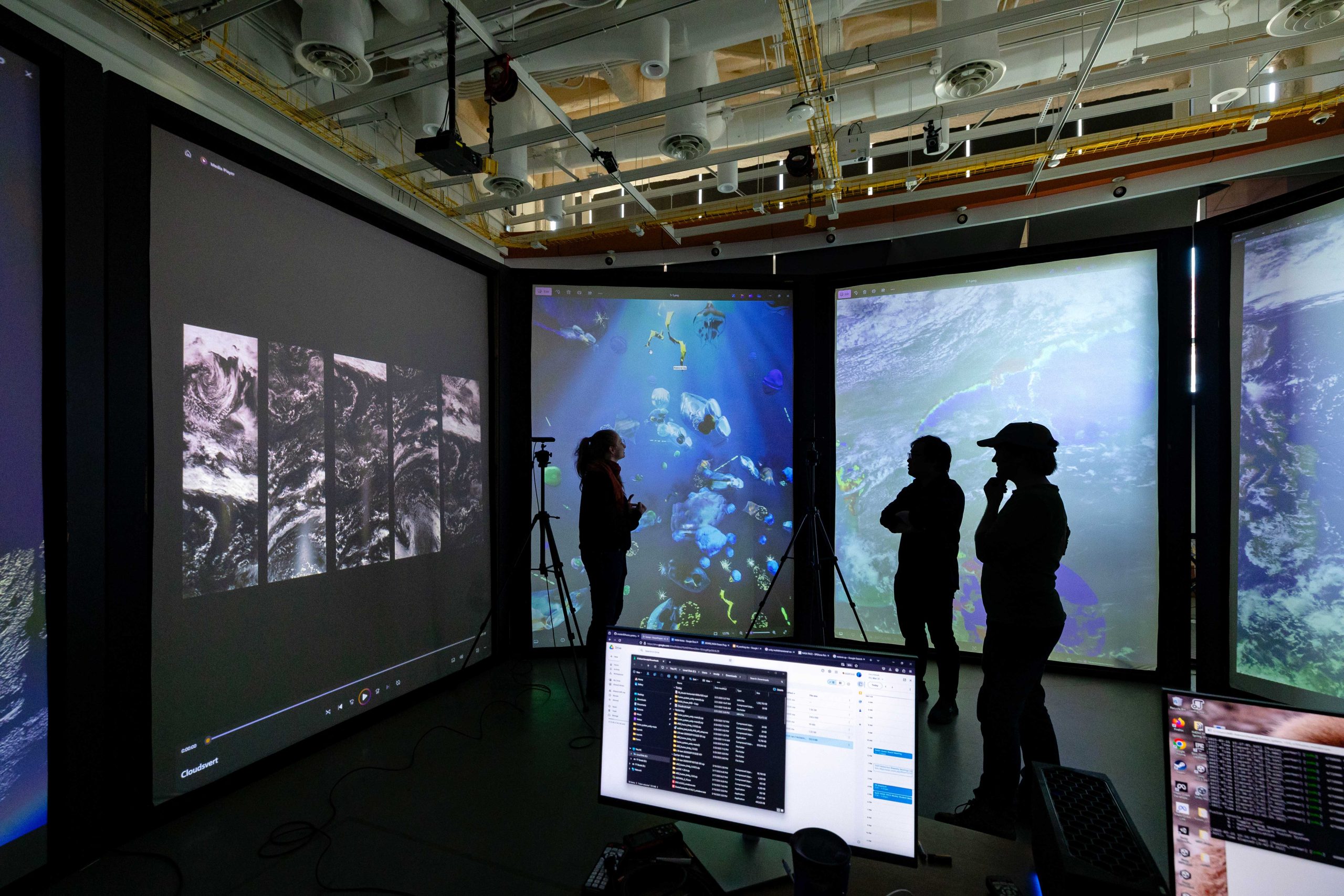
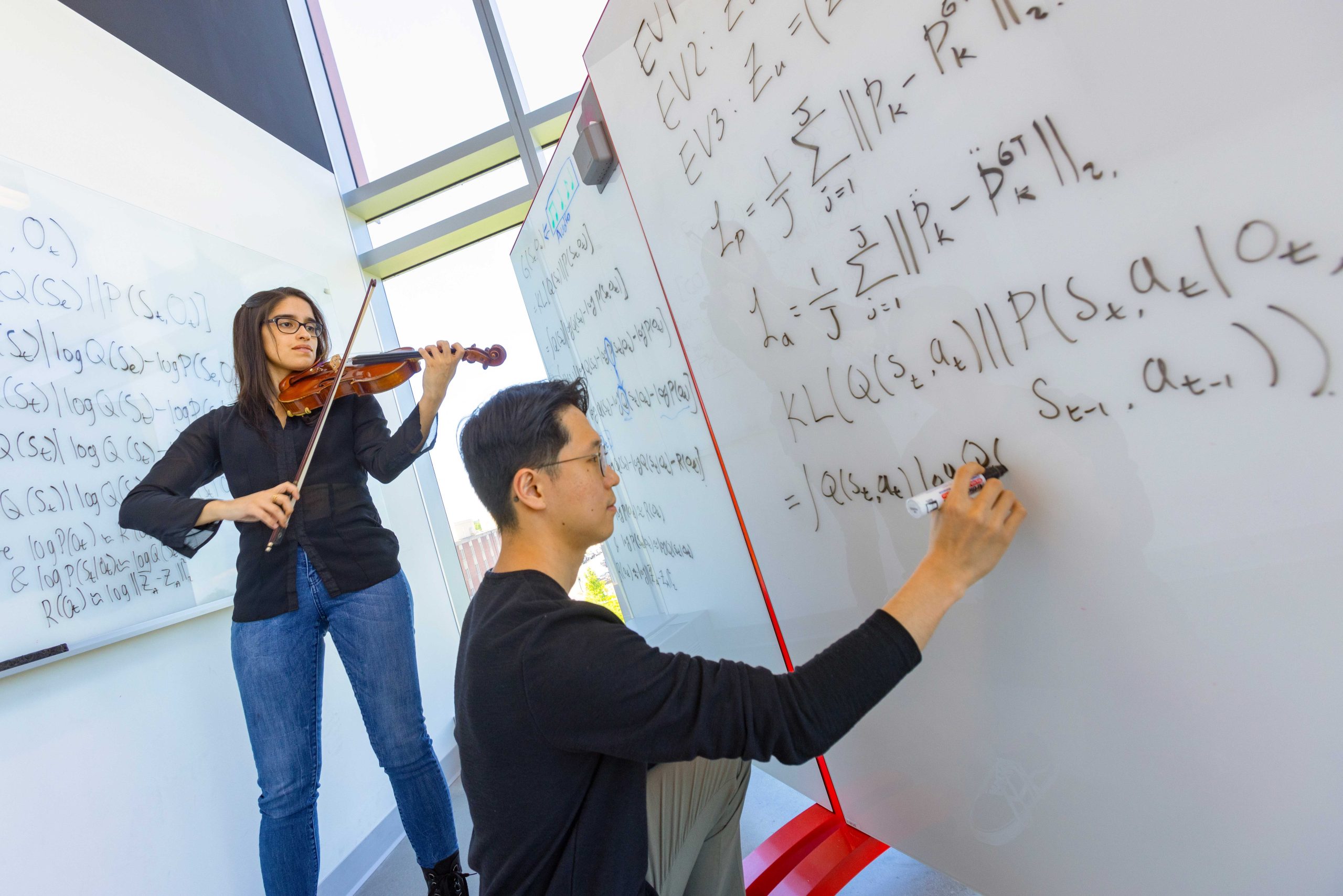
Second, universities have to provide opportunities for students to learn by exploring the latest technologies. At UMD, students in our Immersive Media Design program, which blends artistic talent with computer science, recently collaborated with NASA scientists on an interactive exhibit at the Kennedy Center.
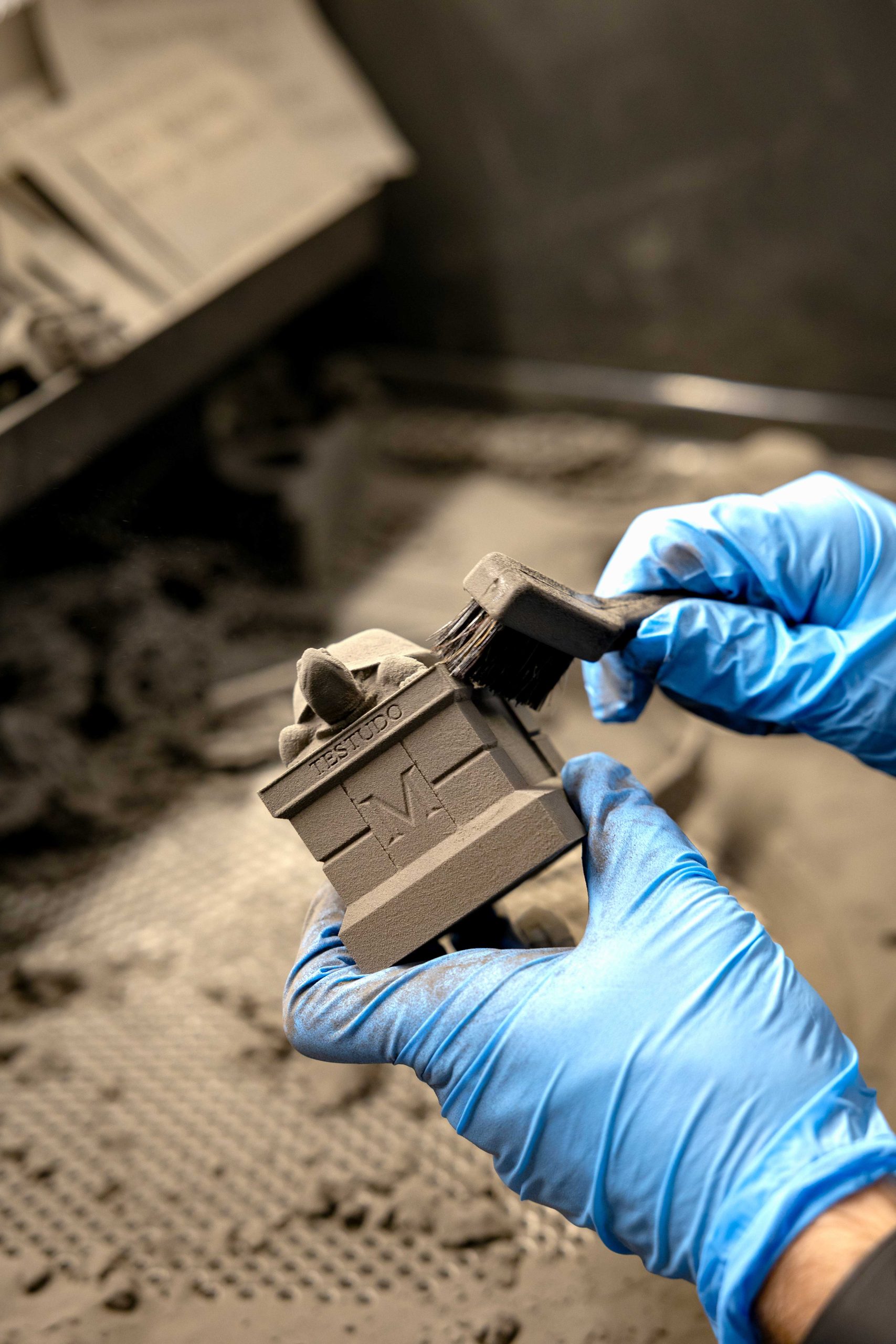
Engineering majors are using a massive array of rapid prototyping equipment to turn their ideas into reality. Anthropology students in a new DNA lab are applying cutting-edge methods to study populations and cultures. Through the work of our new Artificial Intelligence Interdisciplinary Institute at Maryland, students of all majors will have the opportunity to learn about responsible and ethical use of AI.
Number three is invaluable, and from my perspective, essential to the college experience: UMD is fostering inclusive excellence by giving students the opportunity to work alongside people different from themselves and to develop those soft skills that they’ll need throughout their careers.
UMD’s nationally ranked living-learning programs are designed to bring together diverse groups of students across majors to discuss their common interests. Our Global Classrooms connect students and faculty from Maryland and international peer institutions to collaborate on broad challenges and design solutions. A new architecture initiative pairs students with international counterparts to tackle challenges in each other’s communities, honing both academic skills and the ability to work with diverse teams.
Innovating how we teach and learn through new approaches, embracing technology and broadening student communities are the most effective ways to prepare students for their next steps after college. By adapting our teaching methods, we’re providing students with more than just job training. We are educating the next generation. We’re equipping them with the skills, confidence and real-world experience to lead the way.
When it comes to transformation in the job market, there is no looking back. We must seize this opportunity to reimagine teaching and learning in higher education. We must prepare our students to go fearlessly forward.
The content is paid for and supplied by advertiser. The Washington Post was not involved in the creation of this content.
CONTENT FROM
