Stewardship in action: Plugging forgotten wells, protecting communities
By Well Done Foundation
June 5, 2025
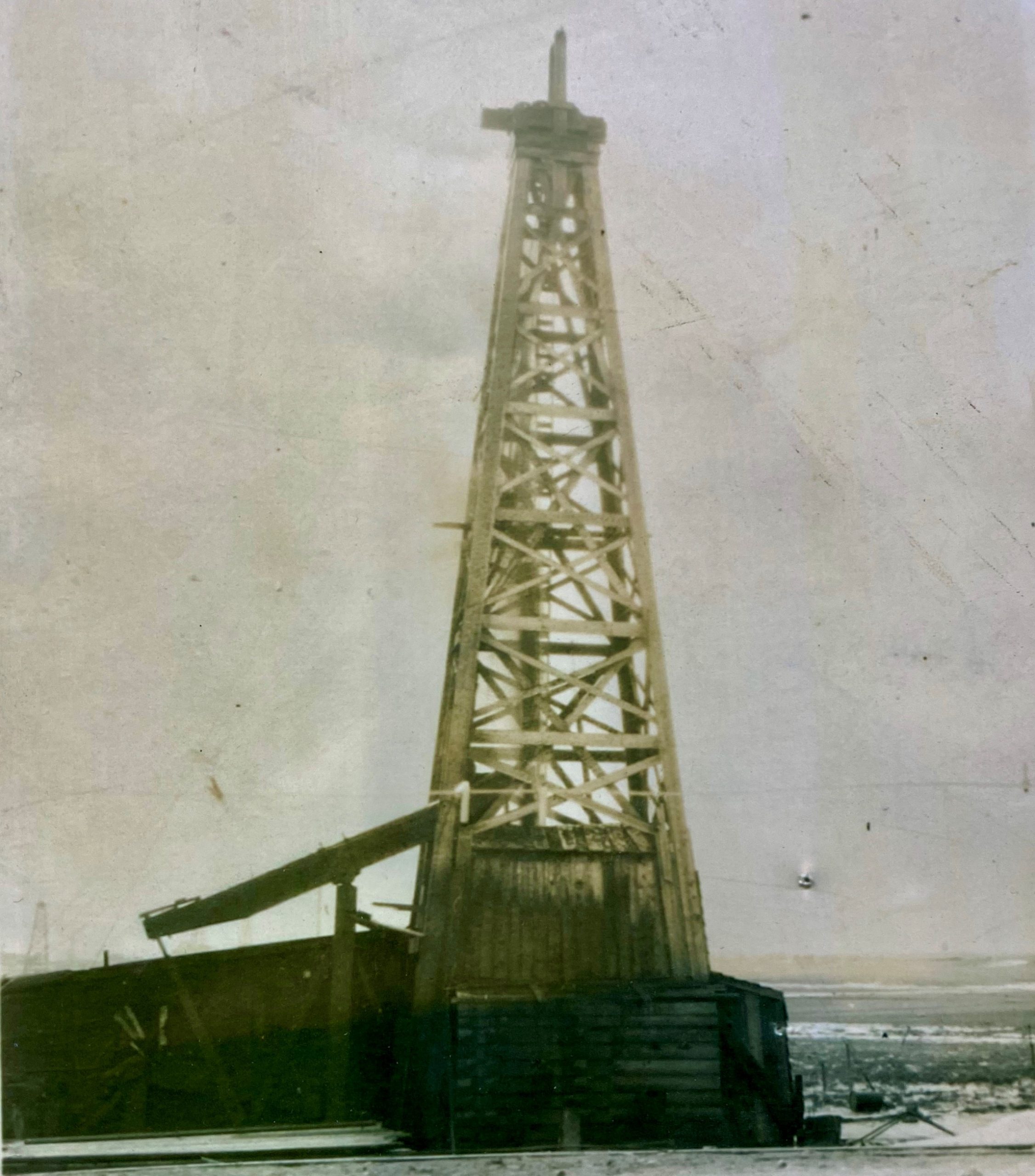
In 1927, during the prolonged drought that spanned from the early 1920s to the late 1930s in the midst of Montana’s oil boom, a small outfit named L.W. Hill drilled a 900-foot well into the dusty plains of Toole County. Just 19 days later, the rig burned down. The well, dubbed A. Lorenzen #15, was labeled a dry hole and promptly abandoned.
For nearly a century, the well was forgotten and assumed to have been plugged. However, day after day, it quietly leaked methane and other harmful toxins into the surrounding land and sky. Unseen, it threatened water sources, nearby farms and the long-term health of the rural communities who call this land home.
Rediscovered and reclaimed
In 2022, a nonprofit called the Well Done Foundation (WDF) located A. Lorenzen #15 while surveying orphaned wells across Montana. Led by Curtis Shuck, a 30-year veteran of the oil and gas industry, WDF brought a rare blend of industry knowledge, technical discipline and local partnership to bear on the problem.
Using satellite imaging, handheld sensors and local collaboration, WDF confirmed what hadn’t been clear for 95 years: This well was still leaking and needed to be sealed.
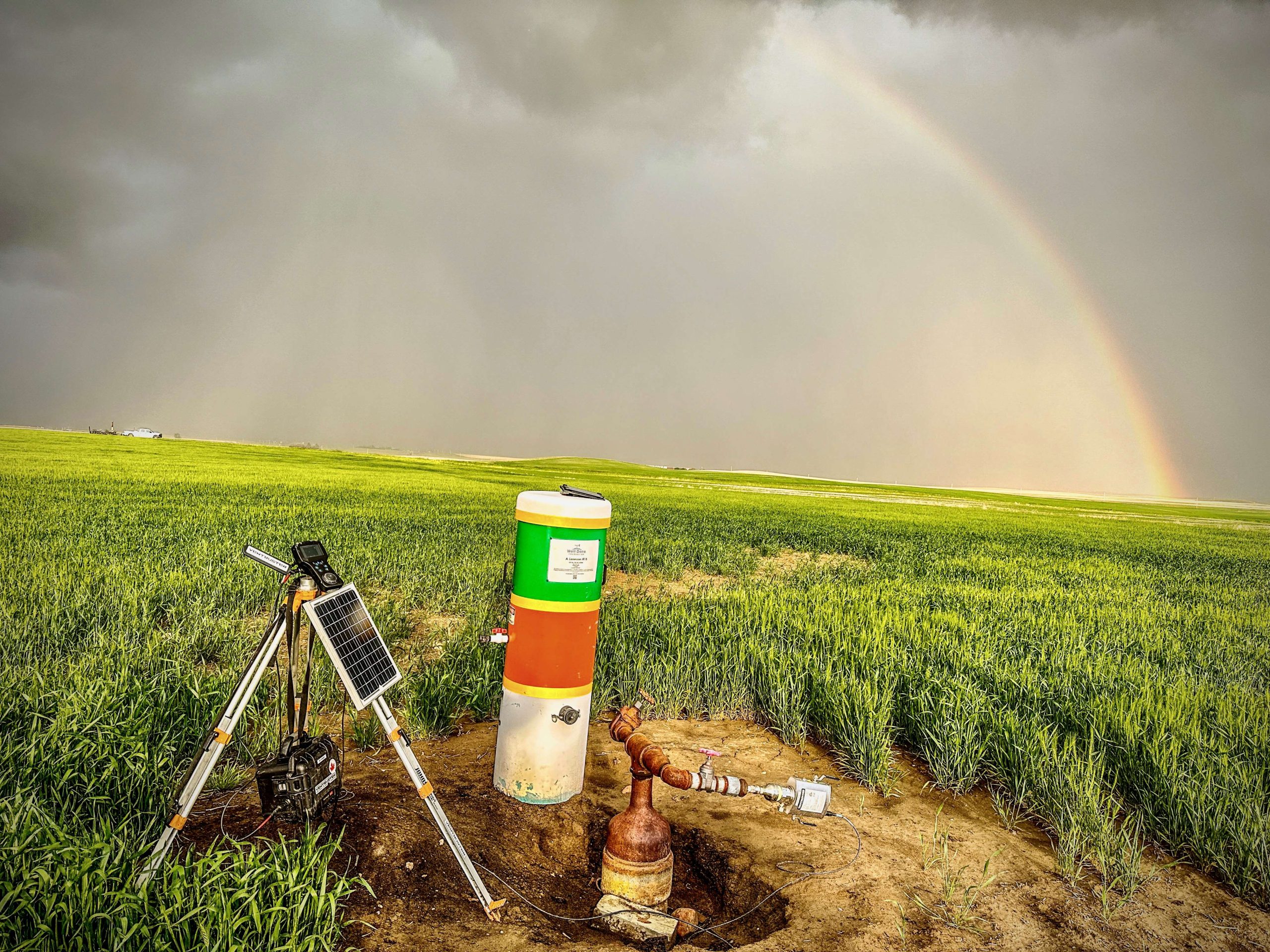
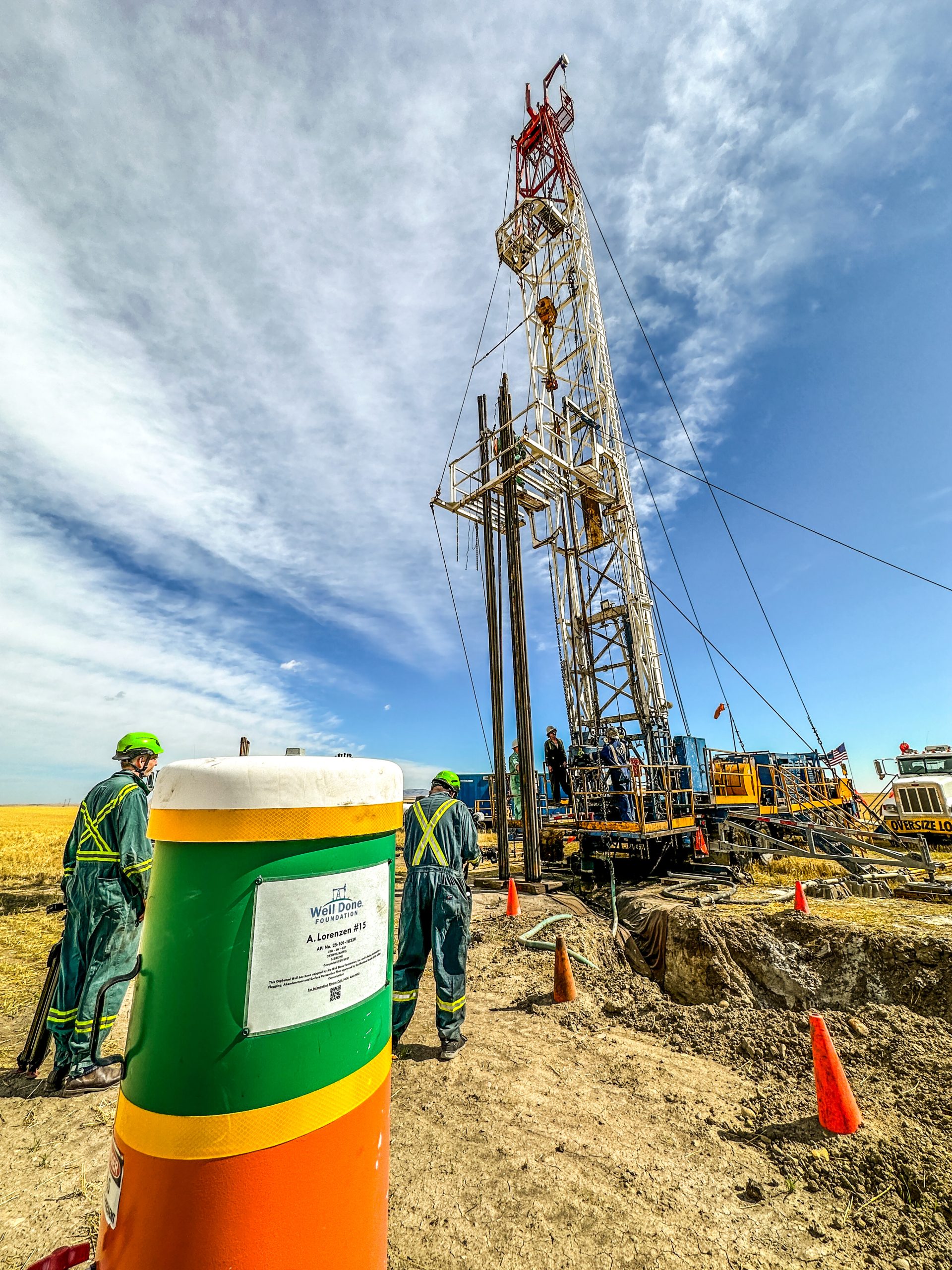
In August of 2023, literally 96 years later, with financial support from the Chicago-based SVS Family Foundation, the WDF team from Precision Well Services and 360 Environmental Engineering, the Well Done Foundation mobilized. Over the course of several days, crews cleaned out the well, pumped it full of cement, tested for pressure stability and returned the land to safe condition. The well was finally plugged for good.
A new model: Data-driven stewardship
Shuck calls the approach “data-driven stewardship,” combining engineering with a strong sense of place and responsibility. “These are not just old holes in the ground,” Shuck says. “They sit on real people’s property, near farms, schools and water sources. Plugging them is about doing right by the communities that have been left holding the bag.”
The work doesn’t end with a plug. WDF maintains a 10-year monitoring commitment for every well, using third-party auditors and field checks to verify that emissions are fully stopped.
From liability to local impact
The story of A. Lorenzen #15 is one of hundreds like it. The United States is home to millions of orphaned wells, many of which are undocumented, leaking and on land now used for agriculture, recreation or housing. For nearby families, these wells pose severe health risks that aren’t abstract: contaminated soil, degraded water quality and air that isn’t safe to breathe.
The Well Done Foundation has now plugged more than 55 wells across the country. Each project generates tangible outcomes: safer drinking water, healthier air, jobs for local contractors and cleaner farmland.
A role for everyone
In 2024, the Well Done Foundation took a bold step toward national scale through the formation of Well Done Global, an initiative supported by Cartesian Capital Group, a global private equity firm known for investing in high-impact solutions.
“Executives with deep industry expertise are not uncommon. But leaders who pair that with moral clarity, purpose and the drive to do what’s right—those are rare,” said Peter Yu, Managing Partner at Cartesian Capital Group. “Curtis Shuck is one of them. His decades in oil and gas give him unmatched credibility, and his commitment to data-driven stewardship is exactly why we’ve chosen to invest in the Well Done Foundation.”
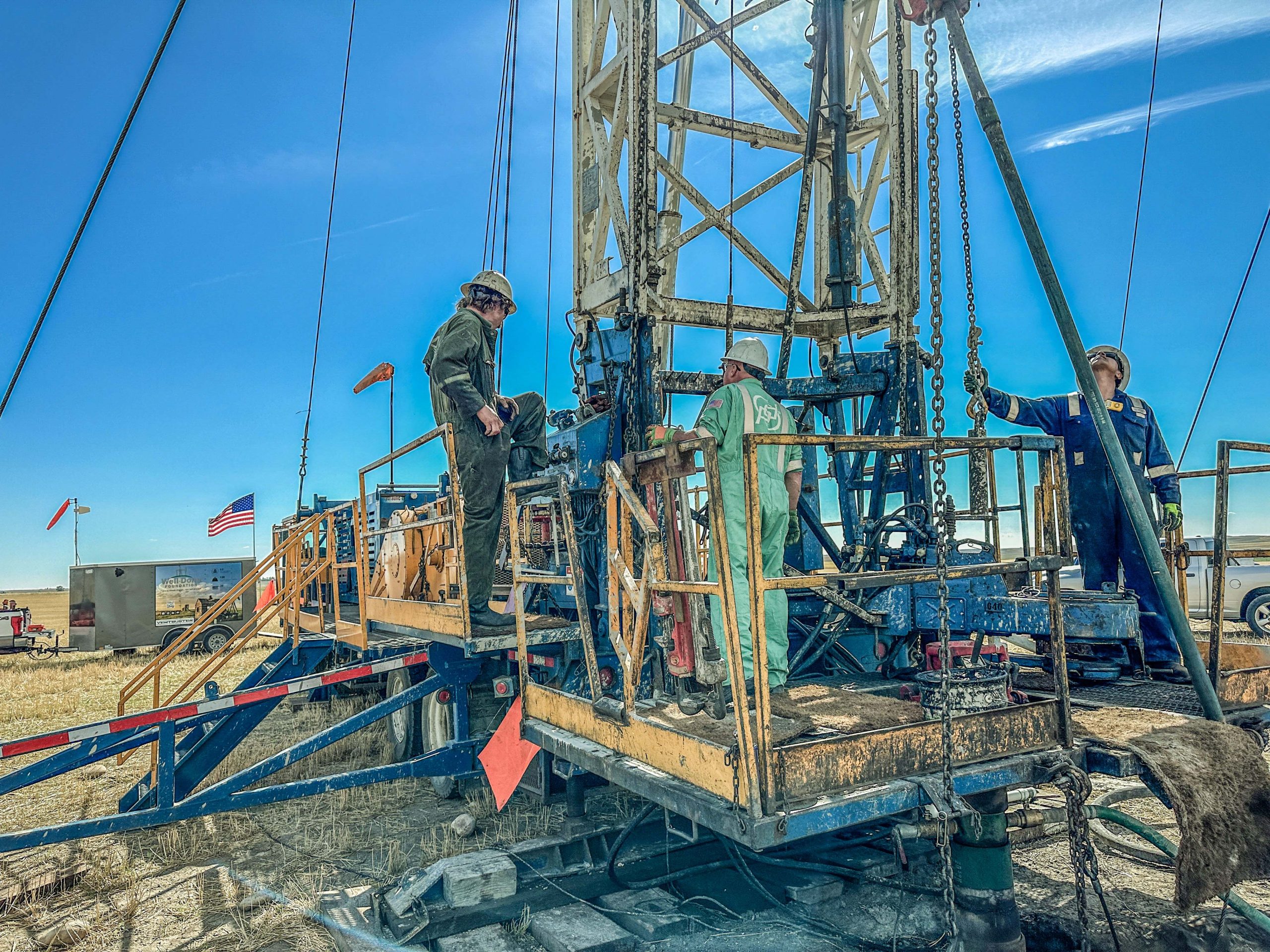
The partnership reflects growing confidence from the financial sector in Well Done’s mission, not just as a climate or infrastructure solution, but as a sustainable, community-centered business model. Well Done Global will help bring orphan well plugging to scale, while preserving the integrity, transparency and local-first approach that define Well Done Foundation’s work.
Yet this isn’t just an opportunity for institutions. Individuals can fund well-plugging efforts for as little as $25, turning everyday support into boots-on-the-ground action. Each contribution directly helps seal a leaking well, restore land and support jobs in underserved communities. Donors receive a registered certificate detailing the well location, before-and-after plugging photos, project impact and restoration outcomes.
Plugging the past, protecting the future
At a time when many environmental solutions feel distant or intangible, orphan well plugging stands out. It’s local. It’s immediate. And it’s deeply human.
The legacy of L.W. Hill’s forgotten well reminds us that the energy decisions of the past still shape our future. Stewardship isn’t just about repairing the damage but it’s about showing up for the places and people that were left behind.
Learn more or take action here.
The content is paid for and supplied by advertiser. The Washington Post was not involved in the creation of this content.
CONTENT FROM