
How YouTube is helping to create a safer, more enriching environment for young people

Platform guardrails, tools for families and a new set of Youth Principles are focused on setting the standard for kids and teens to explore and discover safely.
In today’s digital-centric age, families face a fundamental tension. Children and teens are growing up in a world where being online is not just the norm, it’s part of how they find their identities and foundational to their learning.
But managing young people’s lives online — and ensuring they explore safely — can feel overwhelming, especially as children use and own devices earlier. According to Stanford Medicine, about three-quarters of American children now have a smartphone by age 13, and 97 percent of teens say they use the internet daily, according to Pew.
“Families everywhere deserve the same safe, high-quality experience, no matter where they live.”
– Neal Mohan, CEO of YouTube
Conversations about young people’s online safety are happening everywhere, from kitchen tables to editorial pages to the halls of Congress and the United Nations. With young people of all ages online more than ever, it’s critical that families, researchers, experts and governments work together to protect young people online.
“As the leader of YouTube and a father of three, I believe it’s crucial we create a healthy experience for young people of all ages,” YouTube CEO Neal Mohan said in a recent blog post. “Families everywhere deserve the same safe, high-quality experience online, no matter where they live. And all children and teenagers ought to have the same access to the opportunities the internet provides.”
Taking a principled approach
Keeping kids and teens safer online can begin with policies and products that protect all users. YouTube’s entire community is protected by policies that connect people to trusted sources and guard against dangerous and harmful content.
“Protecting children and teens is and must always be core to our work at YouTube.”
– James Beser, Senior Director of Product Management at YouTube
But young people need special protections and considerations when it comes to what they experience and discover online. Over the last decade, YouTube has been focused on creating safer online spaces purpose-built for younger users, and launched YouTube Kids in 2015 and supervised experiences in 2021. YouTube has also implemented protections like take a break and bedtime reminders that encourage young users to build healthy technology habits. YouTube also provides families tools that help them make clear choices about what their children see and do, like customizable content settings and screen time limits.
“Protecting kids and teens is and must always be core to our work at YouTube,” said James Beser, senior director of product management at YouTube. “Young people’s behavior online is always evolving, and there will always be more for us to do to keep them safer.”
As part of its ongoing efforts to provide young people with safe, high-quality experiences online, YouTube recently published a set of Youth Principles that it will adhere to in its product and policy development.
YouTube’s Youth Principles
1.
The privacy, physical safety, mental health, and wellbeing of children and teenagers require special protections online.
Expand
We aim to build great experiences for young people, which is why their privacy, safety, wellbeing and mental health is at the core of our service and policy development. We want our services and policies to better reflect how young people actually use YouTube. For example, we explicitly prohibit cyberbullying or sexualizing young people, and are improving how we identify early signals of this bad behavior to prevent it on YouTube.
Collapse
2.
Parents and caregivers play an important role in setting the rules for their family’s online experiences, particularly for their youngest children.
Expand
From setting clear screen time boundaries to teaching their children and teenagers to make responsible choices online, parents and caregivers can deeply influence young people’s behavior. We at YouTube are also committed to doing our part to empower families. One area of focus will be exploring different models of supervision for teenagers, building on our existing family controls.
Collapse
3.
All children deserve free access to high-quality and age-appropriate content that meets their individual interests and needs.
Expand
It’s not enough for young people to safely view videos that suit their age — we want them to watch content that enriches their lives and sparks their imagination. We’ll continue to partner with top experts in areas like child development, digital learning and citizenship to expand our work. And we’ll build on our guidelines around high-quality content for children to better meet the needs of teenagers.
Of course, quality content doesn’t do much good if it’s not affordable for everyone to access. Advertising allows us to offer each child the same wealth of content, no matter how much money their families do or don’t have. And on YouTube Kids and for anyone under 18 on YouTube, we do not and will not serve personalized ads.
Collapse
4.
The developmental needs of children differ greatly from those of teenagers and should be reflected in their online experiences.
Expand
As teenagers build independence, find identity and look for community, they need the freedom to explore a broader range of important content and form connections that bring understanding and acceptance. And for this generation, content doesn’t stop at viewing — they’re posting, commenting, and engaging. But teenage brains are still developing and work differently than adult brains, particularly when it comes to decision-making or self-regulating.
We’ll explore a range of solutions across YouTube’s services and policies to keep up with the quickly evolving online habits of teenagers. This includes providing more healthy friction for in-the-moment learnings — from “take a break” interstitials when watching content, to civility reminders and prompts to not share private information when creating videos.
Collapse
5.

With appropriate safeguards, innovative technologies can benefit children and teenagers.
Expand
Whether it’s the latest device or exciting new generative AI tools, today’s young people are eager to test and adapt to technological innovation. From wellbeing guardrails to automated learning tools, we’ll incorporate our Youth Principles in the development and use of new technologies. And we’ll continue looking at the ways we can collaborate with experts across the industry to identify actions we can take together, as research on how the internet impacts young people continues to evolve.
Collapse
“This work should be built on a nuanced understanding of how the online behavior of young people changes as they grow older,” Mohan said. “This is why we need a consistent standard — one that tailors protections to the age of the child, nurtures mental health and wellbeing, tackles different risks with proportional responses and gives space for the next wave of technological innovations.”
Partnering with independent experts
The push for consistent standards for young people online has to start with where kids and teens are right now. As the most widely-used online platform among U.S. teens according to Pew, YouTube has an important and never-ending role to play in setting higher standards for young people’s experience online. But the company doesn’t do this alone.
“Supporting autonomy in a healthy way can mean empowering youth to explore and engage online independently, while building in protection guardrails and keeping up a healthy dialogue.”
– Dr. Jessica Taylor Piotrowski, Professor of Communication at the University of Amsterdam & member of YouTube’s Youth and Families Advisory Committee
Since 2018, YouTube has worked closely with an advisory committee of independent expert voices in children’s media, child development and digital learning and citizenship. This group helps craft policies and products for families to be able to customize YouTube experiences to their children’s different developmental stages and their own preferences.
“Every child is different, and every home is different,” said Dr. Jessica Taylor Piotrowski, a professor of communication at the University of Amsterdam and a member of YouTube’s Youth and Families Advisory Committee. “It’s important to talk about online media with kids and set guidelines together.”
Different protections for different stages
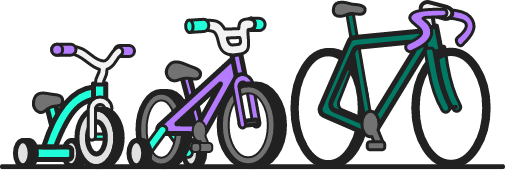
While these Youth Principles chart a course for the future, YouTube has been building products specifically for younger viewers for almost a decade. About eight years ago, YouTube set out to provide families with an environment that made it safer and easier for children to find age-appropriate videos on topics they wanted to explore.
“Every child is different, and every home is different. It’s important to talk about online media with kids and set guidelines together.”
– Dr. Jessica Taylor Piotrowski
“That’s how YouTube Kids was born,” Beser said. “It’s a standalone app with tools to help parents and caregivers guide a child’s journey.”
As families made the shift to YouTube Kids, the company heard from experts and caregivers that tween users needed their own, differentiated experience.
“During these tween years, we see children begin to desire more autonomy as they try to understand the world around them,” Dr. Piotrowski said. “Supporting that autonomy in a healthy way can mean empowering youth to explore and engage online independently, while building in protection guardrails and keeping up a healthy dialogue.”
Working with child development experts, YouTube launched supervised experiences in 2021, which provide different libraries of content for different levels of maturity.
YouTube Kids and supervised experiences allow families to choose the right product at the right time as their children grow and develop. User numbers show that these age-specific spaces are resonating with families: YouTube Kids and supervised experiences have more than 100 million active logged-in and logged-out viewers every month.
Protections also don’t stop after tweens outgrow supervised experiences. To support teens’ well-being, YouTube age-restricts mature content and nudges users under 18 to take a step back by turning take a break and bedtime reminders to “on” by default.
An ongoing journey
The internet has become a place where young people go to understand their communities and help define themselves, according to Pew. And whether they’re inventing a new dance routine or pushing new music to the top of the charts, kids and teens are often at the forefront of digital culture.
“With clear safeguards and industry standards, together we can make sure the internet continues to be a powerful force for good for generations to come.”
– Neal Mohan
Young users are always going to find places to express themselves and explore online. Digital platforms, families, researchers, experts and governments need to work together to make those spaces as safe as possible. As young people’s behavior continues to evolve online, meeting young people where they are online and adapting protections and guardrails will be an ongoing journey.
“Policymakers around the world are understandably focused on the safety of children and teenagers online,” Mohan said. “With clear safeguards and industry standards, together we can make sure the internet continues to be a powerful force for good for generations to come.”

Read more about YouTube’s Youth Principles