
How teachers across the country use YouTube to enhance classroom learning
Meet the teachers using videos as a tool in their classrooms — and the former teachers turned YouTube creators dedicating their channels to helping students.
Eric cross
Middle School
STEM teacher
Eric cross
Middle School
STEM teacher
YouTube is a video platform, not a formal educational institution.
Brian McLogan always wanted to be a math teacher. During high school, he found himself unable to connect with traditional styles of teaching and dreamed of taking his place at the front of the classroom to, as he puts it, “change the way math is taught.” After college he became an educator, spending 14 years teaching math in Florida, where despite his hunger for innovation, he found himself employing the same methods that had failed to resonate with him when he was a kid. Some students did fine with this approach, he found, but others — particularly the ones who reminded him of the kind of student he’d once been — struggled. Despite his best efforts, he couldn’t find a way to reach them.
Brian Mclogan
YouTube Creator
@BRIANMCLOGAN

Brian McLogan
YouTube Creator,
@BRIANMCLOGAN

Then, in the summer of 2010, everything changed. While attending a conference, one of the presenters mentioned that they recorded all of their work and used the videos to teach others.
“I immediately thought to myself, ‘Why am I not doing this in my classroom?’” McLogan said. “There should be a video for everything I’m explaining so that if my students need a review, they can access it at any time. So from there I just started recording everything I taught and posting it on YouTube.”
McLogan started by uploading full lectures, but soon transitioned to short, engaging videos whose direct style helps learners stay focused. Now a full-time educational content creator, he’s made over 12,000 tutorials, touching on everything from subtracting fractions from whole numbers to what it takes to be a great math student. Although he now has over 1 million subscribers, his engaging tone makes it feel like he’s speaking just to you.
“Math can be dry and boring for many. I try to infuse my personality and passion into every video to make me relatable to my viewers,” he said. “Having a connection with someone — even online — can be very powerful.”
“With YouTube you have access to instruction on any topic for free. It’s revolutionary.”
BRIAN MCLOGAN
YOUTUBE CREATOR, @BRIANMCLOGAN
One of the greatest challenges facing teachers is the need to keep their students engaged while learning. Current classroom teachers have found YouTube to be a useful source for such content: according to a 2022 report1, 73 percent of teachers who use YouTube agree YouTube helps students learn and 77 percent of parents who use YouTube (or YouTube Kids for children under 13) believe it makes learning more fun for their children. McLogan believes that no matter the age range of the students, YouTube has something to offer.
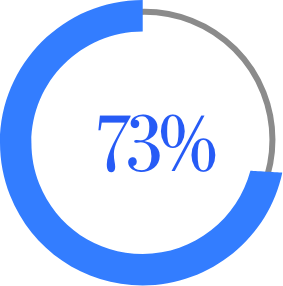
73% of teachers who use YouTube agree YouTube helps students learn.1
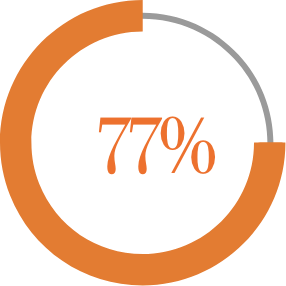
77% of parents who use YouTube believe it makes learning more fun for their children.1
1 Oxford Economics 2022 YouTube Impact Report
“With YouTube you have access to the instruction that works best for you on any topic available to you for free,” said McLogan. “It’s revolutionary.”
Motivation and excitement about learning matter, but the materials have to be accessible to students and educators first. During the pandemic, when teachers were relying on video to keep their students engaged, YouTube began work on an embedded video player called YouTube Player for Education, designed specifically for classroom instruction. The YouTube Player for Education, which launched in 2023, removes distractions from YouTube videos and integrates seamlessly into existing educational tools, empowering educators to create engaging learning experiences and enriching student learning beyond the classroom.
“It’s one of just several ways we are thinking about the cost of creating high quality educational video and how we can reward creators for this valuable content,” said Katie Kurtz, YouTube’s Global Head of Youth and Learning.
A new approach to
classroom learning
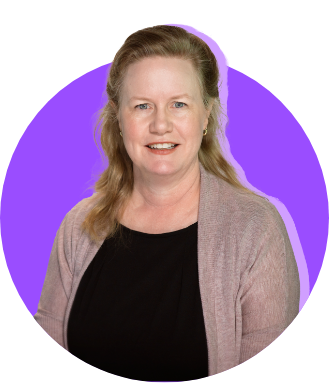
High school English teacher and 2022 CUE Outstanding Educator Jen Roberts approaches every student in their own way. She’s found that YouTube videos are an excellent way to connect with students who struggle in a typical classroom environment, particularly those who are neurodiverse, speak English as a second language, or simply have a different learning style. Suddenly even the most complicated topics become easier to understand.
“When [teachers] are trying to teach a concept, words alone are often not enough. Images aren’t even enough,” she said. “But when students see a video the material becomes more accessible. When we add the power of technology, even something as commonplace as closed captions, we can support students even further.”
Jen Roberts
2022 CUE Outstanding educator
Jen
Roberts
2022 cue outstanding educator
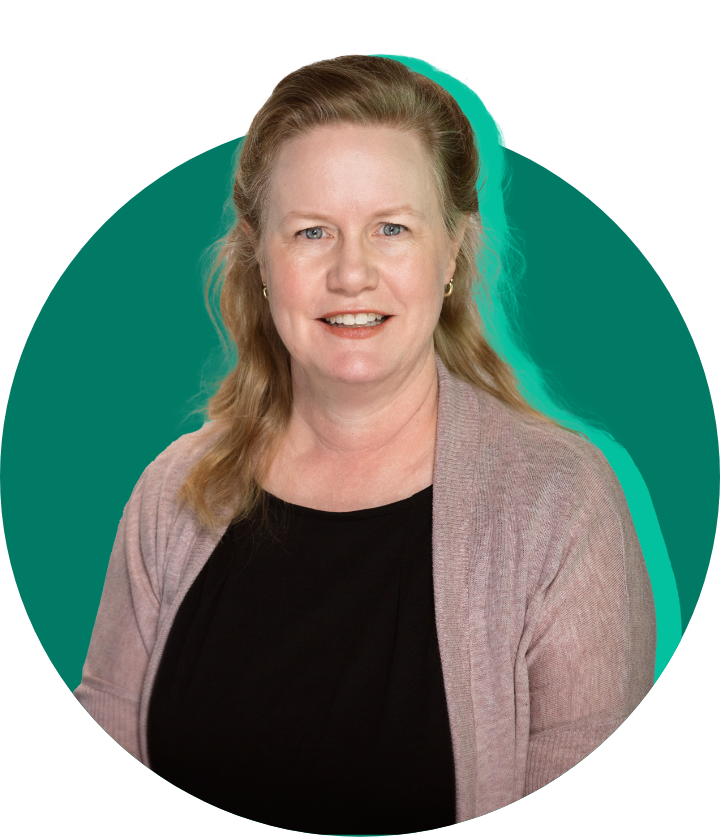
When teaching Hamlet, she showed her students a clip from the Public Theater in which Black actors from across the country performed the “To Be or Not to Be” soliloquy, bringing 400-year-old words into the living present.
“Applying this familiar text to a new context surprised them, held their attention, and made them think about the meaning of the words in a new way,” she said.
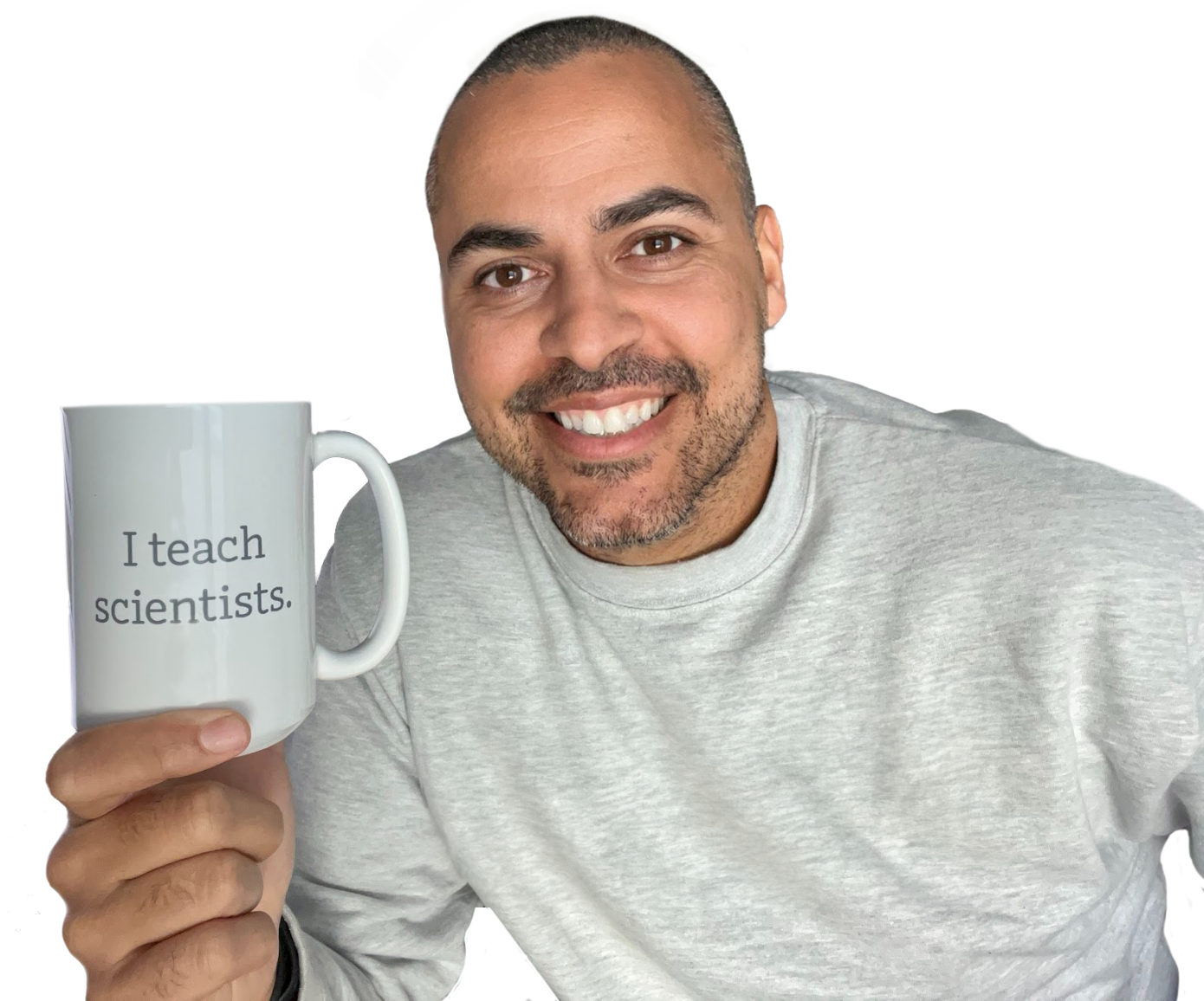
Middle school science and technology teacher and San Diego Adjunct Professor Eric Cross uses a similar tactic. YouTube not only helps him share educational content with students, he’s also used it to help shape his own teaching style. Using popular YouTube creators for inspiration, Cross adopted the down-to-earth, entertaining delivery of video game streamers to make big scientific questions feel applicable to modern student life. This especially helped during the pandemic, when Cross began creating engaging, entertaining videos based on his classroom instruction that allowed students to keep up with their studies “even while sitting in the car during their parents’ grocery shopping trips.”
“When students see a video the material becomes more accessible.”
Jen roberts
2022 CUE outstranding educator
Cross, who has returned to teaching fulltime in the classroom, continues to leverage YouTube, even continuing to make his own videos for students to reference outside of class.
“It’s like having a virtual version of myself available at any time,” he said.
When choosing a video, Cross looks for simplicity, clarity and quality. His standards are high, but the number of videos he’s found that meet them, he says, is “endless.”
Education at the cellular level
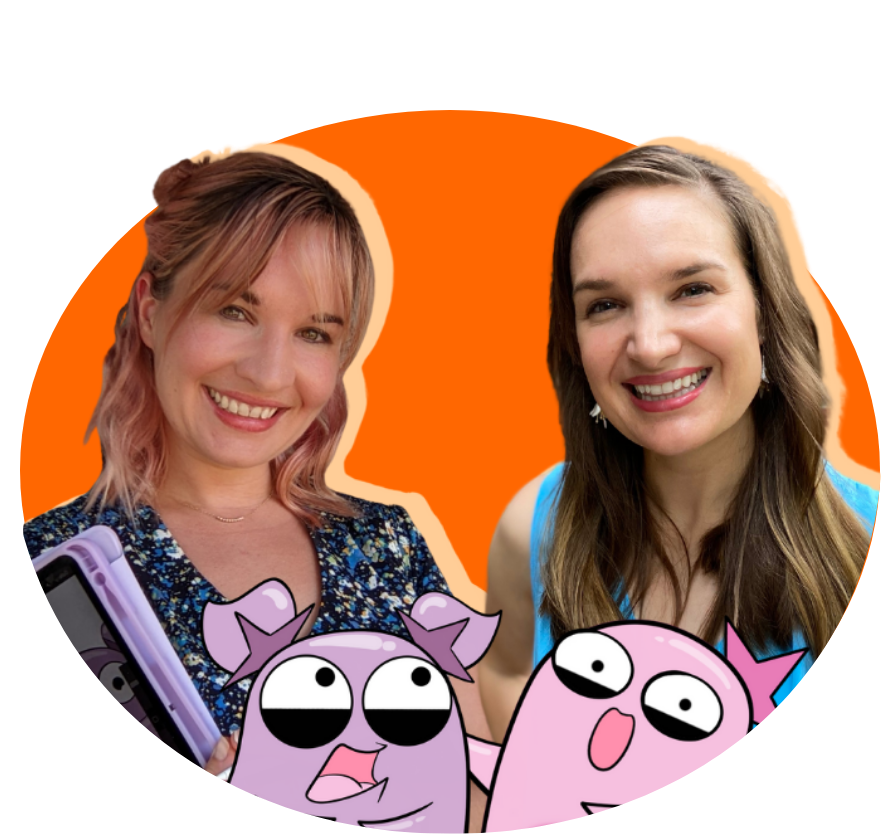
If a student asked Cross to recommend a video about symbiosis or heredity or the inner workings of the human heart, he might suggest something by YouTube creators like The Amoeba Sisters. Today the channel is one of the best known educational resources on the internet, but that wasn’t always the case. In 2013, Brianna Rapini was a high school teacher struggling with an issue all teachers understand: there’s so much material and never enough classroom time.
“I had so much to cover in biology and didn’t want to leave anything out, but too much lecturing made it difficult to include other meaningful parts of teaching, like classroom discussion,” she said.
The Amoeba Sisters
youtube creatorS
@AMOEBASISTERS
The
Amoeba
Sisters
youtube creatorS,
@amoebasisters
To combat this issue, Rapini joined forces with her sister, illustrator and animator Sarina Peterson. Together, they started making colorful animated videos with down-to-earth humor that makes even the most high-flown biological concepts, from DNA to the circulatory system, easy to understand. They branded themselves The Amoeba Sisters, and their educational videos and Shorts —YouTube’s format for short form content—now bring in a dedicated audience of over 2 million subscribers. Although the cheerful drawings and goofy humor make them appropriate for learners of any age, the information is detailed enough for advanced students.
“We believe these videos can be useful for anyone learning biology,” Rapini said. “I think having humor in the videos, especially in a cartoon format, makes the content more approachable and less intimidating.”
As a former teacher, Rapini has been proud to hear from the many educators who share her videos with their students. Some like to play one of their videos before diving into a topic, while others use them to help students review prior to exams. To give teachers more options, the Amoeba Sisters recently introduced “Before the Bell,” a series of videos on specific topics, all ten minutes or shorter, that teachers can turn to whenever they’ve got a bit of extra time at the end of class. It’s that kind of professional understanding that teachers like Cross appreciate most.
“YouTube is one of the most accessible and engaging multimedia platforms on the internet,” he said. “And it acts as a bridge to build connections with my students.”
“YouTube is one of the most accessible and engaging multimedia platforms on the internet, and it acts as a bridge to build connections with my students.”
Eric cross
stem teacher
Engaging with students of all ages
McLogan, the Amoeba Sisters and other YouTube learning creators are using their own experience working with students to support teachers in the classroom today. Everything they create is another tool in the teacher’s toolbox — another opportunity to help students learn by providing material that’s not only educational, but a joy to engage with. For someone like McLogan, who’s spent his whole life trying to change the way math is taught, every video is a new chance to connect.
“I had no idea that I would be able to make such an impact on so many students with my online tutorials on YouTube,” he said. “But I also know that my job is not done.”
Related content from YouTube


Read more on YouTube’s principled approach for children and teenagers