Treating the whole person

Inside the diverse technology, data analytics
and treatment coordination solutions
that are defining the future of health care.

There’s no doubt that covid-19 is a national emergency. Yet this reality often belies a critical fact: America’s health care challenges are deeper and more enduring than a viral pandemic. Although the country spends more per person on health care than its peers, its outcomes are poor by comparison. Around 60 percent of Americans have at least one chronic disease—the highest burden among developed Western nations. These conditions, which include diabetes, high blood pressure, asthma and obesity, account for 7 out of 10 deaths each year. These individuals with more than one condition, or polychronic patients, often require treatment that is particularly complicated to manage. It’s also costly; health care spending for polychronic patients is eight times that of healthy people.

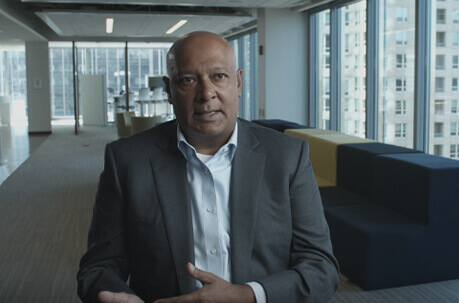
Health care is very complex, you have multiple different actors...all trying to work together to provide services to patients and members.
Steve Griffiths, senior vice president and chief operating officer at Optum

Part of the issue is that the system hasn’t always been oriented towards addressing the full range of patient needs. Health care stakeholders all share a similar goal: the delivery of comprehensive whole-person care, an approach that considers the full range of factors that determine health, such as socioeconomic circumstances, behaviors, medical history and more. Whole-person care is particularly important for polychronic patients. Yet too often there are systemic barriers to the type of true collaboration and communication that is necessary to provide cohesive treatments for individuals. Though unintended, these challenges—poor information system inoperability, for example—hamper the ability of stakeholders to make good on their ambition to offer whole-person care.

Select ICON to view INFO

What determines our health?

behaviors
environment
genetics
medical
socioeconomic

“Health care is very complex, you have multiple different actors—hospitals, primary care, specialty care, pharma companies, medical device companies, insurance companies, labs—all trying to work together to provide services to patients and members,” said Steve Griffiths, senior vice president and chief operating officer at the health care services company Optum. “But it doesn’t come together as seamlessly as it should, which leads to well-intentioned but suboptimal care delivery for patients.”

The question then becomes: how do we fix it?

Big data makes a big difference

Reinventing the health system begins with data and analytics. The health care system generates a lot of information about people and populations; yet these insights aren’t always shared cohesively. It’s a gap that companies like Optum are trying to fill.

“We are actively pulling together all of the data streams to work together to make work flows more transparent and enable better decision-making,” said Griffiths. “We need a system that uses all available data for a holistic perspective of a person, that remembers them and is looking out for their interests.”

Click on cards to reveal info

What exactly do we mean when we talk about
different sources of health care data?

  • clinical

    Clinical data may refer to two things—information gathered over the course of patient care or data from a clinical trial.

  • claims

    claims data refers to all information that’s filtered through insurers, including diagnosis details and treatment costs.

  • patient-reported

    patient-reported data refers to information that is generated by patients themselves.

  • population health

    population health data refers to information related to the health outcomes of broad demographic groups.

Benevera Health is an example of this innovation in action. The organization uses the Optum Care Coordination Platform to centralize diverse clinical, claims data and patient-reported data to help care managers better understand and treat patients. The service has helped Benevera reduce client emergency room visit rates by nearly 60 percent.

Data-informed solutions are driving transformation in pharmacy care services, as well. Pharmacy services are the touch points for most health care consumers. In fact, roughly a quarter of Americans use three or more prescription drugs. “One of the most frequent places that patients engage the health care system is through the pharmacy benefit,” said Dr. Sumit Dutta, chief medical officer for OptumRx, the company’s pharmacy care services division.

We need a system that uses all available data for
a holistic perspective of a person, that remembers them and is looking out for their interests.
Dr. Sumit Dutta, chief medical officer for OptumRx

Advanced analytics can ensure these consumers receive effective and personalized treatment. OptumRx, for instance, is collaborating with Optum Enterprise Analytics, to develop a data analytics platform that consolidates all medical, pharmaceutical and clinical data for members in one place. The data can then be leveraged by health advocates, nurses and pharmacists to guide care. This platform enables programs such as Medication Therapy Management, in which pharmacists proactively check in with certain high-risk patients to review their medications. “Coordination of pharmaceutical care that the patient receives in the hospital and in the outpatient setting is really essential,” said Dutta.

Hear how Optum is delivering whole-person careHear how Optum is delivering whole-person care

close
close
close
currently playing
1:02

How can digital innovation contribute to more cohesive patient care?

currently playing
1:10

What is the role of pharmacies in whole-person care?

currently playing
1:03

How can analytics fix a fragmented health system?

Reimagining how patients engage with providers

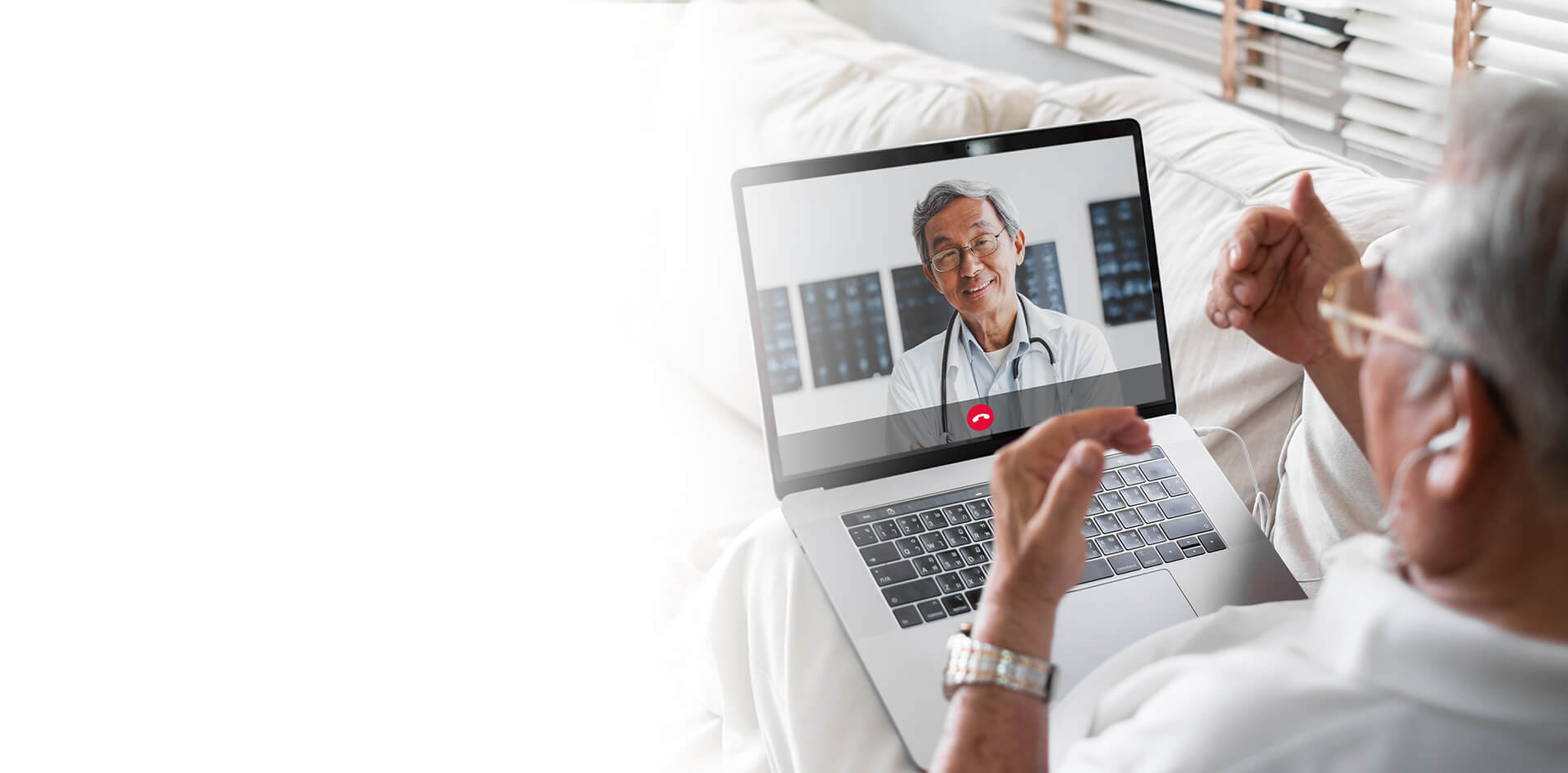
Transforming the patient experience—specifically efforts to enhance communication between people and the system stakeholders they interact with—is another key piece of whole-person care. Technology and access are key to this. We’ve seen this like never before in the past few months with telehealth. Before March, the availability and usage of telehealth was uneven. Yet since the pandemic began, over 40 percent of Americans have relied on the service to connect with providers. This shift could have profound benefits for patients. For example, a 2017 study found that telemedicine reduced mortality and hospital admissions among individuals with heart failure.

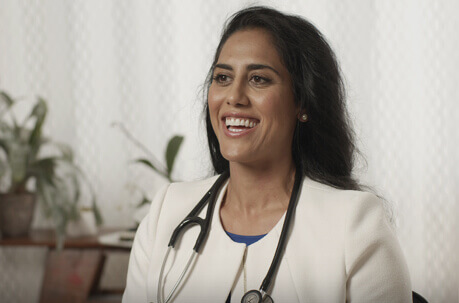
Yet telehealth isn’t the only example of how the system is transforming to deliver whole-person care. Now more than ever, patients and providers can stay connected through digital capabilities and remote monitoring, notes Dr. Sonia Samagh, Optum’s national clinical lead for digital health. “Messaging, texting, video calling and using phone applications to connect with each other are a part of our lives already,” she said. “We use those same technologies to create those same connections throughout our health care system and the care journey.”

drag slider to see change

Growth in telehealth by year

Telehealth visits accounted for

0.15%

of total medical claims

May 2019May 2020

These tech advances build on a more basic commitment to establishing comprehensive support structures for consumers. Case or care managers, for example, work directly with individuals to help navigate the complex web of providers. They improve health outcomes by bringing together information from different sources, spending time getting to know patients and considering the specific challenges individuals face accessing care. In one pilot program spearheaded by a Boston-based organization, the utilization of care managers led to a 20 percent lower hospitalization rate and 13 percent lower rates of emergency department utilization.

Whole-person care is an understanding of what it means to be human, and caring for that humanity with compassion, respect, and empathy.
Dr. Sonia Samagh, national clinical lead for digital health at Optum

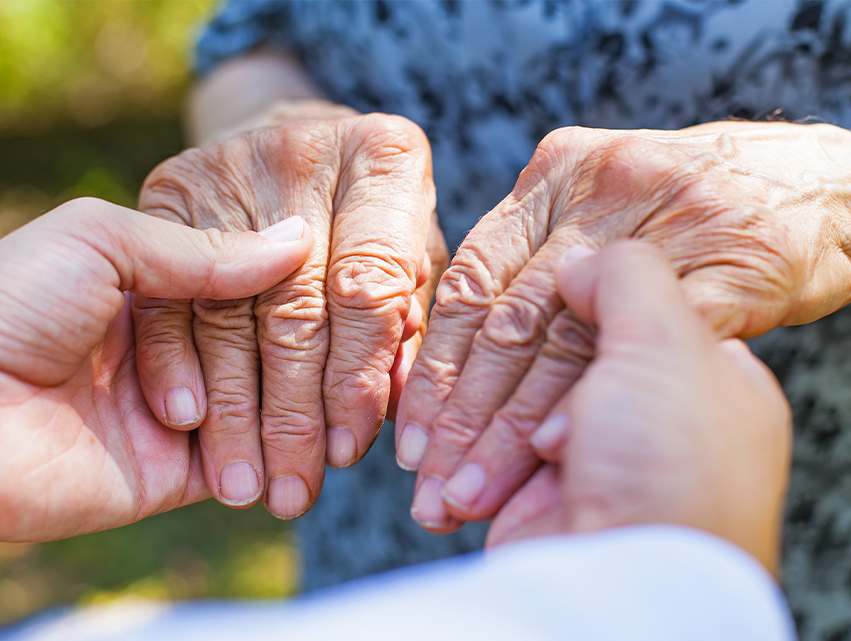
Programs like these, from digital technologies that improve the patient experience to data analytics platforms that help providers make care decisions, are indicative of a true transformation in health care—one that is changing everything about what it means for individuals to interface with the health system. Elderly people are better able to access resources while high-risk patients are receiving more personalized care. Across the board, individuals are empowered to understand and contribute to their own treatment decisions. Taken together, these systemic shifts offer the promise of health care that is both more affordable and delivers better outcomes.

In the coming years, stakeholders like Optum will continue to lead this burgeoning movement—guided by the simple ethos that a patient must be placed at the center of care.

“Whole-person care is an understanding of what it means to be human, and caring for that humanity with compassion, respect, and empathy,” noted Samagh. “Together we’re stitching together the system so it serves the whole person.”